
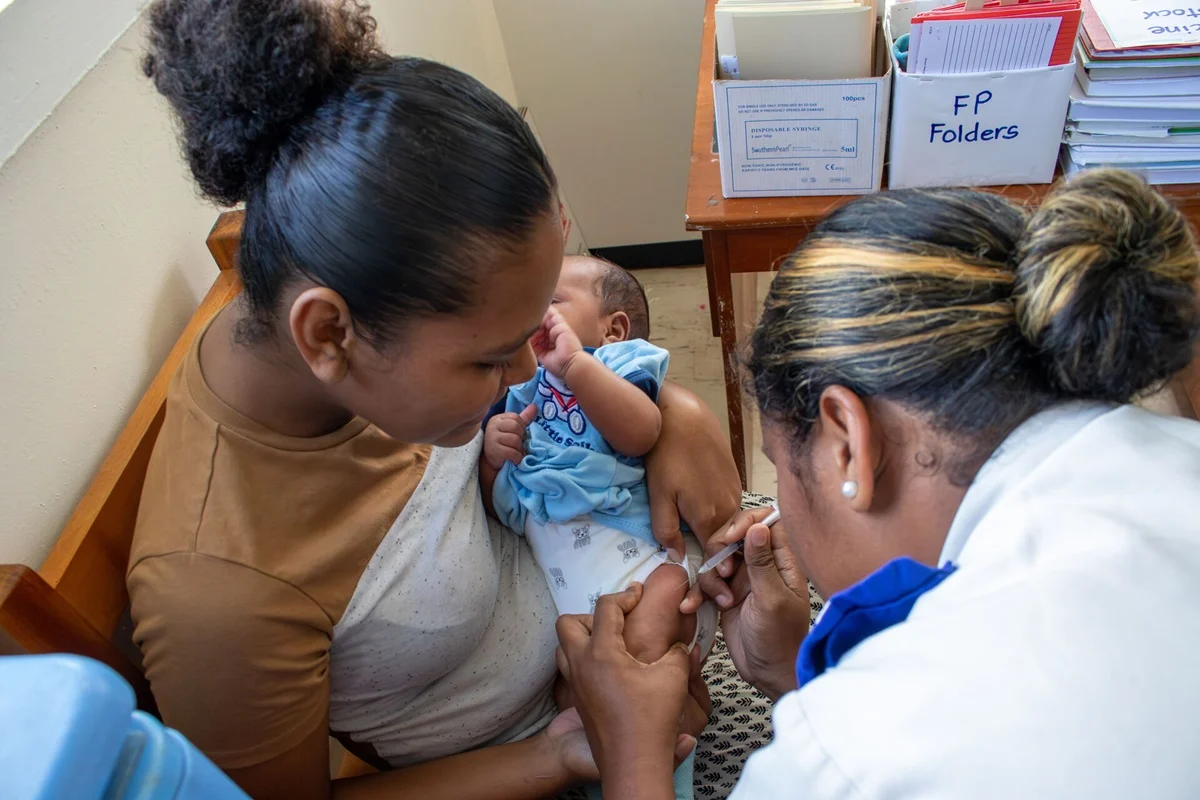
Global efforts to combat viral hepatitis are delivering measurable progress in reducing infections and deaths, but the disease remains a major global health challenge, according to a new World Health Organization (WHO) report released today at the World Hepatitis Summit. Viral hepatitis B and C—the two infections responsible for 95% of hepatitis-related deaths worldwide—claimed 1.34 million lives in 2024, the latest data show. At the same time, transmission continues, with more than 4,900 new infections every day, or 1.8 million each year. The 2026 Global Hepatitis Report documents significant gains made since 2015, highlighting that the annual number of new hepatitis B infections has dropped by 32% and hepatitis C-related deaths have fallen by 12% globally. Furthermore, hepatitis B prevalence among children under five has decreased to 0.6%, with 85 countries achieving or surpassing the 2030 target of 0.1%. These achievements reflect the impact of sustained, coordinated global and national action following the adoption of WHO viral hepatitis elimination targets by Member States at the World Health Assembly in 2016. However, the report warns that current rates of progress are insufficient to meet all 2030 elimination targets, underscoring the urgent need to accelerate prevention, testing, and treatment efforts worldwide.
The Persistent Global Burden and Critical Gaps in Response
Despite the technological and pharmaceutical advancements of the last decade, viral hepatitis continues to be a "silent killer" that disproportionately affects vulnerable populations. Updated WHO estimates indicate that 287 million people were living with chronic hepatitis B or C infection in 2024. This massive reservoir of infection serves as the primary driver for ongoing transmission and the development of fatal liver complications.
In 2024 alone, approximately 0.9 million people were newly infected with hepatitis B. The WHO African Region remains the epicenter of this epidemic, accounting for 68% of new hepatitis B infections. A particularly concerning statistic highlighted in the report is that only 17% of newborns in the African region received the hepatitis B birth-dose vaccination, a critical intervention known to prevent mother-to-child transmission. Without this initial dose, infants remain at high risk of developing chronic infections that lead to cirrhosis and liver cancer later in life.
The situation for hepatitis C is equally complex. A further 0.9 million hepatitis C infections were recorded in 2024. Unlike hepatitis B, which is often transmitted early in life, hepatitis C transmission in many regions is heavily linked to unsafe injection practices. People who inject drugs (PWID) accounted for 44% of new infections in 2024, a statistic that underscores the urgent need for stronger harm reduction services, needle exchange programs, and safe injection education.
The most jarring aspect of the 2026 report is the disparity between the availability of life-saving medicine and its actual distribution. Of the 240 million people living with chronic hepatitis B in 2024, fewer than 5% were receiving treatment. The figures for hepatitis C are similarly underwhelming; only 20% of people with hepatitis C have been treated since 2015. This is particularly tragic given that a highly effective 12-week treatment with a cure rate of approximately 95% has been available for nearly a decade. The inability to bridge this "treatment gap" resulted in an estimated 1.1 million deaths from hepatitis B and 240,000 from hepatitis C in 2024. Liver cirrhosis and hepatocellular carcinoma (liver cancer) remain the primary causes of these deaths.
A Chronology of Global Commitment: 2015 to 2030
The journey toward hepatitis elimination was formalized in 2015 when viral hepatitis was included in the United Nations’ Sustainable Development Goals (SDGs) under Goal 3, which aims to ensure healthy lives and promote well-being for all at all ages. This was followed by a landmark moment in 2016, when the World Health Assembly adopted the first Global Health Sector Strategy on viral hepatitis. This strategy set the ambitious goal of eliminating viral hepatitis as a public health threat by 2030, defined as a 90% reduction in new infections and a 65% reduction in mortality.
Since 2016, the global health community has operated under a framework of "test, treat, and prevent." By 2020, several countries began demonstrating that these targets were achievable. Egypt, for instance, launched one of the world’s largest screening and treatment campaigns, successfully curing millions of its citizens of hepatitis C. By 2022, the WHO updated its strategies to integrate hepatitis care with other disease programs, such as HIV and sexually transmitted infections, to maximize resources.
The 2026 report marks a critical midpoint assessment. While the 32% drop in new hepatitis B infections is a cause for celebration, the rising absolute number of deaths—largely due to an aging population of chronically infected individuals who were never diagnosed—serves as a grim reminder that the window for intervention is closing. The chronology of the next four years will determine whether the 2030 targets remain a reality or become a missed opportunity.
Geographic Concentration and the Ten-Country Burden
The 2026 report highlights that the global hepatitis burden is not evenly distributed. A small number of countries account for the vast majority of the disease burden, suggesting that focused interventions in these regions could yield significant global results.
For hepatitis B, ten countries—Bangladesh, China, Ethiopia, Ghana, India, Indonesia, Nigeria, the Philippines, South Africa, and Viet Nam—accounted for 69% of all related deaths in 2024. The high mortality in these nations is often linked to a combination of high prevalence and historical gaps in childhood vaccination programs. In the African and Western Pacific Regions, where many of these countries are located, the lack of decentralized testing means that many patients only discover their status once they have developed advanced liver disease.
Hepatitis C-related deaths are more geographically dispersed but still show significant concentration. In 2024, ten countries accounted for 58% of the global total: China, India, Indonesia, Japan, Nigeria, Pakistan, the Russian Federation, South Africa, the United States of America, and Viet Nam. The inclusion of high-income nations like the United States and Japan on this list illustrates that even robust health systems struggle with the "silent" nature of hepatitis C, where individuals may carry the virus for decades without symptoms.
Official Responses and Strategic Perspectives
The release of the report at the World Hepatitis Summit prompted strong reactions from global health leaders who emphasized both the progress made and the work that remains.
"Around the world, countries are showing that eliminating hepatitis is not a pipedream, it’s possible with sustained political commitment, backed by reliable domestic financing," said Dr. Tedros Adhanom Ghebreyesus, WHO Director-General. "At the same time, this report shows that progress is too slow and uneven. Many people remain undiagnosed and untreated due to stigma, weak health systems and inequitable access to care. While we have the tools to eliminate hepatitis as a public health threat, urgent scale-up of prevention, diagnosis and treatment is needed if the world is to meet the 2030 targets."
Dr. Tereza Kasaeva, Director of the WHO Department for HIV, TB, Hepatitis, and Sexually Transmitted Infections, echoed these sentiments, focusing on the human cost of inaction. "The data shows that progress is possible but also reveals where we are falling short. Every missed diagnosis and untreated infection due to chronic viral hepatitis represents a preventable death," she stated. "Countries must move faster to integrate hepatitis services for people living with hepatitis B and C into primary care, and to reach the communities most affected."
Health advocates and NGOs attending the summit have also pointed to the economic barriers. While the price of hepatitis C medication has plummeted from tens of thousands of dollars to under $60 per cure in some low-income countries, the cost of diagnostics and the logistical challenges of reaching rural populations remain significant hurdles. Experts argue that without a massive influx of domestic and international financing, the "missing millions" of undiagnosed patients will continue to drive the mortality rate upward.
Proven Solutions and the Path to 2030
Despite the challenges, the WHO report identifies several "success stories" that provide a blueprint for other nations. Countries such as Egypt, Georgia, Rwanda, and the United Kingdom have demonstrated that high-level political will can overcome systemic barriers. Egypt’s "100 Million Healthy Lives" initiative is frequently cited as the gold standard for hepatitis C elimination, combining mass public screening with locally manufactured generic medications.
To replicate this success globally, the report identifies several priority actions:
- Scaling up Treatment for Hepatitis B: Especially in the WHO African and Western Pacific regions, where the burden is highest. This includes making antiviral medications more affordable and accessible at the primary care level.
- Expanding Access to Hepatitis C Cures: Particularly in the Eastern Mediterranean Region, where prevalence remains high.
- Strengthening Birth-Dose Vaccination: The report calls for a universal "birth dose" of the hepatitis B vaccine within 24 hours of birth, followed by at least two subsequent doses. This is the most effective way to break the cycle of mother-to-child transmission.
- Harm Reduction and Injection Safety: Improving safety in healthcare settings and expanding services for people who inject drugs is essential to curb new hepatitis C infections.
- Integration into Primary Healthcare: Moving hepatitis care out of specialized hospitals and into community clinics to make testing and treatment a routine part of general health services.
Analysis: The Implications of Inaction
The findings of the 2026 Global Hepatitis Report suggest a dual reality. On one hand, the world has never been better equipped to eliminate viral hepatitis. We have a vaccine for hepatitis B that is 95% effective and a cure for hepatitis C that works in nearly all cases. On the other hand, the 1.34 million annual deaths represent a profound failure of public health delivery.
The economic implications of this failure are staggering. Chronic liver disease results in billions of dollars in lost productivity and healthcare costs annually. By contrast, investing in elimination programs has been shown to be cost-saving in the long term. The 2030 targets are not merely health goals; they are economic imperatives.
As the World Hepatitis Summit continues, the message from the WHO is clear: the tools exist, the targets are set, and the roadmap is defined. What remains is the political and financial courage to ensure that no one is left behind in the fight against this preventable and treatable disease. The next four years will be the ultimate test of global health equity and the world’s commitment to a future free of viral hepatitis.
