
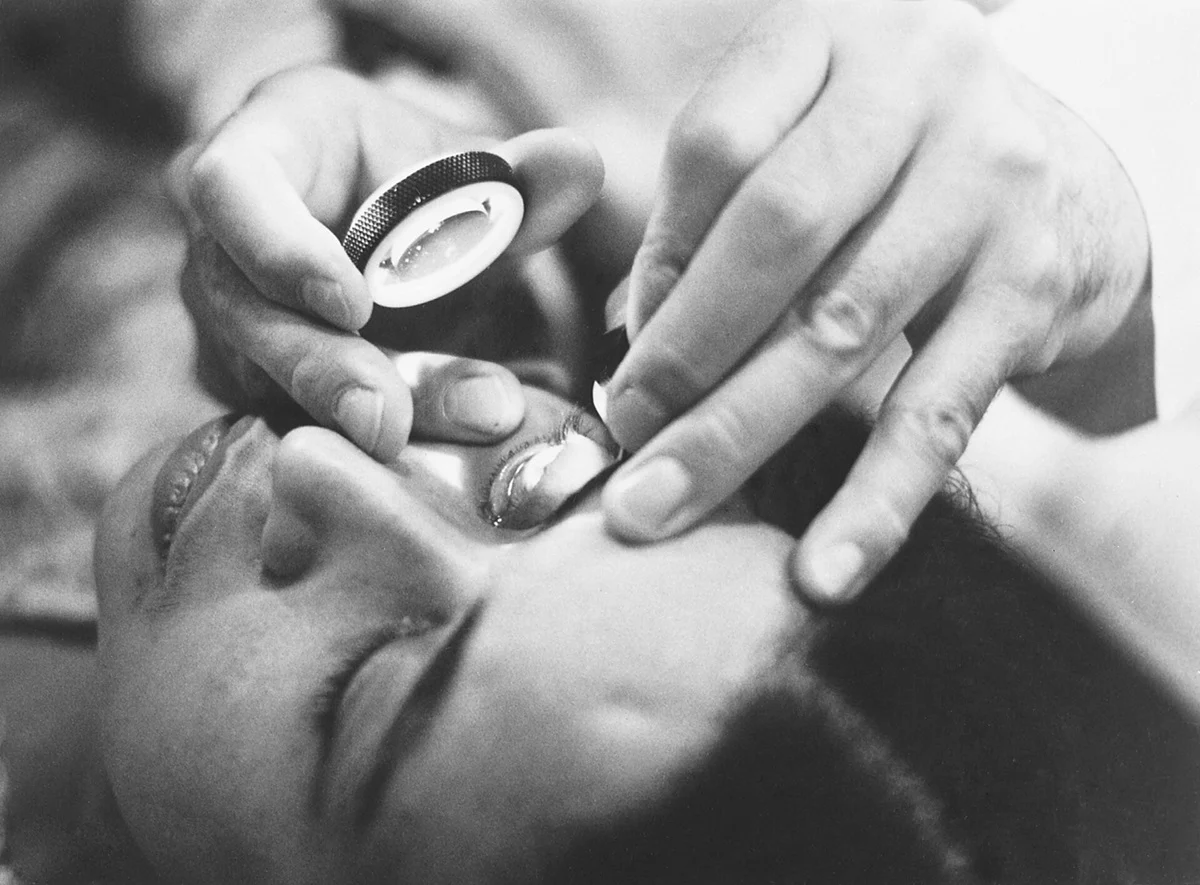
The World Health Organization (WHO) has officially validated Algeria for having eliminated trachoma as a public health problem, marking a monumental achievement in the nation’s medical history and the broader global campaign against neglected tropical diseases (NTDs). With this certification, Algeria becomes the 10th country within the WHO African Region and the 29th country globally to reach this significant milestone. This accomplishment underscores decades of dedicated public health initiatives, cross-sectoral collaboration, and a sustained political commitment to eradicating a disease that has historically been a leading cause of preventable blindness.
Trachoma is a devastating infectious disease caused by the bacterium Chlamydia trachomatis. It is primarily transmitted through direct or indirect contact with eye or nose discharges from infected individuals, often carried by hands, shared clothing, or eye-seeking flies, particularly in areas with limited access to clean water and sanitation. The disease progresses through repeated infections, which over time cause severe scarring on the inside of the upper eyelid. This scarring eventually pulls the eyelashes inward, a painful condition known as trachomatous trichiasis (TT), where the lashes rub against the cornea. Without surgical intervention, this condition leads to irreversible corneal opacity and permanent blindness.
Despite being preventable, trachoma remains endemic in 30 countries and continues to pose a threat to approximately 97 million people living in high-risk areas. Globally, it is responsible for the visual impairment or blindness of an estimated 1.9 million people. Algeria’s success in overcoming this burden is viewed as a blueprint for other nations still grappling with the disease, demonstrating that even long-standing endemicity can be overturned through systematic intervention and localized leadership.
A Century-Long Journey Toward Eradication
The history of Algeria’s struggle against trachoma is deeply intertwined with the evolution of its modern healthcare system. The scientific foundations for this victory were laid in the early 20th century with the establishment of the Pasteur Institute of Algeria in 1909, which initially focused on identifying and mitigating infectious threats. However, the momentum shifted significantly following Algeria’s independence. Under the leadership of pioneering Algerian physicians such as Professor Mohamed Aouchiche, the nation transitioned from colonial-era medical frameworks to a robust, sovereign public health strategy.
A pivotal moment occurred in 1974 when the Algerian government established a national public healthcare system that provided medical services free of charge to all citizens. This policy ensured that even the most vulnerable populations in remote regions could access diagnosis and treatment without financial barriers. Over the subsequent five decades, this commitment to universal health coverage became the bedrock of the trachoma elimination program, allowing health workers to reach deep into the Sahara and the high plateau regions where the disease was most prevalent.
The SAFE Strategy: A Multi-Pronged Approach
To achieve elimination, Algeria rigorously implemented the WHO-recommended SAFE strategy. This comprehensive framework focuses on four key pillars: Surgery, Antibiotics, Facial cleanliness, and Environmental improvement. By addressing both the clinical manifestations of the disease and its underlying social determinants, Algeria was able to break the cycle of transmission.
The surgical component involved large-scale efforts to identify and treat individuals suffering from trachomatous trichiasis. Surgeons were trained to perform corrective procedures that reposition the eyelashes, preventing further corneal damage and alleviating chronic pain. Simultaneously, the mass administration of antibiotics—specifically azithromycin—was deployed in endemic clusters to reduce the reservoir of infection within the community.
Beyond clinical interventions, the "F" and "E" components of the SAFE strategy were crucial for long-term success. National public awareness campaigns were launched to promote facial hygiene, particularly among children, who are the primary carriers of the bacteria. These educational efforts were supported by massive state investments in infrastructure to improve access to potable water and sanitation facilities (WASH). By reducing the presence of flies and providing the means for regular hand and face washing, the environmental conditions that allow trachoma to thrive were systematically dismantled.
Targeted Interventions in Southern Wilayas
While trachoma was once widespread across the country, by the early 21st century, it remained a persistent public health problem primarily in the southern provinces. To address this geographic disparity, Algeria launched a focused three-year strategy between 2013 and 2015. A National Expert Committee was established to oversee intensive operations in 12 specific southern wilayas (provinces): Adrar, Laghouat, Biskra, Béchar, Tamanrasset, Ouargla, El Bayadh, Illizi, Tindouf, El Oued, Naama, and Ghardaïa.
These regions, characterized by arid climates and historically underserved populations, received prioritized resources. Health teams conducted door-to-door screenings and established specialized eye-care clinics. In 2022, WHO-compliant surveys were conducted to evaluate the prevalence of the disease against global elimination thresholds. The data confirmed that active trachoma had been suppressed in all surveyed areas. While three specific zones initially showed persistent cases of trachomatous trichiasis, subsequent intensive geographic coverage and case management ensured that these areas also met the required criteria for elimination.
Official Recognition and Global Impact
The formal validation comes after the Ministry of Health of Algeria compiled an extensive dossier in late 2025, providing empirical evidence that the country had met all WHO criteria. The dossier highlighted the strength of Algeria’s school health system and its integrated health information system as key factors in maintaining a trachoma-free status.
"Algeria’s elimination of trachoma is a historic triumph that connects the past, present, and future of public health," stated Dr. Tedros Adhanom Ghebreyesus, WHO Director-General. He emphasized that the milestone serves as proof that "sustained political will and on-the-ground leadership" can overcome neglected tropical diseases to build a more resilient future.
Dr. Mohamed Janabi, WHO Regional Director for Africa, noted the profound social and economic implications of this victory. "Trachoma devastates individuals and communities profoundly, with blindness or visual impairment causing painful economic and livelihood loss," Janabi said. He remarked that the achievement transforms the lives of families by ensuring that children can attend school and adults can remain productive members of the workforce without the shadow of impending blindness.
Professor Mohamed Seddik Ait Messaoudene, Algeria’s Minister of Health, described the validation as the culmination of nearly fifty years of national mobilization. "This achievement represents a collective victory and underscores the Algerian State’s unwavering commitment to the health of its population," he said. He credited the success to the multisectoral coordination between health professionals, local stakeholders, and the technical assistance provided by the WHO.
Broader Implications for Neglected Tropical Diseases
Trachoma is the first neglected tropical disease to be eliminated in Algeria, but it likely won’t be the last. The country’s success contributes to the goals set forth in the WHO’s 2021–2030 roadmap for NTDs, which targets the control, elimination, or eradication of 21 conditions that affect over a billion people worldwide. Algeria now stands as the 62nd country globally and the 23rd in the African Region to have eliminated at least one NTD.
The elimination of trachoma in Algeria is particularly significant for the African continent, which bears the highest burden of NTDs globally. It demonstrates that the logistical challenges of reaching nomadic and rural populations in vast desert territories can be overcome with a structured, well-funded public health apparatus. Furthermore, the integration of trachoma surveillance into the existing primary healthcare system provides a sustainable model for other nations.
Looking Ahead: Post-Validation Surveillance
While the validation marks the end of trachoma as a public health problem, the WHO and the Algerian Ministry of Health emphasize that vigilance must remain. Post-validation surveillance is essential to monitor formerly endemic populations and ensure there is no resurgence of the Chlamydia trachomatis bacterium.
The WHO continues to support Algerian health authorities in maintaining robust monitoring systems. The existence of an extensive network of specialized eye care and a well-functioning health information system provides high confidence that any potential re-emergence would be swiftly identified and contained. For Algeria, this victory is not merely a medical statistic; it is a testament to a century of progress, moving from the initial research of the Pasteur Institute to a modern era where the threat of infectious blindness has been successfully lifted from its citizens.
