
As the world continued to grapple with the enduring impacts of the COVID-19 pandemic throughout 2021, a significant shift in consumer behaviors related to food and daily habits became apparent. While many individuals sought to re-establish a semblance of pre-pandemic normalcy, incorporating new routines and hobbies that emerged during periods of lockdown, the landscape of eating and living healthy underwent notable adjustments. A comprehensive U.S. consumer survey conducted in 2021 revealed a discernible decrease in certain dietary patterns that had become prevalent in 2020. Specifically, the proportion of Americans reporting an increase in snacking declined from 32% in 2020 to 18% in 2021. Similarly, the number of individuals indicating they were "eating more in general" saw a reduction from 20% in 2020 to 11% in 2021. These figures suggest a potential recalibration of eating habits as life circumstances evolved.
However, this evolving consumer sentiment also signaled a departure from the surge in home cooking observed during the initial phases of the pandemic. The percentage of Americans reporting increased home cooking dropped from 60% in 2020 to 47% in 2021. This trend could be attributed to a variety of factors, including the gradual reopening of restaurants and other food service establishments, as well as a potential sense of fatigue with extended periods of home-based meal preparation. Alongside these shifts in eating habits, the survey also underscored persistent and significant disparities in food security across the United States, highlighting ongoing challenges in ensuring equitable access to nutritious food for all segments of the population.
Beyond the immediate realm of diet and nutrition, the COVID-19 pandemic continued to exert a multifaceted and often individualized impact on global populations. The emergence of new disease variants served as a stark reminder of the ongoing public health imperative to accelerate vaccination efforts worldwide. This urgency was particularly acute in low- and lower-middle-income countries, where access to vaccines and healthcare infrastructure often remained limited, exacerbating existing vulnerabilities.
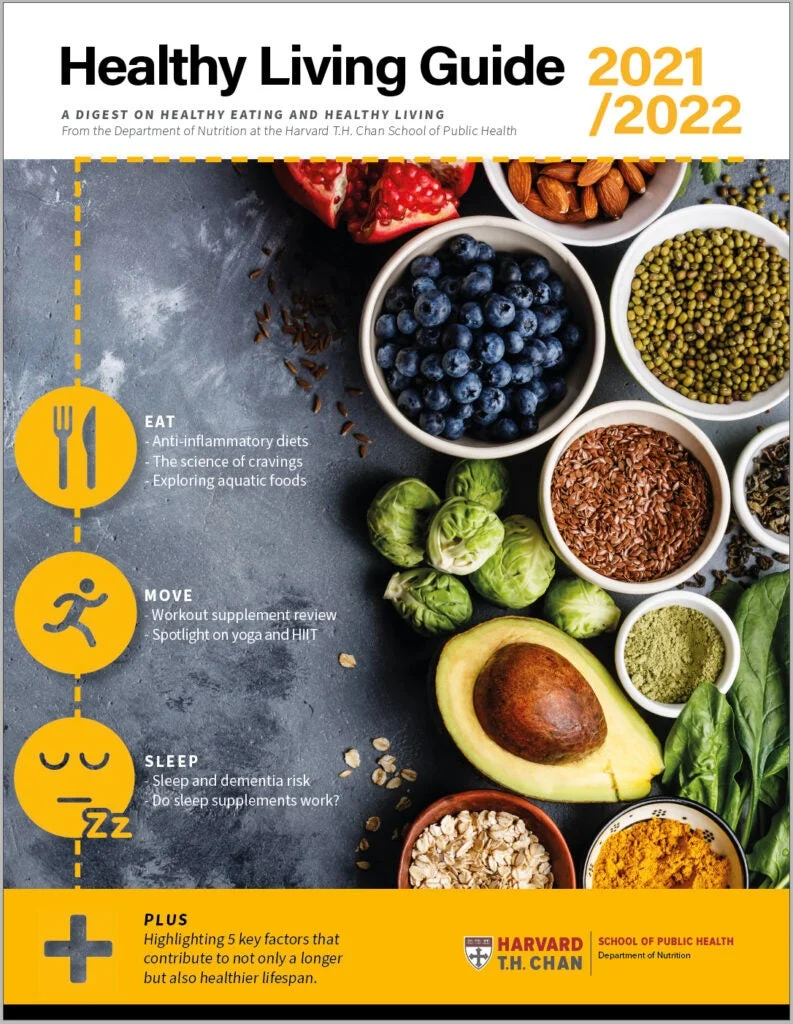
In light of these dynamic circumstances, public health organizations and nutrition experts continued to advocate for the adoption and maintenance of healthy behaviors as a cornerstone of individual well-being. The release of an updated "Healthy Living Guide" for 2021-2022 aimed to provide accessible and evidence-based information to support individuals in navigating these challenges. This guide revisited the fundamental principles of healthy eating, regular physical activity, and adequate sleep, incorporating recent research findings and offering a deeper exploration of popular nutrition and lifestyle topics. The overarching goal was to empower individuals with the knowledge and tools necessary to foster a healthier and more fulfilling existence throughout the continuing pandemic and beyond.
The Evolving Landscape of Food Consumption in 2021
The year 2021 presented a complex tapestry of dietary shifts in the United States, reflecting an adaptation to a "new normal" that blended pre-pandemic routines with pandemic-induced habits. Data from a significant U.S. consumer survey, published by the Food Insight organization, provided quantifiable evidence of these evolving behaviors. The survey indicated a notable decline in certain eating patterns that had seen a surge in 2020.
The phenomenon of increased snacking, a behavior often adopted during periods of increased at-home time and potentially altered work schedules, saw a substantial reduction. In 2020, 32% of American consumers reported snacking more frequently. By 2021, this figure had decreased to 18%. This suggests that as daily routines became more structured, perhaps with a return to office environments or more defined work-from-home schedules, the inclination towards frequent snacking may have diminished.
Similarly, the broader trend of "eating more in general" also experienced a downturn. In 2020, 20% of respondents indicated an increase in overall food consumption. This figure fell to 11% in 2021. This decrease could be attributed to a variety of factors, including a renewed focus on health and wellness, a greater awareness of caloric intake, or simply a normalization of activity levels that may have been reduced during earlier pandemic phases.
Conversely, a significant shift was observed in the realm of home cooking. While the initial lockdowns of 2020 spurred a considerable increase in individuals preparing meals at home – with 60% reporting this behavior – 2021 saw a notable decline. By 2021, only 47% of consumers reported cooking at home more. This trend is likely a reflection of the gradual reopening of the economy, including restaurants and other food establishments. As social activities and dining out options became more accessible, the impetus for extensive home cooking may have lessened for some individuals. This could also be influenced by a desire for convenience and variety, which are often provided by external food services.
Persistent Challenges: Food Security Disparities
Despite the shifts in individual eating habits, the survey’s findings also underscored a persistent and concerning issue: significant disparities in food security. This indicates that while some Americans may have been adjusting their personal dietary patterns, a substantial portion of the population continued to face challenges in accessing adequate and nutritious food. Food insecurity, defined as the lack of consistent access to enough food for an active, healthy life, remains a critical public health concern. Factors contributing to these disparities are complex and include socioeconomic status, geographic location, and systemic inequities. The continuation of these challenges into 2021 served as a stark reminder that broader societal and economic factors profoundly influence the ability of individuals and families to maintain healthy diets.
Broader Implications: Public Health and Global Health Initiatives
The trends observed in the U.S. consumer survey in 2021 have broader implications for public health strategies and the ongoing global response to the COVID-19 pandemic. The decrease in home cooking, for instance, could signal a need for increased public health messaging around making healthier choices when dining out or opting for convenient food options. This might involve promoting awareness of nutritional content, portion sizes, and the benefits of incorporating whole foods into meals prepared outside the home.
Furthermore, the persistence of food insecurity highlights the need for continued and robust support for food assistance programs and initiatives aimed at addressing the root causes of poverty and inequality. These programs are crucial in ensuring that vulnerable populations have access to the nutritious food necessary for their health and well-being, especially in the context of ongoing economic uncertainties.
The article’s introductory statement also draws attention to the critical global health imperative of increasing vaccination rates. The emergence of new COVID-19 variants underscores the interconnectedness of global health and the necessity of equitable vaccine distribution. This is not merely a matter of public health but also has significant economic and social ramifications, as prolonged outbreaks and the threat of new variants can disrupt supply chains, impact economies, and exacerbate existing inequalities. Therefore, the call for increased vaccination, particularly in low- and lower-middle-income countries, is a vital component of a comprehensive strategy to achieve global health security and foster a sustainable recovery from the pandemic.
A Call to Action: Prioritizing Healthy Living in a Dynamic World
In response to these evolving circumstances, health organizations continue to champion the integration of healthy behaviors into daily life. The "Healthy Living Guide" for 2021-2022 represents an effort to consolidate and disseminate evidence-based recommendations on core pillars of well-being: healthy eating, physical activity, and sufficient sleep.
Healthy Eating: The guide likely emphasizes a balanced approach to nutrition, focusing on whole foods, fruits, vegetables, lean proteins, and healthy fats. It may also address strategies for making healthier choices in various eating contexts, including home cooking, dining out, and snacking. This is particularly relevant given the observed shifts in consumer behavior.
Physical Activity: The importance of regular physical activity is a cornerstone of healthy living. The guide would likely offer practical advice on incorporating exercise into daily routines, regardless of individual fitness levels or access to specialized facilities. This could include suggestions for walking, home-based workouts, or engaging in active hobbies.
Adequate Sleep: Sleep plays a critical role in overall health, impacting physical and mental well-being, cognitive function, and immune system resilience. The guide would likely provide insights into the recommended duration and quality of sleep, as well as strategies for improving sleep hygiene.
The availability of a downloadable PDF version of the guide, featuring printable tip sheets and summaries, aims to enhance accessibility and encourage widespread adoption of its recommendations. By providing these resources, health authorities seek to equip individuals with the knowledge and practical tools necessary to make informed decisions about their health, even amidst ongoing global challenges.
Looking Ahead: Resilience and Well-being in 2022
As the world moves into 2022, the lessons learned from the pandemic continue to shape our understanding of health and well-being. The shifts in dietary habits, the persistent challenges of food insecurity, and the ongoing global health imperative all underscore the need for adaptable and resilient approaches to personal and public health. The "Healthy Living Guide" serves as a timely resource, offering a renewed focus on the fundamental principles that promote a healthy and fulfilling life. By embracing healthy eating, regular physical activity, and adequate sleep, individuals can strengthen their capacity to navigate the complexities of the modern world and foster long-term well-being. The ongoing efforts to address global health disparities, particularly in vaccination, are crucial for building a more equitable and secure future for all.
