
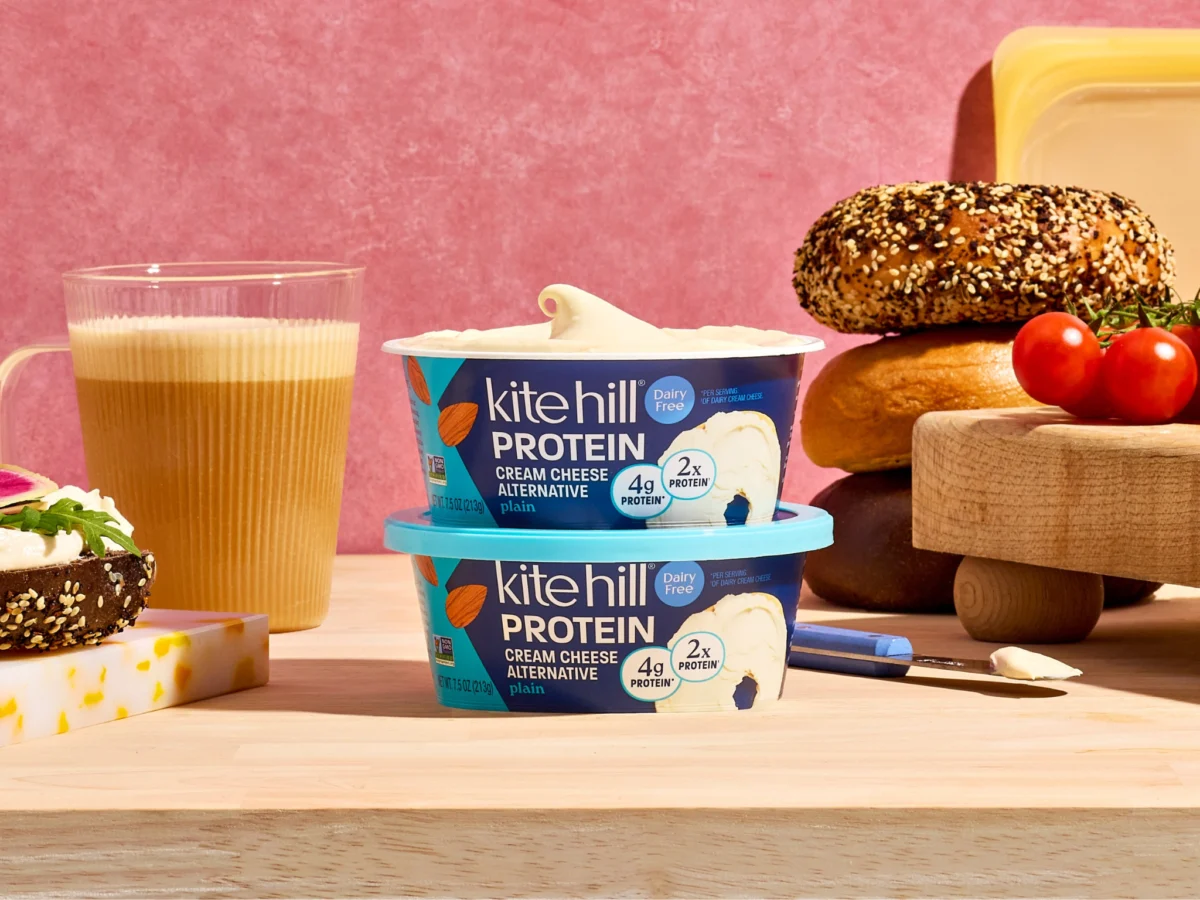
California-based dairy-free innovator Kite Hill has unveiled a groundbreaking cream cheese alternative, boasting double the protein of its conventional dairy counterparts. This strategic move by the US plant-based food company signals a keen understanding of the surging consumer interest in protein-fortified foods, particularly within the plant-based sector. The new product aims to disrupt a traditionally low-protein category, offering consumers a healthier and more satisfying option.
The innovative dairy-free cream cheese alternative delivers an impressive 4 grams of protein per two-tablespoon serving, effectively doubling the 2 grams typically found in traditional cow’s milk cream cheese. This makes Kite Hill’s offering nutritionally superior to conventional cream cheese on a per-serving basis and, remarkably, gram-for-gram, it provides more protein than many dairy cottage cheese varieties. The product is currently available nationwide at Whole Foods Market, with plans for broader retail distribution in the near future.
Tapping into the "Proteinmaxxing" Trend
Kite Hill’s latest product is strategically positioned to capitalize on the significant "proteinmaxxing" trend sweeping across the United States. Recent surveys indicate a strong consumer focus on protein intake, with a substantial majority of Americans prioritizing it to boost energy levels, enhance physical strength, and manage weight. This heightened awareness is further amplified by evolving national dietary guidelines and the increasing prevalence of GLP-1 medications, which often lead to a reduction in muscle mass, prompting users to seek higher protein diets.
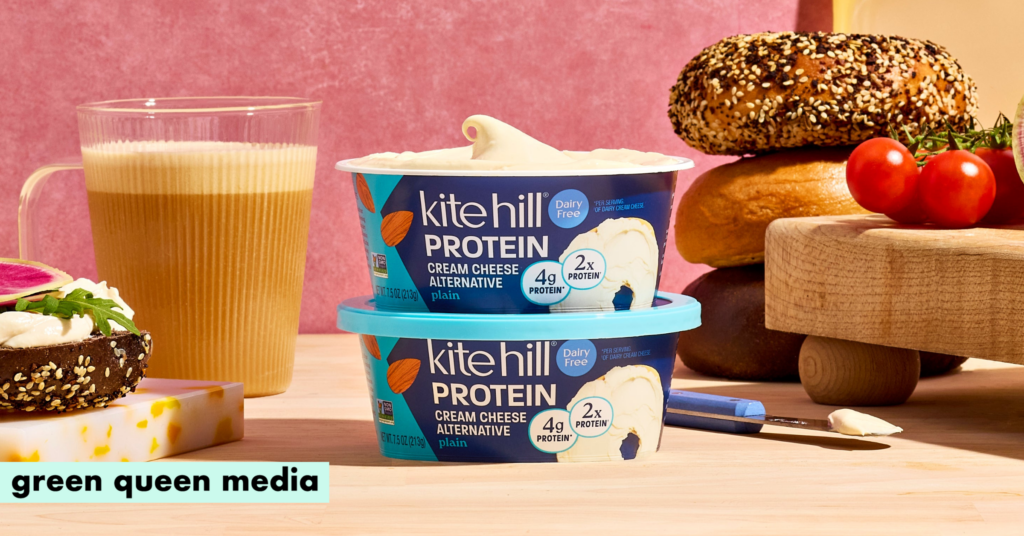
The demand for protein-rich foods has become a defining characteristic of American dietary priorities. According to a 2026 nutrition priorities survey, nearly three in five Americans (57%) reported planning to make protein a cornerstone of their diet. The primary motivations cited were to increase energy (52%), build strength (51%), and manage weight (48%). This widespread focus on protein consumption is not merely a fleeting trend; it is being driven by a confluence of factors, including updated national dietary guidelines that emphasize the importance of adequate protein intake and the growing adoption of GLP-1 agonist medications like Ozempic and Mounjaro for weight management.
The rise of these weight-loss medications has been particularly impactful. Data from Innova Market Insights revealed a significant increase in the usage of GLP-1 drugs, with the percentage of Americans taking these medications rising from 10% in 2024 to 18% in 2025. Furthermore, over a third (34%) of consumers indicated plans to adopt these medications, underscoring their transition from a niche category to a more mainstream health and wellness tool. This trend has direct implications for the food industry, as individuals utilizing these medications often experience a notable decrease in muscle mass. Research indicates that GLP-1 users can face an 8-16 month decrease in muscle mass ranging from 25% to 40%, a rate significantly higher than that associated with non-medicated weight loss approaches or age-related muscle loss. Consequently, Innova’s research also highlights that approximately 40% of these consumers are actively increasing their protein intake to mitigate muscle loss and support their health goals.
A Harmonious Blend of Tradition and Innovation
In line with traditional dairy cream cheese production, Kite Hill’s protein-fortified version undergoes a fermentation and culturing process. This method is crucial for achieving the desirable smooth, spreadable texture and the familiar tangy flavor profile that consumers expect from cream cheese. Beyond its enhanced protein content, the vegan cream cheese alternative offers significant health advantages, being entirely free from added sugar, saturated fat, and cholesterol.
The formulation of Kite Hill’s new cream cheese is a testament to its commitment to both taste and nutrition. The base is crafted from nutrient-rich almond milk and is fortified with soy protein to achieve its impressive protein yield. Complementing these core ingredients are xanthan and guar gums, which contribute to its smooth consistency. The flavor profile is enhanced by natural flavors and lactic acid, while rowanberry extract adds a unique touch. Salt is included for taste, and the fermentation process introduces beneficial enzymes and cultures, mirroring the complex character of dairy-based cultured products.
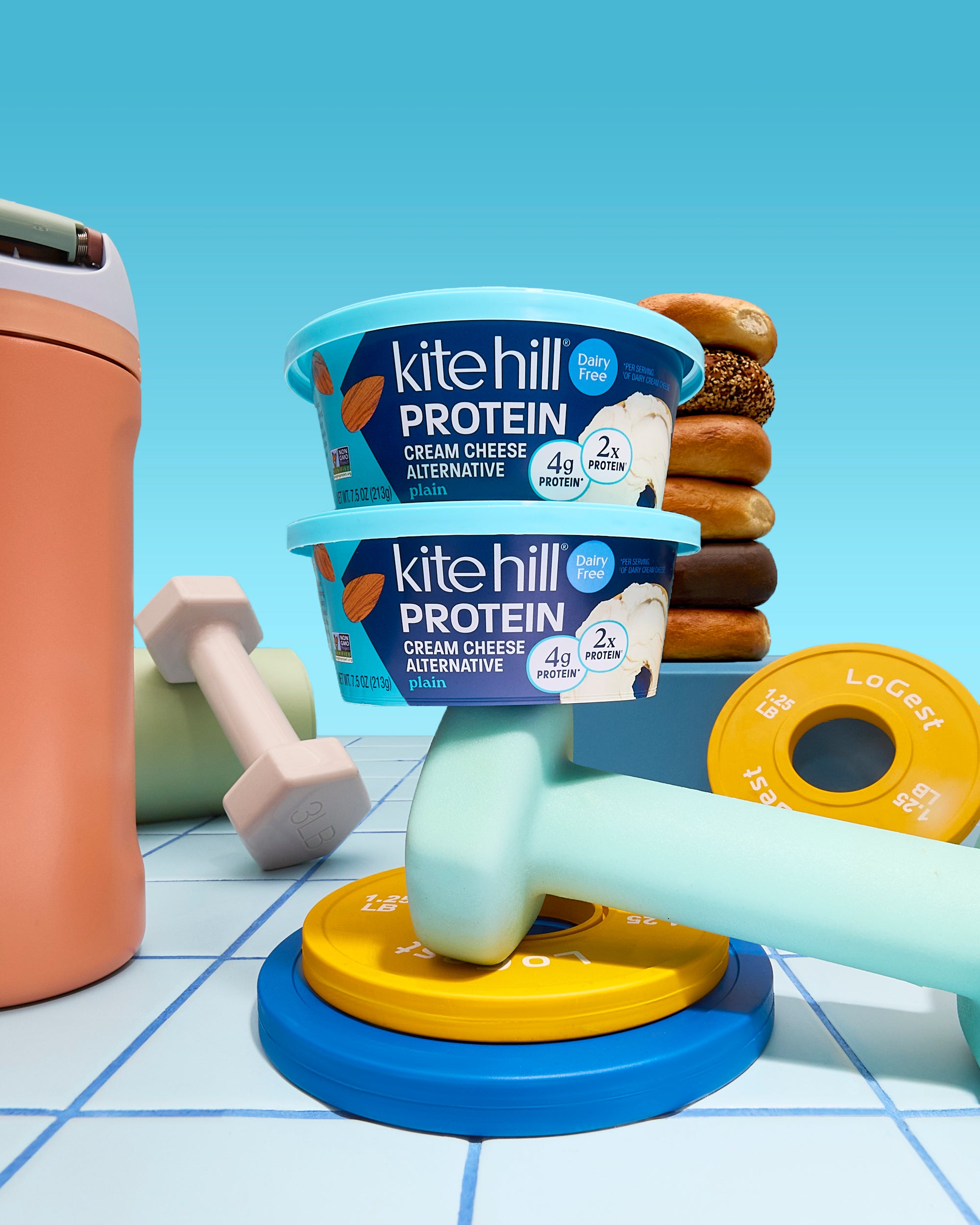
This launch represents a strategic expansion of Kite Hill’s protein-focused product line. The company already offers a popular Greek yogurt range, which provides between 11 to 17 grams of protein per 150-gram serving. Their vegan ricotta also contributes to their protein portfolio, offering 5 grams of protein per quarter-cup serving. By extending this protein-centric approach to cream cheese, Kite Hill is catering to a broad spectrum of dietary needs and preferences within the plant-based market.
Navigating the Challenges of Plant-Based Dairy
The introduction of Kite Hill’s high-protein cream cheese arrives at a critical juncture for the plant-based dairy industry. In recent years, the sector has faced headwinds in maintaining consistent growth in the US market. Last year, specifically, the cheese, sour cream, and dips segment experienced a notable downturn, with sales declining by 15% to reach $113 million. This performance underscores the challenges within this particular category.
Further insights into consumer perception come from extensive taste tests conducted by Nectar, the sensory insights initiative of Food System Innovations. These studies identified cream cheese as one of the plant-based dairy categories with the most significant "sensory gap" compared to its dairy counterpart. The research indicated that only 33% of participants enjoyed the taste of an average vegan cream cheese, a stark contrast to the 74% who expressed liking for the dairy benchmark. This highlights a persistent consumer preference for the taste and texture of traditional dairy cream cheese.
The challenge for brands like Kite Hill lies in the inherent dichotomy of adding protein to cream cheese alternatives. While protein content has emerged as a key driver of purchase intent and overall liking in consumer surveys – significantly increasing the likelihood of consumers buying vegan cream cheese – there is a delicate balance to strike. Excessive protein fortification can, in some instances, negatively impact taste credentials and overall palatability. Therefore, companies must meticulously refine their formulations to ensure that enhanced nutritional profiles do not come at the expense of sensory appeal.
Strategic Marketing and Consumer Engagement
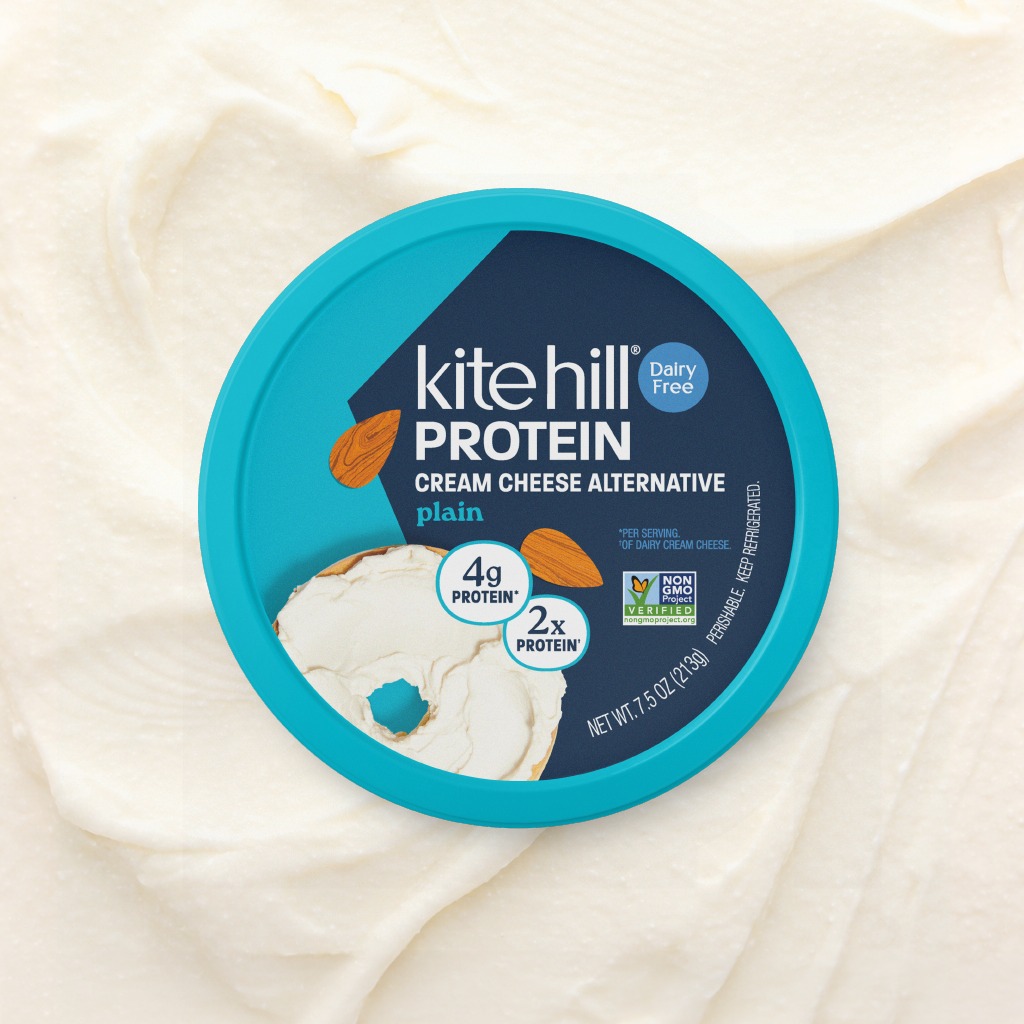
The success of Kite Hill’s new product will likely hinge on its marketing strategy, particularly in effectively communicating the protein benefits to consumers. Caroline Cotto, Director at Nectar, noted in a March interview with Green Queen that "our data suggests clean labels highlighting protein matters more than ‘free from’ messaging, though this is an area we’re continuing to research." This suggests that a clear and direct focus on the nutritional advantages, specifically the protein content, could be more persuasive than solely emphasizing the absence of dairy.
Connie Sintuvat, VP of Marketing at Kite Hill, articulated the company’s strategic vision: "Consumers have always turned to dairy for protein, but that benefit has been missing from dairy-free options, especially in cream cheese. We saw an opportunity to bring protein into a format people already love, without sacrificing taste or texture." This statement underscores Kite Hill’s commitment to bridging the nutritional gap in plant-based alternatives while maintaining the beloved characteristics of traditional cream cheese.
The implications of this innovation extend beyond Kite Hill. As the plant-based food industry continues to evolve, products that successfully address both nutritional demands and sensory expectations are poised for significant growth. Kite Hill’s high-protein cream cheese alternative is a prime example of how innovation can meet the evolving needs of health-conscious consumers, potentially revitalizing stagnant categories within the plant-based market and setting a new benchmark for dairy-free alternatives. The company’s ability to deliver on both protein content and taste could pave the way for broader acceptance and increased sales, especially as consumers increasingly seek out plant-based options that align with their health and wellness goals. The future of plant-based dairy may well lie in its capacity to deliver not just an absence of animal products, but a tangible presence of desirable nutritional benefits, mirroring or even surpassing their dairy counterparts.
