
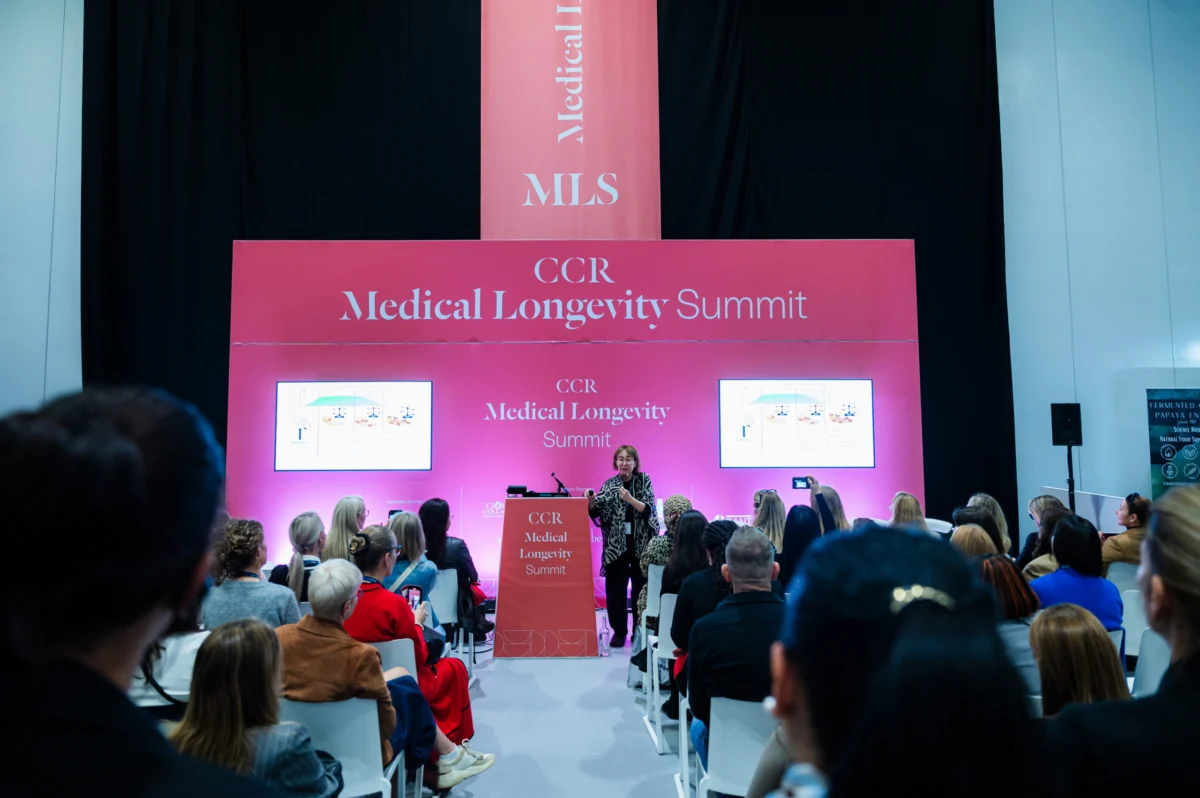
The medical community is preparing for the return of the Medical Longevity Summit (MLS), which is set to convene for its fourth consecutive year as a cornerstone of the Clinical Cosmetic Regenerative (CCR) congress. This year’s summit represents a significant evolution in the field of aesthetic medicine, shifting the primary focus toward the concept of "inside-out ageing." By prioritizing metabolic health as the foundation for both longevity and aesthetic outcomes, the 2024 program aims to bridge the gap between systemic biological health and external physical appearance. The summit, curated by Dr. Mayoni Gooneratne—a prominent aesthetic practitioner and founder of Human Health—in collaboration with the Aesthetics Journal, will provide a comprehensive framework for practitioners looking to integrate longevity science into their clinical practices.
The Evolution of the Medical Longevity Summit and CCR
The Clinical Cosmetic Regenerative (CCR) congress has long been recognized as a premier event for the UK’s aesthetic medicine sector, drawing thousands of practitioners, surgeons, and clinic owners annually. The inclusion of the Medical Longevity Summit four years ago marked a pivotal moment in the industry’s history, reflecting a global trend where patients no longer seek merely to "fix" signs of aging but to prevent them through physiological optimization.
In its first year, the MLS focused on the basic tenets of biohacking and regenerative medicine. By its second and third years, the discourse moved toward cellular health and the role of supplements. This fourth iteration, however, is the most ambitious to date. It moves beyond superficial wellness trends to tackle the complex biochemical pathways that dictate how a human body ages. The chronological progression of the summit reflects the growing sophistication of the aesthetic market, where practitioners are increasingly expected to act as "longevity architects" rather than just injectors or laser technicians.
The 2024 program is strategically designed to address the "hallmarks of aging," a set of biological indicators that scientists use to measure the rate of physiological decline. By focusing on metabolic health, the MLS addresses several of these hallmarks simultaneously, including mitochondrial dysfunction, altered intercellular communication, and cellular senescence.
The Science of Metabolic Health: Glucose, Lipids, and Mitochondrial Function
At the heart of this year’s summit is the exploration of metabolic health and its direct correlation to healthspan—the period of life spent in good health—and lifespan. Central to this discussion is the regulation of glucose and insulin. Scientific research has consistently shown that chronic hyperinsulinemia and poor glucose control are primary drivers of systemic inflammation and oxidative stress. These processes do not only contribute to metabolic syndromes and type 2 diabetes but also accelerate skin aging through the formation of Advanced Glycation End-products (AGEs). AGEs damage collagen and elastin fibers, leading to the loss of skin elasticity and the formation of deep wrinkles.
The MLS sessions will provide practitioners with data-driven insights into how monitoring glucose levels can be a proactive tool in aesthetic care. By stabilizing blood sugar, patients can mitigate the "sugar sag" phenomenon, creating a more stable internal environment for other aesthetic interventions to succeed.
Furthermore, the summit will delve into lipid profiling and its links to cardiovascular health and skin integrity. Traditionally, lipid panels were the domain of general practitioners and cardiologists. However, the MLS posits that understanding a patient’s lipid profile is essential for the aesthetic practitioner. Lipids are fundamental components of the skin barrier; disruptions in lipid metabolism can manifest as chronic dryness, inflammatory skin conditions, and a reduced ability to heal following invasive aesthetic procedures.
Mitochondrial function and muscle preservation also occupy a significant portion of the 2024 agenda. As the "powerhouses" of the cell, mitochondria are responsible for producing the energy (ATP) required for cellular repair and regeneration. Age-related mitochondrial decline leads to decreased cellular turnover and a diminished response to regenerative treatments like microneedling or polynucleotides. Simultaneously, the preservation of muscle mass—often referred to as the "organ of longevity"—is being recognized for its role in maintaining metabolic rate and structural support for the face and body.
Addressing the Gender Health Gap: Women’s Metabolic Health
A standout feature of the fourth MLS is a dedicated stream focused on women’s metabolic health, delivered in partnership with the Women’s Integrative Health Collective. This segment of the program acknowledges that metabolic patterns in women are distinct from those in men, largely due to the profound impact of hormonal fluctuations throughout the lifecycle, particularly during perimenopause and menopause.
Research indicates that the decline in estrogen during menopause significantly alters glucose metabolism and lipid distribution, often leading to increased visceral fat and a higher risk of cardiovascular disease. These internal changes are mirrored externally by a rapid loss of skin density and hydration. The MLS will explore these female-specific metabolic patterns, providing practitioners with the tools to identify and address the root causes of visible aging in their female patients.
By integrating hormonal health with metabolic optimization, the summit aims to empower practitioners to offer more holistic care. This approach addresses the "wellbeing" aspect of aesthetics, recognizing that a patient’s confidence is often tied to their overall vitality and physical resilience as much as their appearance.
Industry Perspectives and Official Responses
The shift toward longevity-focused aesthetics has been met with widespread approval from industry leaders and educators. Holly Carver, the editor and content manager at Aesthetics, emphasized that the MLS is a response to the evolving needs of both practitioners and patients. According to Carver, the summit reflects a growing realization that "meaningful, long-term aesthetic outcomes depend on understanding and treating ageing from the inside out."
Carver’s sentiment is echoed by the broader medical community. Observers note that as the aesthetic market becomes increasingly saturated, differentiation through clinical excellence and holistic health is becoming a competitive necessity. Practitioners who can demonstrate an understanding of cardiovascular risk, gut health, and chronic inflammation are positioned as more than just service providers; they become essential partners in their patients’ long-term health journeys.
Dr. Mayoni Gooneratne, the summit’s curator, has long been an advocate for this integrative approach. Through her work with Human Health and the Women’s Integrative Health Collective, she has championed the idea that the "outside" cannot be optimized if the "inside" is neglected. Her collaboration with the Aesthetics Journal for the MLS ensures that the program remains grounded in clinical evidence while remaining accessible to the aesthetic community.
Supporting Data and the Longevity Economy
The relevance of the Medical Longevity Summit is underscored by the explosive growth of the global longevity economy. Market analysis suggests that the longevity medicine sector is projected to reach significant valuations by the end of the decade, as aging populations in developed nations seek ways to maintain their productivity and appearance.
According to data from various health surveys, metabolic health is currently at a crisis point. In some developed nations, fewer than 15% of the adult population are considered metabolically healthy. This metabolic dysfunction is a leading contributor to chronic diseases that strain healthcare systems. By bringing these topics to the CCR congress, the MLS is positioning aesthetic practitioners as a front-line defense against metabolic decline. Aesthetic clinics are often the first place where patients seek help for "looking tired" or "feeling old," providing a unique opportunity for early intervention and health screening.
Furthermore, data from the aesthetic industry shows a marked increase in patient interest in "biostimulatory" treatments—those that encourage the body to heal itself. The success of these treatments is highly dependent on the patient’s underlying health status. A patient with high levels of chronic inflammation (often referred to as "inflammaging") will not respond as effectively to collagen-stimulating injections as a patient with optimized metabolic markers.
Broader Impact and Future Implications
The fourth Medical Longevity Summit at CCR is more than just an educational event; it is a signal of a permanent shift in the trajectory of the aesthetic industry. The move toward "inside-out ageing" suggests that the boundaries between aesthetic medicine, functional medicine, and general wellness are becoming increasingly blurred.
One of the most significant implications of this shift is the potential for improved patient safety and outcomes. When practitioners prioritize metabolic health, they are naturally led to conduct more thorough consultations and diagnostic testing. This leads to a deeper understanding of the patient’s physiology, reducing the risk of complications and ensuring that treatments are tailored to the individual’s specific biological needs.
Moreover, the focus on longevity science encourages a more ethical approach to aesthetics. Rather than selling a "quick fix," practitioners are encouraged to foster long-term relationships with patients, guiding them through the various stages of the aging process with a focus on health and vitality.
As the summit concludes, the knowledge shared is expected to ripple through the industry, influencing how clinics are structured and how treatments are marketed. The integration of gut health, mitochondrial support, and hormonal balance into the aesthetic consultation is likely to become the new standard of care. For the practitioners attending CCR, the Medical Longevity Summit offers a roadmap for the future—a future where the pursuit of beauty is inextricably linked to the pursuit of health.
In conclusion, the return of the MLS for its fourth year at the CCR congress cements the role of longevity science in modern aesthetics. By focusing on metabolic health, Dr. Mayoni Gooneratne and the Aesthetics Journal are providing a vital platform for practitioners to evolve their skills. As the industry continues to embrace the "inside-out" philosophy, the ultimate beneficiary will be the patient, who can look forward to a future where aesthetic treatments are supported by a foundation of robust biological health.
