
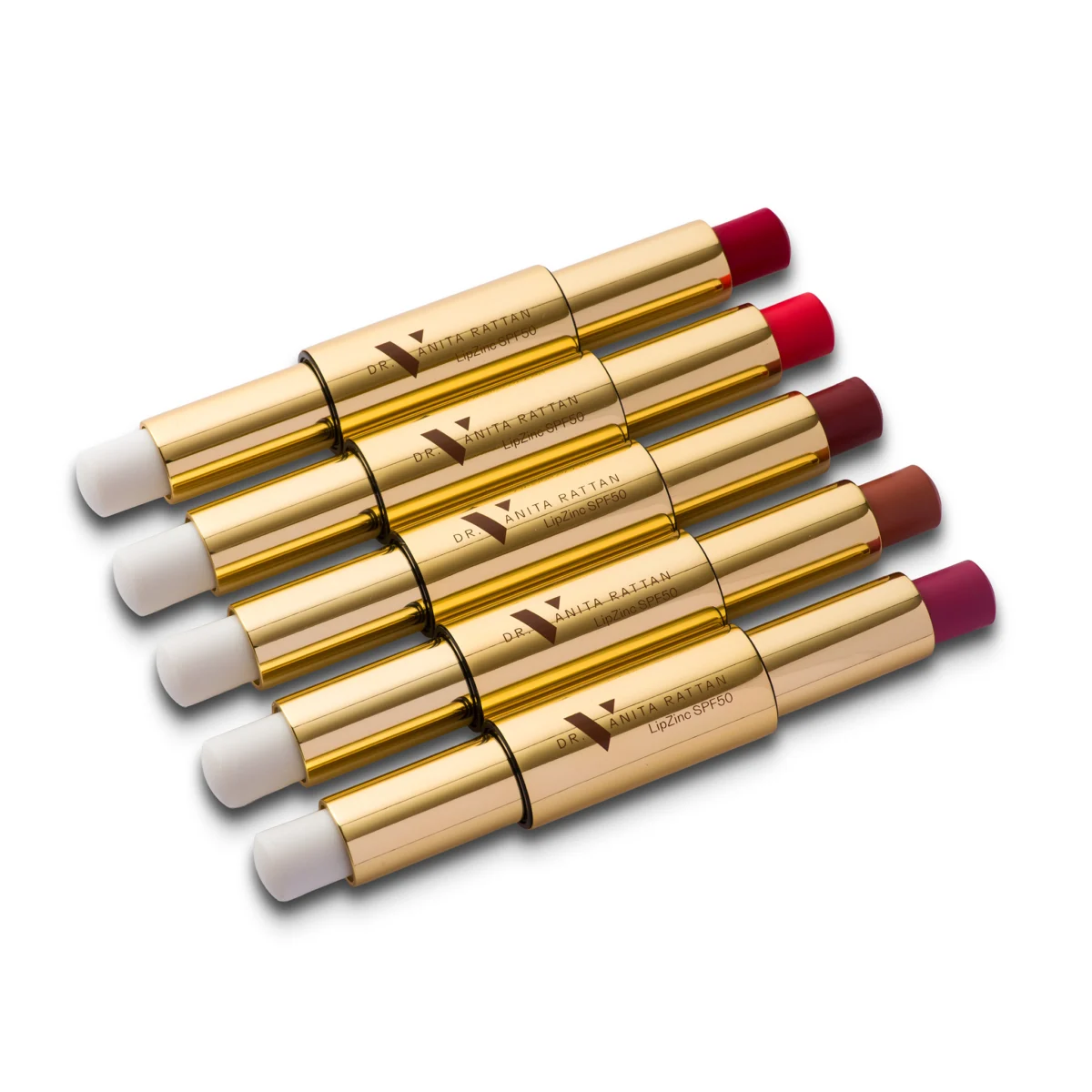
The aesthetic medicine landscape has witnessed a significant advancement in specialized lip care with the official launch of LipZinc SPF50 by Dr. Vanita Rattan. This innovative mineral-based lipstick is specifically formulated to address the unique dermatological needs of individuals with skin of colour, particularly focusing on the prevalent concern of lip hyperpigmentation. By integrating high-level broad-spectrum protection with a sophisticated blend of active tyrosinase inhibitors and skin-repairing peptides, the product represents a convergence of decorative cosmetics and clinical skincare. The launch addresses a long-standing gap in the market where mineral sunscreens have historically failed to provide aesthetically pleasing solutions for darker skin tones due to the "white cast" phenomenon.
The Engineering of LipZinc SPF50: A Dual-Ended Approach
At the core of Dr. Rattan’s latest innovation is a dual-ended delivery system designed to overcome the physical limitations of mineral UV filters. Traditionally, high-concentration mineral sunscreens, such as those utilizing zinc oxide or titanium dioxide, present a significant cosmetic challenge for people with Fitzpatrick scale types IV, V, and VI. These minerals are white pigments by nature; when applied at the levels required to achieve an SPF 50 rating, they often leave a chalky, ashen residue on the skin.
Dr. Rattan’s solution involves a two-step application process housed within a single unit. The first end of the device applies a pigment-rich lip colour, which serves as a base to neutralize the natural tone of the lips and provide an even canvas. The second end contains the SPF 50 mineral formulation, which is applied over the colour. This layering technique allows the mineral shield to sit atop the pigment, effectively masking the white cast while ensuring the integrity of the sun protection factor remains uncompromised. The product is available in five distinct shades, curated to complement the diverse undertones found in various ethnicities within the skin of colour demographic.
Scientific Formulation and Key Active Ingredients
Beyond its protective capabilities, LipZinc SPF50 is formulated as a treatment for hyperpigmentation. The delicate skin of the lips is highly susceptible to environmental damage and post-inflammatory hyperpigmentation (PIH). To combat this, Dr. Rattan has incorporated a selection of high-performance ingredients known for their efficacy in regulating melanogenesis and promoting structural repair.
Kojic Dipalmitate
A more stable derivative of kojic acid, kojic dipalmitate is a primary active in the formulation. Unlike standard kojic acid, which can be unstable and prone to oxidation when exposed to light and air, the dipalmitate form offers superior stability and skin penetration. It functions by inhibiting the activity of tyrosinase, the rate-limiting enzyme in the production of melanin. By suppressing this enzyme, the ingredient helps to gradually lighten existing dark spots on the lips and prevent the formation of new pigmentary patches.
Ascorbyl Tetraisopalmitate
This is an oil-soluble derivative of Vitamin C. In the context of lip care, its oil-solubility is crucial as the lips lack the sebaceous glands found in the rest of the skin, making them more reliant on lipid-based delivery systems. Ascorbyl tetraisopalmitate is known for its ability to penetrate the dermis more effectively than L-ascorbic acid. It acts as a potent antioxidant, neutralizing free radicals generated by UV exposure, and contributes to the brightening of the skin by further inhibiting melanocyte activity.
Bakuchiol
Often referred to as a plant-based alternative to retinol, bakuchiol provides the regenerative benefits of Vitamin A without the associated irritation or photosensitivity. This is particularly important for the lips, where the skin is significantly thinner and more sensitive. Bakuchiol stimulates collagen production and accelerates cell turnover, helping to improve the texture of the lips and reduce the appearance of fine lines often caused by chronic sun exposure.
Tripeptide-1
Peptides are essential for maintaining the structural integrity of the lips. Tripeptide-1 is a messenger peptide known for its role in skin repair. It stimulates the synthesis of collagen, elastin, and glycosaminoglycans, which are the building blocks of the extracellular matrix. By reinforcing the lip’s barrier and promoting volume, this ingredient ensures that the lips remain hydrated and resilient against the drying effects of both the sun and mineral pigments.
Addressing the Historical Gap in Skin of Colour Dermatology
The launch of LipZinc SPF50 occurs against a backdrop of increasing clinical awareness regarding the specific needs of darker skin tones. For decades, the global skincare industry focused primarily on Fitzpatrick types I through III. This led to a lack of products that effectively addressed issues like hyperpigmentation and melasma without causing secondary issues such as the "ghosting" effect of mineral sunscreens.
Dermatological data suggests that while melanin provides a natural SPF of approximately 13.4 in darker skin, it is not sufficient to prevent the long-term effects of UVA and UVB radiation. Furthermore, the melanocytes in darker skin are more reactive; even minor irritation or sun exposure can trigger an overproduction of pigment. The lips are particularly vulnerable because they contain less melanin than the surrounding facial skin and have a thinner stratum corneum. Chronic sun exposure on the lips can lead to actinic cheilitis, a precancerous condition, as well as significant darkening that many patients find cosmetically distressing.
Market Context and the Evolution of the "Sunscreen for All" Movement
The development of LipZinc SPF50 is a significant milestone in the "sunscreen for all" movement, which advocates for inclusive sun protection. Historically, the reluctance of people of colour to use daily SPF has often been attributed to the poor cosmetic elegance of available products. By solving the white cast problem through a dual-ended design, Dr. Rattan is removing one of the primary barriers to SPF adherence in this demographic.
Industry analysts note that the global sun care market is shifting toward "functional makeup"—products that offer the aesthetic benefits of cosmetics with the protective benefits of pharmaceuticals. The lip care segment, in particular, has seen a 6% year-on-year growth as consumers become more educated about the signs of aging and the risks of skin cancer on the lips. Dr. Rattan’s entry into this space with a high-SPF mineral product positions her brand at the forefront of this trend.
Timeline of Development and Professional Insight
The journey to the launch of LipZinc SPF50 involved extensive research and development to balance the high mineral content with a smooth, non-gritty texture. Dr. Rattan, who has built a reputation through her focus on "Skin of Colour" (SOC) formulations, emphasized the necessity of this specific product during her commentary on the launch.
"One of the main reasons it hasn’t been made before is that mineral SPF 50 often leaves a white cast when applied directly to the lips," Dr. Rattan stated. "We solved this by creating a dual-ended product, first the colour on the lips, then the SPF 50 on top."
This chronological progression from identifying the consumer pain point (the white cast) to engineering a mechanical solution (the dual-ended applicator) reflects a broader trend in aesthetic medicine where practitioners are becoming formulators to solve the specific issues they see in their clinics.
Broader Implications for Aesthetic Medicine and Public Health
The introduction of LipZinc SPF50 carries implications that extend beyond the beauty industry into the realm of public health. By making high-level lip protection accessible and aesthetically pleasing for skin of colour, the product encourages better sun-safety habits.
Medical professionals often highlight that lip cancers can be more aggressive than other forms of skin cancer because of the high vascularity of the lip area, which can facilitate the spread of malignant cells. Therefore, a product that increases the likelihood of daily SPF use is a positive step toward reducing the incidence of UV-related pathologies in diverse populations.
Furthermore, the inclusion of tyrosinase inhibitors like kojic dipalmitate marks a shift in how SPF is perceived—not just as a shield, but as an active treatment. This "prejuvenation" approach appeals to a younger demographic of consumers who are looking to prevent pigmentation before it occurs, as well as an older demographic looking to correct existing damage.
Conclusion and Future Outlook
Dr. Vanita Rattan’s LipZinc SPF50 is more than a cosmetic launch; it is a specialized tool in the dermatological arsenal for treating and protecting skin of colour. By combining mineral sun protection with a sophisticated blend of active ingredients and a clever application method, the product addresses the dual needs of protection and correction.
As the beauty and medical industries continue to move toward greater inclusivity, the success of LipZinc SPF50 will likely serve as a blueprint for future formulations. It demonstrates that with the right combination of chemistry and design, the traditional limitations of mineral sunscreens can be overcome, providing effective and elegant solutions for all skin tones. The five-shade range and the focus on the science of melanogenesis ensure that the product meets the high standards required by both aesthetic practitioners and discerning consumers globally.
