
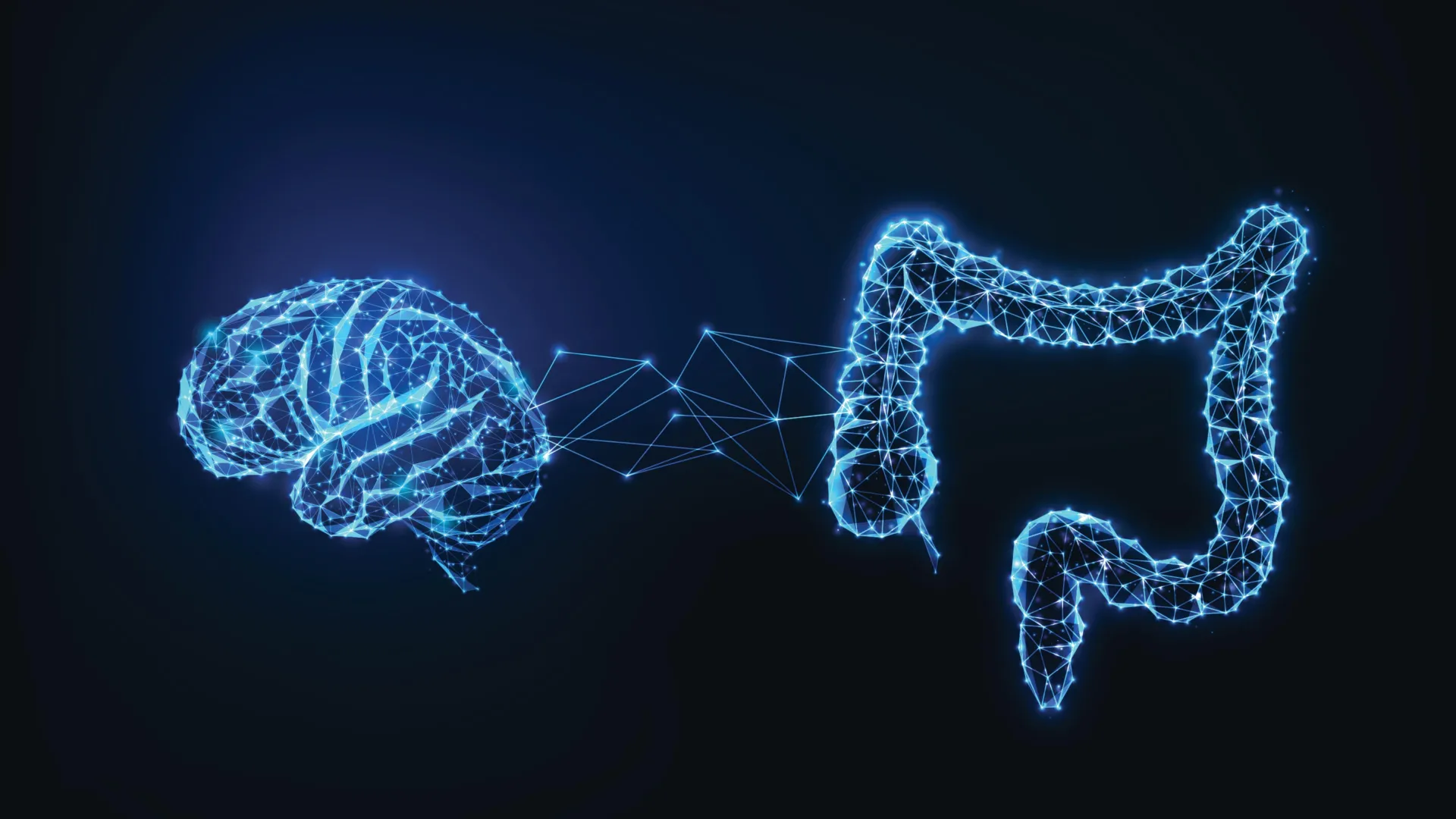
Researchers at Case Western Reserve University have unveiled a groundbreaking discovery that could fundamentally alter the medical community’s understanding and management of Amyotrophic Lateral Sclerosis (ALS) and Frontotemporal Dementia (FTD), two notoriously debilitating brain disorders. Their extensive investigation has pinpointed an unexpected yet critical factor in the progression of these diseases: the intricate world of gut bacteria. This novel research establishes a direct link between specific microbial byproducts in the digestive system and the neurodegeneration observed in ALS and FTD, offering not only an explanation for disease onset but also identifying tangible targets for therapeutic intervention.
Unraveling the Gut-Brain Axis in Neurodegeneration
The implications of this research, published in the esteemed journal Cell Reports, are profound. For decades, the precise mechanisms driving ALS and FTD have remained elusive, with scientists exploring a multifaceted array of potential contributors, including genetic predispositions, environmental exposures, past head trauma, and dietary habits. While these factors likely play a role, the Case Western Reserve study illuminates a crucial missing piece of the puzzle, revealing how the gut microbiome can act as a potent instigator of brain damage.
At the heart of this discovery lies the identification of a specific pathway where certain bacterial sugars, particularly inflammatory forms of glycogen, produced by harmful gut microbes, can trigger an immune cascade. This immune response, when misdirected, leads to the targeted destruction of brain cells, a hallmark of both ALS and FTD. This finding is particularly significant as it addresses a long-standing question about the variability in disease development, even among individuals carrying known genetic risk factors.
"We have identified a molecular mechanism where specific bacteria in the gut produce inflammatory forms of glycogen, a type of sugar," explained Dr. Aaron Burberry, assistant professor in the Department of Pathology at Case Western Reserve School of Medicine and a lead author on the study. "These bacterial sugars then trigger immune responses that ultimately lead to the death of brain cells. Crucially, we have also found ways to interrupt this destructive cycle."
The study analyzed a cohort of 23 patients diagnosed with ALS or FTD. The findings revealed a striking correlation: approximately 70% of these patients exhibited elevated levels of this harmful bacterial glycogen. In stark contrast, only about one-third of individuals without these neurological conditions displayed similar elevated levels, underscoring the distinct role of this microbial metabolite in disease pathology.
The Dual Threat of ALS and FTD
To fully appreciate the significance of this discovery, it is essential to understand the devastating impact of ALS and FTD on the brain. Frontotemporal Dementia (FTD) primarily affects the frontal and temporal lobes, regions responsible for personality, social behavior, language comprehension, and executive functions. This can manifest as profound changes in an individual’s character, inappropriate social conduct, difficulty with communication, and impaired decision-making.
Amyotrophic Lateral Sclerosis (ALS), often referred to as Lou Gehrig’s disease, targets the motor neurons – the nerve cells that control voluntary muscle movement. As these neurons progressively degenerate, individuals experience a relentless decline in muscle strength, leading to widespread weakness, difficulty swallowing and breathing, and ultimately, paralysis. The combination of cognitive and motor decline in some individuals with FTD and ALS overlap underscores the complexity of these disorders and the urgent need for comprehensive understanding.
A Novel Gut-Brain Mechanism Explains Disease Risk and Variability
The newly identified gut-brain mechanism offers a compelling explanation for why some individuals, particularly those with a genetic predisposition, develop ALS or FTD, while others with the same genetic mutations do not. This research suggests that the gut microbiome acts as an environmental trigger, modulating the expression of disease in genetically susceptible individuals.
This is especially relevant for carriers of the C9orf72 mutation, which is the most common genetic cause of both ALS and FTD. While a significant percentage of individuals carry this mutation, only a fraction will go on to develop the diseases. The Case Western Reserve study proposes that the presence of specific gut bacteria producing inflammatory glycogen can act as the critical environmental factor that ignites the disease process in these individuals.
Dr. Alex Rodriguez-Palacios, assistant professor in the Digestive Health Research Institute at the School of Medicine and another key figure in the research, highlighted the potential for intervention. "Our experimental work demonstrated that by reducing these harmful bacterial sugars, we were able to improve brain health and significantly extend lifespan in our models. This provides strong evidence for the therapeutic potential of targeting this pathway."
New Therapeutic Horizons and Biomarker Potential
The clinical relevance of these findings is immediate and far-reaching. By identifying harmful gut sugars as a direct driver of neurodegeneration, researchers now have novel targets for the development of innovative treatments. The study also points towards the potential for identifying new biomarkers. Elevated levels of these specific bacterial glycans could serve as an early indicator, allowing clinicians to identify patients at higher risk or those who would most likely benefit from therapies specifically designed to address gut health.
This discovery paves the way for novel therapeutic strategies. These could include interventions aimed at breaking down these damaging sugars directly within the digestive system, thereby mitigating their ability to trigger inflammatory responses in the brain. Furthermore, the research supports the development of drugs that specifically target the intricate communication network between the gut and the brain, offering a glimmer of hope for slowing or even preventing the progression of these devastating diseases.
Advanced Research Methodologies Enable Breakthrough
The scientific rigor and innovative nature of the research were critical to achieving this breakthrough. The study leveraged advanced laboratory methodologies housed within Case Western Reserve’s Department of Pathology and Digestive Health Research Institute. A cornerstone of their approach involved the use of germ-free mouse models. These animals are raised in entirely sterile environments, devoid of any microbial presence. This unique methodology allows researchers to precisely control and introduce specific bacteria or microbial products, enabling them to isolate and study the direct effects of these elements on disease development without confounding factors.
This pioneering work is part of a larger program led by Dr. Fabio Cominelli, Distinguished University Professor and director of the Digestive Health Research Institute. The research was significantly enabled by an innovative "cage-in-cage" sterile housing system, a rare and sophisticated capability developed by Dr. Rodriguez-Palacios. This advanced system allows for large-scale microbiome studies, a feat that traditional research methods often limit to a small number of animals. This scalability was instrumental in investigating the complex communication pathways between the gut and the brain.
Future Directions and Potential Clinical Trials
The research team is already charting the course for the next phase of their investigation. "To gain a comprehensive understanding of when and why harmful microbial glycogen is produced, we will be conducting larger-scale studies that survey the gut microbiome communities in ALS/FTD patients both before and after the onset of their disease," stated Dr. Burberry.
The implications for human health are substantial. Based on these findings, the researchers are optimistic about the prospect of clinical trials. "Our results strongly support the initiation of clinical trials to determine whether targeting and degrading glycogen in ALS/FTD patients could effectively slow disease progression," Dr. Burberry added. "We anticipate that such trials could commence within the next year."
The potential impact of this research extends beyond the immediate therapeutic applications. It underscores the growing recognition of the microbiome’s profound influence on overall health and its intricate connection to neurological well-being. As our understanding of the gut-brain axis continues to deepen, the Case Western Reserve study represents a significant leap forward, offering tangible hope to patients and families affected by ALS and FTD, and illuminating a new frontier in the fight against neurodegenerative diseases. The scientific community will be closely watching as these promising findings translate from the laboratory to potential clinical applications.
