
A groundbreaking analysis has revealed that the world’s leading financial institutions are collectively channeling a staggering $159 billion in lending and bond financing to 15 of the largest methane-emitting food companies. This substantial financial backing comes despite methane’s potent role as a greenhouse gas and its significant contribution to climate change, raising serious questions about the banking sector’s commitment to environmental sustainability. The report, titled "The Silence of the Loans," published by the think tank Planet Tracker, highlights a critical disconnect between financial flows and urgent climate action, particularly concerning methane emissions from the agricultural sector.
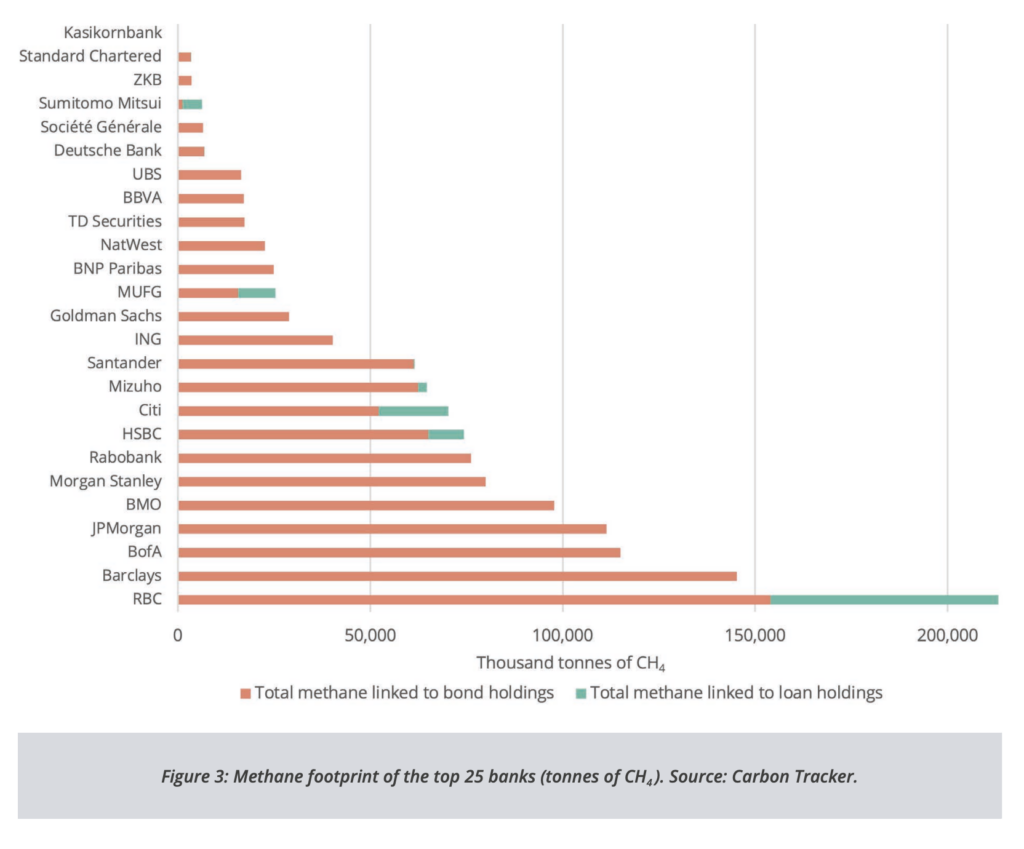
The analysis identifies Royal Bank of Canada, Barclays, and Bank of America as having the most significant associated methane footprints within the banking sector. This places them at the forefront of what critics are calling a failure to adequately address one of the most immediate and potent threats to the planet and its vital farming systems. These 15 companies, primarily involved in meat, dairy, and rice production, are collectively responsible for approximately 1.3 million tonnes of methane annually. The report underscores that agriculture as a whole is a major contributor to methane emissions, accounting for around 40% of the total, a figure that surpasses even that of fossil fuels.
"Agriculture produces around 40% of methane emissions – more than fossil fuels," stated Ailish Layden, the report’s author. "Banks should use their leverage to reduce these emissions by restricting or withdrawing finance from companies that fail to act." This statement directly challenges the financial industry’s role in perpetuating industries with significant environmental impacts, urging them to adopt a more proactive stance.
The Pervasive Threat of Methane and Agricultural Emissions
Methane (CH4) is a potent greenhouse gas with a disproportionately high impact on global warming in the short term. Over a 20-year period, its warming potential is approximately 86 times greater than that of carbon dioxide (CO2). This short-lived but intensely powerful gas is a primary driver of ground-level ozone formation, which is directly linked to millions of premature deaths annually due to respiratory and other health issues. The urgency of addressing methane emissions is amplified by recent trends; global methane emissions have been rising faster than ever before, with an increase of up to 20% observed between 2000 and 2020. Projections indicate that without significant intervention, human-caused methane emissions could rise by an additional 13% between 2020 and 2030, pushing the world further away from the crucial 1.5°C warming limit.
The agricultural sector stands out as the largest generator of methane emissions. Specifically, the production of meat and dairy products alone accounts for a substantial 31% of all human-caused methane. Rice cultivation contributes an additional 9% to this total. These figures emphasize the critical need for financial institutions to scrutinize their investments in these particular agricultural sub-sectors.
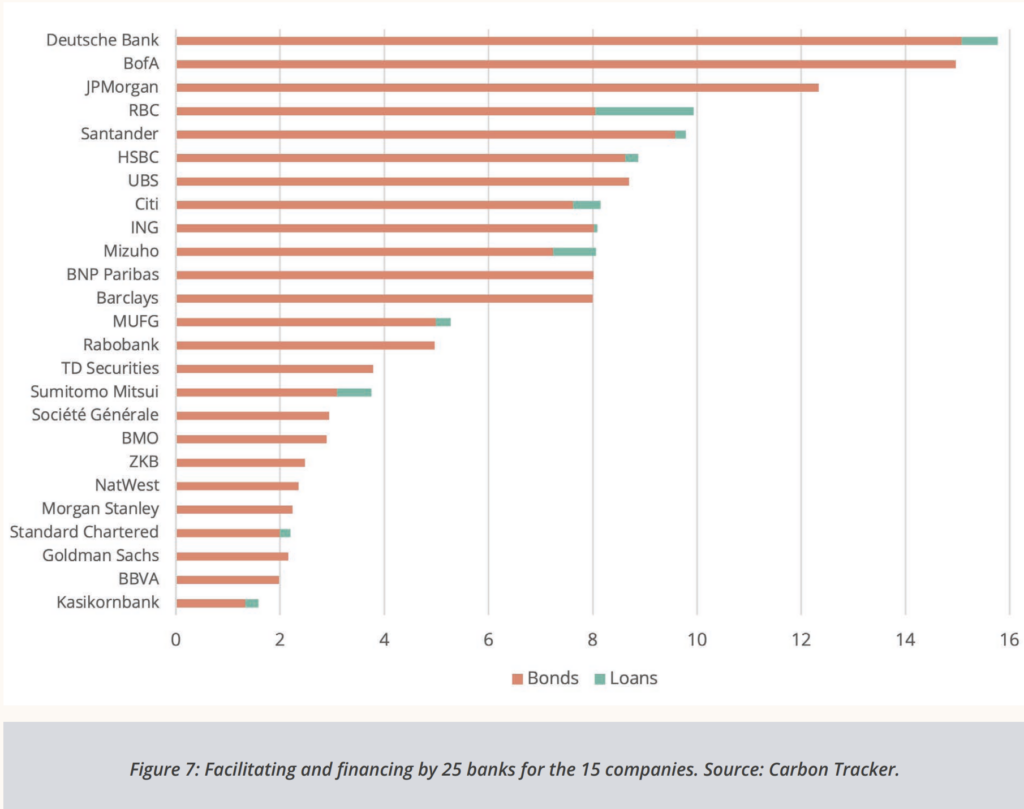
Banks typically provide financing to such industries through two primary mechanisms: direct lending, which appears on their balance sheets as loans, and facilitating finance by arranging bond issuances or syndicating loans. The Planet Tracker report highlights a critical loophole: most banks’ sustainability targets primarily focus on financed emissions rather than facilitated ones. Since facilitated finance does not require a direct balance sheet commitment, it often involves significantly larger volumes. The analysis reveals that a striking 96% of the debt finance provided to the top 15 agrifood emitters in the study is in the form of bonds. This structure allows banks to arrange substantial debt for polluting companies without triggering their own financed emissions disclosure requirements, creating a significant blind spot in their sustainability reporting and climate commitments.
Financial and Reputational Risks for Banks
The failure of banks to adequately address methane emissions from their portfolio companies exposes them to a range of significant risks. Climate change is already disrupting global agricultural systems, creating inherent financial vulnerabilities for food companies. These disruptions can manifest as reduced revenues, compressed margins, declining profits, and volatile working capital needs, all of which can strain liquidity and lead to credit rating downgrades for borrowers.
In the medium term, financial markets are expected to increasingly differentiate between companies based on their transition strategies. Investors are likely to apply higher risk premiums to companies with methane-intensive supply chains that lack measurable reduction plans. This could translate into increased capital costs and restricted access to debt markets for these entities, impacting their ability to operate and grow.
Beyond direct financial impacts, banks face mounting regulatory and reputational risks. Incomplete disclosure, particularly when facilitated emissions are excluded from reporting, can lead to compliance issues if stakeholders perceive a significant gap between a bank’s stated climate commitments and its actual market activities. Planet Tracker emphasizes that reputational risks can act as a powerful amplifier, accelerating market repricing when the underlying resilience of companies and their financial backers is already in doubt. This can lead to a loss of investor confidence and damage a bank’s brand and market position.
A Timeline of Financial Flows and Missed Opportunities
While the specific timelines for individual financing deals are not detailed in the report, the cumulative analysis points to a sustained flow of capital to methane-intensive agricultural businesses over an extended period. The report’s methodology involved identifying the largest methane emitters in the food processing sector and then tracing the bond and loan information available for these companies. This process likely involved reviewing financial data and disclosures spanning several years, indicating that the $159 billion in financing is not a recent development but rather an ongoing financial commitment.
The report builds upon previous research by Planet Tracker on 52 large methane emitters in the food processing sector, which collectively account for 12% of all agrifood methane emissions. The current study narrows the focus to 15 specific meat, dairy, and rice producers for which detailed bond and loan data was accessible. These 15 companies represent a significant portion, 57%, of the total emissions from the previously assessed group, underscoring their outsized impact.
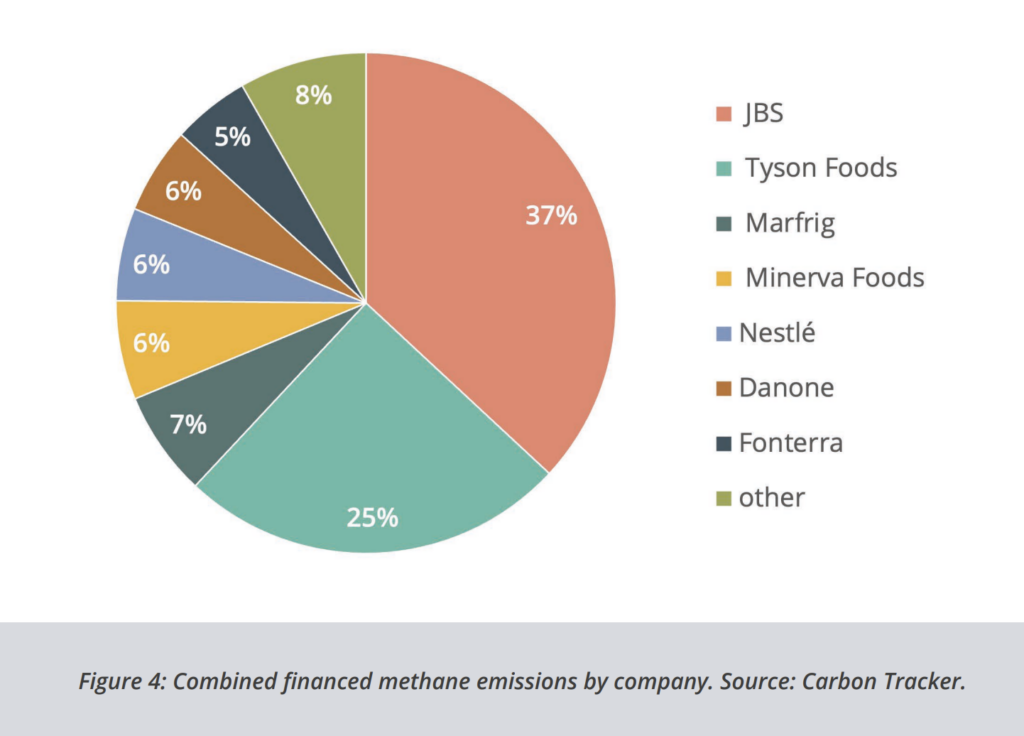
JBS and Tyson Foods emerge as the largest recipients of financed methane emissions within the scope of this report, accounting for 37% and 25% of the total, respectively. Notably, 23 out of the 25 banks analyzed invest in Tyson Foods, with combined investments totaling $6.4 billion. Deutsche Bank is identified as having the largest share of financed emissions among the banks themselves, with $15.8 billion. Intriguingly, Deutsche Bank is also highlighted as the only institution among the analyzed banks with a policy to withdraw funding from companies unwilling or unable to transition away from emissions-intensive activities. This singular stance positions it as a potential outlier and a model for future banking practices.
A stark observation from the report is the disparity in sustainability targets. All 25 banks have established targets for reducing greenhouse gas emissions from the energy sector. However, only two – Barclays and Rabobank – have set such goals for agriculture. Furthermore, none of the banks have explicit methane targets. Rabobank has a commitment to "significantly reduce" methane emissions by 2050, but this lacks a specified quantitative reduction figure, leaving its actual impact uncertain. This lack of specific methane targets across the sector suggests a significant gap in how financial institutions are prioritizing and addressing this potent greenhouse gas.
Pathways to Methane Reduction: Recommendations for Banks
In light of these findings, Planet Tracker has put forth a comprehensive set of recommendations aimed at enabling the banking sector to effectively tackle methane emissions. The core of these recommendations lies in the explicit recognition of methane as a tangible financial risk, acknowledging its role as a significant driver of climate change and a potential systemic risk to financial markets. The report identifies meat, dairy, and rice production as priority areas requiring immediate attention.
A key recommendation is for banks to establish quantitative targets that actively incentivize their financed clients to achieve absolute methane reductions. These targets should be aligned with the goals of the Global Methane Pledge, which aims to lower methane emissions by 30% by the end of the current decade. Such concrete targets would provide a clear roadmap for both banks and their clients, fostering accountability and driving measurable progress.
Furthermore, the report urges banks to incorporate their clients’ Scope 3 emissions into their own Scope 3 reporting. This would involve requiring methane-intensive clients to disclose their upstream emissions and to present time-bound methane abatement strategies. Integrating methane risks into credit assessments and utilizing sustainability-linked loan Key Performance Indicators (KPIs) specifically tied to methane reduction targets are also proposed as crucial steps.
Planet Tracker also advocates for banks to take a more decisive stance by restricting new financing for companies that lack credible transition pathways. Moreover, they are urged to pledge to divest from businesses that are unwilling or unable to transition away from methane-intensive activities. This proactive approach, including strategic divestment, signals a clear commitment to aligning financial practices with climate imperatives and can exert significant pressure on companies to adopt more sustainable practices.
The implications of these findings extend beyond the financial sector and the agricultural industry. They highlight a broader challenge in global finance: the need for greater transparency, accountability, and alignment of financial flows with planetary boundaries. As climate risks become increasingly apparent and material, financial institutions that fail to adapt and integrate robust environmental considerations into their core strategies risk not only reputational damage but also significant financial losses. The "Silence of the Loans" report serves as a critical wake-up call, demanding a more responsible and proactive approach from the world’s largest banks in addressing the urgent threat of methane emissions.
