
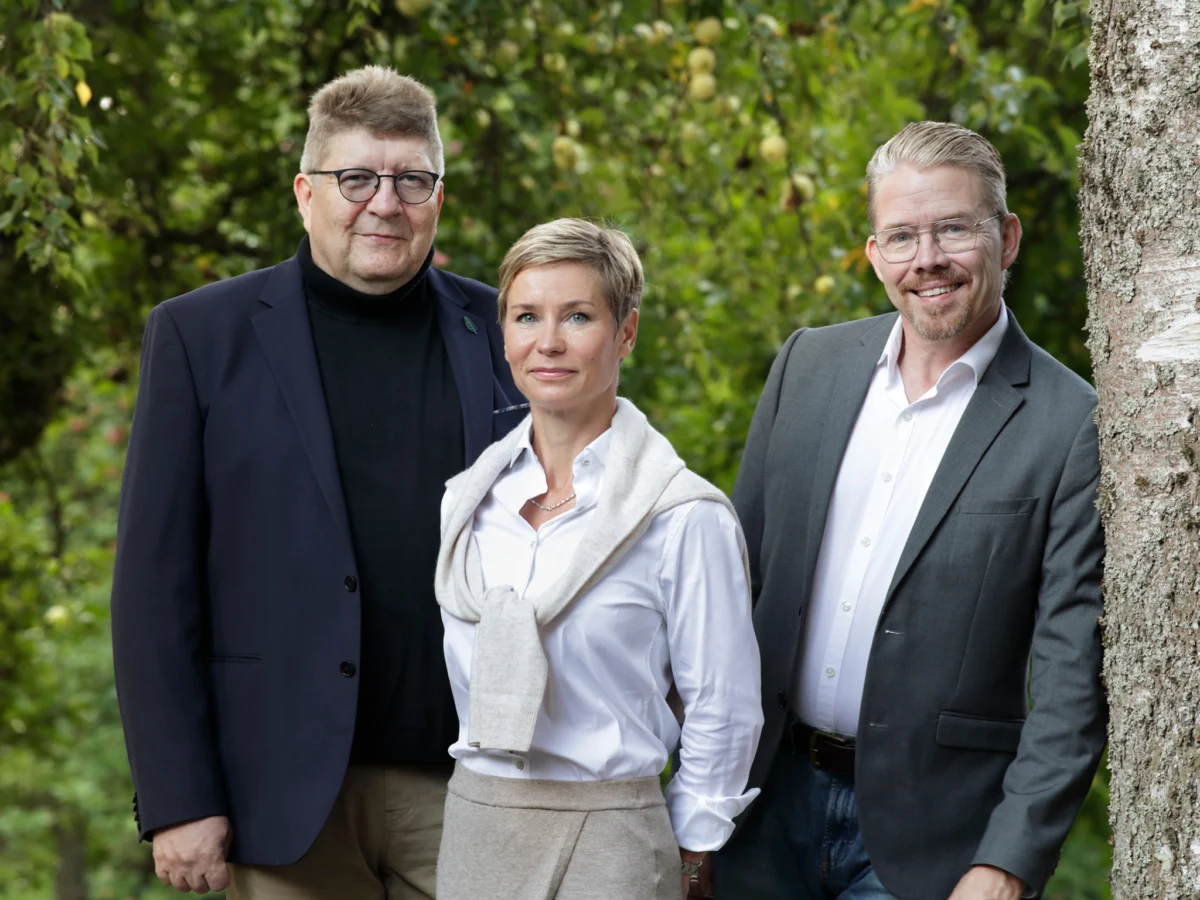
Helsinki-based food technology innovator Happy Plant Protein is set to revolutionize the European plant-based protein landscape with the construction of a groundbreaking facility in Latvia. This pioneering plant, slated to be the first of its kind in both Latvia and the wider European Union, will utilize the company’s proprietary dry extrusion technology to transform locally sourced crops into high-value protein ingredients. The initiative represents a significant stride towards making plant protein production more accessible, localized, and economically beneficial for agricultural producers.
The strategic decision to establish the facility in Latvia is driven by the region’s robust agricultural sector and its potential to supply a consistent stream of high-quality raw materials. Happy Plant Protein’s innovative approach bypasses traditional, capital-intensive methods for producing plant protein isolates, which can require investments upwards of €150 million ($175 million). In contrast, this new venture represents a "greenfield investment" of approximately €6 million ($7 million), demonstrating a more cost-effective and scalable model for the industry. The project is partially financed by the European Union, underscoring its alignment with regional development goals and commitment to sustainable food systems.
Construction of the state-of-the-art facility is expected to take approximately one year, with Happy Plant Protein anticipating the commencement of production in early 2027. Upon full operational capacity, the plant will have the capability to produce an estimated 5,000 tonnes of protein ingredients annually. This substantial output is poised to cater to a growing European demand for plant-based alternatives and blended protein products.
The ambitious project is being realized through a close collaboration with Agrofirma Lobe, a prominent agricultural entity that has not only invested in the venture but will also establish a dedicated entity to manage its operations. Raivo Dzilna, Chairman of Agrofirma Lobe, articulated the shared vision: "Our ambition is to make plant protein production more accessible and more local, ensuring that more value remains closer to the raw material producers." This sentiment highlights a core objective of the initiative: to empower farmers and agricultural cooperatives by enabling them to capture greater value from their harvests.
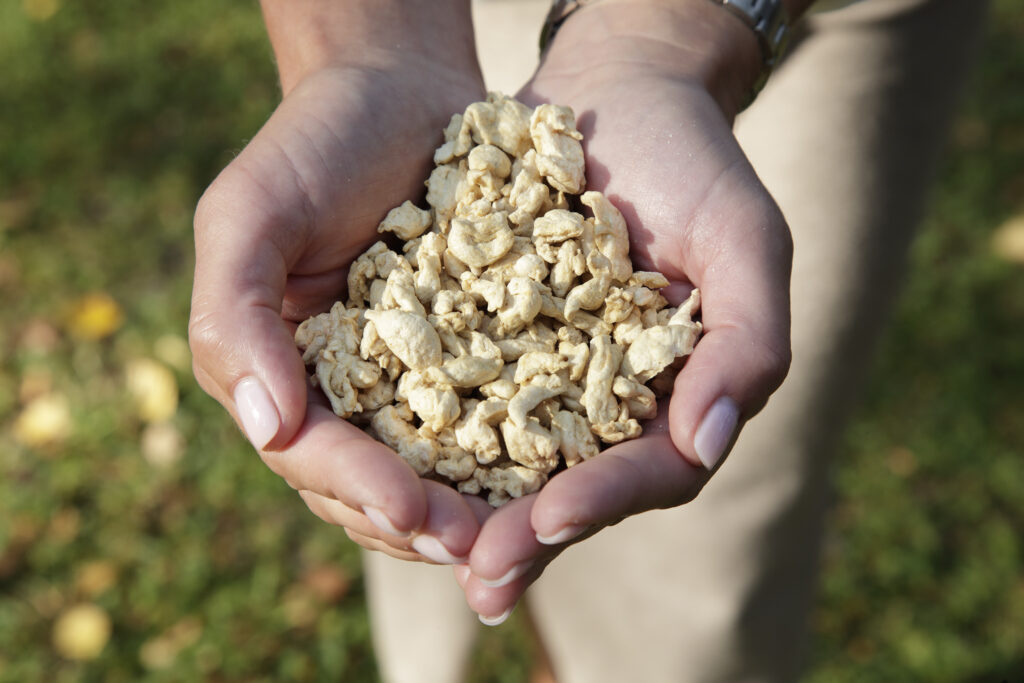
Happy Plant Protein’s patented extrusion technology, developed as a spinout from the VTT Technical Research Centre of Finland in 2024, is central to this transformative project. The technology addresses some of the persistent challenges in the plant protein sector, namely the off-flavors and textural limitations often associated with traditional isolates. The company’s unique one-step dry extrusion process converts legume flour directly into textured protein under controlled heat and pressure. This method requires minimal water and energy, and crucially, avoids the use of isolates, harsh chemicals, or the generation of significant waste streams.
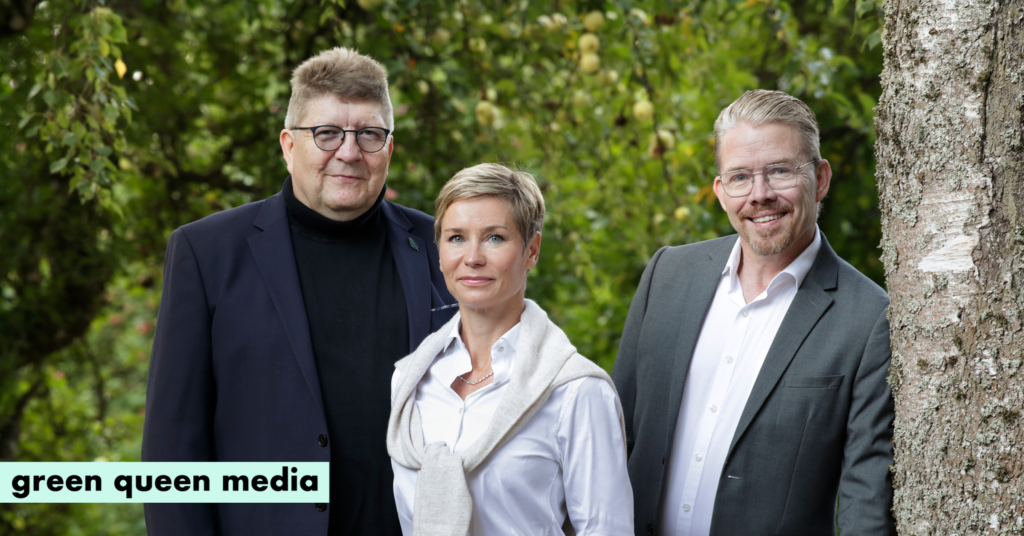
The versatility of Happy Plant Protein’s technology is a key differentiator. It is compatible with a wide array of legumes and cereals, allowing for diverse protein ingredient profiles. Furthermore, the extrusion process itself allows for precise control over the texture, bite, and functionality of the final protein product. Manufacturers can thus tailor ingredients to meet specific product requirements, ranging from firm, meat-like structures for plant-based meats to softer, more porous formats for other food applications. This adaptability is expected to accelerate innovation in the plant-based food sector, enabling the development of a new generation of palatable and nutritious food products.
The Latvia facility will leverage this technology to process crops such as fava beans, oats, and peas, with a primary focus on utilizing raw materials sourced from Latvia and the broader Baltic region. The resulting high-quality protein ingredients will then be supplied to customers across Europe, establishing a robust and resilient supply chain that originates from local agricultural production.
Happy Plant Protein will be licensing its extrusion technology to the new entity, focusing on optimizing raw material selection and processing parameters to ensure consistent, high-quality output. Agrofirma Lobe, meanwhile, will spearhead the investment and oversee the day-to-day operations of the facility, integrating Happy Plant Protein’s advanced system into their agricultural value chain.
Jari Karlsson, co-founder and CEO of Happy Plant Protein, emphasized the significance of this industrial-scale deployment: "This is a significant milestone for us, demonstrating that our technology works at industrial scale and creates value directly at the level of primary production. Its greatest advantage is simplicity." This simplicity, coupled with the direct valorization of agricultural output, positions the company as a potential game-changer in the global protein market.
A New Era for Farmers and Regional Protein Self-Sufficiency
The establishment of the Latvia facility is being hailed as a "significant step" towards bringing protein production closer to the agricultural heartlands of the Baltic region. It marks the first instance of industrial-scale plant protein manufacturing in Latvia, promising to unlock new revenue streams for local farmers and strengthen regional food security.
Happy Plant Protein’s model champions shorter, more resilient supply chains, a critical advantage in an era of increasing global supply chain volatility. By empowering farmers to move beyond the role of raw material suppliers to become producers of higher-value food ingredients, the initiative directly contributes to strengthening local economies and fostering greater self-sufficiency in protein production.
"By enabling protein production directly from locally grown crops, we help agricultural producers move up the value chain – from low-margin raw materials to higher-value food ingredients," explained Dzilna. "This creates new revenue opportunities for farmers while also strengthening regional protein self-sufficiency and reducing reliance on imported protein ingredients." This strategic shift has the potential to rebalance the agricultural economy, offering farmers greater financial stability and a more direct connection to the end consumer market.
Karlsson further elaborated on the economic and environmental benefits: "We produce textured vegetable protein directly from flour in a one-step process, making it both cost-efficient and sustainable. This opens up new opportunities for mills, farms, and co-operatives." The streamlined production process not only reduces operational costs but also minimizes the environmental footprint associated with food ingredient manufacturing.
The end product, textured vegetable protein (TVP), is a versatile ingredient that plays a crucial role in the development of new food products. "The end product, TVP, is a key ingredient for food industry R&D, enabling the development of new, delicious, and healthier plant-based and hybrid food products for consumers," noted Karlsson. This innovation directly supports the growing consumer trend towards healthier and more sustainable food choices, providing the building blocks for a new generation of culinary creations.
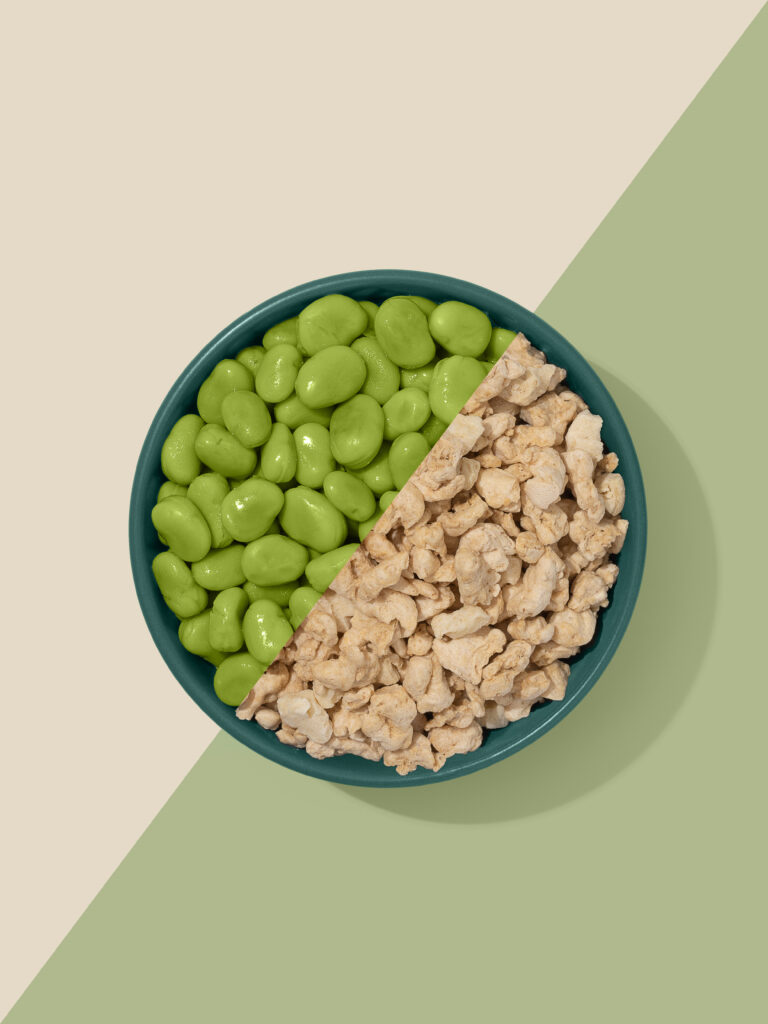
Last year, Happy Plant Protein garnered attention for its innovative TVP offering derived from fava beans. This product, boasting an impressive 61 grams of protein and 9 grams of fiber per 100 grams, demonstrates the company’s ability to create nutrient-dense ingredients with broad application. Its textural properties make it an ideal component for enhancing the structure and overall composition of vegan meat alternatives, blended protein products, ready meals, snacks, and various other food items. The Latvia facility will scale up the production of such high-quality ingredients, meeting the increasing demand from food manufacturers seeking to innovate and expand their plant-based portfolios.
Technological Innovation and Market Impact
The dry extrusion technology employed by Happy Plant Protein is a significant advancement over traditional wet extrusion methods or the production of protein isolates. Isolates, while concentrated, often undergo extensive processing involving chemicals, leading to a higher environmental impact and potentially altering the natural composition of the plant proteins. Dry extrusion, conversely, is a more mechanical and less chemically intensive process.
The "one-step" nature of the process is particularly noteworthy. It means that the raw material, such as legume flour, is directly transformed into a textured protein product without the intermediate steps of isolation or significant water usage. This reduces processing time, energy consumption, and the overall complexity of the manufacturing line. The ability to control texture and functionality directly within the extrusion parameters allows for a high degree of customization, a critical factor for food manufacturers aiming to differentiate their products in a competitive market.
The financial viability of Happy Plant Protein’s approach is a major draw. The significantly lower capital expenditure required for their facilities compared to traditional isolate plants makes it more accessible for new entrants and for expansion into regions where large-scale investment might otherwise be prohibitive. This decentralization of protein production capability could lead to a more distributed and resilient food system, less dependent on a few large processing hubs.
The collaboration with Agrofirma Lobe is a strategic masterstroke, integrating the technological expertise of Happy Plant Protein with the agricultural know-how and land access of a major farming entity. This partnership model could serve as a blueprint for other similar ventures, fostering closer ties between agricultural producers and food ingredient manufacturers. The establishment of a dedicated entity for the Latvian operation signifies a long-term commitment and a structured approach to scaling the business.
The implications of this development extend beyond the immediate economic benefits. It positions Latvia and the Baltic region as a potential hub for innovative food ingredient production, attracting further investment and expertise in the agri-food sector. By demonstrating the viability of decentralized, crop-based protein processing, Happy Plant Protein is paving the way for similar initiatives across Europe, contributing to a more sustainable and localized food economy.
The European Union’s support for this project highlights a broader policy direction towards strengthening domestic food production, promoting sustainable agriculture, and fostering innovation in the food sector. As the demand for plant-based proteins continues to surge, driven by consumer preferences, environmental concerns, and the pursuit of healthier diets, the kind of scalable and efficient production model pioneered by Happy Plant Protein will be crucial in meeting these evolving needs. The company’s success in Latvia could indeed herald a new chapter in the European plant protein industry, one characterized by greater localization, sustainability, and farmer empowerment.
