
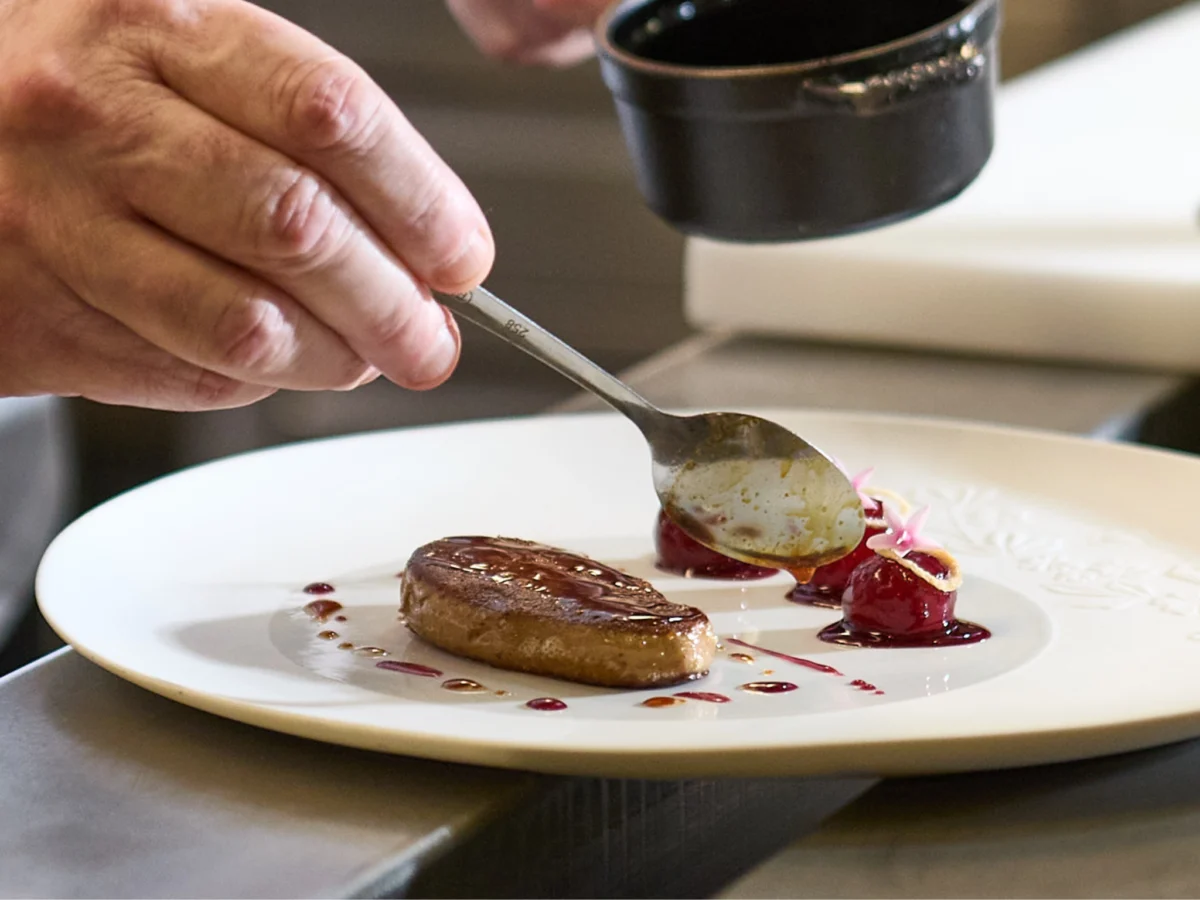
Parisian cultivated meat innovator Parima, the parent company of Gourmey and Vital Meat, has achieved a significant regulatory milestone with the Singapore Food Agency’s (SFA) approval for its cultivated duck. This marks the second species clearance for the company in Singapore within a six-month period, positioning it as the first cultivated meat firm to gain regulatory green light for two distinct animal species in the city-state. The approval follows an earlier endorsement for its cultivated chicken, initially filed by Vital Meat before its merger with Gourmey to form Parima. The successful application for duck, submitted by Gourmey in early 2024, designates it as the fourth cultivated meat product to receive SFA authorization for sale, underscoring Singapore’s continued leadership in fostering the novel food sector.
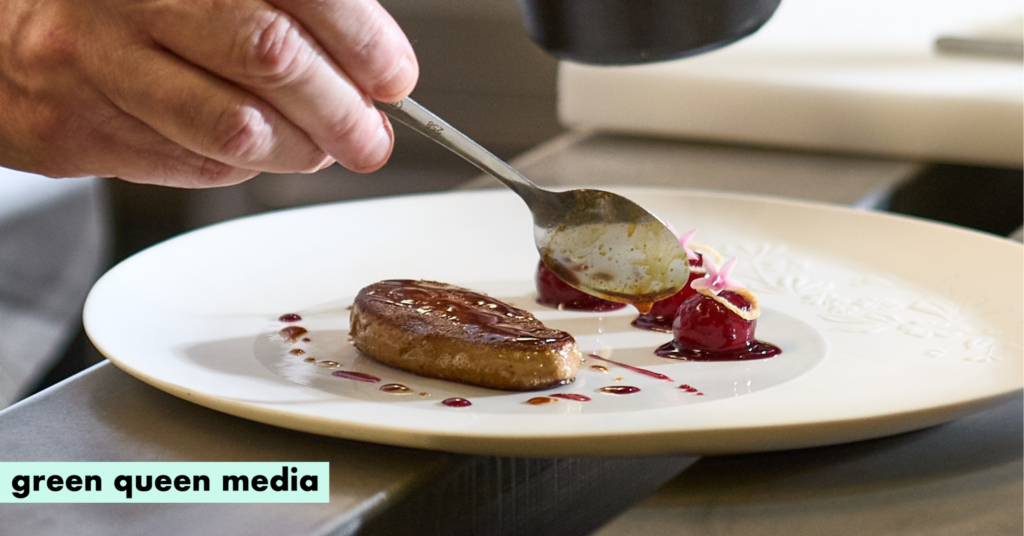
This dual approval signifies a pivotal moment for Parima, enabling a strategic shift towards commercial launch for both its cultivated chicken and duck products. Nicolas Morin-Forest, CEO of Parima and co-founder of Gourmey, articulated the company’s go-to-market strategy: "With duck now approved in Singapore, we are entering a new phase focused on commercial launch across both products. Our strategy follows the path that has proven effective for food innovation: start with high-end gastronomy, where Gourmey’s cultivated duck has already earned the endorsement of Michelin-starred chefs and strong interest from leading global meat distributors." He further elaborated on the initial market entry: "The first step is to launch in Singapore through premium culinary channels. Starting with haute cuisine acts as a catalyst for our future product launches, with chefs serving as the best ambassadors to introduce new product categories to consumers." This targeted approach aims to build brand awareness and consumer acceptance within a discerning market segment before broader retail expansion.
Parima’s Path to Scalable and Affordable Cultivated Meat Production
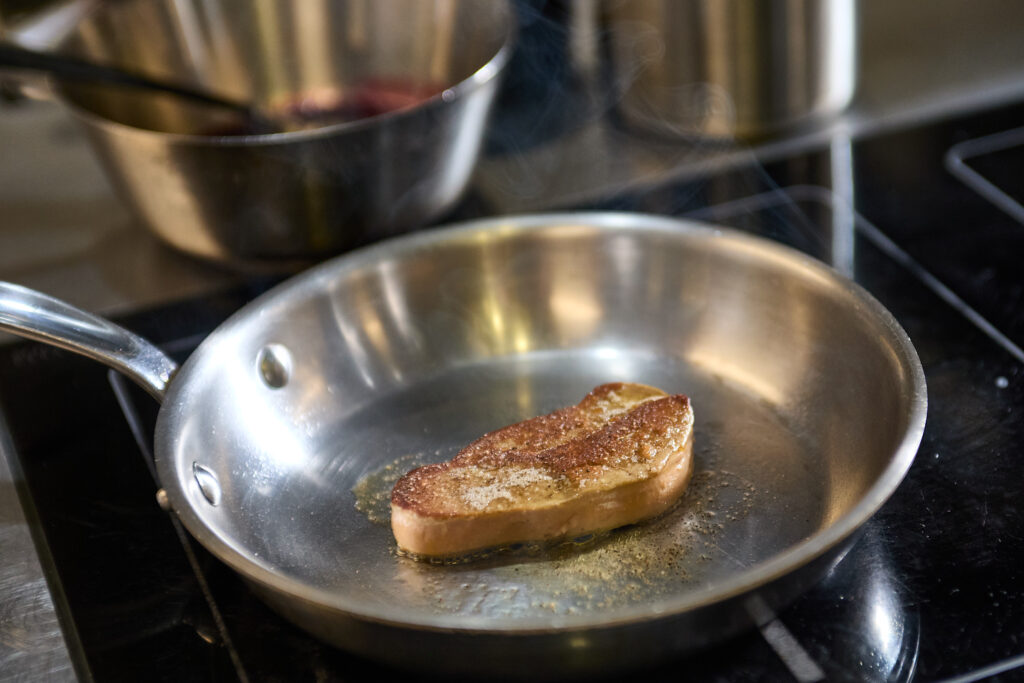
Parima’s technological approach is central to its ambition of achieving cost-effective cultivated meat at scale. The company leverages "high-performing cell lines" that are engineered for efficient growth within large industrial bioreactors. A key differentiator of Parima’s process is its avoidance of genetic engineering or modification of these cell lines, as well as the elimination of the need for scaffolding materials typically used to structure cultivated meat products. This simplified methodology is designed to enhance scalability and reduce production complexity.
The cells are grown in a free suspension culture, immersed in a food-grade nutrient medium. This medium is meticulously designed to ensure product stability, cost-effectiveness, and compliance with global novel food regulations. To further optimize its production processes, Parima announced a strategic partnership with AI specialist DeepLife in the preceding year. This collaboration focuses on developing a sophisticated "avian digital twin" to fine-tune and enhance the efficiency of its cultivated meat production.
Parima’s operational infrastructure includes an innovation center and a pilot facility situated in central Paris, equipped with multiple 400-liter bioreactors. Complementing this is a pilot plant near Nantes, featuring larger 2,000-liter bioreactors that operate on a daily basis. The company has also invested in a dedicated setup with a 5,000-liter fermenter. Preliminary analyses suggest that utilizing such large-scale fermenters could potentially drive production costs down to as low as $3.43 per pound, a critical benchmark for widespread market adoption.
Morin-Forest emphasized Parima’s vision for decentralized manufacturing: "We produce in France and have designed our production process for decentralized manufacturing with partners across key markets, including Asia-Pacific. Because our cells grow in suspension in standard industrial bioreactors, the process can be deployed in partner infrastructure without rebuilding anything from scratch." This flexible manufacturing model is crucial for global expansion.
The company’s ultimate goal is to achieve price parity with conventional meat. "We are working towards making cultivated meat viable at high volume, and based on where our development stands today, we are more confident than ever that below $5/kg is achievable," Morin-Forest stated. He elaborated that while this price point is not a prerequisite for building a business in the premium segment, it is essential for achieving "real scale and worldwide impact."
Parima attributes its cost-reduction strategy to specific technological choices made from the outset. "Approaches built on complex cell differentiation, tissue engineering, scaffolding, or expensive growth factors carry cost structures that don’t resolve with volume," Morin-Forest explained. "From the start, we made the choices that make those costs avoidable: suspension culture, no scaffolding, no cell differentiation, low-cost food-grade cell feed, standard industrial bioreactors. Paradoxically, building a scalable platform on such a simple architecture is incredibly hard to get right. We’ve done it across chicken and duck already, with more species in the pipeline." This focus on fundamental, scalable principles is key to their long-term vision.
Singapore’s Evolving Novel Food Landscape and Parima’s Role
The SFA’s approval of Parima’s cultivated duck product is a significant development for Singapore’s position as a global leader in the novel food sector. The approval validates the robustness and safety of Parima’s production process and confirms its viability across multiple animal species, meeting all stringent novel food requirements.
Singapore made history in December 2020 by becoming the first nation to grant regulatory approval for the sale of cultivated meat, with Eat Just’s Good Meat chicken nuggets receiving the green light. This was followed by the approval of Vow’s cultivated quail in 2024, which has since been featured in various culinary formats across the island’s restaurant scene. More recently, in the past year, the SFA also cleared Friends & Family Pet Food Company for cell-cultured Kampung bird treats for pets, demonstrating the diverse applications of this emerging technology.
However, the journey for cultivated meat in Singapore has not been without its challenges. Several cultivated meat startups have encountered financial and scale-up hurdles, leading to a recalibration of the country’s focus on alternative proteins. Environment Minister Grace Fu acknowledged that cultivated meat is "no longer part of Singapore’s food strategy" due to "higher production costs and weaker-than-expected consumer acceptance globally." The nation is now prioritizing research and development to enhance the sector’s competitiveness and mainstream appeal. Approvals like Parima’s are seen as crucial stepping stones in achieving this objective.
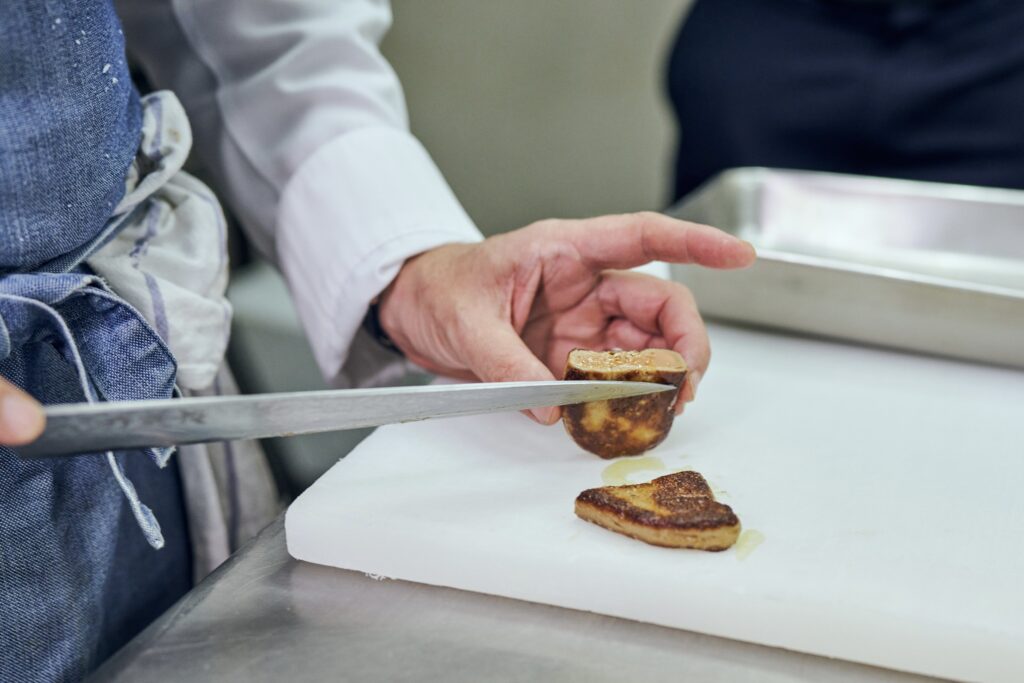
Parima’s commercialization strategy in Singapore is bifurcated, initially targeting the high-end gastronomy sector before a planned expansion into targeted retail offerings. "Parima is attracting interest not only from premium distributors, but also from major agrifood groups for its protein portfolio," stated Morin-Forest. He further elaborated on the versatility of their products: "Our multi-species approach enables Parima to serve both premium and high-volume markets. Our cultivated chicken is a very versatile ingredient and particularly well-suited for retail launches as we scale production." This strategic diversification suggests a long-term vision that extends beyond niche markets.
Parima’s Global Regulatory Ambitions and Future Outlook
While Singapore represents a key market for Parima, its commercialization strategy is decidedly global. The company is actively pursuing regulatory approvals in seven jurisdictions worldwide. These include ongoing filings in the European Union and the United Kingdom, where its dossiers are reported to be the most advanced. Additionally, Parima has submitted applications in Switzerland, the United States, Australia and New Zealand, and another undisclosed country.
"In all of these markets, we are committed to a continued and constructive dialogue with regulators to ensure cultivated proteins reach consumers at the highest standards of safety and transparency," Morin-Forest affirmed. This proactive engagement with regulatory bodies is critical for navigating the complex and evolving landscape of novel food approvals.
In the UK, Parima’s cultivated duck and chicken dossiers have reached the crucial risk assessment stage within the Food Standards Agency’s (FSA) cultivated meat regulatory sandbox. This collaborative initiative brings together businesses and regulatory experts to expedite the approval process for novel foods in the UK. According to reports from The Times, the FSA aims to complete its safety evaluations for cultivated meat by February 2027, with subsequent ministerial approval required before market entry. Given the advanced stage of Parima’s duck dossier, the company could potentially launch in the UK within the next 12 months, positioning it as an early mover in the British market.
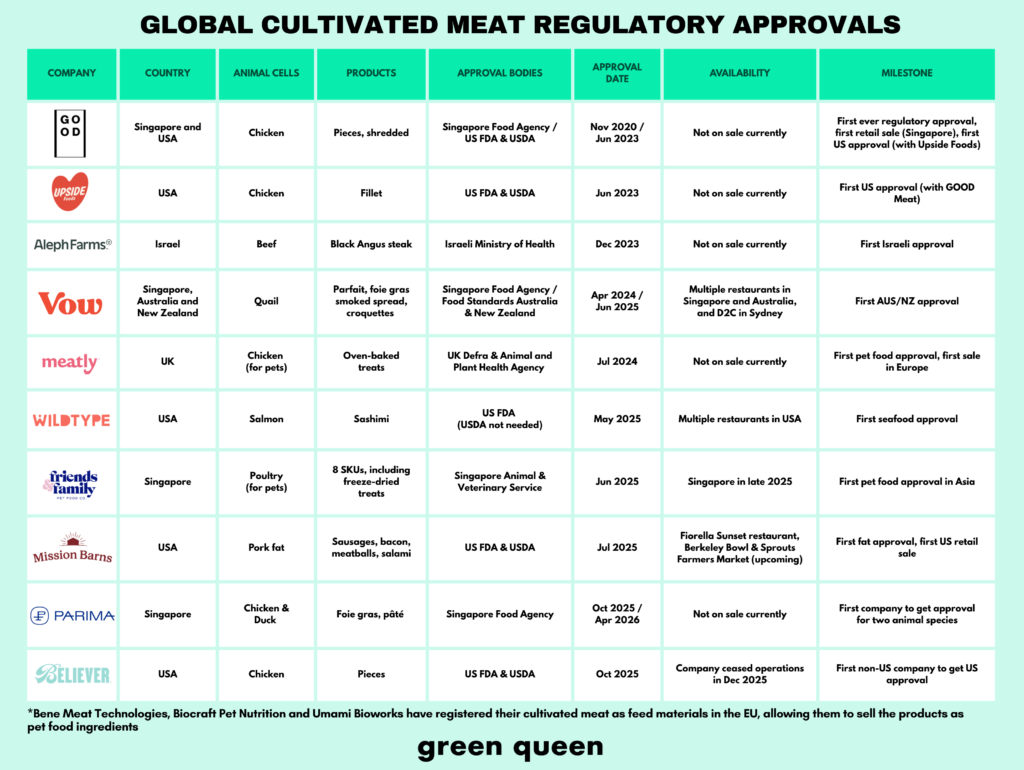
In parallel, Food Standards Australia and New Zealand (FSANZ) officially accepted Parima’s regulatory dossier for cultivated duck in October. The assessment is being conducted under FSANZ’s General (Level 5) Procedure, a streamlined process designed to reduce both the costs and timeline for approval compared to its Major Procedure. FSANZ has projected August 2026 as a potential clearance date for Parima’s cultivated duck in the Australian and New Zealand markets.
Parima’s advancements are occurring within a broader context of increasing global momentum for cultivated meat. The past year has witnessed a surge in approvals, including Vow’s clearance from FSANZ in 2025, and endorsements for Wildtype, Mission Barns, and Believer Meats in the United States. While Believer Meats faced subsequent financial difficulties, these approvals collectively signal a growing international acceptance of the technology. In the US, Eat Just and Upside Foods were pioneers in commercializing cultivated meat in 2023, with Upside Foods now seeking approval for its second cultivated chicken product this year.
Parima’s strategic focus on a scalable, cost-efficient production model, combined with a proactive global regulatory strategy, positions it as a key player in the future of food. The dual Singapore approval serves as a strong testament to its technological capabilities and its potential to contribute significantly to the global transition towards more sustainable and ethical protein sources. The company’s ability to navigate diverse regulatory environments and its commitment to transparency and safety will be crucial as it aims to bring its innovative cultivated meat products to a wider international audience.
