
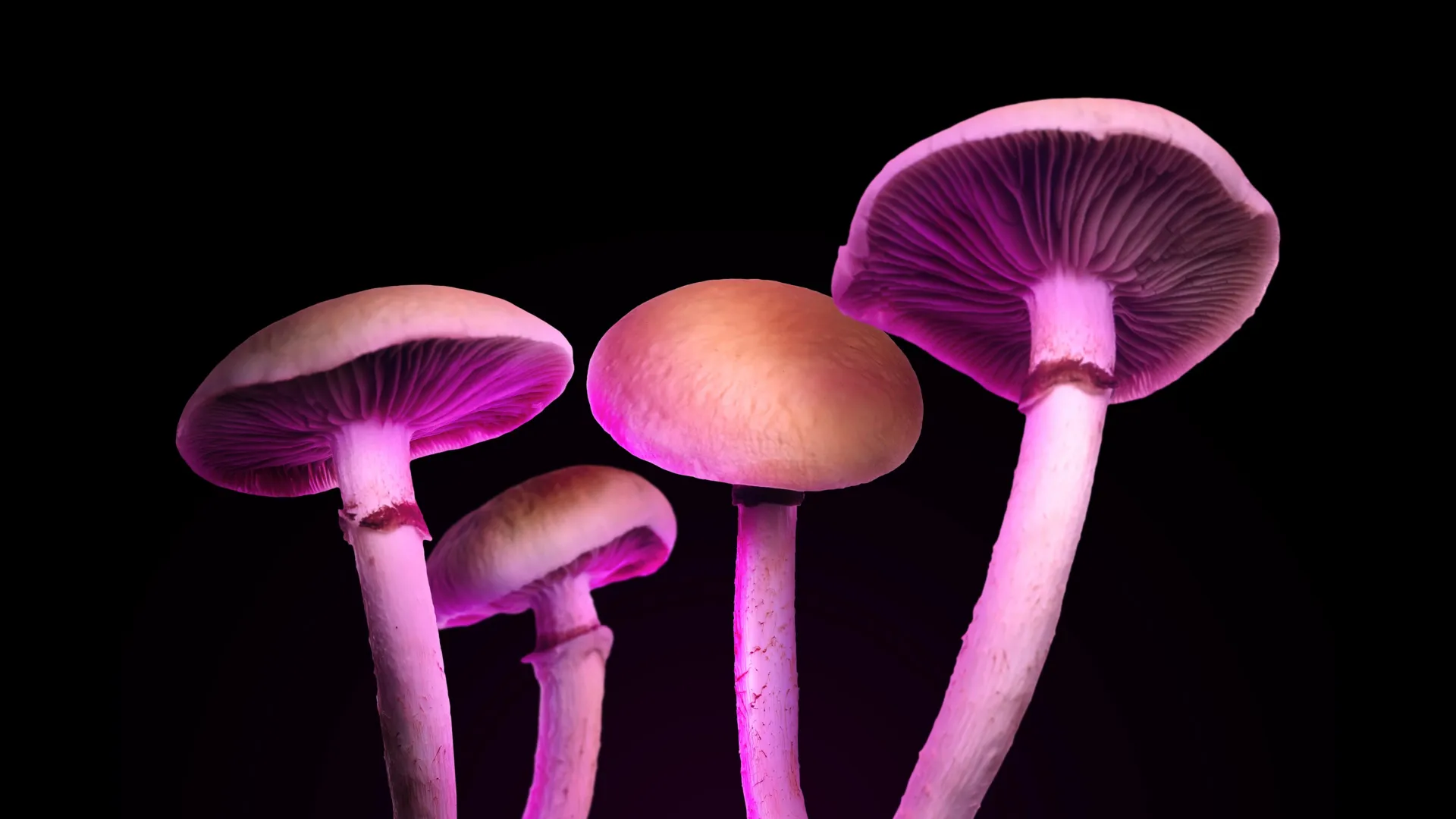
Psilocybin, the renowned psychoactive compound derived from so-called "magic mushrooms," is capturing the attention of the scientific community with its burgeoning therapeutic potential. Researchers are actively investigating its efficacy in treating a spectrum of challenging conditions, including persistent depression, debilitating anxiety disorders, complex substance use disorders, and even certain neurodegenerative diseases. While the promise of psilocybin as a novel therapeutic agent is significant, its profound hallucinogenic effects present a considerable hurdle to its widespread medical adoption. Now, a groundbreaking study published in the Journal of Medicinal Chemistry by researchers at the University of Padova and collaborators has unveiled a promising avenue: the creation of modified psilocin molecules that retain therapeutic activity while substantially diminishing the intensity of hallucinogenic experiences. This development could pave the way for safer and more accessible psychedelic-inspired treatments.
The Quest for Dissociated Serotonergic Activity
The core of this scientific endeavor lies in understanding and decoupling the therapeutic benefits of psilocybin from its psychoactive, hallucinogenic properties. Psilocybin, upon ingestion, is metabolized in the body into psilocin, the active compound that exerts its effects on the brain. Dr. Andrea Mattarei, a corresponding author of the study, articulated the significance of their findings: "Our findings are consistent with a growing scientific perspective suggesting that psychedelic effects and serotonergic activity may be dissociated. This opens the possibility of designing new therapeutics that retain beneficial biological activity while reducing hallucinogenic responses, potentially enabling safer and more practical treatment strategies." This dissociation is crucial, as it suggests that the brain’s intricate serotonin pathways, implicated in mood regulation and cognitive function, can be modulated for therapeutic benefit without necessarily triggering the overwhelming perceptual alterations that characterize traditional psychedelic experiences.
Targeting Serotonin Pathways: A Historical Perspective
The brain’s intricate network of neurotransmitters plays a pivotal role in maintaining mental well-being. Among these, serotonin stands out as a key regulator of mood, sleep, appetite, and cognitive processes. Disruptions in serotonin signaling have been definitively linked to a wide array of psychiatric disorders, including major depressive disorder, generalized anxiety disorder, and obsessive-compulsive disorder. Furthermore, emerging research suggests that alterations in serotonergic pathways may also contribute to the progression of neurodegenerative conditions such as Alzheimer’s disease and Parkinson’s disease.
For decades, scientists have been intrigued by the profound impact of psychedelics, like psilocybin, on serotonin receptors, particularly the 5-HT2A receptor, a primary target for these compounds. Early research in the mid-20th century explored the potential of psychedelics in psychotherapy, but the intense subjective experiences, including vivid hallucinations and altered states of consciousness, often overshadowed the therapeutic potential and contributed to their classification as Schedule I substances in many countries, severely limiting research. However, with a renewed scientific interest and a deeper understanding of neurobiology, the focus has shifted towards harnessing the therapeutic aspects of these compounds while mitigating their most potent side effects. The challenge has always been to find a way to modulate these critical brain circuits without inducing overwhelming and potentially distressing perceptual distortions.
Engineering Psilocin Derivatives: A Novel Approach
The research team, spearheaded by Sara De Martin, Andrea Mattarei, and Paolo Manfredi, embarked on a mission to design and synthesize novel chemical variants of psilocin. Their strategy was not to simply create a weaker version of psilocin, but rather to engineer molecules that would interact with the serotonin system differently. The primary objective was to achieve a slower and more sustained release of the active psilocin molecule into the brain. This controlled release mechanism, they hypothesized, could lead to a gentler activation of serotonin receptors, thereby attenuating the intensity of hallucinogenic effects while preserving the antidepressant and anxiolytic properties.
The team meticulously designed five distinct chemical derivatives of psilocin, each with subtle modifications aimed at altering its pharmacokinetic and pharmacodynamic profile. This involved exploring different chemical structures that could influence how the compound is absorbed, distributed, metabolized, and eliminated by the body. The goal was to achieve a "steady-state" of psilocin in the brain, avoiding the rapid peak concentrations that are thought to be responsible for the most intense psychedelic experiences.
Rigorous Pre-Clinical Testing: From Lab Bench to Rodent Models
The scientific process demands rigorous evaluation at multiple stages. The researchers commenced their investigation with in vitro experiments using human plasma samples. This crucial step allowed them to simulate the conditions the compounds would encounter in the gastrointestinal tract and bloodstream, assessing their stability and how they are processed by enzymes. These preliminary tests were instrumental in identifying the most promising candidate from the initial five derivatives.
One particular compound, designated as "4e," emerged as the frontrunner. It demonstrated remarkable stability during simulated absorption processes and, critically, exhibited a gradual release of psilocin. This sustained release characteristic was precisely what the researchers were seeking to achieve a potentially reduced hallucinogenic response. Furthermore, in these laboratory settings, 4e effectively activated key serotonin receptors, including the 5-HT2A receptor, at concentrations comparable to naturally occurring psilocin. This indicated that the compound retained its ability to engage with the target biological machinery.
Following the promising in vitro results, the research team advanced to in vivo studies, utilizing mouse models to assess the behavior and physiological responses to the novel psilocin derivatives. In a direct comparison, equivalent oral doses of 4e and pharmaceutical-grade psilocybin were administered to separate groups of mice. The researchers meticulously tracked the concentration of psilocin in the bloodstream and, more importantly, in the brain over a 48-hour period.
The data revealed a significant difference in the pharmacokinetic profiles. Mice treated with 4e showed efficient crossing of the blood-brain barrier, a critical step for any central nervous system-acting drug. However, the levels of psilocin detected in the brain were lower but sustained for a longer duration compared to those treated with psilocybin. This sustained, lower-level exposure aligns with the hypothesis that it could lead to therapeutic effects without the overwhelming psychedelic surge.
Behavioral Evidence: Quantifying Psychedelic-Like Activity
A key aspect of the study involved observing behavioral indicators of psychedelic-like activity in the mice. Scientists commonly use head twitching behavior in rodents as a reliable proxy for 5-HT2A receptor activation, which is strongly associated with psychedelic effects in humans. The results were compelling: mice that received 4e exhibited significantly fewer head twitches than those treated with pharmaceutical-grade psilocybin, even though 4e demonstrated potent interaction with serotonin receptors.
This observed difference in behavior, despite similar receptor engagement, strongly suggests that the rate and duration of psilocin release in the brain are critical determinants of the psychedelic experience. The slower, more gradual release from 4e appears to modulate the serotonin system in a way that elicits therapeutic signals without triggering the intense sensory and perceptual alterations associated with rapid, high-concentration psilocin surges. This is a pivotal finding, as it provides empirical evidence for the dissociation of therapeutic and hallucinogenic effects.
The Dawn of Non-Hallucinogenic Psychedelic-Inspired Therapeutics
The implications of this research are far-reaching. The findings presented in the Journal of Medicinal Chemistry offer a tangible pathway toward developing a new generation of psychiatric and neurological medications. By designing stable psilocin-based compounds that can effectively reach the brain and activate crucial serotonin receptors, while simultaneously minimizing the disruptive mind-altering effects, scientists are moving closer to realizing the full therapeutic potential of the psychedelic paradigm.
This advancement could address significant barriers to patient acceptance and clinical implementation. Many individuals suffering from chronic depression, severe anxiety, or addiction are understandably hesitant to embrace treatments involving substances known to induce hallucinations. The prospect of a therapeutic agent that offers the profound benefits of serotonin modulation without the disorienting subjective experience could revolutionize mental healthcare.
However, the researchers are keen to emphasize that this is an early-stage discovery. Further comprehensive research is imperative. This includes in-depth investigations into the precise molecular mechanisms by which these new compounds exert their effects, a thorough examination of their long-term biological impact, and extensive safety and efficacy trials in human subjects. The journey from preclinical findings to approved medication is a long and complex one, involving rigorous clinical trials to establish safety, dosage, and efficacy in diverse patient populations.
Broader Context and Future Directions
The current landscape of mental health treatment, while advancing, still faces significant unmet needs. Many existing antidepressants and anxiolytics can take weeks to show effects, have problematic side effects, and are not effective for everyone. The emergence of psychedelic-assisted therapies, albeit with their own challenges, has opened a new frontier, suggesting that rapid and profound shifts in mood and perspective are possible. This new research on modified psilocin derivatives aims to capture these rapid and profound shifts in a controlled and potentially safer manner.
The development of these novel compounds also has implications for the pharmaceutical industry. Companies are increasingly investing in psychedelic research, recognizing the potential for significant market disruption and the development of novel treatments for conditions with high prevalence and significant societal burden. The success of this research could spur further innovation in the design of "psychedelic-inspired" medicines, not just for psilocin but for other compounds within the broader psychedelic class.
The authors acknowledge the funding and collaborative efforts that made this research possible, including support from MGGM Therapeutics, LLC, in collaboration with NeuroArbor Therapeutics Inc. Several authors also declare their roles as inventors on patents related to psilocin, underscoring their commitment to advancing this field. This collaborative approach, bridging academic research with industry partnerships, is vital for accelerating the translation of scientific discoveries into tangible clinical benefits.
In conclusion, the creation of modified psilocin molecules that retain therapeutic activity while diminishing hallucinogenic effects represents a significant stride forward in the quest for more effective and accessible mental health treatments. While the path to clinical application requires further diligent research and rigorous testing, this breakthrough offers a beacon of hope for individuals seeking relief from debilitating mood and neurological disorders. The possibility of psychedelic-inspired medicines without the "trip" could fundamentally reshape how we approach the treatment of the mind.
