

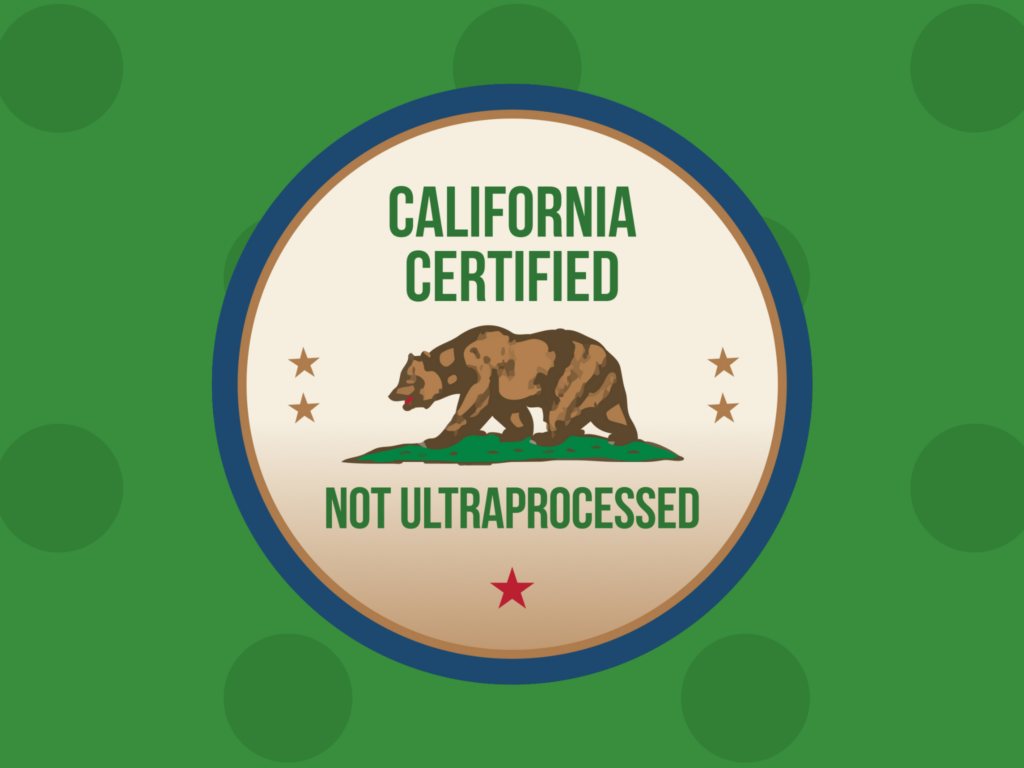
California is pioneering a new front in the public health battle against ultra-processed foods (UPFs) with a proposed bill that would establish a "California Certified" non-ultra-processed food seal. This initiative, modeled after the successful USDA Organic label, aims to empower consumers with clearer choices and compel grocery retailers to prominently feature certified products, potentially reshaping food purchasing habits across the state and beyond. The bill, AB 2244, introduced by Assemblymember Jesse Gabriel, represents a significant step in California’s ongoing commitment to improving the safety and nutritional quality of the food supply.
The proposed legislation seeks to create a voluntary certification program for food manufacturers, allowing them to label products that meet specific criteria for being non-ultra-processed. Crucially, the bill also mandates that supermarkets with annual sales exceeding $10 million and offering more than 25 non-UPF certified products must display these certified items in highly visible locations, such as at checkout counters and store entrances. This dual approach – empowering manufacturers with a credible seal and incentivizing retailers to promote healthier options – is designed to make it significantly easier for consumers to identify and choose foods with fewer artificial additives and processing techniques.
Assemblymember Jesse Gabriel, a vocal advocate for food safety reform, stated that the seal is intended to "empower consumers with clear, trustworthy information and make it easier for them to locate healthier foods that are free from harmful additives." He further emphasized the state’s proactive stance, asserting, "While Washington DC is paralyzed by inaction, California is stepping up to protect our kids and confront the health risks associated with ultra-processed foods." This statement underscores a growing frustration with federal legislative inertia on food policy and highlights California’s ambition to lead national health initiatives.
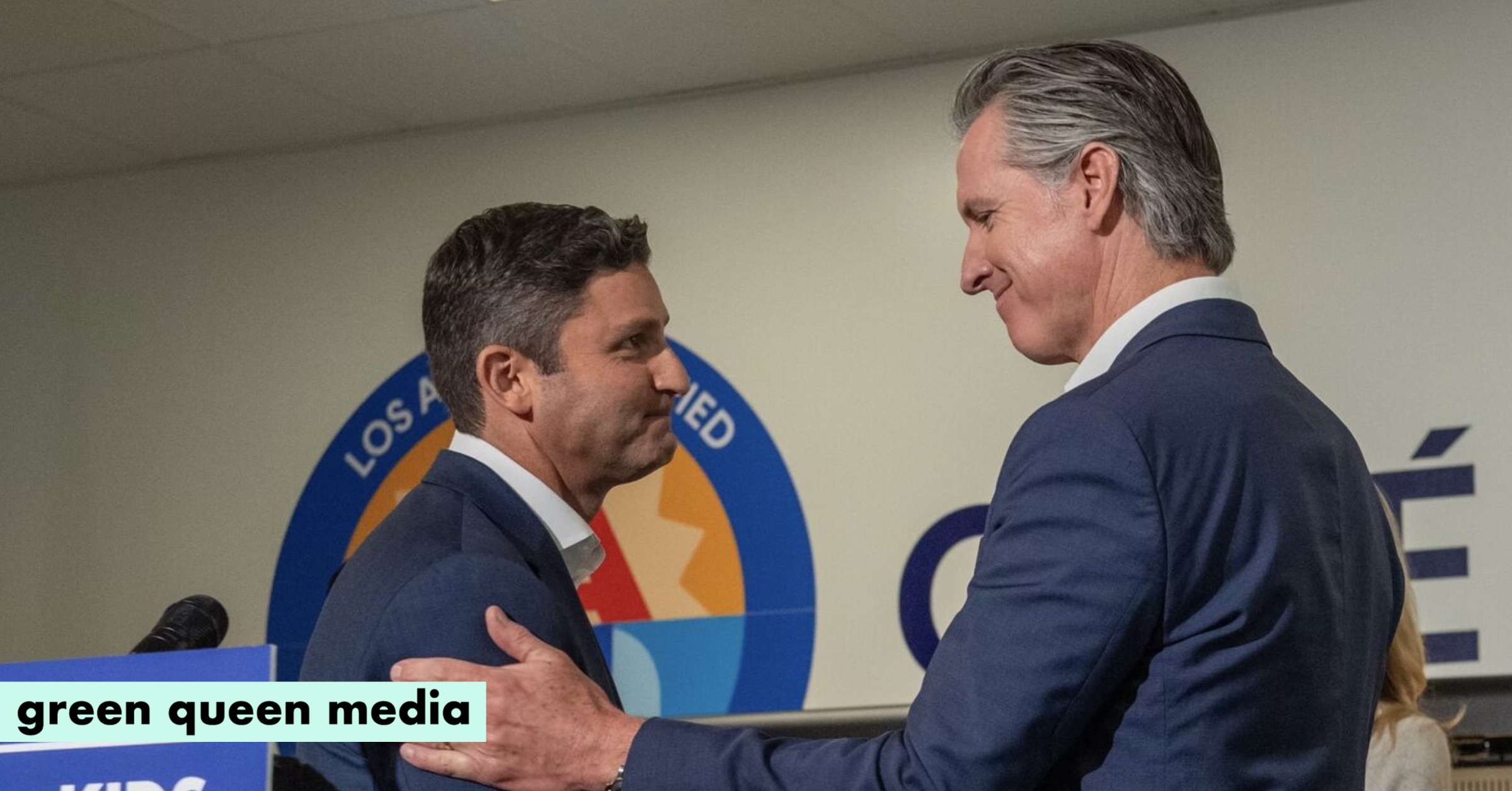
The "California Certified" seal would be based on the state’s established definition of ultra-processed foods, a definition previously codified in AB 1264, another landmark bill authored by Gabriel. This prior legislation, signed into law by Governor Gavin Newsom in October of the previous year, was the first of its kind in the nation to establish a statutory definition for UPFs and initiate a phaseout of the most concerning ingredients from California’s school meals. The definition encompasses products containing specific stabilizers, thickeners, emulsifiers, artificial flavorings and colorings, non-nutritive sweeteners, and high levels of saturated fat, sodium, or added sugar – ingredients often associated with industrial food production and limited nutritional value.
Under AB 2244, the California Department of Public Health would oversee a system where food manufacturers can apply to accredited certification agents to earn the right to use the "California Certified" label. This process mirrors the USDA Organic certification, where companies pay for independent verification of their products’ adherence to specific standards. California has a history of pioneering food regulation; it was the first and is currently the only state with its own organic program, a precedent that ultimately led Congress to establish a federal standard for the term "organic" in 1990. This historical context suggests that California’s initiatives often set national trends.
The proposed certification process would allow companies to apply for the seal beginning in June 2028, with certifications requiring renewal every three years. This staggered implementation timeline provides manufacturers with ample opportunity to reformulate products or develop new ones that meet the criteria, while also allowing the state to establish the necessary administrative infrastructure.
Gabriel’s legislative track record in food safety is substantial. In addition to AB 1264, he has successfully passed the California Food Safety Act in 2023, which banned certain food additives like Red 40, potassium bromate, and brominated vegetable oil from being sold in schools, and the California School Food Safety Act in 2024. His office reports that these laws have "shaped federal policy and inspired similar legislation across more than 30 other states," positioning AB 2244 as a potentially influential addition to this growing body of work. The recent enactment of laws banning specific chemicals from school meals and, in some cases, the entire state market by 2027, further illustrates California’s commitment to a cleaner food system.
The growing concern over ultra-processed foods stems from their prevalence in the modern diet and their association with a range of adverse health outcomes. First classified using the Nova system developed by Brazilian researchers in 2009, UPFs are generally understood as products created using industrial formulations and techniques, often containing cosmetic additives with little culinary purpose. They are typically characterized as foods that cannot be replicated in a home kitchen. Data indicates that UPFs constitute a significant portion of the American diet, accounting for approximately 55% of daily calorie intake for the general population and a concerning 67% for children. Numerous studies have linked high consumption of UPFs to an increased risk of obesity, cardiovascular disease, type 2 diabetes, certain cancers, and even premature mortality.
Despite the growing consensus on the health risks, a universally accepted definition of UPFs has been elusive, and the Nova classification itself has faced criticism for being overly broad. Some health experts argue that processing level should not be conflated with nutritional value, noting that certain processed foods can be nutritious and beneficial. However, the public perception and concern surrounding UPFs are undeniable. A significant majority of Americans, 72%, are actively trying to avoid these products, with 79% viewing them as a "significant threat" to public health. This widespread concern has spurred greater attention from regulatory bodies and policymakers.
The U.S. Food and Drug Administration (FDA) has acknowledged the public’s concern and is reportedly working towards developing its own definition of UPFs. The goal is to provide a framework that could enable companies to label their products as "non-ultra-processed," similar to existing "sugar-free" or "fat-free" claims. This potential federal action, while still in development, could be influenced by state-level initiatives like California’s.
The anti-UPF movement has gained considerable momentum, amplified by public health advocacy groups and prominent figures. The Make America Health Again (MAHA) movement, spearheaded by Robert F. Kennedy Jr., has actively campaigned against UPFs, notably with a controversial Super Bowl advertisement. Kennedy Jr. has also indicated a willingness to act on a petition from former FDA Commissioner David Kessler, which urged the government to revoke the Generally Recognized As Safe (GRAS) status of certain UPFs. While the FDA has not committed to regulating UPFs directly, these pressures are contributing to a broader conversation about food additives and processing.

The U.S. House of Representatives is also considering bipartisan legislation, such as the Childhood Diabetes Reduction Act, which aims to establish an expert panel to define UPFs, prohibit their advertisement to children, and mandate front-of-pack warning labels. These federal discussions, coupled with state-level actions, indicate a growing political will to address the public health implications of ultra-processed foods.
Beyond California, several other states have begun to implement restrictions or explore policies related to UPFs. Arizona, Texas, Louisiana, and West Virginia are among the states that have introduced or enacted measures targeting these products. California’s proposed "California Certified" seal would join a burgeoning landscape of private and public non-UPF certifications. In the past 18 months alone, organizations such as the Non-UPF Program, the Non-GMO Project, and Wisecode have launched their own verification standards and labels.
The implications of California’s proposed bill are far-reaching. If enacted, the "California Certified" seal could set a new standard for food labeling and consumer education, potentially influencing food manufacturers nationwide to reformulate their products to meet these stricter criteria. The mandate for prominent display in supermarkets could significantly shift consumer purchasing patterns, driving demand for certified non-UPF products and encouraging a broader market shift towards less processed alternatives. This initiative aligns with California’s established role as a regulatory trendsetter in consumer protection and environmental policy, suggesting that this effort could have a ripple effect across the United States and potentially inspire similar legislative actions in other states and even at the federal level. The success of this program will depend on robust scientific backing for the definition of UPFs, effective enforcement mechanisms, and the willingness of both manufacturers and retailers to embrace the proposed standards.
