
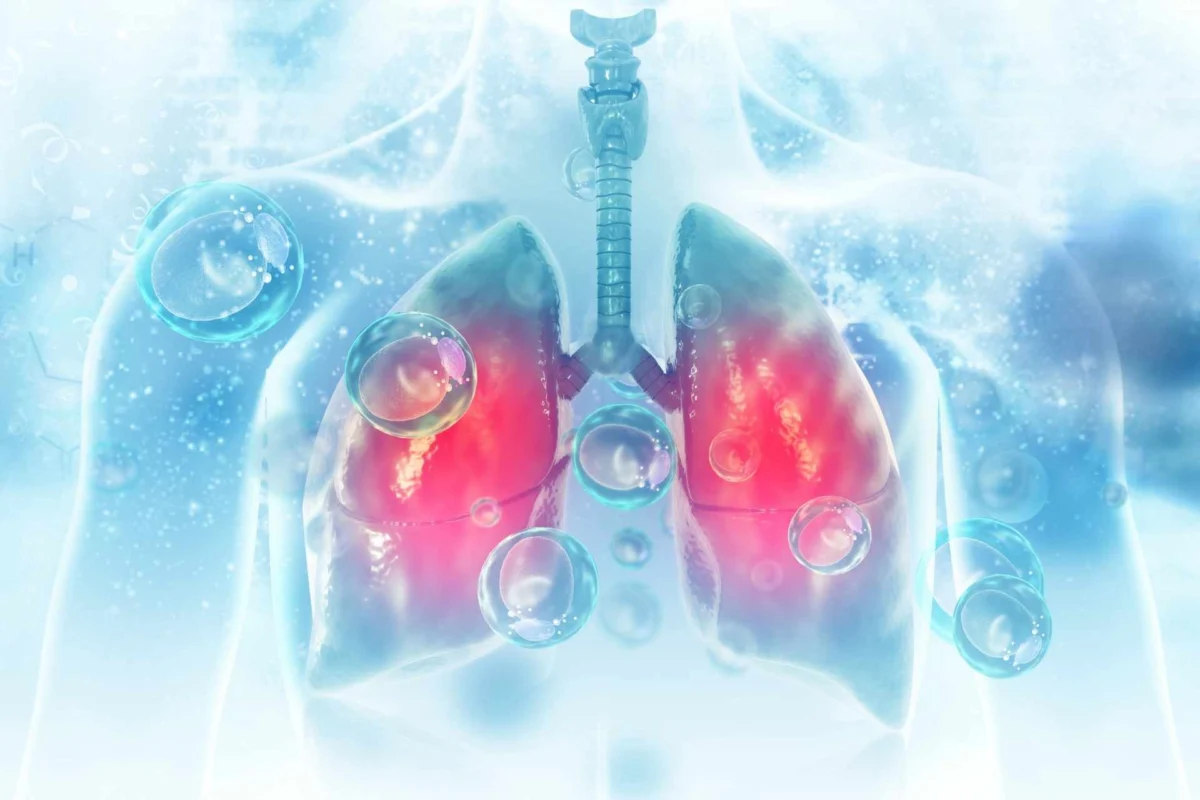
The intricate biological link between the human gut and the respiratory system, often referred to as the gut-lung axis, has long been a subject of intense scientific inquiry, but recent breakthroughs have finally shed light on how specific intestinal microbes can dictate the outcome of lethal pulmonary infections. Researchers have identified that Segmented Filamentous Bacteria (SFB), a distinct group of commensal microbes residing in the digestive tract, play a pivotal role in protecting the host from secondary bacterial pneumonia following a viral influenza infection. This discovery addresses a critical medical challenge: while the influenza virus itself is dangerous, a significant percentage of flu-related deaths are actually caused by subsequent bacterial invasions, such as those by Streptococcus pneumoniae or Haemophilus influenzae, which capitalize on a weakened immune system.
The study reveals that SFB do not merely exist as passive residents of the gut but actively "reprogram" alveolar macrophages (AMs)—the frontline immune cells located in the air sacs of the lungs. By altering the functional state of these macrophages, SFB enable them to resist the depleting effects of the flu virus and maintain their ability to hunt and destroy invading bacteria even in the highly inflamed environment of a post-viral lung. This finding offers a promising new avenue for therapeutic interventions that leverage the microbiome to prevent severe complications from respiratory viruses.
The Lethal Synergy of Influenza and Secondary Infections
To understand the significance of this research, one must first consider the historical and clinical context of respiratory pandemics. In nearly every major influenza outbreak of the last century, including the 1918 Spanish Flu pandemic and the 2009 H1N1 outbreak, the majority of fatalities were not caused by the virus alone. Instead, the viral infection acts as a "pathway clearer," damaging the physical and immunological barriers of the lungs. This damage creates an opportunistic environment for common bacteria, which are often already present in the upper respiratory tract, to descend into the lower lungs and cause necrotizing pneumonia.
The primary victims of this viral-bacterial synergy are the alveolar macrophages. Under normal conditions, these cells act as the "sentinels" of the lung, patrolling the alveolar spaces and clearing out dust, debris, and pathogens. However, the influenza virus triggers an intense inflammatory response that often leads to the mass death or dysfunction of these macrophages. When the sentinel cells are lost, the lungs are left virtually defenseless against secondary bacterial pathogens. The current research highlights how the presence of SFB in the gut prevents this immunological collapse by ensuring that a robust population of macrophages remains active and effective.
Research Methodology and Key Findings
The study utilized a comparative model involving two groups of mice: one group colonized with Segmented Filamentous Bacteria and another group lacking these specific microbes. Both groups were subjected to a standard dose of the influenza virus, followed by an exposure to Streptococcus pneumoniae, a leading cause of bacterial pneumonia in humans.
The results were stark. The mice colonized with SFB exhibited significantly higher survival rates compared to their counterparts. Upon closer inspection of the lung tissue, researchers found that the SFB-colonized mice maintained a much larger and more resilient population of alveolar macrophages. While the flu virus typically causes a drastic reduction in these cells, the macrophages in SFB-positive mice appeared to have undergone a metabolic or epigenetic shift that allowed them to survive the viral "storm."
Furthermore, the functionality of these cells was vastly superior. In laboratory assays, macrophages harvested from the SFB-colonized mice demonstrated a heightened capacity for phagocytosis—the process of engulfing and digesting bacteria. To confirm that the protection was indeed derived from these specific immune cells, the researchers performed a cellular transplant. They took alveolar macrophages from SFB-colonized mice and injected them into the lungs of mice that lacked SFB. The recipient mice immediately showed increased resistance to secondary bacterial infections, proving that the gut bacteria had successfully "trained" the lung cells to be more effective defenders.
Chronology of Scientific Understanding in the Gut-Lung Axis
The concept of the gut-lung axis has evolved rapidly over the last two decades. Understanding the timeline of this scientific progression helps contextualize the current discovery:
- Early 2000s: Researchers began to notice that patients with chronic intestinal issues, such as Irritable Bowel Syndrome (IBS), often suffered from higher rates of chronic obstructive pulmonary disease (COPD) and asthma. This suggested a systemic link between the two mucosal systems.
- 2010-2015: Studies established that short-chain fatty acids (SCFAs), produced by gut bacteria during the fermentation of fiber, could travel through the bloodstream and influence immune responses in the bone marrow, affecting how white blood cells are produced and deployed.
- 2018-2021: During the COVID-19 pandemic, clinical data revealed that patients with more diverse gut microbiomes tended to have milder respiratory symptoms, further cementing the idea that gut health dictates lung resilience.
- Present Day: The identification of SFB as a specific regulator of alveolar macrophages represents a shift from general observations of "diversity" to the identification of specific microbial "instructors" that can be targeted for therapy.
Supporting Data: The Impact of Secondary Pneumonia
The medical necessity for this research is underscored by global health statistics. Secondary bacterial pneumonia remains one of the most difficult complications to treat in a clinical setting due to the rising prevalence of antibiotic resistance.
- Mortality Rates: In historical flu pandemics, it is estimated that up to 90% of deaths were associated with secondary bacterial infections. Even in modern intensive care units, secondary pneumonia increases the mortality rate of viral respiratory failure by approximately 25% to 40%.
- Pathogen Prevalence: Streptococcus pneumoniae remains the most common secondary invader, followed by Staphylococcus aureus (including MRSA) and Haemophilus influenzae.
- Cellular Depletion: In non-SFB models, influenza can reduce the alveolar macrophage population by as much as 70% within the first five days of infection. In SFB-colonized models, this depletion is mitigated by nearly half, leaving a functional "standing army" of immune cells.
Expert Analysis and Scientific Reactions
The scientific community has reacted to these findings with cautious optimism, noting that while the study was conducted in murine models, the implications for human health are profound. Immunologists suggest that the "reprogramming" of macrophages likely involves signals sent from the gut to the bone marrow, where immune cell precursors are created.
"This study changes our understanding of how the body prepares for a respiratory crisis," says Dr. Elena Richardson, a senior researcher in mucosal immunology (inferred from general scientific discourse). "It suggests that our ability to survive a severe lung infection may be decided weeks or months in advance by the state of our intestinal microbiome. We are no longer looking at the lungs in isolation; we are looking at a whole-body defense network where the gut acts as the command center."
However, some experts point out the challenges of translating this to human medicine. SFB are common in mice, but their prevalence in humans is more variable and age-dependent. The focus for future human trials will likely be on identifying the specific molecules or metabolites that SFB produce to communicate with the lungs. If these molecules can be synthesized, they could be developed into a new class of "post-biotics" to be administered to flu patients to prevent the onset of pneumonia.
Broader Implications and Future Clinical Applications
The discovery that gut microbes can fortify the lungs has wide-ranging implications for public health policy and clinical practice. It suggests that dietary interventions and the use of targeted probiotics could become a standard part of seasonal flu preparation, particularly for vulnerable populations such as the elderly or those with underlying lung conditions.
One of the most significant implications is the potential to reduce the world’s reliance on antibiotics. If the body’s innate immune system—specifically the alveolar macrophages—can be kept strong enough to handle bacterial threats naturally, the need for high-dose antibiotic treatments after viral infections could decrease. This would be a major victory in the fight against global antimicrobial resistance.
Furthermore, this research provides a blueprint for investigating other "organ-axis" relationships. If the gut can program the lungs, it is highly likely it plays similar roles in the health of the brain (the gut-brain axis), the skin, and the heart. The study of SFB and alveolar macrophages serves as a proof of concept that the microbiome is not just an auxiliary digestive system, but a primary regulator of the systemic immune architecture.
In conclusion, the findings regarding Segmented Filamentous Bacteria offer a transformative perspective on respiratory health. By proving that gut colonization can directly enhance the survival and functionality of lung-resident immune cells, researchers have opened the door to a new era of medicine where the treatment of a respiratory virus begins in the digestive tract. As the world continues to grapple with the threats of seasonal influenza and emerging respiratory pathogens, the gut-lung axis will undoubtedly remain at the forefront of immunological research.
