
The management of Polycystic Ovary Syndrome (PCOS), a complex endocrine disorder affecting approximately 8% to 13% of reproductive-aged women globally, has increasingly shifted toward nutritional and lifestyle interventions as primary therapeutic pillars. Clinical research suggests that the composition of daily meals, particularly lunch, plays a decisive role in modulating insulin sensitivity, reducing systemic inflammation, and stabilizing androgen levels. For many women diagnosed with PCOS, the midday meal serves as a critical metabolic junction that determines energy levels for the remainder of the day and influences long-term hormonal health. Medical professionals emphasize that dietary patterns focusing on low-glycemic index (GI) carbohydrates, high-quality proteins, and anti-inflammatory fats can significantly mitigate the symptoms of the disorder, which include irregular menstrual cycles, hirsutism, and metabolic challenges.
The Clinical Necessity of Metabolic Stabilization
PCOS is frequently characterized by insulin resistance, a condition where the body’s cells do not respond effectively to insulin, leading to elevated blood glucose levels and a subsequent overproduction of insulin by the pancreas. This hyperinsulinemia is a primary driver of ovarian androgen production, which exacerbates hormonal imbalances. Consequently, nutritional experts advocate for a structured approach to lunch that avoids the "post-lunch slump"—a common occurrence in those with insulin dysregulation. By integrating specific nutrient-dense recipes, individuals can maintain glycemic control while addressing the nutritional deficiencies often associated with the syndrome.
Recent longitudinal studies have identified that the timing and composition of meals are nearly as important as total caloric intake. A focus on "hormone-balancing" lunches aims to provide sustained satiety through fiber and protein, thereby preventing the glucose spikes that trigger androgen surges. The following 12 nutritional protocols and recipes represent a comprehensive approach to PCOS-friendly meal planning, grounded in clinical nutrition and metabolic science.
I. Omega-3 Fatty Acid Optimization: The Salmon Caesar Protocol
Salmon serves as a cornerstone of the PCOS diet due to its high concentration of Omega-3 fatty acids, specifically EPA and DHA. A 2013 study published in the Iranian Journal of Reproductive Medicine demonstrated that Omega-3 supplementation significantly reduced testosterone levels and regulated menstrual cycles in women with PCOS. By adapting the traditional Caesar salad, patients can achieve a high-protein, low-carb profile.
The protocol involves utilizing grilled salmon seasoned with garlic, thyme, and lemon. Crucially, the salad must bypass commercial dressings, which often contain soybean or canola oils—pro-inflammatory fats that can aggravate PCOS symptoms. Instead, a homemade dressing utilizing avocado oil, egg yolks, lemon juice, and anchovies provides the necessary healthy fats to support endocrine function. The inclusion of avocado, mushrooms, and tomatoes adds essential micronutrients and fiber, further slowing the absorption of glucose.
II. Fiber-Dense Legume Integration: Pomegranate and Chickpea Analysis
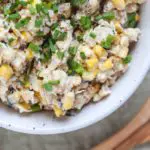
Fiber is essential for PCOS management as it aids in the excretion of excess hormones and slows digestion. The Pomegranate, Chickpea, and Broccoli Salad is a nutrient-dense option that leverages the phytoestrogens found in chickpeas and the antioxidant properties of pomegranate. Broccoli, a cruciferous vegetable, contains indole-3-carbinol, a compound that supports healthy estrogen metabolism.
This meal is structured around a base of blanched broccoli and canned chickpeas, tossed with red onions that have been soaked in cold water to reduce sulfurous bite. The dressing—a mixture of tahini, Greek yogurt, and lemon juice—provides probiotics and healthy fats. This combination ensures a low glycemic load while providing the complex carbohydrates necessary for sustained afternoon energy.
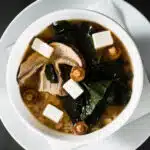
III. Complex Carbohydrate Substitution: Brown Rice Sushi and Miso Gut Health
Traditional sushi often utilizes white rice seasoned with high-sugar vinegar, which can cause rapid insulin spikes. The PCOS-specific alternative employs short-grain brown rice, which retains its fiber-rich bran layer. When paired with raw salmon and avocado, this meal provides a balanced ratio of macronutrients.
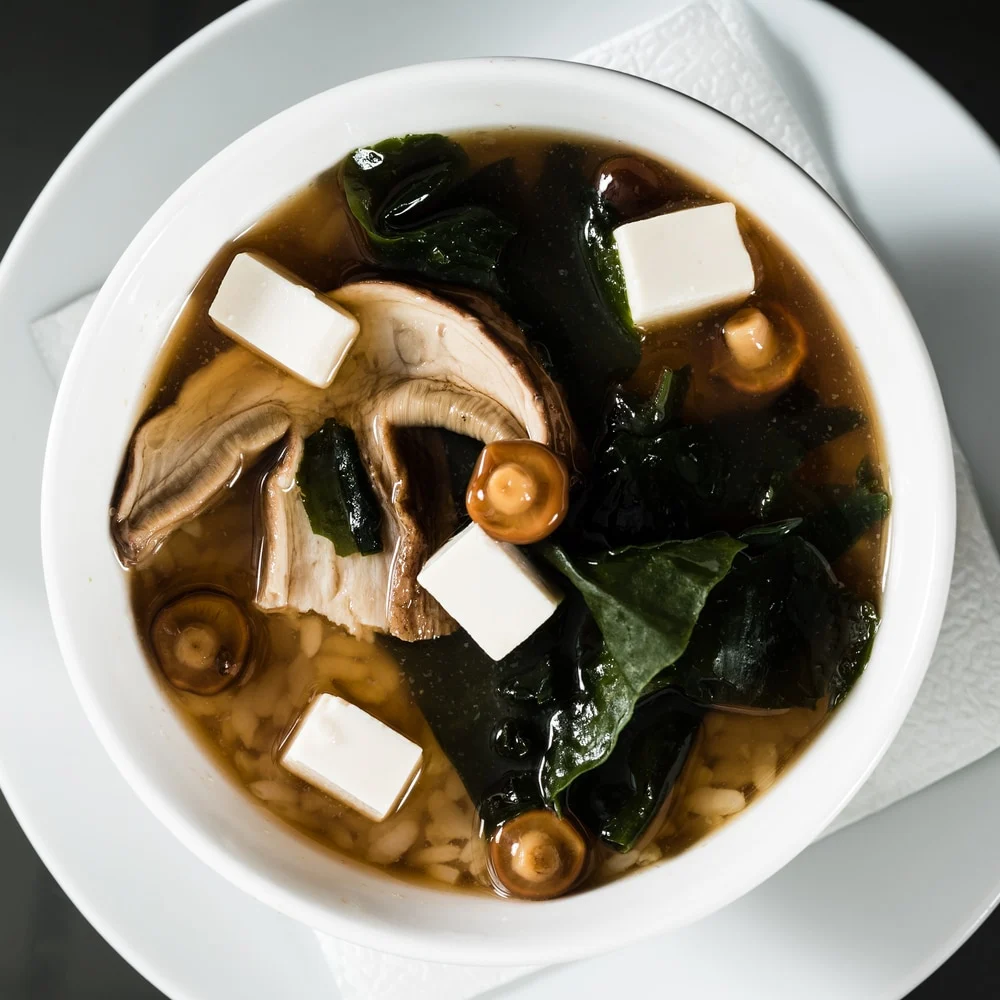
The accompaniment of Miso soup is clinically significant for gut health. Women with PCOS often exhibit altered gut microbiota, which can contribute to inflammation and insulin resistance. A broth-based miso soup incorporating ginger, fennel, and sea vegetables like wakame and arame provides iodine for thyroid support and probiotics for the microbiome. The inclusion of white fish like cod within the soup adds a lean protein source that is easily digestible.

IV. Lean Protein and Gluten-Free Alternatives: The Turkey Burger Strategy
For many patients, the psychological aspect of dieting is managed by creating healthy versions of comfort foods. A turkey burger provides a lean source of protein and tryptophan without the saturated fats found in conventional beef burgers. To prevent the inflammatory response often associated with refined wheat, the use of gluten-free buns or large lettuce leaves is recommended.
The preparation involves combining ground turkey with herbs and spices to enhance flavor without adding sodium. When served with a side salad, this meal provides a high-volume, low-calorie density option that prevents the excessive caloric intake often associated with traditional fast food, thereby aiding in weight management—a primary goal for many PCOS therapeutic plans.

V. Anti-Inflammatory Plant Proteins: Tempeh-Based BLT
Inflammation is a systemic feature of PCOS, often measured by elevated C-reactive protein (CRP) levels. Tempeh, a fermented soy product, offers a potent anti-inflammatory alternative to processed meats like bacon. As a probiotic-rich food, tempeh supports gut health while providing a dense source of protein and fiber.
The "Vegan BLT" utilizes thinly sliced tempeh marinated in a mixture of soy sauce (or coconut aminos), maple syrup, and liquid smoke, then pan-seared in olive oil. When combined with avocado and greens on gluten-free bread, the glycemic load of the bread is mitigated by the high fat and protein content of the fillings. This meal serves as a strategic intervention for reducing the intake of nitrates and saturated fats found in traditional deli meats.
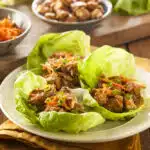
VI. Portable Protein Solutions: Grilled Chicken Lettuce Wraps
For individuals with demanding professional schedules, portability is a key factor in dietary compliance. Lettuce wraps utilizing butter lettuce as a vessel for grilled chicken provide a high-protein, near-zero-carb lunch option. Chicken breast, marinated in olive oil and herbs, offers the amino acids necessary for muscle maintenance and metabolic health. The addition of hummus or tzatziki provides healthy fats and additional protein, ensuring that the meal remains satiating despite the absence of grains.
VII. Glycemic-Controlled Stir-Fry: Shrimp and Brown Rice
Fried rice is typically a high-GI meal, but by substituting white rice with brown rice and increasing the protein-to-carb ratio with shrimp, it becomes a viable PCOS lunch. Shrimp is an excellent source of selenium and zinc, minerals often deficient in women with hormonal imbalances. The cooking process involves minimal oil and an abundance of vegetables like peas and carrots, which provide antioxidants and fiber. Using coconut aminos instead of traditional soy sauce can further reduce sodium intake and avoid potential soy-related sensitivities.
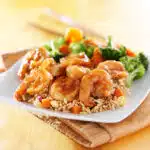
VIII. Simple Macronutrient Balancing: Baked Salmon and Sweet Potato
The combination of baked salmon and sweet potato is a classic example of "clean eating" adapted for endocrine health. Unlike white potatoes, sweet potatoes have a lower glycemic index and are rich in Vitamin A and potassium. Baking the salmon with asparagus ensures a high intake of folate, which is critical for reproductive health. This meal is easily prepped and provides a predictable metabolic response, making it an ideal staple for those tracking their macronutrient intake.
IX. Plant-Based Satiety: The Vegan "Tuna" and Black Bean Burger
The "Vegan Tuna" salad, often made from mashed chickpeas or hearts of palm, offers a high-fiber alternative to fish for those seeking plant-based options. Similarly, a sweet potato, quinoa, and black bean burger provides a complete protein profile through the combination of legumes and pseudo-cereals. Quinoa is particularly beneficial for PCOS due to its high magnesium content, which has been shown to improve insulin sensitivity. These plant-based burgers can be prepared in bulk, providing a consistent nutritional intervention throughout the work week.
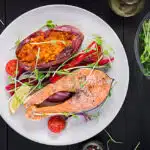
X. Low-Carb Innovation: Salmon Spring Rolls and Cauliflower Rice
Spring rolls made with rice paper and filled with salmon and fresh herbs offer a lighter alternative to grain-heavy wraps. Additionally, the use of cauliflower rice—finely grated cauliflower sautéed with aromatics—serves as a nutrient-dense, low-calorie replacement for white rice. Cauliflower is a cruciferous vegetable that aids the liver in detoxifying excess hormones, a crucial process for restoring balance in PCOS patients.
Chronology of Implementation and Long-term Impact
The adoption of these dietary protocols typically follows a structured timeline. In the first 14 to 30 days, patients often report a stabilization of energy levels and a reduction in sugar cravings as insulin levels begin to normalize. Between 60 and 90 days, clinical markers such as fasting glucose and testosterone levels often show measurable improvement. Long-term adherence to a PCOS-friendly lunch strategy is associated with a reduced risk of developing Type 2 diabetes and cardiovascular disease, both of which are significant long-term risks for this population.
Analysis of Broader Implications
The shift toward specialized nutritional planning for PCOS reflects a broader movement in functional medicine that prioritizes root-cause resolution over symptom suppression. By utilizing food as a pharmacological tool, women can reclaim control over their endocrine systems. The integration of high-fiber, low-GI, and Omega-3-rich meals serves not only to manage weight but to foster an internal environment conducive to fertility and long-term metabolic health.
In conclusion, the midday meal is far more than a source of fuel for the afternoon; for the woman with PCOS, it is a daily opportunity for hormonal recalibration. Through the strategic use of ingredients like salmon, tempeh, quinoa, and cruciferous vegetables, the inflammatory and insulin-driven pathways of the disorder can be effectively managed. As research continues to underscore the link between diet and endocrine function, these nutritional strategies will remain essential components of comprehensive PCOS care.
