

Polycystic Ovary Syndrome (PCOS) remains the most prevalent endocrine disorder among women of reproductive age globally, yet it continues to be characterized by a significant diagnostic lag that leaves millions of patients without answers for years. Recent clinical research indicates that the journey to a formal diagnosis can be an arduous process, frequently spanning more than two years and requiring a minimum of three separate consultations with medical professionals. This delay is particularly striking given that PCOS affects an estimated 8% to 13% of reproductive-aged women, making it a primary driver of female infertility and a significant precursor to metabolic complications. In response to these systemic barriers, the emergence of at-home diagnostic tools, such as the PCOS Home Test from Let’s Get Checked, is beginning to reshape the landscape of reproductive healthcare by offering a streamlined, accessible alternative to traditional clinical pathways.
The Diagnostic Gap: A Systemic Challenge in Women’s Health
The standard patient experience for those suffering from PCOS is often defined by frustration and clinical ambiguity. Symptoms of the syndrome—including irregular menstrual cycles, hirsutism (excess hair growth), persistent acne, and unexplained weight gain—are frequently dismissed or misattributed to lifestyle factors. According to a landmark study published in the journal Human Reproduction, nearly half of women with PCOS visited three or more health professionals before receiving a diagnosis, and one-third reported that the process took more than two years.
This diagnostic delay is not merely a matter of convenience; it has profound implications for long-term health. PCOS is a complex multisystem disorder that extends far beyond the ovaries. It is closely linked to insulin resistance, which increases the risk of developing Type 2 diabetes, gestational diabetes, and cardiovascular disease. Furthermore, the hormonal imbalances associated with the condition can lead to mental health challenges, including increased rates of anxiety and depression. The introduction of at-home testing kits represents a pivot toward patient-led screening, intended to provide the empirical data necessary to accelerate clinical intervention.
The Rotterdam Criteria: The Gold Standard of Diagnosis
To understand the utility of new testing modalities, it is essential to examine the established medical framework for identifying PCOS. Since 2003, the medical community has primarily relied on the "Rotterdam criteria" to confirm a diagnosis. Under these guidelines, a patient must present with at least two of the following three conditions:
- Oligovulation or Anovulation: This is clinically defined as irregular menstrual cycles, typically characterized by having fewer than eight periods per year or experiencing intervals of four months or longer without a period.
- Hyperandrogenism: This involves elevated levels of "male" hormones, such as testosterone. It can be identified through clinical signs—such as hirsutism on the face, chest, or back, and androgenic alopecia (thinning scalp hair)—or through biochemical blood testing.
- Polycystic Ovaries: Identified via ultrasound, this condition occurs when the ovaries are enlarged and contain 12 or more small follicles (fluid-filled sacs) that have failed to mature and release an egg.
Physicians must also perform a differential diagnosis to rule out other conditions that mimic PCOS symptoms. These include Cushing’s syndrome, congenital adrenal hyperplasia, thyroid dysfunction (hypothyroidism), and androgen-secreting tumors. The complexity of this "rule-out" process is one of the primary reasons why traditional diagnosis takes a significant amount of time.

Technological Evolution: The Mechanics of At-Home Testing
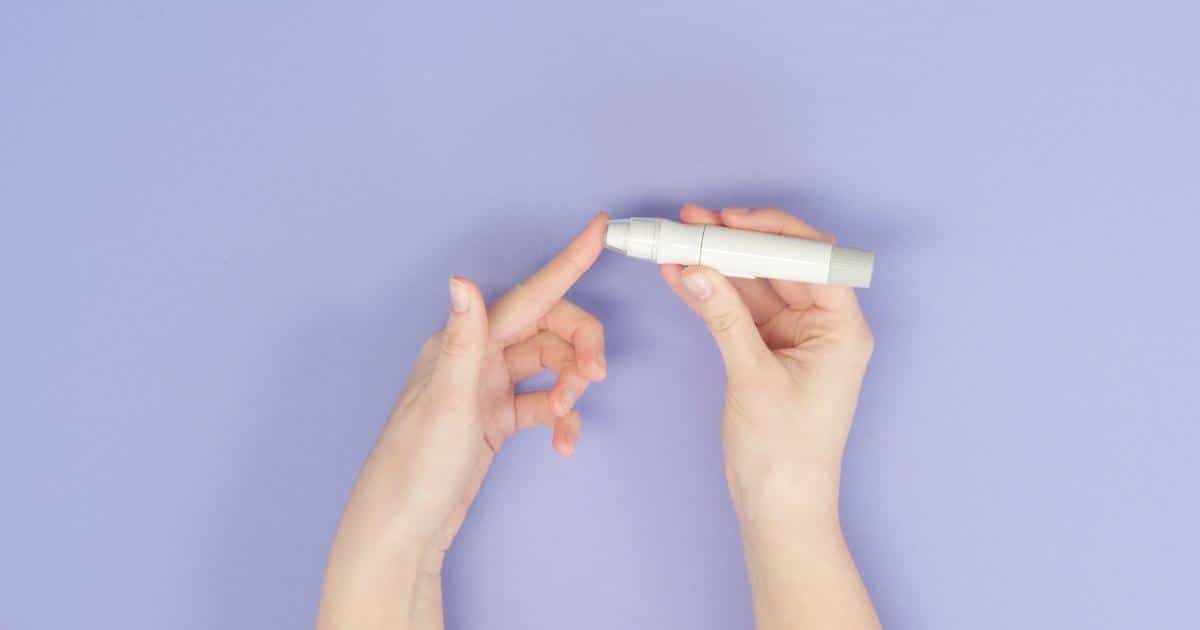
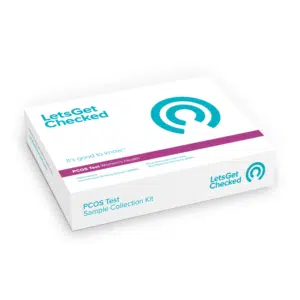
The transition of PCOS screening from the clinic to the home is driven by advancements in micro-sampling and laboratory automation. The Let’s Get Checked PCOS Home Test utilizes a finger-prick blood collection method, allowing users to gather a sample in a domestic setting. Once collected, the sample is dispatched to a CLIA-certified and CAP-accredited laboratory—the same high-standard facilities used by hospitals and private practices.
The home test focuses on a comprehensive panel of reproductive hormones that are central to the PCOS profile. These typically include:
- Testosterone: To identify biochemical hyperandrogenism.
- Sex Hormone-Binding Globulin (SHBG): Which helps determine the "Free Androgen Index" (FAI).
- Luteinizing Hormone (LH) and Follicle-Stimulating Hormone (FSH): To assess the LH:FSH ratio, which is often elevated in women with PCOS.
- Anti-Müllerian Hormone (AMH): Often used as a marker for ovarian reserve and frequently elevated in polycystic ovaries.
- Prolactin: To rule out pituitary issues that might cause irregular cycles.
By providing a "probable diagnosis" based on these biomarkers, the test serves as a bridge between symptom onset and clinical confirmation. If results indicate an abnormality, the service includes a consultation with a nursing team to discuss the findings and prepare the patient for a follow-up visit with a specialist, such as a reproductive endocrinologist.
Chronology of the Testing Process
The accuracy of hormonal testing is highly dependent on timing, as reproductive hormones fluctuate significantly throughout the menstrual cycle. The protocol for at-home testing is strictly defined to ensure data integrity:
- For Patients with Regular Cycles: The test must be performed on Day 3, 4, or 5 of the menstrual cycle (with Day 1 being the first day of the period). This "baseline" window provides the most accurate reading of FSH and LH levels.
- For Patients with Irregular Cycles: Because irregular periods are a hallmark of PCOS, many users cannot predict their Day 3. In these instances, the protocol allows for testing on any three consecutive days (Monday through Friday) to capture a representative hormonal snapshot.
- Exclusion Criteria: Testing is not recommended for individuals currently using hormonal birth control. Synthetic hormones found in oral contraceptives, patches, and certain IUDs suppress the body’s natural hormone production, rendering the test results uninterpretable for diagnostic purposes.
The Broader Impact: Psychological and Economic Implications
The availability of at-home diagnostics addresses a critical void in the patient experience: the need for validation. For many women, the two-year wait for a diagnosis is marked by "medical gaslighting," where their symptoms are minimized by providers. Having a lab report that highlights hormonal imbalances empowers the patient to advocate for themselves within the healthcare system.
From an economic perspective, early diagnosis can lead to significant cost savings. The annual healthcare burden of PCOS in the United States alone is estimated at billions of dollars, much of which is spent on treating long-term complications like Type 2 diabetes and infertility treatments. By identifying the condition earlier through accessible testing, patients can implement lifestyle interventions—such as targeted nutritional changes and exercise—that may mitigate the need for expensive pharmaceutical or surgical interventions later in life.
Clinical Analysis and Future Outlook
While at-home testing offers a high degree of convenience and accuracy, medical experts emphasize that it should be viewed as a tool for screening rather than a replacement for comprehensive clinical care. A definitive diagnosis under the Rotterdam criteria often still requires a physical examination and, in many cases, a transvaginal ultrasound to assess ovarian morphology.
The rise of direct-to-consumer (DTC) testing reflects a broader trend in "democratized healthcare," where patients take an active role in monitoring their biomarkers. As laboratory technology continues to miniaturize, it is likely that at-home panels will become even more comprehensive, perhaps incorporating genetic markers or insulin sensitivity tests to provide a more holistic view of the syndrome.
For now, the Let’s Get Checked PCOS Home Test represents a significant step forward in reducing the "time to truth" for women struggling with hormonal health. By providing a clinical-grade analysis for approximately $119 (often reduced via partnership discounts), the barrier to entry for reproductive screening has been lowered significantly.

Conclusion
The journey to a PCOS diagnosis has historically been a marathon of persistence for many women. The integration of at-home testing into the diagnostic landscape offers a promising solution to the systemic delays that have plagued women’s health for decades. By combining the rigor of traditional laboratory science with the convenience of modern logistics, these tools provide a roadmap for patients to move from uncertainty to action. As the medical community continues to refine its understanding of Polycystic Ovary Syndrome, the priority remains clear: early detection, informed advocacy, and a multidisciplinary approach to managing a condition that affects nearly one in ten women worldwide.
The data suggests that the "easiest way" to confirm a diagnosis is not through a single test, but through a combination of accessible screening, informed patient advocacy, and timely clinical follow-up. In an era where healthcare is increasingly moving into the home, the ability to obtain a probable diagnosis via a simple finger prick may well be the catalyst that finally closes the two-year diagnostic gap.
