

The release of the 2026 Dietary Guidelines for Americans (DGA) by the Trump administration has ignited a firestorm of criticism, drawing unexpected alignment between public health advocates and groups historically associated with the Make America Healthy Again (MAHA) movement. Both factions are now vociferously calling for a significant dietary shift away from processed meats and towards plant-based proteins, directly challenging the direction set by the federal guidelines.
The DGA, published in January 2026, have been widely condemned for what many experts deem a scientifically unsound approach. The guidelines controversially endorse the consumption of red meats like beef and pork, reintroduce whole milk into dietary recommendations, and promote traditional fats such as butter and tallow. This comes despite the DGA’s own stipulation to keep saturated fat intake under 10% of total daily calories, a contradictory stance that has led to widespread alarm. Health experts across the United States have labeled these recommendations as "at best, confusing, and, at worst, harmful to public health." In response to this perceived departure from scientific consensus, organizations such as the Center for Biological Diversity and the Center for Science in the Public Interest (CSPI) have published an alternative, "uncompromised" version of the DGA, illustrating what the guidelines might have looked like had they adhered to established scientific evidence.
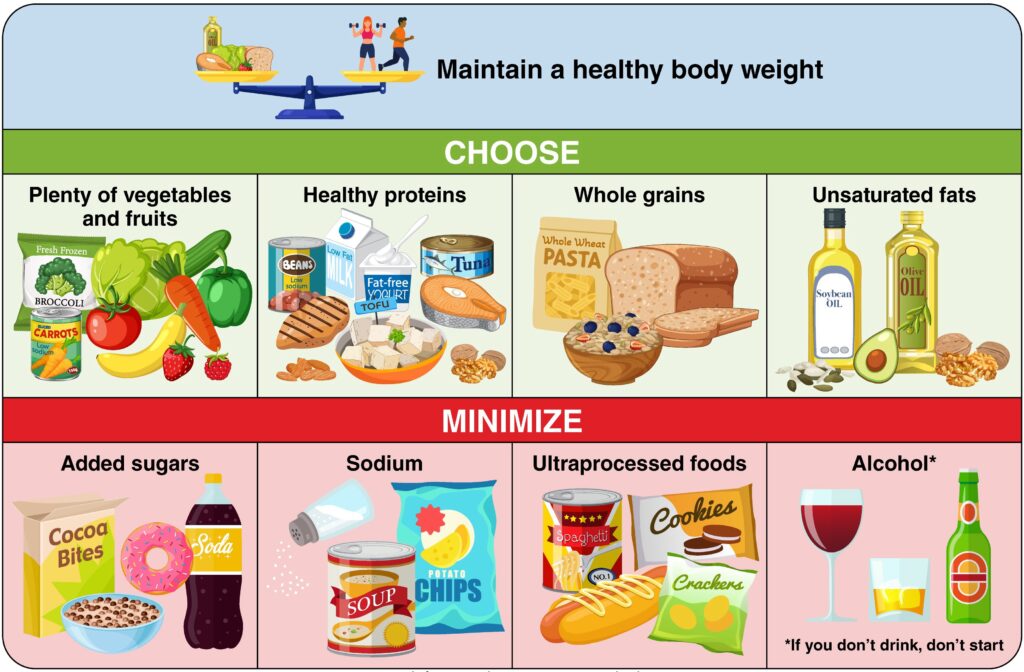
Adding significant weight to the growing dissent, the American Heart Association (AHA) has released its own comprehensive 2026 dietary guidelines aimed at improving cardiovascular health. The AHA has explicitly voiced concerns that the DGA’s endorsement of red meat consumption could lead to excessive saturated fat intake, a well-established primary driver of heart disease, which remains the leading cause of death in the United States. The AHA’s updated guidance stands in stark contrast to the DGA, advocating for a diet rich in fruits, vegetables, and whole grains, and unequivocally prioritizing plant-based proteins and oils over meat and animal fats. "Dietary patterns higher in plant-based foods and lower in animal products have been associated with lower coronary heart disease risk and more favourable coronary heart disease risk factors and metabolome profiles," the AHA stated in its report, underscoring the evidence-based foundation of its recommendations.
This divergence in guidance emerges at a critical juncture, as a coalition of health and agriculture organizations, many of which align with the MAHA initiative, have also petitioned the Trump administration to reconsider expanding meat consumption in school nutrition programs. This unified front, though originating from different perspectives, highlights a shared concern over the nation’s dietary trajectory and its implications for public health.
AHA’s Heart-Healthy Blueprint: A Paradigm Shift Towards Plant Proteins
The American Heart Association’s updated guidelines outline nine fundamental pillars of a heart-healthy diet. These include maintaining an appropriate energy balance based on physical activity levels, emphasizing abundant consumption of fruits and vegetables, prioritizing whole grains over refined carbohydrates, minimizing added sugars, reducing sodium intake, and moderating or abstaining from alcohol consumption.
A particularly striking feature of the AHA’s recommendations is its strong emphasis on diversifying protein sources. The organization advocates for a strategic shift from meat consumption to plant-based alternatives such as legumes, nuts, and seeds. For individuals who choose to consume meat, the AHA advises prioritizing less processed forms and limiting portion sizes of red meat. "Dietary patterns higher in legumes and lower in red and processed meat have been associated with lower cardiovascular disease and coronary heart disease risk. Likewise, dietary patterns higher in nuts have been associated with lower cardiovascular disease and all-cause mortality risk," the AHA elaborated, citing a robust body of scientific literature.
Furthermore, the AHA addresses the increasingly prevalent issue of ultra-processed foods (UPFs). While acknowledging the complexity of defining UPFs and the varied impact of different products within this category, the organization strongly advises a preference for minimally processed ingredients. "Evidence is limited for mechanisms of actions linking dietary patterns high in UPFs to adverse health outcomes. This may be due to the wide range of potential causal factors in the broad category of foods classified as ultra-processed," the guidelines noted. "Nevertheless, evidence consistently indicates that efforts should be made to promote the benefits of choosing minimally processed foods and to facilitate a shift away from ultra-processed in the marketplace." This nuanced approach reflects the AHA’s recognition that not all processed foods are inherently detrimental, particularly those that retain beneficial components like fiber.

The AHA has previously contributed to the growing discourse cautioning against the indiscriminate demonization of all UPFs. They have highlighted that certain processed foods, particularly those rich in fiber such as many plant-based meat alternatives, can offer health benefits. "The availability of plant-based meat alternatives can help diversify protein choices but requires some caution because many are ultra-processed and come with added sugars, sodium, stabilizers, and preservatives," the new recommendations state, offering a balanced perspective on the evolving food landscape.
In terms of fat intake, the AHA’s guidelines advocate for a decisive move away from saturated fats, including beef tallow, lard, and butter. These should be replaced by healthier, unsaturated, plant-based oils like soybean, canola, and olive oils. This recommendation directly contrasts with the perspectives of some, including Robert F. Kennedy Jr., who have expressed skepticism towards seed oils, despite substantial evidence indicating their role in reducing the risk of cardiovascular disease and all-cause mortality when used as substitutes for animal fats.
MAHA-Aligned Groups Challenge Administration on School Nutrition
The urgency of these dietary recommendations is underscored by alarming public health statistics. According to the AHA, over half of U.S. adults currently have some form of cardiovascular disease, a figure projected to rise to 60% by 2050. Obesity rates are also concerning, with over 40% of adults and 20% of children affected, and these numbers are anticipated to increase. The dietary habits of American children are particularly concerning, with approximately three in five exhibiting unhealthy eating patterns. This reality underscores the AHA’s guidance that children can, and should, adopt heart-healthy eating habits from one year of age.
"Cardiovascular disease begins early in life; even prenatal factors can contribute to increased risk in children as they grow. So, it’s important that healthy eating patterns are adopted in childhood and continue throughout the entire lifespan," stated Alice Lichtenstein, volunteer chair of the AHA’s scientific statement writing committee.
However, recent policy shifts by the U.S. government appear to be at odds with expert advice. Under the influence of MAHA, the Trump administration has reinstated whole milk as an option in school lunch programs, alongside non-dairy alternatives. This decision runs counter to the AHA’s recommendation to reduce the consumption of full-fat dairy products.
Concurrently, a consortium of organizations, many with ties to the MAHA movement, are actively campaigning against increasing meat consumption in schools. This stance directly opposes the administration’s apparent objective to boost protein intake among American children. These groups are urging the Trump administration to maintain current meat and meat alternative requirements in school cafeterias, arguing that this would allow school districts to prioritize sourcing higher-quality and safer animal and plant proteins.
A significant point of contention for these organizations is the prevalent use of processed meats in school settings. They highlight compelling evidence suggesting that no level of processed meat consumption is safe for human health, making the administration’s push for increased meat consumption particularly problematic.
In a strongly worded letter addressed to USDA Secretary Brooke Rollins, Robert F. Kennedy Jr., and other relevant officials, these groups articulated their primary nutritional concerns. "Protein adequacy is not the nutritional gap facing children. The more urgent public health priority is increasing dietary fibre and overall food quality," they asserted. "Children – including school meal participants and those who bring food from home – are deficient in fibre; fewer than 10% are meeting the fibre recommendations from the DGA. Fibre is found in plant foods such as fruits, vegetables, whole grains, legumes, nuts, and seeds."

The letter was co-signed by prominent MAHA-aligned organizations, including Moms Across America, Children’s Health Defense, the Alliance for Natural Health, and the American Grassfed Association. This confluence of criticism, stemming from both public health institutions and grassroots advocacy groups, places the Trump administration’s food policies under intense scrutiny. The question remains whether this mounting pressure, including from segments of its own base, will compel the administration to reassess its dietary directives.
Context and Implications: A Policy Tug-of-War
The controversy surrounding the 2026 Dietary Guidelines for Americans reflects a long-standing tension between public health recommendations and the influence of powerful agricultural lobbies. Historically, the DGA have been shaped by a complex interplay of scientific evidence, public health goals, and industry input. However, critics argue that in recent years, particularly under the Trump administration, industry interests have exerted undue influence, leading to guidelines that prioritize certain food sectors over scientifically validated health advice.
The MAHA movement, while encompassing a diverse range of concerns, often champions a return to traditional, less processed foods and expresses skepticism towards modern dietary science and large-scale industrial agriculture. Their alignment with health experts on issues like reducing processed meat consumption, despite differing underlying philosophies, highlights a shared dissatisfaction with the current DGA.
The AHA’s updated guidelines represent a significant milestone in the ongoing debate about nutrition. As a highly respected and authoritative voice in cardiovascular health, the AHA’s firm stance on prioritizing plant-based proteins and limiting saturated fats carries considerable weight. Its explicit critique of the DGA’s red meat recommendations signals a growing chasm between mainstream public health consensus and federal dietary advice.

The implications of this policy conflict are far-reaching. For individuals, it creates confusion about which dietary advice to follow. For public health initiatives, it hinders the implementation of evidence-based strategies to combat chronic diseases. In schools, the discrepancy between expert recommendations and government mandates could impact the nutritional quality of meals served to millions of children, potentially exacerbating existing health disparities.
The debate over school nutrition programs is particularly critical. These programs are often a primary source of nutrient intake for children from low-income households. Mandates that favor less healthy options, such as increased processed meats or full-fat dairy, can have long-term consequences on children’s health and well-being. Conversely, promoting diets rich in fiber, fruits, vegetables, and plant-based proteins, as advocated by the AHA and MAHA-aligned groups, could lay the foundation for a healthier future generation.
As the nation grapples with rising rates of chronic diseases and obesity, the divergence in dietary guidance underscores the urgent need for policies that are grounded in robust scientific evidence and prioritize public health above all else. The coming months will likely see continued advocacy and debate as various stakeholders push for a dietary roadmap that truly serves the health interests of the American population.
