

Mississippi has enacted the United States’ first ban on the sale of cultivated dairy products, with Governor Tate Reeves allowing the bill to pass without his signature. This legislative move, effective July 1, preemptively outlaws a food category that has yet to reach the U.S. market, signaling a proactive stance by the state against emerging alternative protein technologies. Businesses found in violation of the new law could face significant penalties, including license revocation or suspension and daily fines of up to $500, capped at a maximum of $10,000.
This development follows a similar prohibition passed a year prior, also signed into law by Governor Reeves, which banned the production and sale of cultivated meat. Both legislative efforts stem from concerns raised by agricultural representatives and lawmakers regarding the definition and labeling of foods produced through advanced biotechnologies.
Legislative Genesis and Key Provisions
House Bill 1153, the legislation behind the cultivated dairy ban, was introduced by Representative Bill Pigott, a self-identified beef and dairy farmer and a vocal opponent of alternative protein products. The bill precisely defines cultivated dairy products as those "intended to replicate or to substitute for milk" and "derived from animal cells cultured outside of a live animal."
Notably, the legislation explicitly excludes products manufactured through precision fermentation. This distinction is crucial as precision fermentation utilizes microorganisms, such as yeast, to produce specific dairy proteins and fats without directly using animal cells. Several companies have already received regulatory approval and have successfully commercialized animal-free dairy alternatives produced via this method, which is distinct from cell-cultivated approaches.
The bill navigated the legislative chambers with minimal opposition, a factor that contributed to Governor Reeves’ decision to allow it to become law without his active endorsement. This lack of significant legislative debate suggests a unified concern among Mississippi lawmakers regarding the perceived "artificiality" of these new food production methods.
Official Statements and Underlying Rationale
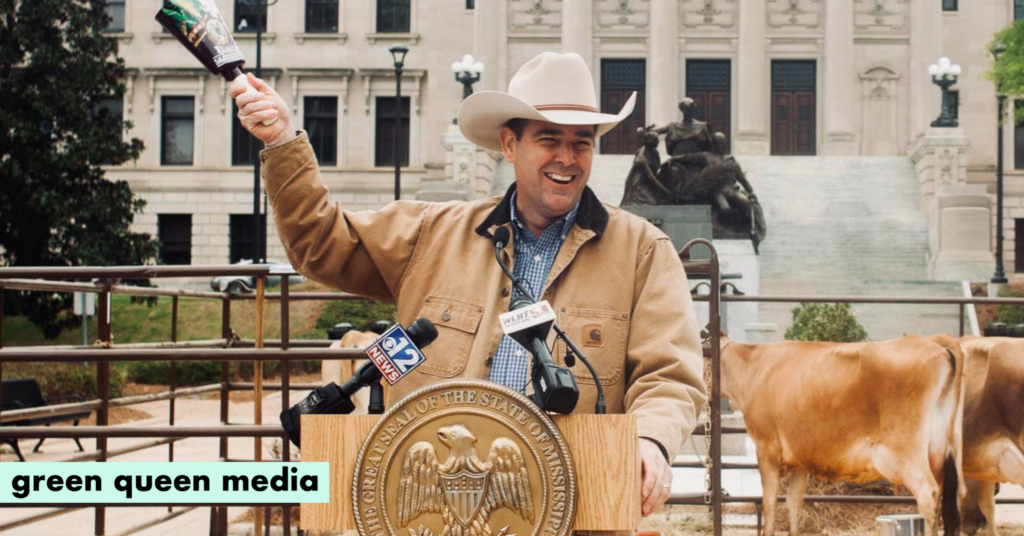
Andy Gipson, Mississippi’s Commissioner of Agriculture and Commerce, publicly lauded the new law. Speaking at a National Ag Day event, Gipson, who is also a candidate for governor in 2026, articulated a broader sentiment regarding the perceived encroachment of artificial products into daily life.
"We are living in a time where it seems everything is artificial, and you wonder what is real," Gipson stated. "We’ve seen everything from fake grass – Astroturf – to fake meat, and now they’ve come up with lab-grown, or fake, milk. So today, we’re especially proud to be here to celebrate agriculture and to promote real food for real people. Thank you to our legislators for making Mississippi the first state in America to outlaw fake milk."
This statement underscores a core argument often presented by opponents of cultivated foods: a preference for traditional agricultural methods and a skepticism towards technologically derived alternatives. The emphasis on "real food for real people" suggests a framing of the debate that prioritizes established food systems and perceived naturalness over innovation.
A Proactive Approach to Emerging Technologies
The ban on cultivated dairy in Mississippi is particularly noteworthy because the products it prohibits are not yet available for sale in the United States. This preemptive legislative action reflects a trend observed in several U.S. states concerning cultivated meat. Representative Pigott has been a consistent advocate for restricting alternative proteins since at least 2019, when he first proposed legislation related to their labeling. While that initial effort was unsuccessful, it laid the groundwork for subsequent legislative actions.

The new law not only targets cultivated dairy but also expands and refines Mississippi’s existing regulations on the labeling of meat and related products. The intent is to ensure that consumers are not misled by misbranding, clarifying the legal definitions of meat, manufactured proteins, cultivated meat, and plant-based alternatives. This broader legislative scope aims to create a more robust framework for food labeling within the state, addressing the evolving landscape of food production.
The Global Landscape of Cultivated Dairy
Globally, the field of cultivated dairy is still in its nascent stages, with only a handful of companies actively developing the technology. Prominent among these are Opalia, Wilk, Senara, and Brown Foods. Opalia, in particular, has made significant strides, securing what is described as the world’s first commercial supply agreement for cell-based dairy last year. The company is reportedly preparing to submit applications for regulatory approval to the U.S. Food and Drug Administration (FDA).
The development of these technologies involves cultivating animal cells in a controlled environment to produce dairy components like milk proteins and fats. This process aims to replicate the composition and nutritional profile of conventional dairy products while potentially offering environmental and ethical advantages, such as reduced land use, water consumption, and greenhouse gas emissions, as well as avoiding the need for animal agriculture.
However, the path to market for these innovations faces significant regulatory hurdles and public perception challenges, as evidenced by Mississippi’s legislative action. The industry is grappling with establishing clear labeling standards and navigating consumer acceptance of products derived from cell cultivation.
A Growing Trend of State-Level Bans
Mississippi’s ban on cultivated dairy is part of a broader pattern of legislative action in the U.S. targeting cultivated meat and, increasingly, other forms of alternative proteins. Prior to the cultivated dairy ban, eight states had already implemented outright bans or moratoriums on the sale of cultivated meat: Florida, Alabama, Montana, Indiana, Nebraska, Texas, and South Dakota.

Several other states are actively considering or have proposed similar legislation. Arizona, for instance, has a bill that could impose prison sentences of up to 18 months for violations, while Virginia has introduced legislation focused on labeling restrictions for these products. These legislative efforts indicate a growing movement among states to regulate or prohibit the sale of cultivated foods before they become widely available.
The motivations behind these bans are multifaceted, often cited as protecting traditional agriculture, ensuring consumer clarity, and expressing skepticism about the safety or necessity of these new technologies. However, critics argue that such preemptive bans stifle innovation, limit consumer choice, and can be influenced by lobbying efforts from established agricultural industries.
Implications and Future Outlook
The enactment of Mississippi’s ban on cultivated dairy products raises questions about the future trajectory of alternative protein regulation in the United States. By outlawing a product category that does not yet exist commercially within its borders, Mississippi has established a precedent for preemptive legislative action. This move could embolden other states to consider similar measures, potentially creating a patchwork of regulations across the country that could impede the development and commercialization of cultivated foods.
The ban also highlights a potential disconnect between the pace of technological innovation and the speed of regulatory and legislative responses. While companies are investing in and developing these novel food production methods, policymakers are grappling with how to categorize, label, and govern them. The distinction between cell-cultivated products and those produced through precision fermentation, as drawn in Mississippi’s law, suggests that the debate over definitions and labeling will continue to be a central issue.
For the cultivated dairy industry, Mississippi’s ban serves as a significant early challenge. It underscores the importance of engaging with policymakers, educating the public, and working within existing and evolving regulatory frameworks. The success of companies like Opalia in securing supply agreements and pursuing FDA approval will be critical in shaping the broader acceptance and future of cultivated dairy products in the United States. As more states consider similar legislation, the landscape for alternative proteins in the U.S. is likely to remain dynamic and complex, marked by ongoing debates about innovation, tradition, and the future of food.
