
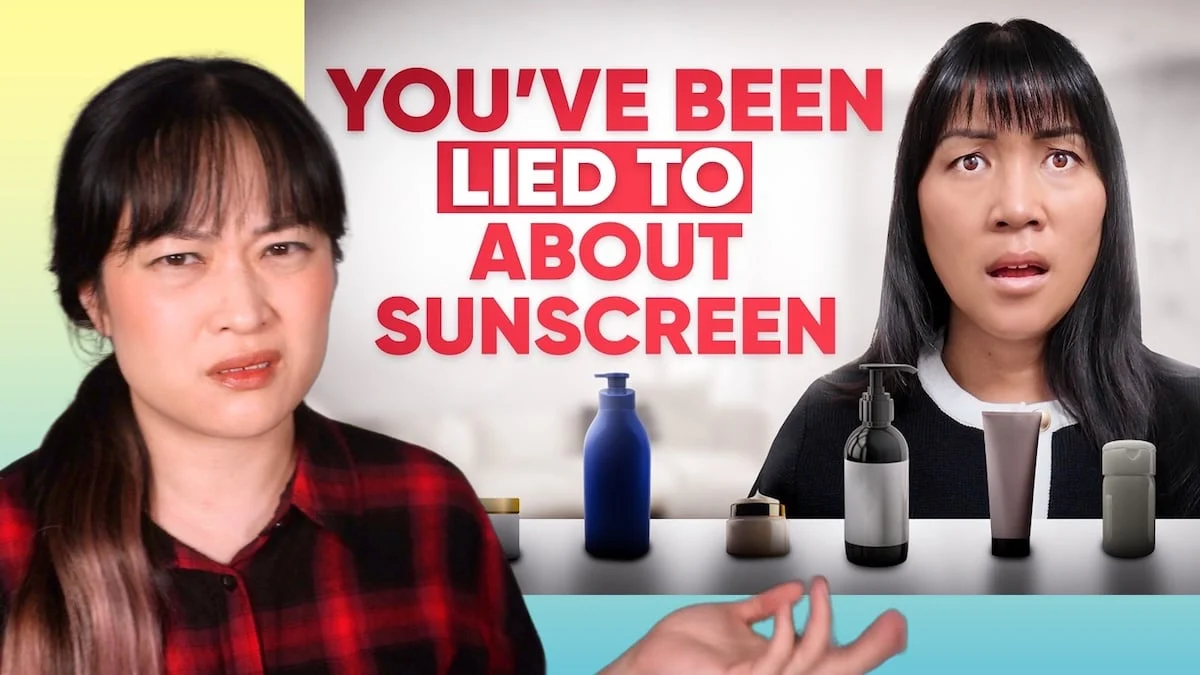
A long-standing debate concerning the safety of retinyl palmitate, a derivative of vitamin A, in sunscreen formulations has resurfaced, fueled by various "clean beauty" advocates and recent online content. Claims suggesting that retinyl palmitate can increase the risk of skin cancer when exposed to sunlight have been widely promoted by organizations such as the Environmental Working Group (EWG) in their annual sunscreen guides and by influential figures like toxicologist Dr. Yvonne Burkart in her video titled, "You’ve been lied to about sunscreen: Toxicologist reveals 6 things you should know about sunscreen." However, a detailed scientific rebuttal, spearheaded by cosmetic chemist Michelle Wong of Lab Muffin Beauty Science and toxicologist Mohammed Kanadil (@MoSkinLab), and peer-reviewed by experienced toxicologists Dr. Norbert Kaminski and Dr. Lyle Burgoon, aims to clarify the scientific consensus, affirming the ingredient’s safety based on comprehensive regulatory assessments.
The Genesis of the Controversy: Claims and Counter-Claims
The core of the concern revolves around retinyl palmitate’s stability under UV radiation and its potential to generate reactive oxygen species (ROS), which are known contributors to oxidative stress and DNA damage, precursors to photocarcinogenesis. Dr. Burkart’s video, which quickly garnered significant attention, explicitly stated, "Some [sunscreen] ingredients can actually promote skin cancer. This one is really shocking because that’s the exact opposite of what sunscreen is supposed to do. Retinyl palmitate is a synthetic form of vitamin A that’s often added to sunscreens for its so-called anti-aging benefit." She elaborated, claiming that "when exposed to sunlight, retinyl palmitate becomes highly unstable, breaks down into free radicals, which are extremely reactive. These free radicals damage DNA and lipids, as well as proteins, accelerate skin aging and may even increase the risk of tumor formation over time."
The claims made by Dr. Burkart and the EWG primarily reference three categories of scientific studies to support their assertions: in vitro experiments, cell studies, and animal studies. These studies, while forming part of the broader scientific literature, are often presented without critical context regarding their applicability to real-world human skin conditions and comprehensive regulatory assessments.
Deconstructing the Evidence: In Vitro, Cell, and Animal Studies
The scientific community acknowledges the existence of studies indicating that retinyl palmitate can break down under UV exposure in laboratory settings.
- In vitro experiments: Test tube studies have shown that retinyl palmitate can generate reactive oxygen species upon UV exposure. These ROS can indeed damage cellular structures, including DNA, leading to oxidative stress, a known mechanism in skin cancer development. However, the crucial distinction lies in the experimental environment. In vitro setups typically isolate retinyl palmitate, observing its reaction in a simplified system devoid of the complex biological matrix present in human skin.
- Cell studies: Research involving cells in petri dishes has demonstrated increased mutation rates when retinyl palmitate was added and subsequently exposed to UV light. Similar to in vitro experiments, these isolated cellular environments lack the intricate protective mechanisms and antioxidant defenses inherent to living human tissue.
- Animal studies: A specific study conducted by the National Toxicology Program (NTP) is frequently cited. This research found that hairless mice whose skin was treated with retinyl palmitate and exposed to simulated sunlight developed significantly more skin tumors compared to control groups exposed to simulated sunlight without the ingredient. This finding, while seemingly alarming, requires careful interpretation within the broader scientific context.
These studies, though valid in their specific experimental frameworks, represent preliminary steps in toxicological assessment. They are designed to identify potential hazards under controlled, often extreme, conditions to flag areas for further investigation, rather than to directly predict human health risks under normal use.
The NTP Mouse Study: A Critical Examination of Methodologies
The NTP study, published in 2012, has been a cornerstone of arguments against retinyl palmitate. While its findings indicated an increased incidence of skin tumors in hairless mice treated with retinyl palmitate and exposed to simulated solar light, safety assessors have identified several critical limitations that preclude a direct extrapolation to human risk.
Firstly, the use of hairless mice is a significant factor. These animals are intentionally chosen for photocarcinogenesis studies because their lack of protective hair and extreme sensitivity to UV radiation allows for the rapid development of tumors, facilitating quicker research results. However, this inherent sensitivity means their skin biology and response to UV differs substantially from human skin, which is far more adapted to sun exposure and possesses robust protective mechanisms. The conclusions drawn from these highly susceptible animal models do not directly translate to the more resilient human epidermis.
Secondly, the NTP study exhibited what some experts term "weird results." For instance, in certain experimental arms, more UV exposure led to fewer tumors, an outcome that contradicts the fundamental understanding of UV-induced carcinogenesis. Furthermore, the cream base without retinyl palmitate also resulted in an increased tumor incidence compared to untreated controls. This anomaly suggests that an ingredient within the cream’s base, potentially diisopropyl adipate, might have contributed to the observed phototoxicity in the mice. While diisopropyl adipate has been tested on human skin, it did not exhibit similar sensitizing effects, further highlighting the species-specific nature of the NTP findings.
These methodological nuances and unexpected outcomes underscore the importance of comprehensive evaluation by expert panels rather than relying on isolated study results.
Regulatory Scrutiny and the Consensus of Expert Panels
Despite the concerns raised by some groups, regulatory bodies and scientific committees worldwide have consistently reviewed the available data and concluded that retinyl palmitate is safe for use in sunscreens and other cosmetic products. A prime example is the Scientific Committee on Consumer Safety (SCCS) of the European Union. The SCCS is an independent panel of highly experienced scientists, predominantly toxicologists, tasked with assessing the safety of cosmetic ingredients. Their assessments are notoriously rigorous, often more detailed and comprehensive than standard peer-reviewed academic papers.
The SCCS conducted thorough reviews of vitamin A derivatives, including retinyl palmitate, in 2016 and again in 2022. These evaluations specifically considered the NTP mouse study and other relevant research. Their conclusions were clear: retinyl palmitate is safe for use in sunscreens. The SCCS outlined several reasons for their verdict:
- Complex Skin Environment: Unlike simplified in vitro experiments where retinyl palmitate is isolated, human skin is a complex organ rich in natural antioxidants (e.g., vitamin C, vitamin E, glutathione). In this intricate biological milieu, retinyl palmitate can behave differently, often acting as an antioxidant itself, thus reducing overall oxidative stress rather than increasing it.
- Human Skin Adaptation: Human skin is far more robust and adapted to UV exposure than the skin of hairless mice. It possesses inherent repair mechanisms and protective layers that significantly mitigate the effects observed in highly sensitive animal models.
- Real-World Clinical Data: Dermatologists have utilized various retinoids (including retinol and tretinoin) for over five decades. Far from promoting skin cancer, these compounds are routinely prescribed for their photoprotective and anti-cancer properties, particularly in preventing and treating certain pre-cancerous lesions and non-melanoma skin cancers. If retinoids in topical applications posed a significant skin cancer risk, the extensive clinical monitoring of dermatology patients over decades would have unequivocally revealed such a trend. The absence of such widespread issues in clinical practice provides compelling real-world evidence of their safety in this context.
It is noteworthy that the SCCS, while affirming the safety of retinyl palmitate in sunscreens, did recommend restricting the concentration of retinol in skincare products in their 2022 report. This recommendation was not due to a direct photocarcinogenic risk, but rather to minimize consumers’ overall systemic exposure to vitamin A from all sources (diet, supplements, and cosmetics) to stay within safe upper intake limits. This demonstrates the SCCS’s cautious approach and their willingness to impose restrictions when warranted, reinforcing the credibility of their retinyl palmitate safety assessment.
The Broader Implications: Navigating Misinformation in Beauty Science
The persistent debate surrounding retinyl palmitate highlights a broader challenge in public health communication, particularly within the beauty and wellness sectors. The "clean beauty" movement, while aiming to promote safer products, sometimes inadvertently amplifies anxieties by selectively interpreting scientific data or by relying on less robust evidence. Organizations like the EWG, despite their stated consumer advocacy goals, have been criticized by many scientists for their methodology, particularly their "Hazard Score" system which often oversimplifies complex toxicology and can mislead consumers about actual risks.
Misinformation, whether intentional or not, can have several negative implications:
- Consumer Anxiety and Confusion: Consumers become unnecessarily fearful of widely used and well-tested ingredients, leading to distrust in conventional science and regulatory bodies.
- Suboptimal Choices: Fear-driven decisions may lead consumers to avoid effective products, such as sunscreens containing retinyl palmitate, potentially opting for alternatives that may be less effective or have other unproven claims.
- Distortion of Scientific Consensus: By focusing on isolated studies or preliminary findings while overlooking comprehensive expert reviews, the public perception of scientific consensus can be skewed.
- Impact on Innovation and Regulation: Unfounded concerns can pressure manufacturers to reformulate products, potentially leading to increased costs or the removal of beneficial ingredients, and divert regulatory resources from addressing genuine safety concerns.
The case of retinyl palmitate serves as a critical reminder of the importance of discerning information sources. When evaluating product safety claims, consumers and journalists alike should prioritize official reports from recognized regulatory bodies (such as the SCCS, FDA, or similar national agencies) and comprehensive reviews by expert panels. These bodies undertake exhaustive analyses of all available scientific literature, weigh the evidence, consider real-world exposure scenarios, and are subject to rigorous peer review and public scrutiny, offering a far more reliable assessment of safety than individual studies or selective interpretations.
Conclusion: Evidence-Based Assurance
In summary, the assertion that retinyl palmitate in sunscreens increases the risk of skin cancer is not supported by the overwhelming body of scientific evidence and the consensus of international regulatory toxicologists. While early laboratory and animal studies did raise questions about its photostability and potential for oxidative stress, subsequent rigorous reviews by expert committees like the EU’s SCCS have thoroughly addressed these concerns. They concluded that the unique biological environment of human skin, the limitations of animal models, and the long-standing clinical use of retinoids all point to the safety and, in many cases, the beneficial role of retinyl palmitate in topical formulations.
For consumers seeking to make informed decisions about their skincare and sun protection, relying on evidence-based guidance from established scientific and regulatory authorities is paramount. The continued presence of retinyl palmitate in mainstream sunscreens reflects this scientific consensus, ensuring that these products offer effective sun protection without posing an increased risk of skin cancer.
