
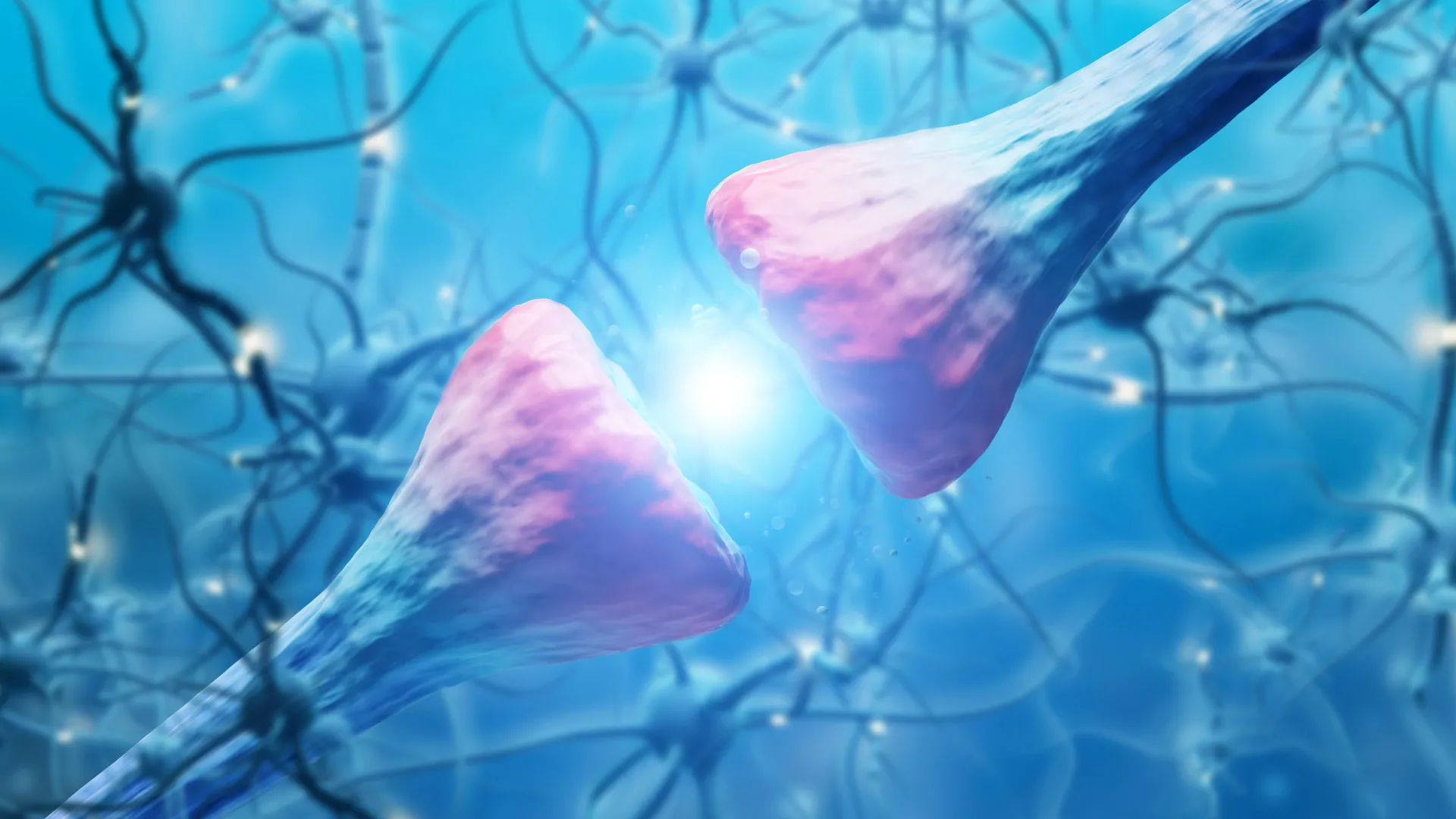
Relapsing into cocaine use is not simply a matter of weak willpower. New research, published in the prestigious journal Science Advances and supported by the National Institutes of Health, reveals that it can result from profound and lasting biological changes within the brain. Scientists at Michigan State University (MSU) have identified critical alterations in brain circuits, particularly involving the hippocampus, that render the urge to return to cocaine extremely difficult to resist. This groundbreaking work not only deepens our understanding of addiction’s intractable nature but also illuminates promising avenues for future therapeutic interventions.
The study, led by Andrew Eagle, a former postdoctoral researcher in the lab of senior author A.J. Robison, a professor of neuroscience and physiology, focused on the intricate mechanisms by which cocaine exerts its addictive power. Their findings underscore a paradigm shift in viewing addiction, moving away from a purely moral failing to a complex disease rooted in neurobiological disruption. "Addiction is a disease in the same sense as cancer," Robison stated. "We need to find better treatments and help people who are addicted in the same sense that we need to find cures for cancer." This sentiment highlights the urgent need for evidence-based approaches and increased research funding to combat the widespread devastation wrought by substance use disorders.
The Pervasive Challenge of Cocaine Addiction
Cocaine addiction remains a significant public health crisis, affecting at least one million individuals across the United States. Despite the sheer scale of the problem, there is currently no medication specifically approved by the Food and Drug Administration (FDA) designed to treat cocaine addiction directly. This stands in stark contrast to opioid addiction, where medications like methadone and buprenorphine have proven effective in managing withdrawal and reducing cravings. While cocaine cessation typically does not involve the severe physical withdrawal symptoms characteristic of opioids, the psychological dependence and the overwhelming compulsion to use the drug present formidable barriers to recovery.
The insidious nature of cocaine addiction stems from its profound impact on the brain’s reward pathways. Cocaine dramatically elevates dopamine levels in these areas, creating an intense surge of pleasure and a powerful sense of reward. This neurochemical cascade floods the brain with signals that the drug is highly beneficial, overriding the brain’s natural ability to distinguish between life-sustaining activities and harmful substances. This potent positive reinforcement mechanism can quickly establish a deeply ingrained association between the drug and feelings of euphoria, making it exceedingly difficult for individuals to disengage from its use.
The consequences of this neurobiological rewiring are starkly illustrated by relapse rates. Even after periods of abstinence or engagement in treatment programs, a significant proportion of individuals return to cocaine use. Statistics from the National Institute on Drug Abuse (NIDA) indicate that approximately 24% of individuals who have used cocaine in the past year may return to weekly use. Furthermore, an additional 18% may re-enroll in treatment programs within a year, underscoring the cyclical and persistent nature of this addiction. These figures underscore the limitations of current treatment strategies and the critical need for a deeper understanding of the underlying biological mechanisms driving relapse.
Unmasking the Molecular Driver: The Role of DeltaFosB
At the heart of the MSU researchers’ discovery lies a crucial protein: DeltaFosB. Andrew Eagle’s meticulous work identified this molecule as a key player in perpetuating the drive to seek cocaine. To investigate its influence, Eagle employed a sophisticated form of CRISPR technology, a revolutionary gene-editing tool, to examine how DeltaFosB affects specific neural circuits in mice that had been exposed to cocaine. This advanced methodology allowed researchers to pinpoint the molecular and genetic underpinnings of addiction-related behaviors with unprecedented precision.
The experiments conducted with mouse models provided compelling evidence that DeltaFosB acts as a molecular switch. It possesses the remarkable ability to activate or suppress the expression of various genes within the critical circuit connecting the brain’s reward center to the hippocampus. The hippocampus, a vital brain region, serves as the brain’s central hub for memory and learning, playing a pivotal role in consolidating experiences and forming new associations.
The study revealed a cumulative effect of cocaine use on DeltaFosB levels. With prolonged exposure to the drug, this protein progressively accumulates within the reward-hippocampal circuit. As its concentration increases, DeltaFosB fundamentally alters the functioning of neurons within this pathway. It modifies how these nerve cells communicate with each other and reshapes the circuit’s overall response to the presence of cocaine or cues associated with its use. This persistent alteration in neural circuitry explains why even after the drug is no longer present, the brain remains primed for relapse.
"This protein isn’t just associated with these changes, it is necessary for them," Eagle emphasized. His statement is a powerful declaration of DeltaFosB’s causal role. "Without it, cocaine does not produce the same changes in brain activity or the same strong drive to seek out the drug." This finding is critical because it identifies a specific molecular target that, if modulated, could potentially disrupt the addiction cycle. The implication is that DeltaFosB is not merely a marker of addiction but a direct facilitator of its persistence and the overwhelming cravings that lead to relapse.
Genes That Amplify the Craving: The Calreticulin Connection
Further exploration by the MSU team uncovered additional genes that are intricately regulated by DeltaFosB following chronic cocaine exposure. Among these, the gene for calreticulin emerged as particularly significant. Calreticulin is a protein known to play a role in various cellular functions, including calcium regulation and protein folding, but its involvement in addiction pathways was previously less understood.
The researchers demonstrated that increased levels of calreticulin, influenced by DeltaFosB, directly contribute to heightened activity in specific brain pathways. These pathways are intrinsically linked to the motivational drives that compel individuals to continue seeking cocaine. Essentially, calreticulin appears to accelerate the very processes within the brain that reinforce addictive behaviors, creating a feedback loop that intensifies the desire for the drug and makes abstinence increasingly arduous. This discovery adds another layer to the complex biological tapestry of addiction, highlighting how multiple genetic and molecular players collaborate to maintain drug-seeking behavior.
A New Frontier in Treatment Development
While the study was meticulously conducted using mouse models, the findings hold significant promise for human therapeutics. The fundamental biological mechanisms governing addiction, including the roles of proteins like DeltaFosB and shared neural circuits, are remarkably conserved across mammalian species, including humans. This biological commonality provides a strong rationale for translating these preclinical findings into clinical applications.
Robison’s research team is actively pursuing this translational goal. They are currently collaborating with scientists at the University of Texas Medical Branch in Galveston. This partnership, bolstered by a grant from the National Institute on Drug Abuse (NIDA), is focused on the development of novel compounds designed to specifically target DeltaFosB. The primary objective is to create and rigorously test molecules capable of modulating how DeltaFosB interacts with DNA. By interfering with DeltaFosB’s ability to regulate gene expression, these compounds could potentially dampen the neurobiological changes that drive cocaine cravings and relapse.
"If we could find the right kind of compound that works in the right way, that could potentially be a treatment for cocaine addiction," Robison expressed, tempering his optimism with a realistic outlook. "That’s years away, but that’s the long-term goal." This statement underscores the rigorous scientific process involved in drug development, which necessitates extensive research, preclinical testing, and multiple phases of clinical trials before any new treatment can become available to patients. However, the identification of a specific molecular target like DeltaFosB represents a significant leap forward in the quest for effective cocaine addiction therapies.
Examining Sex Differences in the Landscape of Addiction
Looking ahead, the MSU research team is poised to embark on the next critical phase of their investigations, which will delve into the complex interplay between hormones and the neural circuits involved in addiction. A key focus will be to investigate whether cocaine exerts differential effects on the brains of male and female individuals. This line of inquiry is crucial, as emerging evidence suggests that sex hormones can influence the neurobiological pathways implicated in addiction, potentially contributing to observed differences in susceptibility, severity, and response to treatment between men and women.
Understanding these sex-specific differences in addiction could provide invaluable insights into why addiction risks and patterns sometimes vary between genders. For instance, hormonal fluctuations throughout the menstrual cycle or during different life stages could alter an individual’s vulnerability to drug cues and cravings. By unraveling these distinctions, researchers and clinicians can move towards developing more personalized and effective treatment approaches, tailoring interventions to the unique biological and psychological profiles of each individual, regardless of gender. This personalized medicine approach holds the potential to significantly improve treatment outcomes and reduce the long-term burden of cocaine addiction. The commitment to exploring these nuanced biological factors signals a sophisticated and comprehensive strategy to combat a multifaceted disease.
