
The prevailing narrative around encouraging sustainable dietary choices often hinges on individual behavioral nudges, a strategy increasingly scrutinized for its limitations in addressing systemic environmental challenges. Katie Cantrell, co-founder and CEO of the behavioral change non-profit Greener By Default, argues that the food industry, particularly in its pursuit of promoting plant-based options, must move beyond this myopic focus. While nudges have historically been wielded to maximize corporate profits, Cantrell asserts that their potent influence can and should be redirected towards fostering public health and environmental well-being, citing the impactful success of a plant-based default initiative in New York City hospitals as a prime example.
The critique of individual nudging is not new. Recent scholarly and journalistic analyses have highlighted how corporations have leveraged this psychological principle to shift responsibility for environmental impact onto consumers, encouraging personal guilt over collective action and systemic reform. This approach allows polluting industries to deflect calls for robust regulation and policy changes, such as the implementation of a carbon tax, by focusing public attention on minor adjustments in personal consumption habits. As observed by Sonalie Figueiras, an overemphasis on consumer choice in the plant-based food sector may also contribute to recent market fluctuations. The plant-based market, like many consumer-driven industries, is susceptible to shifts in public sentiment, which can be notoriously volatile and easily swayed by sophisticated, well-funded disinformation campaigns aimed at undermining the perceived benefits and safety of plant-based diets.

Despite these criticisms, the reality is that nudges are deeply embedded in the fabric of our daily lives. From the arrangement of products in supermarkets to the layout of restaurant menus, these subtle influences are omnipresent. However, their current application overwhelmingly serves to maximize profit. Restaurants, for instance, strategically place high-margin items at the beginning of menu sections, knowing that this prime real estate significantly influences customer orders. Similarly, confectionary giants position brightly colored candies at checkout counters, capitalizing on impulse buys and often overriding a consumer’s initial intention to make a healthier choice. The core of Cantrell’s argument lies in repurposing this inherent power of nudging – not to eliminate profit, but to strategically align it with positive societal outcomes.
Leveraging Nudges for Societal Benefit
The potential of nudges to drive positive change is substantial, particularly within the food service sector. Cantrell proposes a simple yet profound shift: reordering the placement of food options to favor plant-based choices. Imagine a buffet line where plant-based entrees are presented before their meat-based counterparts. This seemingly minor alteration, mirroring the profit-driven placement strategies of restaurants, can significantly increase the uptake of plant-based meals. While this alone will not dismantle the industrial animal agriculture complex, it represents an accessible and widely implementable strategy that can complement broader advocacy for policy reform and changes in agricultural subsidies.
The effectiveness of nudges is not uniform, and certain types hold greater sway than others. Among behavioral interventions, "defaults" stand out as particularly powerful. Defaults are the pre-selected options presented to individuals when no active choice is made. These are the settings that govern our digital lives, from the pre-installed apps on a new smartphone to the privacy settings on social media platforms. Tech companies have long understood and exploited the inertia associated with defaults, meticulously crafting them to serve business objectives, which often translate into increased revenue or user engagement. Cantrell contends that this same principle can be applied to food choices, creating a default pathway that favors sustainability and health.

New York City’s Hospitals: A Groundbreaking Model
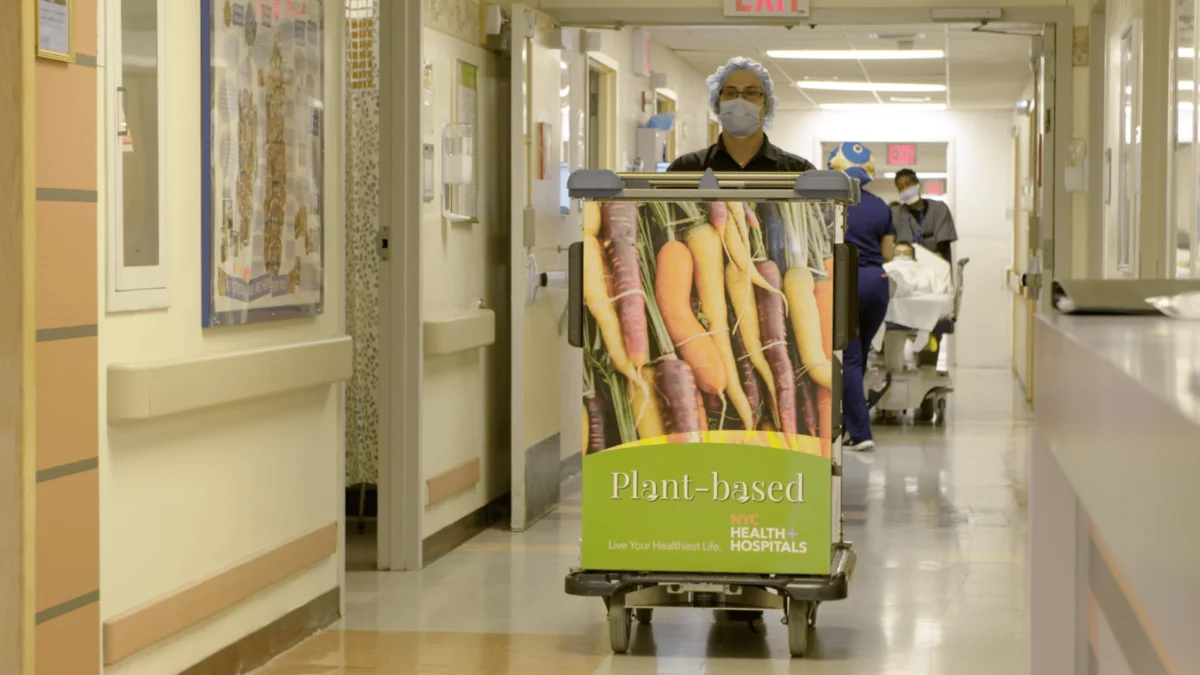
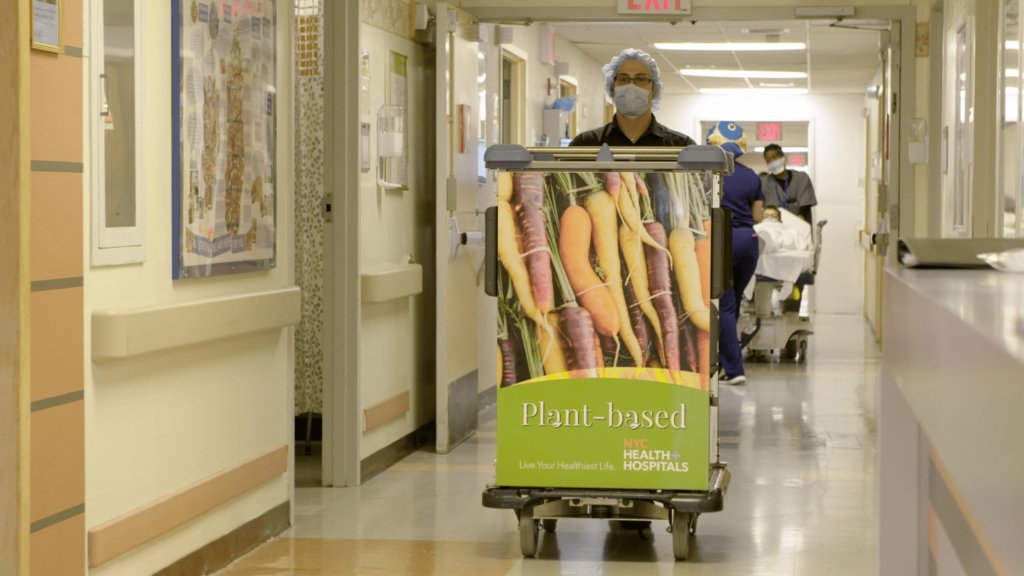
A compelling real-world illustration of the power of shifting defaults to benefit both people and the planet can be found within the New York City (NYC) Health + Hospitals system. Prior to 2022, the traditional menu structure at these facilities presented patients with two daily "Chef’s Specials," which were predominantly meat-based. Patients adhering to vegetarian or vegan diets were required to actively request a plant-based alternative. This arrangement effectively established meat as the default, creating a self-fulfilling prophecy where the perceived norm was consumption of animal products, and deviations required conscious effort and potential social discomfort.
Greener By Default, in collaboration with NYC Health + Hospitals, the Mayor’s Office of Food Policy, and Sodexo, a leading food services and facilities management company, spearheaded a transformative initiative. The core of this project was to redesign the daily Chef’s Specials to be entirely plant-based. Patients who did not wish to select either of the plant-based options were then presented with meat-based choices. This strategic reordering of the default menu fundamentally shifted the nutritional landscape for patients.
The success of this initiative was multifaceted. Chef Philip Demaiolo, the Culinary Director, played a pivotal role by ensuring the plant-based specials were not only nutritious and comforting but also culturally resonant and appealing. Over the initial 18-month period following the implementation of the new default, this simple change resulted in the transition of over one million meals from meat-based to plant-based. Beyond the direct dietary impact, this shift yielded significant environmental benefits, reducing the carbon footprint of the entire foodservice program by over 33%. Crucially, the initiative also proved to be economically advantageous, demonstrating that sustainable food choices can lead to cost savings within large-scale food service operations.
The widespread success and positive outcomes observed within NYC Health + Hospitals prompted further collaboration. Building on this momentum, Sodexo partnered with Greener By Default to expand the implementation of plant-based defaults. This expansion aims to make plant-based options the default for one meal per day across Sodexo’s diverse portfolio of accounts nationwide. The projected impact of this nationwide rollout is substantial, anticipating a yearly transition of approximately ten million meals from meat-based to plant-based offerings.
The Sweet Spot of Defaults: Systemic Impact with Personal Autonomy
Defaults occupy a unique and effective position in the spectrum of change strategies, bridging the gap between individual behavioral adjustments and large-scale systemic transformations. By influencing purchasing policies at an institutional level, the impact of shifting defaults extends far beyond the immediate choices of individual consumers. Research indicates that these policy-driven defaults can serve as a powerful catalyst for promoting health equity. When nutritious, plant-based options become the default in settings like hospitals, schools, and workplaces, it disproportionately benefits underserved communities who may have limited access to healthy food options or face greater barriers to making healthier choices.
Furthermore, the approach championed by Greener By Default acknowledges the deeply personal nature of food. Rather than imposing rigid mandates for entirely plant-based menus, the strategy prioritizes preserving individual freedom of choice. This nuanced approach is critical for respecting diverse cultural traditions, dietary preferences, and individual needs. By making plant-based the default, the system encourages healthier and more sustainable eating habits without eliminating alternative choices, fostering a more inclusive and adaptable path towards a greener food future. The success in NYC hospitals demonstrates that this model can simultaneously advance public health, environmental sustainability, and economic efficiency, offering a scalable and impactful blueprint for the broader food industry. The ongoing expansion of this model by Sodexo signifies a growing recognition within major food service providers of the viability and benefits of integrating sustainability into core operational strategies through intelligent default settings.
