
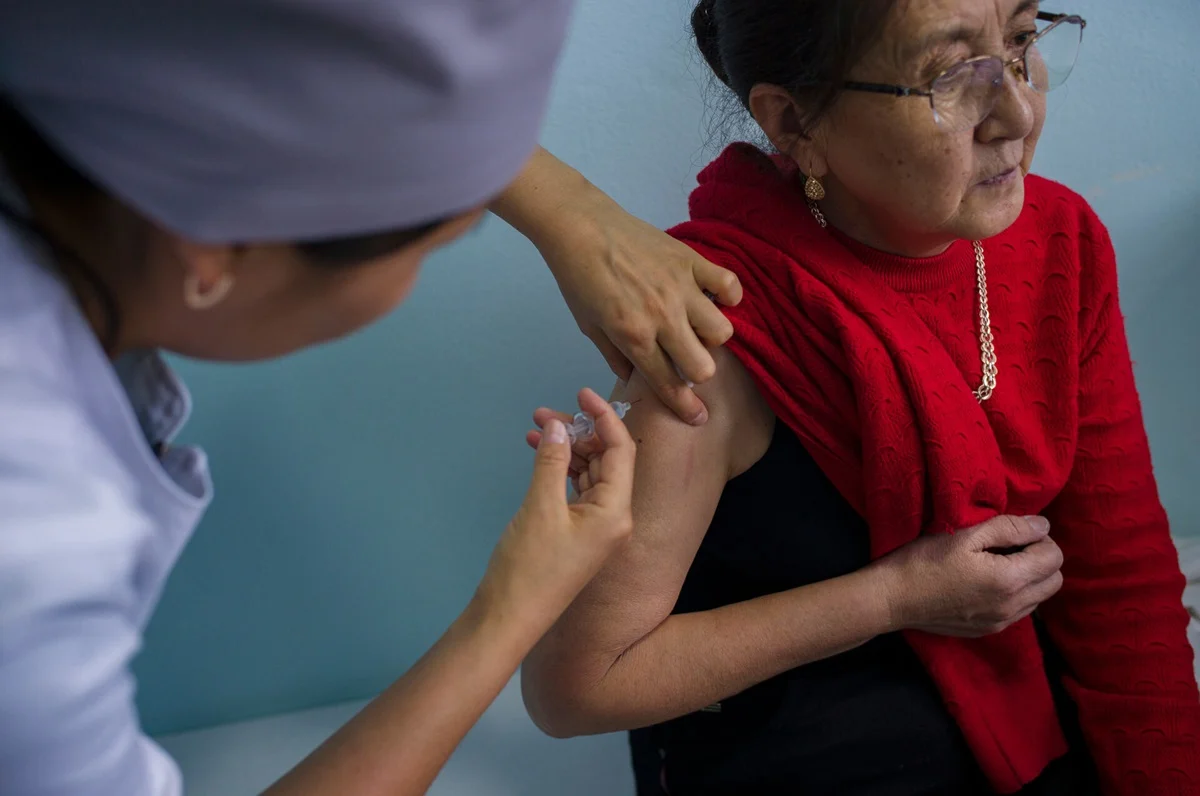
The World Health Organization (WHO) has officially released its recommendations for the viral composition of influenza vaccines for the 2026-2027 Northern Hemisphere season, marking a critical step in the global effort to mitigate the impact of seasonal respiratory illness. The announcement follows an intensive four-day consultation involving a panel of international experts who reviewed extensive surveillance data collected through the Global Influenza Surveillance and Response System (GISRS). This annual recalibration is essential to ensure that the vaccines produced by pharmaceutical companies are precisely aligned with the most recent evolutionary changes in circulating influenza viruses, thereby maximizing efficacy in preventing severe disease, hospitalization, and mortality.
The Critical Role of Strain Selection and Viral Evolution
The necessity of updating influenza vaccines twice a year—once for the Northern Hemisphere and once for the Southern Hemisphere—stems from the unique biological nature of the influenza virus. Unlike many other viruses that remain relatively stable, influenza undergoes constant "antigenic drift." These are small genetic changes that occur as the virus replicates, leading to alterations in the surface proteins (hemagglutinin and neuraminidase) that the human immune system recognizes. Over time, these changes accumulate, eventually resulting in a virus that is sufficiently different from its ancestors that antibodies produced by previous infections or vaccinations no longer provide effective protection.
To counter this, the WHO coordinates a massive global infrastructure to monitor these changes in real-time. The GISRS network, which has been operational since 1952, serves as the backbone of this effort. It consists of over 150 National Influenza Centres in 127 countries, alongside several WHO Collaborating Centres and Essential Regulatory Laboratories. This network analyzes tens of thousands of viral samples annually, providing the data necessary for experts to predict which strains will likely dominate the upcoming season.
Analysis of the 2025-2026 Season and the Emergence of Subclade K
A primary driver for the 2026-2027 recommendations was the observation of significant shifts in viral activity during the latter half of 2025. In August 2025, health officials identified a notably different variant of the A(H3N2) virus, scientifically classified as J.2.4.1 and colloquially referred to as "Subclade K." This variant demonstrated a high degree of fitness, spreading rapidly across multiple continents and displacing older lineages of the H3N2 virus.
The rapid proliferation of Subclade K was linked to an atypically early start to the influenza season in several countries in the Northern Hemisphere. Public health reports indicated higher-than-usual levels of influenza activity during the autumn months, with Subclade K accounting for the vast majority of laboratory-confirmed cases in most regions. While influenza A viruses—specifically A(H3N2) and A(H1N1)pdm09—remained the predominant cause of illness, the dominance of this new subclade necessitated a swift update to the vaccine components to ensure the 2026-2027 formulation provides a robust immune match.
In contrast to the high activity of influenza A, influenza B viruses showed relatively low circulation. The B/Victoria lineage continued to be detected at baseline levels. Notably, the B/Yamagata lineage has not been confirmed in a laboratory setting anywhere in the world since March 2020. This ongoing absence has led to continued discussions among global health authorities regarding the eventual transition from quadrivalent vaccines (which protect against four strains) back to trivalent vaccines (protecting against three), as the inclusion of a B/Yamagata component may no longer be necessary.
Zoonotic Influenza and the Persistent Threat of Pandemics
Beyond seasonal strains, the WHO consultation focused heavily on zoonotic influenza—viruses that circulate in animals but have the potential to jump to humans. These "spillover" events are of paramount concern to global health security, as they represent the primary source of potential pandemic influenza strains.
Since September 23, 2025, the WHO has been notified of 25 human infections with zoonotic influenza across six different countries. The majority of these cases involved individuals with direct exposure to infected poultry or dairy cattle, or to environments contaminated by these animals. While these cases are concerning, the WHO confirmed that there has been no evidence of sustained human-to-human transmission.
However, the continued detection of these cases, particularly those involving "bird flu" (highly pathogenic avian influenza), requires constant vigilance. As part of the pandemic preparedness protocol, the WHO experts recommended the development of a new candidate vaccine virus (CVV) for the A(H9N2) virus. CVVs are "master" viruses created in specialized laboratories that can be shared with manufacturers to jumpstart large-scale vaccine production should a specific zoonotic strain begin to spread efficiently among humans.
Official Statements and Global Coordination
The importance of this collaborative effort was highlighted by Dr. Tedros Adhanom Ghebreyesus, WHO Director-General, who emphasized the interconnectedness of global health. "Season after season, constantly evolving influenza viruses circulate globally, showing us how connected our world is. Shared risks require shared action," Dr. Tedros stated. He credited the GISRS and its partners for their "diligent, year-round work," noting that the updated recommendations are the direct result of a massive, coordinated scientific undertaking.
National vaccine regulatory agencies and pharmaceutical manufacturers now look to these WHO recommendations as the definitive blueprint for the upcoming production cycle. Because it takes approximately six to eight months to manufacture, test, and distribute hundreds of millions of vaccine doses, these decisions must be made well in advance of the winter months.
Technical Specifications for the 2026-2027 Vaccine Composition
The WHO provides specific recommendations for different types of vaccine manufacturing platforms, as the virus can grow differently in eggs versus cell cultures.
Egg-Based Vaccines
For manufacturers utilizing traditional egg-based production methods, the WHO recommends that vaccines for the 2026-2027 Northern Hemisphere season contain strains representing the following:
- An A/Victoria/4897/2022 (H1N1)pdm09-like virus;
- An A/Subclade K-related (H3N2) virus (specific reference strains are provided to manufacturers to match the J.2.4.1 variant);
- A B/Austria/1359417/2021 (B/Victoria lineage)-like virus.
Cell Culture, Recombinant Protein, or Nucleic Acid-Based Vaccines
For manufacturers using newer technologies, such as cell culture or mRNA platforms, the recommended composition is:
- An A/Wisconsin/67/2022 (H1N1)pdm09-like virus;
- An A/Subclade K-related (H3N2) virus;
- A B/Austria/1359417/2021 (B/Victoria lineage)-like virus.
These specifications ensure that regardless of the manufacturing technology used, the resulting immune response in the population will be targeted toward the specific genetic markers of the viruses currently circulating in the wild.
The Global Burden of Influenza and the Impact of Immunization
The annual update of the influenza vaccine is not merely a technical exercise but a vital public health intervention. Seasonal influenza is a major cause of morbidity and mortality worldwide. Current estimates indicate approximately one billion cases of seasonal influenza annually, resulting in 3 to 5 million cases of severe illness. The respiratory complications arising from these infections cause between 290,000 and 650,000 deaths every year.
Beyond the human toll, the economic impact is staggering. Influenza leads to significant loss of productivity, increased healthcare costs, and surges in hospital admissions that can overwhelm medical systems, particularly during the peak winter months. By providing a vaccine that is closely matched to circulating strains, health authorities can significantly reduce the "burden of disease," protecting vulnerable populations such as the elderly, young children, pregnant women, and those with underlying health conditions.
Looking Ahead: Manufacturing and Distribution
With the recommendations now finalized, the focus shifts to the global pharmaceutical industry. The next six months will involve a high-stakes race to produce the necessary volume of doses. Manufacturers will use the candidate vaccine viruses to grow the viral components, which are then purified and formulated into the final vaccine product.
Regulatory agencies in each country, such as the FDA in the United States or the EMA in Europe, will perform their own assessments based on the WHO’s data to grant final approval for the 2026-2027 formulations. Public health departments will then begin planning vaccination campaigns, which typically commence in the late summer or early autumn to ensure the population is protected before the virus begins its seasonal surge.
The emergence of Subclade K serves as a reminder of the volatility of respiratory viruses. As the world moves toward the 2026-2027 season, the WHO’s proactive stance and the robust data provided by the GISRS remain the primary line of defense against an ever-changing viral landscape. The integration of surveillance, scientific expertise, and international cooperation ensures that even as the flu virus evolves, global health systems remain one step ahead.
