
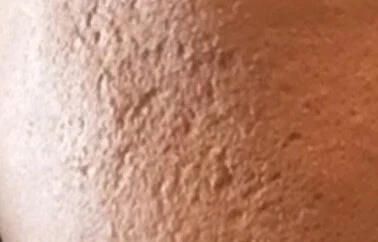
A Canadian lawyer, whose identity remains anonymous for privacy, has candidly articulated the profound and debilitating impact of living with severe acne scarring, offering a rare glimpse into a condition that extends far beyond the surface. Her powerful testimony highlights the daily struggle, asserting that "Every day is a struggle, and the emotional wounds feel just as raw as the physical ones." This sentiment underscores a critical, yet often overlooked, dimension of dermatological conditions: their pervasive psychological and social repercussions. At 40 years old, this South Asian woman confronts the chasm between societal expectations of self-acceptance and the harsh reality of carrying visible, disfiguring scars on one’s face. "It is easy to say ‘accept yourself, love yourself’ but the reality is that we carry many scars with us, and when you also carry them on your face, that weight becomes very heavy," she explains, shedding light on the immense burden that visible scarring imposes on an individual’s sense of self-worth and public interaction.
The Personal Ordeal: A Life Defined by Scars
The lawyer’s narrative paints a vivid picture of a life significantly altered by her skin condition. She describes periods of social withdrawal, admitting, "To date, there are days when I won’t go out in public." This self-imposed isolation is a direct consequence of the physical manifestations of her scarring—deep indentations, uneven texture, and years of accumulated damage that are cruelly highlighted by specific lighting conditions or even the application of make-up. As she ages, the natural loss of skin elasticity only exacerbates the visibility of these scars, making them more pronounced and challenging to conceal. Her coping mechanisms include limiting exposure to social media and in-person socialization, a stark illustration of the profound impact on her quality of life. Her empathy extends to younger generations, recognizing the immense pressure they face in an era saturated with unrealistic beauty standards, fearing that such scars "likely could last a lifetime and that is a hard thing to accept." This observation resonates with broader concerns about the mental health implications of digital media and its role in shaping perceptions of beauty and self-worth.
The Progression of a Condition: From University to Cystic Acne
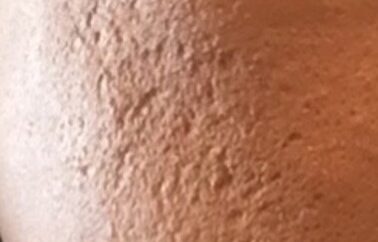
Her journey with acne commenced in her early twenties, coinciding with her university years, a period often marked by new social environments and self-discovery. However, the condition took a dramatic turn in her early thirties, escalating rapidly into a severe form characterized by painful cystic acne, leading to significant scarring and hyperpigmentation. "The progression of my acne was swift and relentless," she recounts, emphasizing the sudden and overwhelming nature of this deterioration. Within a few months, her face became covered in painful, inflamed cysts. This aggressive form of acne, combined with her South Asian heritage, presented an additional layer of complexity: a heightened risk for post-inflammatory hyperpigmentation (PIH). Indeed, this complication manifested alongside her acne, leaving her with prominent dark spots that not only further marred her complexion but also significantly narrowed her viable treatment options. This intersection of severe acne and hyperpigmentation in individuals with darker skin tones is a well-documented dermatological challenge, often requiring specialized approaches due to the risk of exacerbating pigmentation issues with certain treatments.
Beyond the Physical: The Deep Psychological and Social Toll
The sudden and dramatic change in her skin was not merely a physical inconvenience; it was, as she describes, "deeply traumatic and emotionally devastating." The sight of her once-clear skin transforming into a landscape of "large, dark and pus-filled hills" instilled a profound sense of helplessness and shattered her confidence. This emotional vulnerability translated into physical sensitivity, causing her to flinch at pain and recoil from her own reflection. The overwhelming embarrassment led to a pervasive avoidance of mirrors and a deep-seated dread of social interactions, fueled by a constant feeling of being judged. Such experiences are not isolated; numerous studies consistently demonstrate the significant psychological burden of acne, linking it to increased rates of depression, anxiety, social phobia, and body dysmorphia. A meta-analysis published in the British Journal of Dermatology found that people with acne have a 63% higher risk of developing major depression compared to those without the condition. The visibility of facial acne and scarring makes it particularly impactful, as the face is central to identity, communication, and social interaction.
Cultural Nuances and Added Burdens
For the lawyer, her South Asian cultural background added another painful dimension to her experience. She notes that "insensitive comments about skin conditions are unfortunately common" within her community, and she regularly endured "cruel and unsolicited comments" delivered with "callous disregard." This cultural context amplified her sense of isolation, creating an environment where empathy was scarce and judgment was rife. In many South Asian cultures, clear skin is often equated with beauty, purity, and even social status, making skin conditions like acne and hyperpigmentation particularly stigmatizing. This cultural pressure can exacerbate feelings of shame and inadequacy, making it even harder for individuals to seek support or accept their condition. The intersection of a severe dermatological condition with specific cultural expectations highlights the complex interplay of biology, psychology, and sociology in health experiences.
Understanding Acne Vulgaris and Scarring: A Medical Perspective
Acne vulgaris, commonly known as acne, is a chronic inflammatory skin condition affecting hair follicles and sebaceous glands. It is one of the most common skin conditions globally, impacting an estimated 85% of young adults between 12 and 24 years of age, though adult acne is also increasingly prevalent, affecting up to 50% of women in their 20s and 30s. The condition arises from a combination of factors: excess sebum production, follicular hyperkeratinization (clogging of pores), bacterial proliferation (primarily Cutibacterium acnes), and inflammation. Cystic acne, the severe form experienced by the lawyer, involves deep, painful, pus-filled lesions that can extend deep into the skin, leading to significant tissue destruction.
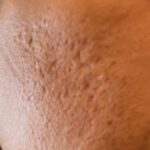
Acne scarring occurs when the inflammation from severe acne lesions damages the collagen and elastic fibers in the dermis. There are several types of acne scars:
- Atrophic scars: These are depressions in the skin, resulting from a loss of tissue. They include ice pick scars (narrow, deep, pitted scars), boxcar scars (broad, oval or round depressions with sharply defined edges), and rolling scars (broad depressions with sloping edges, giving the skin a wavy appearance). The lawyer’s description of "pitted acne scars" and "uneven texture" suggests a combination of these atrophic types.
- Hypertrophic and keloid scars: These are raised scars, resulting from an overproduction of collagen. They are less common on the face but can occur on the chest and back.
- Post-inflammatory hyperpigmentation (PIH): While not technically a scar in the textural sense, PIH involves dark spots left behind after acne lesions heal. It is particularly common and often more pronounced in individuals with darker skin tones, like the lawyer, due to higher melanin content and reactive melanocytes.
The development of severe scarring is a significant concern because, unlike active acne, scars are largely permanent without intervention. Early and aggressive treatment of active acne is crucial to prevent the formation of severe scars.
The Prevalence and Impact of Acne Globally
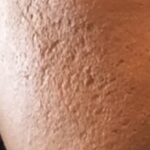
Acne is a global health issue with far-reaching implications. According to the Global Burden of Disease study, acne affects approximately 9.4% of the global population, making it the eighth most prevalent disease worldwide. Its impact is not limited to adolescence; adult-onset acne and persistent acne are increasingly recognized. The economic burden of acne includes direct costs (doctor visits, prescriptions, over-the-counter products, cosmetic procedures) and indirect costs (lost productivity, psychological distress). Studies estimate the annual cost of acne treatment in countries like the United States to be in the billions. Beyond economic figures, the intangible costs of living with severe acne and its scars—reduced self-esteem, social anxiety, impaired relationships, and even suicidal ideation—are immense and often unquantifiable. Research indicates that the psychological impact of acne can be comparable to that of chronic diseases like asthma, epilepsy, and diabetes.
Challenges in Treatment and Access
While significant advancements have been made in acne treatment, effective management, especially for severe cases and scarring, remains complex. Treatment options for active acne range from topical retinoids and antibiotics to oral antibiotics, hormonal therapies, and isotretinoin. For scarring, a variety of procedures are available, including chemical peels, microdermabrasion, microneedling, laser resurfacing (ablative and non-ablative), subcision, dermal fillers, and punch excisions. However, several challenges persist:
- Access to Dermatological Care: In many regions, including parts of Canada, there can be long wait times to see a dermatologist, delaying crucial early intervention for severe acne.
- Cost of Treatments: Many advanced treatments for scarring, such as laser therapy or dermal fillers, are considered cosmetic and are not covered by public health insurance, making them inaccessible to many.
- Specific Needs of Skin of Color: As the lawyer highlighted, individuals with skin of color face unique challenges, including a higher propensity for PIH and keloid scarring, and a need for treatments that minimize the risk of post-inflammatory hyperpigmentation or hypopigmentation. Some traditional laser treatments, for instance, must be used cautiously in darker skin types.
- Lack of Public Awareness: Despite its prevalence, there’s often a lack of public understanding about the severity of acne and its long-term consequences, leading to delays in seeking professional help.
The Role of Advocacy and Support
Organizations like Acne Action Canada play a vital role in raising awareness, providing resources, and advocating for individuals affected by acne and scarring. They emphasize the importance of early diagnosis and treatment, while also offering platforms for shared experiences and support. Dermatologists and mental health professionals often collaborate to provide holistic care, recognizing that treating the skin condition alone may not address the profound psychological scars. Expert dermatologists frequently stress that patient education, realistic expectations, and ongoing support are as critical as medical interventions. Mental health professionals provide tools for coping with body image issues, social anxiety, and depression, which are common comorbidities. The lawyer’s experience underscores the need for a multidisciplinary approach that integrates medical, psychological, and social support.

Navigating Modern Beauty Standards
The current societal landscape, heavily influenced by social media, perpetuates often unattainable beauty standards. Flawless, airbrushed skin is frequently presented as the norm, creating immense pressure on individuals to conform. This digital perfection exacerbates feelings of inadequacy for those living with visible skin conditions. The lawyer’s observation that "unrealistic beauty expectations we are surrounded by" makes her condition harder to accept highlights this pervasive issue. There is a growing movement towards body positivity and skin positivity, aiming to challenge these narrow definitions of beauty and promote acceptance of natural skin textures and conditions. However, for individuals with severe and disfiguring conditions, this journey towards self-acceptance is profoundly challenging and often requires more than just a shift in mindset; it demands effective medical intervention and robust psychological support.
A Call for Comprehensive Care and Empathy
Despite her ongoing struggle, the lawyer offers a valuable piece of advice: "today there are many more resources available and do your research thoroughly." This emphasizes the importance of patient empowerment and informed decision-making in navigating treatment options. Crucially, her experience has cultivated a deep sense of compassion and empathy. "A positive I have drawn from this experience is I have developed deep compassion and empathy for people who have had injuries to their face and others who have suffered facial disfigurement," she states. Her profound understanding of the emotional toll of visible facial differences leads her to extend her "heart, compassion and love" even more to those facing "extremely difficult challenges" beyond pitted acne scars.
The Canadian lawyer’s raw and honest account serves as a powerful reminder that skin conditions are not merely cosmetic concerns; they are medical conditions with significant physical, psychological, and social ramifications. Her story is a call to action for healthcare systems to prioritize comprehensive care for acne and scarring, for communities to foster greater empathy and understanding, and for society to re-evaluate the narrow, often damaging, definitions of beauty that permeate modern culture. Addressing the multifaceted challenges faced by individuals like her requires not only advanced medical treatments but also a profound shift in societal attitudes towards visible differences and a commitment to holistic support for those whose struggles run far deeper than the skin.
