
Polycystic Ovary Syndrome (PCOS) remains one of the most prevalent endocrine disorders among women of reproductive age, affecting approximately 8% to 13% of the global population. Characterized by a complex interplay of hormonal imbalances, insulin resistance, and ovulatory dysfunction, the condition is a leading cause of female infertility. For many patients, the journey toward conception is marked by significant emotional distress and clinical uncertainty. However, emerging research and clinical practice increasingly emphasize the role of targeted dietary interventions and nutritional supplementation as foundational pillars in managing PCOS symptoms and enhancing fertility outcomes. By addressing the underlying metabolic disturbances—specifically hyperinsulinemia and androgen excess—patients can often restore regular ovulatory cycles and improve their chances of a successful pregnancy.
The Pathophysiology of PCOS and Its Impact on Conception
The clinical manifestation of PCOS typically involves a combination of irregular menstrual cycles, hyperandrogenism (elevated levels of male hormones such as testosterone), and the presence of polycystic ovaries as viewed via ultrasound. The primary driver for many of these symptoms is insulin resistance, a condition where the body’s cells do not respond effectively to insulin, leading the pancreas to produce excess amounts of the hormone.

Elevated insulin levels do more than just disrupt blood sugar regulation; they directly stimulate the ovaries to produce excessive amounts of testosterone. This hormonal shift interferes with the development of ovarian follicles, preventing the release of a mature egg—a process known as anovulation. Consequently, women with PCOS often face a chronological challenge where the window for conception is either unpredictable or entirely absent. Furthermore, even when conception occurs, the hormonal environment in PCOS patients can heighten the risk of early pregnancy loss, making metabolic management a priority from the preconception phase through the first trimester.
A Chronology of Diagnosis and the Evolution of Treatment Paradigms
Historically, PCOS was first described in 1935 by Irving Stein and Michael Leventhal, initially known as Stein-Leventhal Syndrome. For decades, the treatment focused primarily on surgical interventions or the use of hormonal birth control to regulate cycles. However, the late 20th and early 21st centuries saw a paradigm shift as the link between PCOS and metabolic health became undeniable.
The timeline of a modern PCOS diagnosis often begins in late adolescence or early adulthood, when symptoms such as hirsutism (excess hair growth), persistent acne, or irregular periods first appear. For many, the diagnosis is only finalized when they encounter difficulty conceiving. In 2003, the Rotterdam Criteria were established, providing a standardized framework for diagnosis that requires at least two of the three main features: oligo- or anovulation, clinical or biochemical signs of hyperandrogenism, and polycystic ovaries. Today, the medical community increasingly views PCOS not merely as a gynecological issue, but as a lifelong metabolic condition that requires a holistic, nutrition-first approach.

Dietary Strategies for Insulin and Androgen Regulation
The cornerstone of PCOS management is the stabilization of blood glucose and insulin levels. Clinical data suggests that a low Glycemic Index (GI) diet is particularly effective for this population. Low-GI carbohydrates—such as whole grains, legumes, and non-starchy vegetables—are digested more slowly, leading to a gradual rise in blood sugar rather than the sharp spikes associated with refined sugars and processed flours.
Medical professionals also recommend "macronutrient balancing," which involves pairing carbohydrates with adequate amounts of protein and healthy fats. This practice further slows the absorption of glucose and reduces the insulin demand on the pancreas. By lowering systemic insulin, the stimulus for excess testosterone production is removed, often allowing the body to resume natural ovulation within several months of consistent dietary adherence.
The Estrogen Balance: Soy, Meat, and Environmental Factors
Estrogen dominance or imbalance is another frequent complication in PCOS. This can be exacerbated by both dietary choices and environmental exposures. One of the most debated topics in PCOS nutrition is the consumption of phytoestrogens, specifically those found in soy products. Phytoestrogens are plant-based compounds that can bind to estrogen receptors in the human body.
The scientific community remains divided on soy: some theories suggest that phytoestrogens can block more potent endogenous estrogens, potentially helping with estrogen dominance. Conversely, other research indicates that high soy intake may delay ovulation in sensitive individuals. Many practitioners suggest a cautious approach, often recommending that women struggling with anovulation limit processed soy until their cycles stabilize.
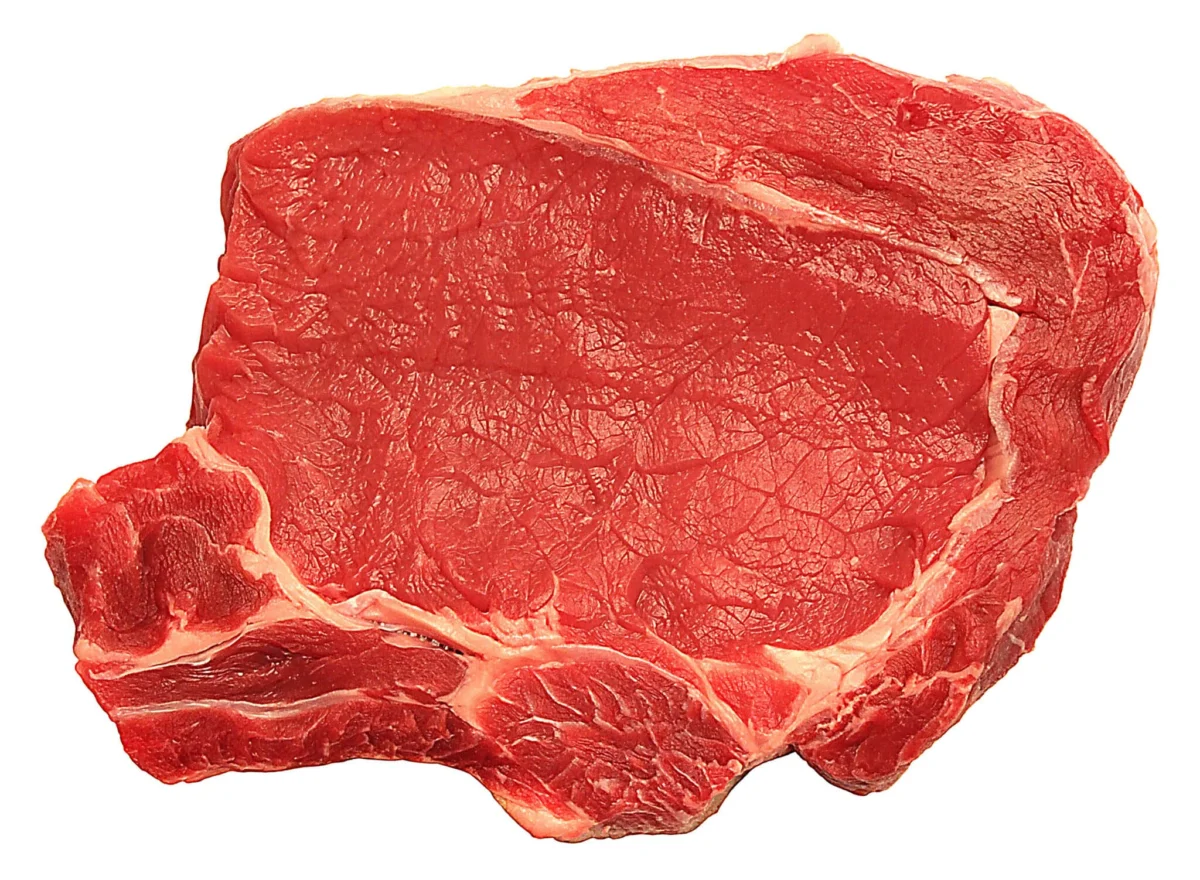
Furthermore, the quality of animal proteins is a significant factor in hormonal health. Conventional meat production often utilizes growth hormones to increase yield. When ingested, these exogenous hormones can contribute to the endocrine disruption already present in PCOS patients. Consequently, clinical nutritionists frequently advocate for the consumption of organic, pasture-raised meats and wild-caught fish to minimize exposure to synthetic hormones and antibiotics, which can further complicate the delicate hormonal milieu required for conception.
Weight Loss as a Clinical Intervention
For patients with PCOS who are overweight or obese, weight loss is often the first line of medical advice. However, it is also one of the most difficult goals to achieve due to the metabolic "braking" effect of high insulin. Despite these challenges, the clinical data is encouraging: a weight loss of just 5% to 10% of total body weight has been shown to significantly improve insulin sensitivity, lower androgen levels, and restore spontaneous ovulation in up to 60% of patients.
This weight loss does not necessarily require extreme caloric restriction, which can sometimes trigger a stress response that further disrupts hormones. Instead, the focus is on "metabolic flexibility"—training the body to switch between burning glucose and burning stored fat. This is best achieved through the aforementioned low-GI diet combined with resistance training, which increases the glucose-uptake capacity of muscle tissue.
Essential Nutritional Supplementation for Fertility
While diet is foundational, many women with PCOS suffer from specific micronutrient deficiencies that can hinder fertility. Supplementation is often used to bridge these gaps and provide pharmacological-level support for metabolic pathways.
Chromium Picolinate
Chromium is a trace mineral that plays a vital role in the action of insulin. Research indicates that many women with PCOS are deficient in chromium, which exacerbates insulin resistance. Supplementing with chromium picolinate has been shown in several studies to improve the body’s sensitivity to insulin and, by extension, lower testosterone levels, thereby supporting the resumption of regular ovulation.
Vitamin D and Calcium
A significant correlation exists between Vitamin D deficiency and the metabolic and reproductive hallmarks of PCOS. Vitamin D receptors are located throughout the reproductive system, including the ovaries and the endometrium. Clinical trials have demonstrated that supplementing with Vitamin D and Calcium can help regulate the menstrual cycle and promote the development of mature ovarian follicles, which are essential for successful fertilization.
The B-Vitamin Complex and Folic Acid
Vitamin B6 is critical for maintaining progesterone levels, which are often low in women with PCOS, leading to a "luteal phase defect" that can prevent a fertilized egg from implanting. Furthermore, Folic Acid (Vitamin B9) is a non-negotiable requirement for any woman planning a pregnancy. It is essential for the prevention of neural tube defects like spina bifida and plays a role in reducing homocysteine levels, which are often elevated in PCOS and linked to higher miscarriage rates.
Omega-3 Fatty Acids
Omega-3 fatty acids, found in fish oil and flaxseed, are potent anti-inflammatory agents. In the context of PCOS, they have been shown to reduce androgen levels and improve the lipid profile. By lowering systemic inflammation, Omega-3s help create a more receptive uterine environment for pregnancy.

Expert Reactions and Clinical Implications
Leading reproductive endocrinologists emphasize that while medication like Metformin or Clomiphene can be helpful, they are most effective when paired with lifestyle changes. "We cannot medicate our way out of a poor diet," states one perspective common in integrative fertility clinics. The consensus among healthcare providers is shifting toward a "Lifestyle First" model, where patients are empowered to take control of their metabolic health before proceeding to invasive and expensive fertility treatments like In Vitro Fertilization (IVF).
The broader implications of this approach extend beyond fertility. Because PCOS is a precursor to more serious conditions such as Type 2 diabetes, cardiovascular disease, and endometrial cancer, the dietary habits established during the journey to conception serve as a long-term preventative health strategy.
Conclusion: A Proactive Path to Pregnancy
Improving fertility with PCOS is a multifaceted challenge that requires patience, discipline, and a deep understanding of one’s own biochemistry. By focusing on insulin regulation, hormonal balance through high-quality food choices, and targeted supplementation, women can significantly alter their reproductive trajectory. The data suggests that the body is remarkably resilient; when the metabolic environment is optimized, the reproductive system often follows suit. For the thousands of women diagnosed with PCOS annually, the transition from a devastating diagnosis to a healthy pregnancy is increasingly achievable through the power of nutritional science and proactive lifestyle management.
