

Polycystic Ovary Syndrome (PCOS) remains one of the most prevalent endocrine disorders among women of reproductive age, characterized by a complex interplay of hormonal imbalances, ovulatory dysfunction, and metabolic disturbances. As clinical research evolves, berberine, a natural plant alkaloid historically rooted in traditional Chinese medicine, has emerged as a significant non-pharmacological agent in the multi-faceted management of this condition. While pharmaceutical interventions such as metformin have long been the standard for addressing insulin resistance in PCOS patients, a growing body of evidence suggests that berberine offers a comparable, and in some aspects superior, profile for regulating glucose metabolism, lipid levels, and reproductive health.
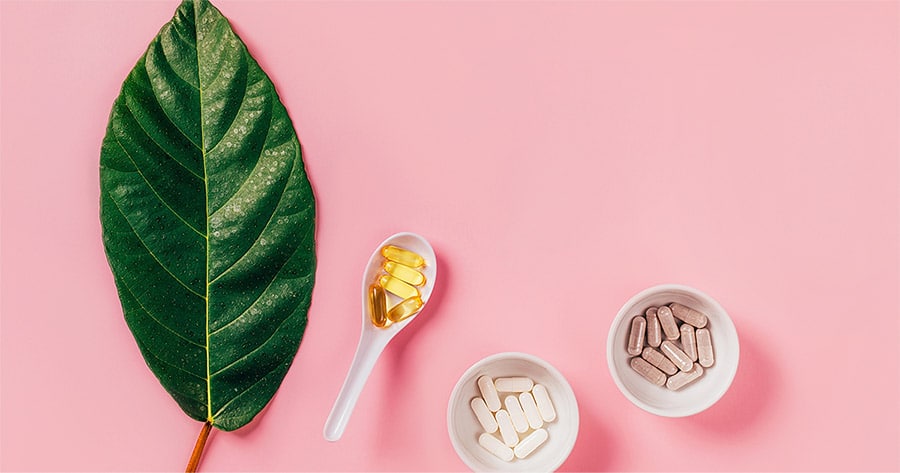
The Pharmacological Profile and Historical Context of Berberine
Berberine is a quaternary ammonium salt from the protoberberine group of benzylisoquinoline alkaloids. It is found in several plants, most notably within the genus Berberis, such as Berberis aristata (tree turmeric) and Berberis vulgaris (barberry), as well as in Coptis chinensis (goldthread). For over 3,000 years, practitioners of traditional Chinese and Ayurvedic medicine have utilized these plant extracts to treat gastrointestinal distress and inflammatory conditions.
In the modern clinical era, the focus on berberine has shifted toward its potent metabolic effects. The compound’s primary mechanism of action involves the activation of adenosine monophosphate-activated protein kinase (AMPK). Often referred to as a "metabolic master switch," AMPK plays a crucial role in regulating energy homeostasis. By activating this pathway, berberine enhances glucose uptake in muscle cells, inhibits hepatic glucose production, and promotes fatty acid oxidation. This pharmacological profile is particularly relevant for PCOS, where insulin signaling pathways are frequently impaired, leading to hyperinsulinemia and subsequent ovarian androgen overproduction.

Chronology of Berberine Research in Reproductive Health
The transition of berberine from a traditional remedy to a clinically validated supplement followed a distinct chronological path:
- Ancient Foundations: Use in Asian traditional medicine for antimicrobial and anti-inflammatory purposes.
- Late 20th Century: Early biochemical studies identify its ability to lower blood glucose in diabetic animal models.
- 2000s–2010s: Pilot human trials begin comparing berberine to metformin, specifically focusing on Type 2 diabetes and metabolic syndrome.
- 2014–Present: Targeted research into PCOS accelerates. Studies such as those published in the Journal of Clinical Endocrinology and Human Reproduction begin to isolate berberine’s effects on the Sex Hormone-Binding Globulin (SHBG) and the Free Androgen Index (FAI).
- 2020–2022: Recent prospective randomized trials, including research published in Cureus and MDPI, provide high-quality data regarding its efficacy in improving ovulation rates and body composition in PCOS patients.
Clinical Data: Addressing Insulin Resistance and Glycemic Control
The hallmark of PCOS management is the mitigation of insulin resistance, which affects an estimated 70% of women with the disorder, regardless of body mass index. Clinical data indicates that berberine functions as a potent insulin sensitizer. In a 12-week prospective randomized study, women with PCOS who were administered berberine showed a marked improvement in insulin sensitivity. These results are significant because they mirror the efficacy of metformin without some of the associated long-term nutrient depletion, such as Vitamin B12 deficiency.

Furthermore, berberine’s impact on plasma glucose levels is profound. By increasing the expression of glucose transporter type 4 (GLUT4) and improving the signaling of the insulin receptor, berberine facilitates the transport of sugar from the bloodstream into the cells. This reduces the risk of developing metabolic syndrome and alleviates common PCOS-related symptoms such as chronic fatigue and cognitive impairment, often described as "brain fog."
Impact on Body Composition and Lipid Profiles
Obesity and visceral adiposity exacerbate the symptoms of PCOS by creating a feedback loop of inflammation and insulin resistance. A clinical study involving 37 participants diagnosed with metabolic syndrome demonstrated that a 12-week regimen of berberine resulted in an average Body Mass Index (BMI) reduction from 31.5 to 27.4. Beyond simple weight loss, berberine has been shown to specifically target visceral fat—the metabolically active fat surrounding internal organs—which is a primary driver of systemic inflammation.

In addition to weight management, berberine serves as a novel lipid-lowering agent. Research published in PubMed suggests that berberine is as effective as certain statins, such as simvastatin, in reducing low-density lipoprotein (LDL) cholesterol. In women with PCOS, who are statistically at a higher risk for cardiovascular disease, the ability of berberine to lower triglycerides and total cholesterol while increasing high-density lipoprotein (HDL) or "good" cholesterol is a critical therapeutic benefit. Data from an 8-week explanatory study showed significant improvements in lipid profiles, suggesting that berberine may mitigate long-term cardiovascular risks associated with the syndrome.
Hormonal Regulation and Reproductive Outcomes
The disruption of the hypothalamic-pituitary-ovarian axis in PCOS leads to elevated luteinizing hormone (LH) and suppressed follicle-stimulating hormone (FSH), resulting in anovulation. Berberine has demonstrated the ability to restore this balance. By reducing insulin levels, berberine indirectly lowers the production of androgens in the ovarian theca cells.

A pivotal study compared the effects of berberine and metformin on 100 women with PCOS. While both groups saw improvements in menstrual regularity, the berberine group exhibited significantly higher levels of SHBG. Increased SHBG is vital for PCOS patients as it binds to excess testosterone, reducing the "free" testosterone that causes hirsutism and acne. Additionally, berberine has been linked to improved endometrial receptivity, which enhances the likelihood of successful embryo implantation, making it a valuable tool for those seeking to overcome infertility.
Broader Implications: Liver Health and Mental Well-being
The systemic nature of PCOS means its complications often extend to the liver and the central nervous system. Non-Alcoholic Fatty Liver Disease (NAFLD) is four times more prevalent in women with PCOS than in the general population. Berberine combats NAFLD by reducing triglyceride accumulation in the liver and suppressing inflammatory cytokines. This hepatoprotective quality is essential for the long-term health of PCOS patients, who may otherwise progress to more severe forms of liver dysfunction.

Furthermore, the psychological burden of PCOS, including high rates of depression and anxiety, is often overlooked in clinical settings. Emerging pharmacological research suggests that berberine may exert antidepressant-like effects by modulating neurotransmitters such as serotonin and dopamine. By addressing both the physical manifestations of the disorder and its psychological impact, berberine offers a more holistic approach to patient care.
Expert Perspectives and Safety Protocols
Medical professionals and endocrinologists increasingly acknowledge the role of berberine, though they emphasize the importance of standardized dosing and medical supervision. The consensus among researchers suggests a dosage of 500mg, taken two to three times daily, typically with meals to minimize gastrointestinal side effects.

Clinicians note that while berberine is generally safe for long-term use, its bioavailability can be a challenge. Therefore, the use of berberine hydrochloride (HCl) is often recommended due to its superior absorption rates. Reported side effects are primarily gastrointestinal, including temporary bouts of nausea or constipation, which often resolve as the body adjusts to the supplement. Experts also highlight that while berberine can be taken alongside oral contraceptives, patients should consult their healthcare providers when combining it with other glucose-lowering medications to avoid hypoglycemia.
Analysis of Broader Health Impacts
The integration of berberine into mainstream PCOS management represents a shift toward integrative medicine, where naturally derived compounds are subjected to the same rigorous clinical scrutiny as synthetic pharmaceuticals. For the estimated 5 million to 10 million women in the United States living with PCOS, berberine provides a viable alternative for those who are intolerant to metformin or who prefer a plant-based intervention.
The implications of these findings extend into the menopausal transition. As estrogen levels decline, women with a history of PCOS face an intensified risk of bone density loss and cardiovascular events. Berberine’s role as an insulin sensitizer and its positive effect on bone metabolism offer protective benefits that extend well beyond the reproductive years.
In summary, the transition of berberine from an ancient herbal remedy to a cornerstone of modern PCOS therapy is supported by a robust framework of clinical data. Its ability to simultaneously address insulin resistance, hormonal imbalance, lipid metabolism, and inflammatory markers positions it as a highly effective agent in the management of Polycystic Ovary Syndrome. As research continues to validate its long-term safety and efficacy, berberine is poised to remain a critical component of metabolic and reproductive health strategies worldwide.
