
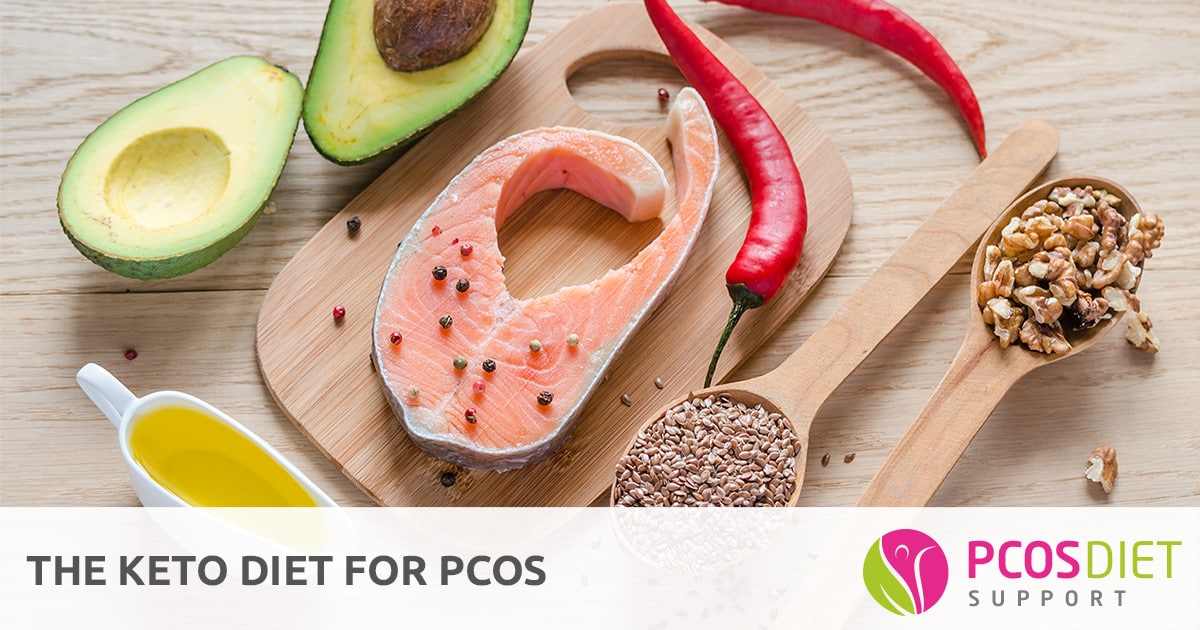
Polycystic Ovary Syndrome (PCOS) remains one of the most prevalent endocrine disorders among women of reproductive age, affecting approximately 8% to 13% of the global female population. Characterized by hormonal imbalances, ovulatory dysfunction, and metabolic complications, the syndrome often presents a complex clinical challenge. Recent medical discourse and nutritional research have increasingly focused on the ketogenic diet—a high-fat, moderate-protein, and very-low-carbohydrate regimen—as a potential therapeutic intervention to address the underlying insulin resistance that drives the condition. While the diet was originally developed in the 1920s to treat pediatric epilepsy, its application in metabolic health has gained significant traction, offering a nutritional pathway to manage the hyperinsulinemia and hyperandrogenism central to PCOS.
The Pathophysiological Intersection of Insulin and PCOS
To understand the role of the ketogenic diet in managing PCOS, it is necessary to examine the syndrome’s metabolic foundations. A significant majority of women with PCOS, regardless of body mass index (BMI), exhibit some degree of insulin resistance. In this state, the body’s cells become less responsive to insulin, prompting the pancreas to secrete higher levels of the hormone to maintain stable blood glucose.
Hyperinsulinemia—the presence of excess insulin in the blood—acts as a primary driver for the ovarian production of androgens, specifically testosterone. Elevated testosterone levels lead to the hallmark symptoms of PCOS, including hirsutism (excessive hair growth), persistent acne, and male-pattern hair thinning. Furthermore, high insulin levels disrupt the delicate balance of the luteinizing hormone (LH) and follicle-stimulating hormone (FSH), which are critical for regular ovulation. By drastically reducing carbohydrate intake, the ketogenic diet aims to lower circulating insulin, thereby mitigating the hormonal cascade that exacerbates PCOS symptoms.
Historical Context and the Evolution of Therapeutic Ketosis
The concept of using dietary restriction to manage metabolic and neurological conditions is not a modern innovation. The ketogenic diet’s history began in 1921 when Dr. Russell Wilder at the Mayo Clinic designed the protocol to mimic the metabolic effects of fasting for epilepsy patients. Throughout the mid-20th century, the diet remained a niche medical tool until the 1970s, when the Atkins Diet popularized low-carbohydrate eating for weight loss.
In the early 2000s, clinical interest shifted toward the "Low Carb High Fat" (LCHF) model for metabolic syndrome and Type 2 diabetes. It was during this period that researchers began observing that women with PCOS who followed these protocols experienced not only weight loss but also the resumption of regular menstrual cycles. This led to a series of pilot studies and clinical trials throughout the 2010s, establishing a clearer link between carbohydrate restriction and the restoration of endocrine balance. Today, the ketogenic diet is viewed as a "metabolic reset" that transitions the body from a glucose-dependent state to a fat-adapted state.
Clinical Data and Hormonal Improvements
The efficacy of the ketogenic diet for PCOS is supported by several key clinical metrics. A landmark study involving women with PCOS who followed a ketogenic diet for six months revealed significant physiological shifts. Participants in the study restricted their carbohydrate intake to less than 20 grams per day. At the conclusion of the trial, researchers documented a 12% reduction in total body weight, a significant decrease in fasting insulin levels, and a marked improvement in the LH/FSH ratio.
Furthermore, the study observed a substantial decline in free testosterone levels. This biochemical shift is attributed to the increase in Sex Hormone-Binding Globulin (SHBG) that occurs when insulin levels are stabilized. SHBG binds to testosterone in the bloodstream, making it less "active" and reducing its impact on skin and hair follicles. For many patients, this translates to a visible reduction in cystic acne and a slowing of unwanted hair growth.

The Mechanism of Nutritional Ketosis
Nutritional ketosis is defined by the production of ketone bodies—acetoacetate, beta-hydroxybutyrate, and acetone—which serve as an alternative energy source for the brain and muscles. This process begins when glycogen stores in the liver are depleted, typically after 24 to 48 hours of consuming fewer than 50 grams of carbohydrates.
Medical professionals often use the "refrigerator and freezer" analogy to explain this transition. In a standard high-carbohydrate diet, the body relies on glucose stored in the "refrigerator" (the liver and muscles). Because the refrigerator is constantly restocked by frequent carbohydrate consumption, the body rarely accesses the "freezer" (long-term fat stores). The ketogenic diet effectively empties the refrigerator, forcing the metabolic machinery to unlock the freezer. For women with PCOS, who often struggle with "stubborn" weight gain due to insulin-driven fat storage, this metabolic flexibility is essential for sustainable fat loss.
Symptomatic Management: Appetite, Acne, and Cardiovascular Health
Beyond hormonal regulation, the ketogenic diet offers several secondary benefits that improve the quality of life for PCOS patients:
Appetite Regulation and Satiety
One of the primary challenges in PCOS management is "disordered hunger," often caused by rapid fluctuations in blood sugar. High-carbohydrate meals trigger insulin spikes followed by "crashes," which stimulate cravings for sugar and starch. Clinical research indicates that ketones have a direct suppressive effect on ghrelin, the body’s primary hunger hormone. Additionally, the high fat and moderate protein content of the diet increases the release of cholecystokinin (CCK), a hormone that signals fullness to the brain.

Dermatological Improvements
Acne in PCOS is often linked to Insulin-like Growth Factor 1 (IGF-1). High insulin levels decrease the production of IGF-1 binding proteins, leading to higher levels of bioactive IGF-1, which stimulates sebum production and skin cell inflammation. By lowering insulin, the ketogenic diet boosts binding proteins, thereby clearing the skin from the inside out.
Cardiovascular Risk Mitigation
Women with PCOS face a higher lifetime risk of developing cardiovascular disease and Type 2 diabetes. While critics often express concern regarding the high fat intake of a ketogenic diet, data suggests that for most individuals, the diet improves the lipid profile by increasing High-Density Lipoprotein (HDL) cholesterol and decreasing triglycerides. However, medical experts emphasize that the quality of fats—focusing on monounsaturated and omega-3 fatty acids—is crucial for heart health.
Challenges, Side Effects, and Medical Contraindications
Despite the documented benefits, the ketogenic diet is not without significant challenges and potential risks. The transition into ketosis often triggers the "Keto Flu," a collection of symptoms including headaches, fatigue, irritability, and nausea. These symptoms are primarily caused by the rapid excretion of electrolytes (sodium, magnesium, and potassium) as the body sheds excess water weight during the initial phase of carbohydrate restriction.
Another common complication is gastrointestinal distress, specifically constipation. As individuals eliminate grains and certain fruits, their dietary fiber intake often drops. Medical professionals advise the heavy consumption of non-starchy, fibrous vegetables like kale, spinach, and broccoli to maintain gut health.

Crucially, the diet may be contraindicated for women with co-existing thyroid conditions. Hypothyroidism and Hashimoto’s thyroiditis are more common in the PCOS population than in the general public. Because insulin is required for the conversion of the thyroid hormone T4 into its active form, T3, extreme insulin suppression can, in some cases, downregulate thyroid function. For these individuals, a more moderate carbohydrate approach—often termed a "Low GL" (Glycemic Load) diet—may be safer and more effective.
Sustainability and the Role of the "Keto Reset"
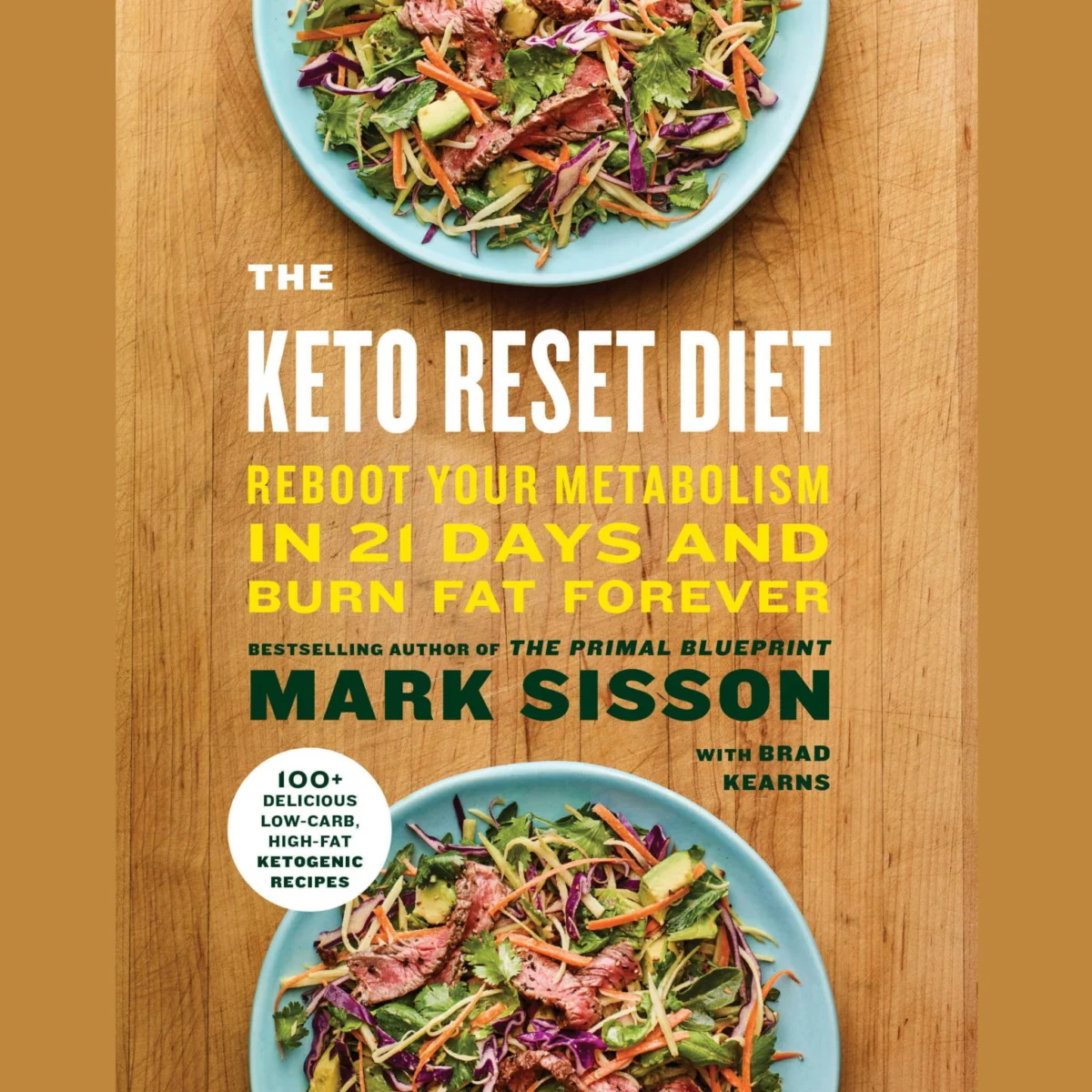
The long-term sustainability of the ketogenic diet is a point of contention among nutritionists. The restrictive nature of the protocol can lead to social isolation or a "yo-yo" effect if not managed correctly. Many practitioners now recommend a "Keto Reset" or "Cyclical Keto" approach. This involves a period of strict ketosis (often 21 to 90 days) to restore insulin sensitivity, followed by a transition to a more flexible, nutrient-dense Mediterranean-style diet that includes moderate amounts of complex carbohydrates.
This phased approach allows the body to regain metabolic flexibility without the psychological strain of permanent restriction. During the transition, patients are encouraged to focus on "whole foods" rather than processed "keto-friendly" snacks, which are often high in artificial sweeteners and low in micronutrients.
Broader Impact and Future Implications for PCOS Care
The shift toward ketogenic and low-carbohydrate interventions represents a broader movement in medicine toward "food as medicine." For decades, the standard treatment for PCOS was limited to the birth control pill to mask symptoms and Metformin to address insulin resistance. While these pharmaceuticals remain valuable tools, they do not address the dietary drivers of the condition.

The economic impact of PCOS is substantial, with the healthcare costs associated with the syndrome in the United States alone estimated at $8 billion annually. By implementing effective dietary strategies that prevent the progression to Type 2 diabetes and infertility, healthcare systems could see a significant reduction in long-term costs.
Furthermore, the psychological impact of successful dietary management cannot be overstated. PCOS is frequently associated with higher rates of anxiety and depression, often linked to body image struggles and the feeling of a "loss of control" over one’s physiology. Providing patients with a scientifically backed nutritional framework empowers them to take an active role in their recovery.
In conclusion, while the ketogenic diet is not a universal "cure" for PCOS, it is a powerful metabolic tool. Its ability to lower insulin, reduce androgen levels, and promote weight loss makes it a compelling option for those who have not found success with standard dietary advice. However, given the complexities of the syndrome and the potential for nutrient deficiencies or thyroid interference, the diet should ideally be undertaken under the guidance of a healthcare provider or a specialized nutritionist. As research continues to evolve, the integration of targeted carbohydrate restriction into mainstream PCOS care is likely to become an increasingly standard recommendation for managing this multifaceted disorder.
