

San Francisco, CA – The Future Food-Tech conference in San Francisco, held from March 19-20, 2026, served as a critical juncture for the global food industry, with policy shifts and the burgeoning role of artificial intelligence (AI) taking center stage. Industry stakeholders, from pioneering startups to seasoned investors, converged to dissect the challenges and opportunities shaping the future of food, particularly in the pursuit of sustainability. A recurring theme throughout the event was the perceived disconnect between current US food policy, often characterized as "MAHA-heavy and science-light," and the scientific advancements driving innovation.
The conference showcased a vibrant landscape of emerging food technologies. Savor, a company specializing in carbon-derived butter, demonstrated its commitment to plant-based alternatives by partnering with Jane The Bakery to offer vegan scones, cookies, and croissants. Similarly, Kokomodo and Cellva presented innovative chocolate alternatives: Kokomodo’s is crafted through plant cell culture, while Cellva utilizes coffee waste as its primary ingredient. Bettani Farms, following a series of strategic acquisitions, exhibited its non-dairy cheese. Maia Farms showcased its dried mycelium proteins, and Michroma presented a precision-fermented alternative to Red Dye No. 3, highlighting the industry’s drive towards cleaner labels and reduced reliance on synthetic ingredients.
However, beneath the surface of these technological marvels lay significant policy discussions that could profoundly impact the trajectory of the food industry. The potential redefinition of ultra-processed foods (UPFs) and the proposed elimination of a key regulatory pathway were among the most debated topics. Artificial intelligence, meanwhile, emerged as a dominant force in the minds of investors, promising to accelerate research, development, and optimization within the sector.
Policy Under the Microscope: The MAHA Era and its Ramifications
A significant portion of the discourse at Future Food-Tech was dedicated to understanding the influence of US food policy, particularly the “Make America Healthy Again” (MAHA) movement, on industry practices. Laura Akowuah, former special counsel at the Food and Drug Administration (FDA) and a veteran of its operations during the early years of the Trump administration, provided crucial insights into the evolving regulatory landscape. She identified several key areas that demand close attention from companies and investors:
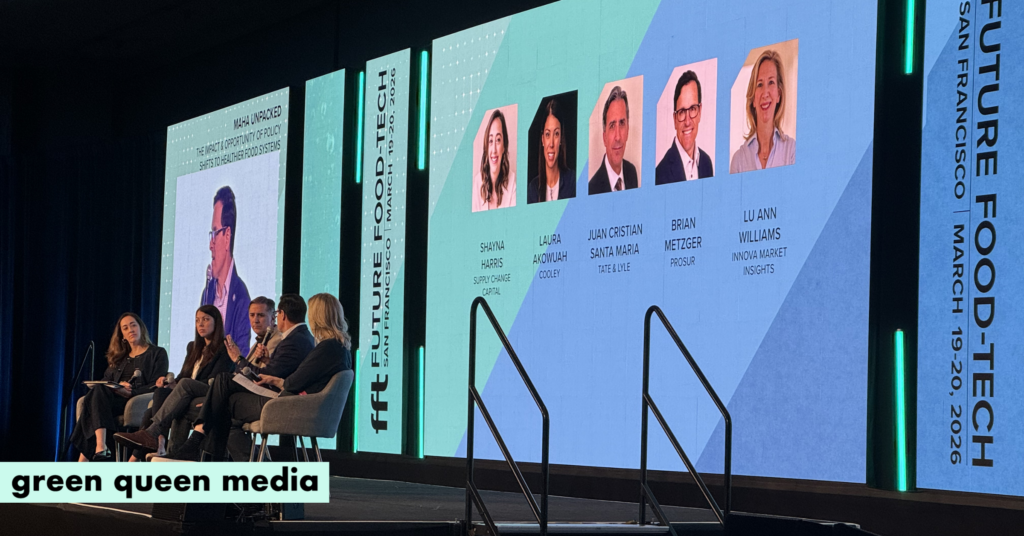
- The Future of the Self-Affirmed Generally Recognized as Safe (GRAS) Pathway: Akowuah emphasized that any changes to the self-affirmed GRAS pathway could have far-reaching implications for a multitude of food products. This pathway has historically allowed companies to bring ingredients to market more quickly and cost-effectively without mandatory FDA pre-approval, a system that has drawn criticism for potentially compromising consumer safety.
- Marketing and Consumer Transparency: The importance of clear and honest communication with consumers about product formulations and ingredients was underscored. As consumer awareness grows regarding health and ingredient sourcing, transparency is becoming a critical differentiator.
- The Definition and Classification of Ultra-Processed Foods (UPFs): The ongoing debate and potential government-wide definition of UPFs were identified as a significant factor influencing product development and consumer perception. The industry is keenly watching how this classification will be implemented and what impact it will have on market access and consumer choice.
- Added Sugars: The continued scrutiny of added sugars in food products remains a critical consideration for formulators and manufacturers.
MAHA’s Influence on Food Formulations
Data presented at the conference highlighted the tangible impact of the MAHA movement on the food industry. According to Innova Market Insights, a substantial 23% of all product launches in the US market in the past year contained ingredients targeted by MAHA initiatives. These often include artificial dyes, high-fructose corn syrup, certain preservatives, or products exceeding 10 grams of added sugar per 100 grams.
The analysis further revealed that "Big Food" companies are more exposed to MAHA concerns, with 40% of their products containing at least one targeted ingredient, compared to indie brands. This statistic signals a pressing need for reformulation among larger corporations, potentially creating significant opportunities for business-to-business (B2B) food tech startups specializing in clean-label functional ingredients and sugar reduction solutions. The consumer demand for reduced sugar intake is at an all-time high, with 65% of consumers actively seeking to limit their sugar consumption, making it the most frequently cited ingredient to avoid. Startups like Oobli and Amai Proteins, focused on sweet protein technologies, are well-positioned to capitalize on this trend.
The Affordability Debate: Rethinking the GRAS Pathway
The potential elimination of the self-affirmed GRAS pathway, championed by figures like health secretary Robert F. Kennedy Jr., presents a complex challenge, particularly concerning product affordability. For decades, this route offered a less burdensome and more economical path to market for new food ingredients. However, its reliance on self-determination rather than formal FDA review has raised safety concerns.
Lu Ann Williams, co-founder and president of Innova Market Insights, provided context by noting that obtaining novel food approval in the European Union, known for its stringent regulatory framework, can cost between $150,000 and $300,000 and take up to three years. The elimination of the self-GRAS provision in the US could significantly increase development timelines and costs for food companies, potentially impacting market entry for innovative products.

Akowuah, drawing from her FDA experience, voiced concerns about the agency’s capacity to manage the increased workload should the self-GRAS pathway be dismantled, especially given existing resource constraints. She urged businesses to actively engage with the FDA’s forthcoming proposal on this matter, submitting comments that articulate the potential stifling effect on innovation, development, and, crucially, affordability. "The FDA cares about affordability," Akowuah stressed, "So I think in those comments, you also want to include how this is gonna impact consumers and impact their pocketbook."
Consumer priorities in meal planning offer a stark reminder of the affordability challenge. When asked what matters most when planning a healthy meal, only 30% of consumers cited their health goals. Taste (38%) and budget (36%) emerged as the primary drivers, underscoring that even the most health-conscious innovations must remain economically accessible to gain widespread adoption.
The GLP-1 Revolution and its Convergence with MAHA
The burgeoning popularity of GLP-1 agonist drugs, such as Ozempic and Wegovy, has undeniably reshaped the food landscape. This trend has prompted major food corporations to either introduce new product lines catering to GLP-1 users or reformulate existing offerings to align with the dietary shifts these medications encourage. Innova’s research indicates a significant rise in GLP-1 drug usage in the US, with the percentage of users increasing from 10% in 2024 to 18% in 2025, and a further 34% planning to adopt these medications. This signals a move beyond a niche category into mainstream consumer behavior.
Williams posited that the GLP-1 phenomenon represents a genuine consumer-driven movement that directly intersects with the MAHA agenda. The dietary changes observed among GLP-1 users are substantial: 45% consume more vegetables, 40% increase their protein intake, and 30% ingest more fiber, with an overall 71% reporting healthier eating habits. This convergence is driving a noticeable shift away from ultra-processed foods (UPFs) towards more nutrient-dense options rich in protein and fiber.
The "ultra-processed middle"—foods that balance convenience, clean labels, and affordability—remains a significant market gap, with only 0.17% of products currently addressing this demand. This presents a substantial "white space" opportunity for future food industry innovation.

Plant-Based Proteins: Beyond Mimicry and Towards Versatility
The plant-based protein sector, particularly plant-based meat alternatives, has faced headwinds, with declining sales in the US attributed to a resurgence in animal protein consumption. This trend is partly influenced by the revised Dietary Guidelines for Americans (DGA), which, despite initially facing criticism, have been interpreted by some as encouraging red meat consumption while also notably highlighting plant-based proteins and fermented foods for the first time.
Williams noted that the initial hype surrounding plant-based meats may have led to unmet consumer expectations. "When plant-based really took off, it was overhyped," she stated. "The hype cycle around plant-based meats—they just didn’t deliver against consumer expectations." Consumers, she added, are increasingly looking for plant-based products that are not simply trying to mimic animal products but are valuable as standalone food items. This necessitates exploring novel applications of plant proteins, a strategy that aligns with the evolving US dietary guidelines.
A crucial element for success, Williams emphasized, is taste. Beyond Meat’s diversification into a broader range of plant protein products, including its new line of sparkling beverages, exemplifies this strategic pivot. "I think it’s very smart. It’s reality," Williams commented on Beyond Meat’s strategy. "I don’t know if it’s going to work because it comes down to the execution. What’s the price? How do they communicate to consumers? What’s the nutrition?" She concluded that a singular focus on pure meat mimicry might prove challenging for companies in the long term.
Blended Meats: A Catalyst for Mainstream Adoption
A significant area of consensus emerged regarding the potential of blended meat products to drive the mainstream adoption of alternative proteins. These products, which combine animal meat with plant-based ingredients, are gaining traction in Europe and the US, with major retailers like Lidl and Ahold Delhaize championing the approach.

Williams believes that blended meats are the key to "moving the needle" for alternative proteins. "If you’re going to really be serious about making this go mainstream, it’s going to be up to something like that," she explained. The nutritional and sensory benefits are substantial: increased fiber, reduced saturated fat, a juicier texture, and maintained taste, with the added potential for price reduction. Williams expressed a strong conviction that hybrid products, such as ground beef blended with plant-based alternatives, are the most promising avenue for broad market appeal.
AI’s Transformative Potential in Food Tech
Artificial intelligence is rapidly becoming integral to the future of food production, from discovering novel proteins to optimizing manufacturing processes. Investors at Future Food-Tech acknowledged AI’s enduring impact. Steve Simitzis, managing partner at Replicator VC, observed that AI has fundamentally altered the investment landscape for alternative proteins and cultivated meat. "Before, we had to invest a lot of money into doing a lot of science for the first time, and AI has made it so you can essentially just get through a ton of data faster than any human can and reach those breakthroughs faster," he stated.
Despite a reported 20% decrease in funding for alternative proteins in 2024, falling below the $1 billion mark for the first time since 2018, the broader investment trend shows a significant shift towards AI, with venture capital firms increasingly backing AI-focused funds. Simitzis described this concentration of capital into a few large AI funds as potentially "bubble behavior," which can divert generalist capital away from the food sector. However, he remains optimistic about early-stage investment (pre-seed and seed levels), suggesting that the industry needs to retrench and focus on scalable solutions, often powered by AI, enabling smaller, agile teams to achieve more with less. The critical question, he emphasized, is whether AI is being applied meaningfully to solve real problems or merely as a buzzword for investor presentations.
Matteo Leonardi, investment manager at Grey Silo Ventures, echoed this sentiment, noting that AI’s application is most effective in upstream solutions, particularly within agtech. His firm’s investment in a voice-to-text company using AI to simplify farm logging for farmers exemplifies this focused approach. "I’m very bullish on AI when it kind of comes to saving, optimizing current workflows. And that’s for ag," Leonardi remarked. "But in food, I don’t know if that’s possible."
Fermentation: Expanding Beyond Protein
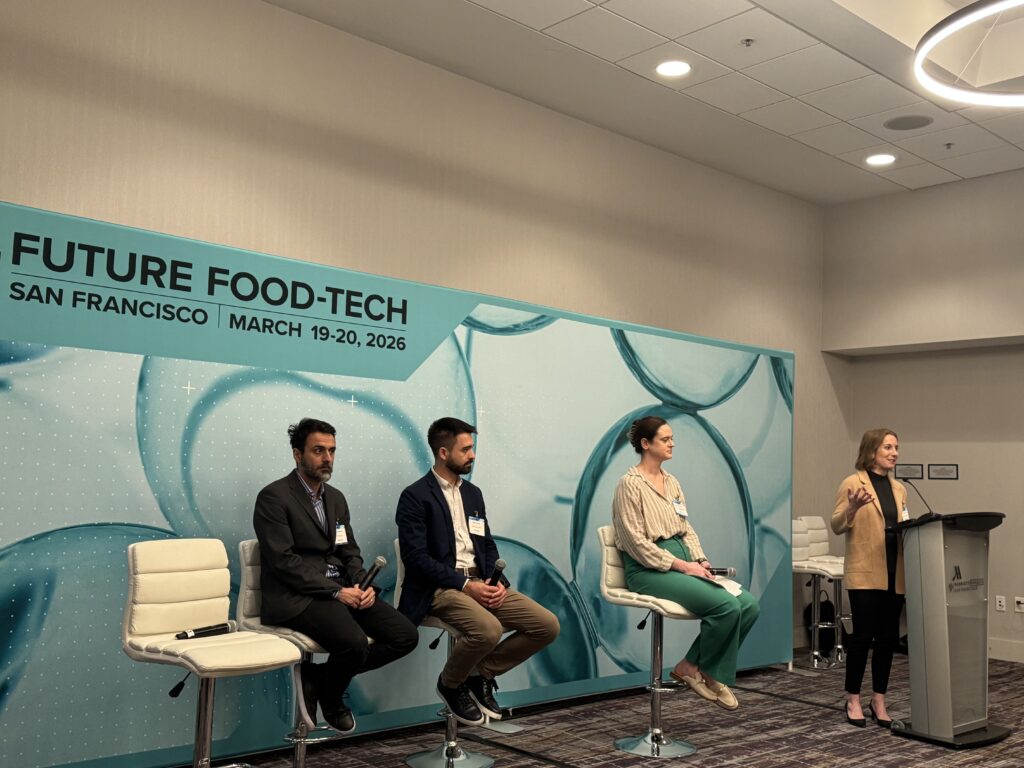
Fermentation, one of humanity’s oldest food technologies, is experiencing a resurgence of interest, moving beyond its traditional focus on protein production. Beth Conerty, regional innovation officer at the iFab Tech Hub, highlighted that the economic drivers for fermentation are shifting. While competing with the established meat industry on protein remains a significant challenge due to high costs, fermentation is proving increasingly viable for producing ingredients like bio-based colorants. This is especially relevant given the current policy environment, which favors the reduction and elimination of synthetic ingredients.
Conerty contrasted this with the regulatory hurdles faced by cultivated meat, where some states have imposed bans, negatively impacting cost-effectiveness. "On the flip side, we’re seeing such a push from regulatory [bodies] to reduce and eliminate synthetic ingredients," she stated.
Leonardi views the egg industry as another promising area for precision fermentation, offering animal-free replacements with multiple functionalities. However, he expressed reservations about companies using precision fermentation to replace tropical fats like palm oil, citing unfavorable unit economics. "Try and replace palm oil with mechanical fractionation of other vegetable fats. That’s fine. But precision fermentation trying to replace a product that sells for $1.80 per kilo. It’s tough," he explained. While acknowledging the philanthropic merits of such endeavors, Leonardi cautioned that achieving financial viability and offering affordable products may be exceedingly difficult.
Policy and Science: A Necessary Alignment for Innovation
A significant point of contention at the conference was the perceived divergence between US food policy and scientific evidence. Juan Cristian Santa Maria, VP and head of regulatory and scientific affairs at Tate & Lyle, articulated frustration with the current policy approach. "Consumer demand—and rightfully so—for healthier foods, less processed foods was already latent. And then MAHA came on top of that," he observed.
Santa Maria argued that MAHA has exacerbated consumer confusion due to policies that are perceived as moving too rapidly and not being sufficiently science-driven, leading to inconsistencies and setbacks. He cited the example of the national dietary guidelines, which underwent a significant shift in direction from initial recommendations to their final publication. "The perfect graphical example is the new DGA—and the food pyramid, literally flipped upside down. That’s exactly what is happening, and now consumers are confused," he stated.

He advocated for policies that actively incentivize and promote scientific research and innovation, rather than demonizing them. Such policies, he believes, should be geared towards developing health benefits and solutions that can positively impact society and public health. Santa Maria concluded by emphasizing that while food policy may have strayed from scientific principles, consumer demand will ultimately drive innovation. "Science is not an enemy of the health outcomes, or affordability," he asserted. "Actually, it’s a conduit to being able to get to those endpoints that we’re looking at, both the health benefits as well as affordability to consumers. So we cannot abandon science."
The Future Food-Tech conference underscored the complex interplay between technological advancement, evolving consumer preferences, and the critical influence of regulatory frameworks. As the industry navigates these dynamics, a commitment to science-based policymaking and the strategic integration of AI will be paramount for achieving a more sustainable and healthier food future.
