
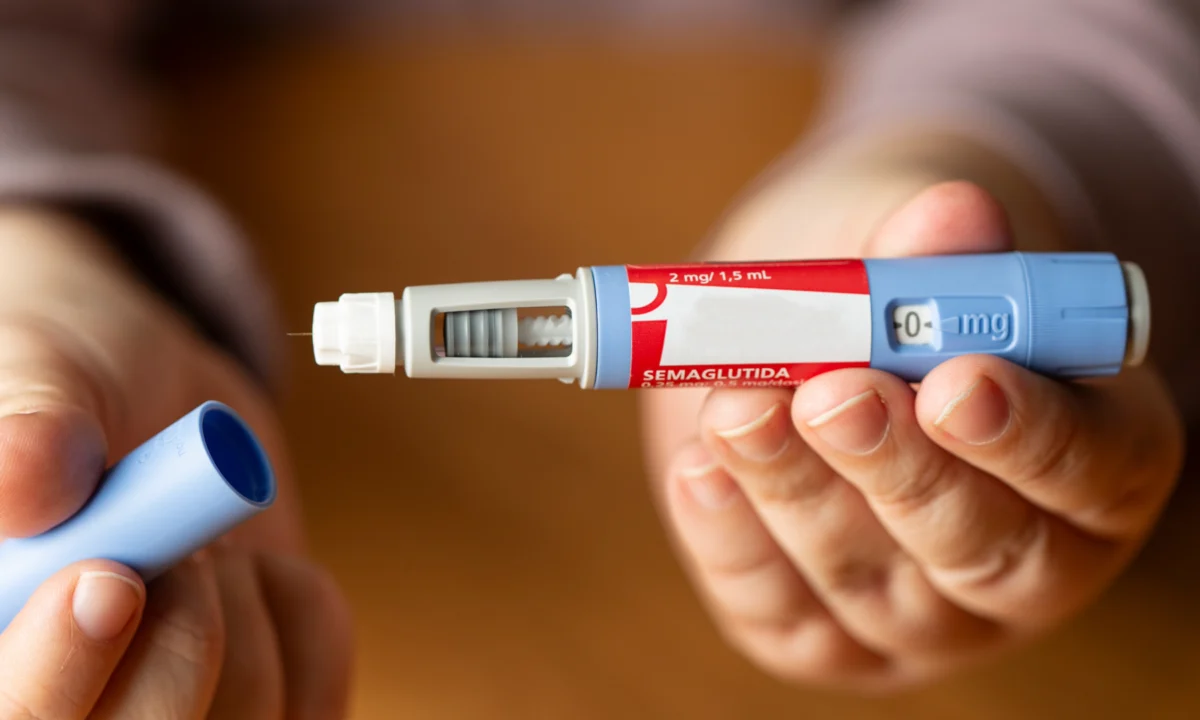
The Medicines and Healthcare products Regulatory Agency (MHRA) has executed a series of high-profile raids targeting the illicit manufacture and distribution of unlicensed weight-loss medications, signaling a significant escalation in the UK’s crackdown on the pharmaceutical black market. Officers from the MHRA’s Criminal Enforcement Unit (CEU) descended upon two primary locations in the East Midlands, seizing thousands of doses of potentially dangerous substances alongside specialized manufacturing equipment. The operation, which took place across a rural farm site near Sleaford in Lincolnshire and a residential property in Grantham, Nottinghamshire, represents a major blow to organized criminal networks profiting from the global surge in demand for obesity treatments.
During the coordinated strikes, enforcement officers recovered approximately 2,000 doses of unauthorized weight-loss medicines that were packaged and prepared for immediate dispatch to unsuspecting consumers. In addition to the finished products, the CEU seized significant quantities of suspected raw pharmaceutical ingredients, professional-grade packaging materials, and commercial vehicles used in the logistics of the operation. The presence of sophisticated manufacturing equipment at these non-sterile, unlicensed sites has raised acute concerns regarding the safety, purity, and dosage accuracy of the medicines being produced.
Details of the Enforcement Operation and Seizures
The investigation led the MHRA to two distinct environments that highlight the varied nature of modern pharmaceutical crime. The first site, a farm located in the vicinity of Sleaford, appears to have served as a primary hub for the large-scale processing of chemicals. The second site, a residential address in Grantham, suggests a localized distribution and administrative point for the illegal enterprise. By operating out of these unconventional locations, the perpetrators avoided the rigorous oversight, clinical standards, and hygiene protocols required by law for the production of injectable medications.
Among the substances identified at the scene were retatrutide and tirzepatide, alongside various other peptide products. Tirzepatide is the active ingredient in authorized medications used for type 2 diabetes and weight management, such as Mounjaro. However, retatrutide is a highly potent "triple agonist" peptide that is currently still undergoing clinical trials and has not been approved for public use by any major global regulatory body. The discovery of retatrutide in a clandestine laboratory setting is particularly alarming to health officials, as the long-term safety profile and side effects of the drug have not yet been fully established in a controlled, peer-reviewed clinical environment.
The Rise of the Weight-Loss Drug Black Market
The raids come at a time when the demand for GLP-1 (glucagon-like peptide-1) receptor agonists and similar weight-loss injections has reached unprecedented levels. The global success of brand-name medications like Ozempic, Wegovy, and Mounjaro has led to widespread supply shortages, creating a lucrative "gold rush" for criminal organizations. These groups exploit desperate consumers by offering "generic" or "unlicensed" versions of these drugs through social media platforms and unregulated websites.
Data from the MHRA indicates a sharp rise in the seizure of falsified or unlicensed slimming pills and injections over the last 24 months. In 2023 alone, thousands of websites were flagged for selling illegal medicines to UK residents. The illicit trade is driven by the high price points of legitimate prescriptions and the difficulty some patients face in meeting the strict eligibility criteria for these drugs on the NHS. Criminals leverage this gap in the market, often presenting their products as "research chemicals" or "peptides" to circumvent pharmaceutical regulations, despite marketing them directly for human consumption.
Analysis of the Substances: Retatrutide and Tirzepatide
To understand the severity of the raid, it is essential to examine the pharmacological nature of the seized substances. Tirzepatide, while a breakthrough in metabolic medicine, requires precise dosing and refrigeration to maintain its efficacy. When manufactured in an unlicensed facility, there is no guarantee of the concentration of the active ingredient. Patients injecting these substances risk receiving either a sub-therapeutic dose that does nothing or a toxic overdose that could lead to severe gastrointestinal distress, pancreatitis, or acute kidney injury.
Retatrutide represents an even greater risk. As a GIP, GLP-1, and glucagon receptor agonist, it is designed to be more powerful than its predecessors. Because it is still in the experimental phase of development, there is no legal "unlicensed" version available for sale. Any retatrutide found in the wild is either a stolen clinical trial supply or, more likely, a chemical synthesized in an unregulated lab with no quality control. The MHRA has warned that such products may contain impurities, heavy metals, or even entirely different chemicals than those listed on the label.
Official Responses and Strategic Partnerships
The success of the operation was attributed to the close collaboration between the MHRA and local law enforcement agencies. Andy Morling, the head of the MHRA’s Criminal Enforcement Unit, issued a stern warning to those involved in the trade. He emphasized that the agency is actively tracking criminal networks and that every piece of equipment seized serves to dismantle the infrastructure of these illegal businesses.
"The message from today to those illegally trading in medicines could not be clearer—we are coming for you," Morling stated. "Every illegal product and every piece of manufacturing equipment we seize disrupts these criminal networks and brings us closer to dismantling them entirely. I’m grateful to our partners in Lincolnshire Police, Immigration Enforcement, and Lincolnshire Trading Standards for their support to today’s operation."
The involvement of Immigration Enforcement and Trading Standards suggests that the scope of the investigation may extend beyond pharmaceutical crime. Historically, clandestine manufacturing sites are often linked to broader organized crime activities, including labor exploitation and tax evasion. By involving Trading Standards, the MHRA ensures that the commercial aspects of the fraud—such as misleading advertising and the sale of counterfeit goods—are also addressed through the legal system.
Public Health Implications and Consumer Risks
The primary concern for health officials remains the safety of the public. Injectable medications, by their nature, bypass the body’s natural defenses in the digestive tract, meaning that any bacterial contamination in an unlicensed product can lead directly to sepsis or serious localized infections at the injection site.
Furthermore, the lack of medical supervision is a critical factor. Legitimate weight-loss treatments are prescribed after a thorough medical assessment to ensure the patient does not have contraindications, such as a history of medullary thyroid carcinoma or specific endocrine system issues. Consumers purchasing from the black market bypass these safeguards, often unaware of the potential for life-altering complications.
The MHRA has urged the public to only purchase medicines from pharmacies registered with the General Pharmaceutical Council (GPhC) or through legitimate healthcare providers. The agency continues to monitor the internet for illegal sales and works with social media companies to take down accounts promoting unlicensed medical products.
Timeline of Regulatory Action
The recent raids in Lincolnshire and Nottinghamshire are part of a broader, multi-year strategy by the MHRA to secure the pharmaceutical supply chain.
- 2021-2022: The MHRA noted a 50% increase in reports of counterfeit medical devices and medicines related to lifestyle and weight loss.
- Early 2023: Global shortages of semaglutide (Ozempic) led to a surge in "compounded" and "peptide" versions appearing on the UK market.
- Late 2023: The MHRA issued a formal safety alert regarding the rise of fake Ozempic pens entering the legal supply chain in several European countries, though the UK’s legitimate supply remained largely secure.
- 2024: The CEU shifted focus toward "upstream" enforcement, targeting the domestic manufacturing sites rather than just the end-user distributors.
This shift in strategy is evident in the Sleaford and Grantham raids. By targeting the production equipment and raw ingredients, the MHRA is attempting to cut off the supply at the source, preventing thousands of doses from ever reaching the street.
Future Outlook and Enforcement Trends
As the pharmaceutical industry continues to innovate in the field of obesity and metabolic health, the incentives for criminal activity are expected to persist. The MHRA has indicated that it will continue to expand its CEU capabilities, utilizing digital forensics and international intelligence sharing to track the movement of precursor chemicals.
Legal experts suggest that the individuals involved in the Lincolnshire and Nottinghamshire operations could face severe penalties under the Human Medicines Regulations 2012. These penalties include unlimited fines and prison sentences of up to two years for the sale and supply of unauthorized medicinal products. If the substances are found to have caused actual bodily harm to consumers, the charges could escalate further.
The MHRA’s recent actions serve as a vital reminder of the invisible infrastructure required to keep the public safe from the dangers of the underground drug trade. As the investigation into the Sleaford and Grantham sites continues, the agency remains vigilant, reinforcing the fact that there are no shortcuts to health and that the "miracle" of modern weight-loss drugs must remain within the bounds of clinical safety and legal regulation.
