
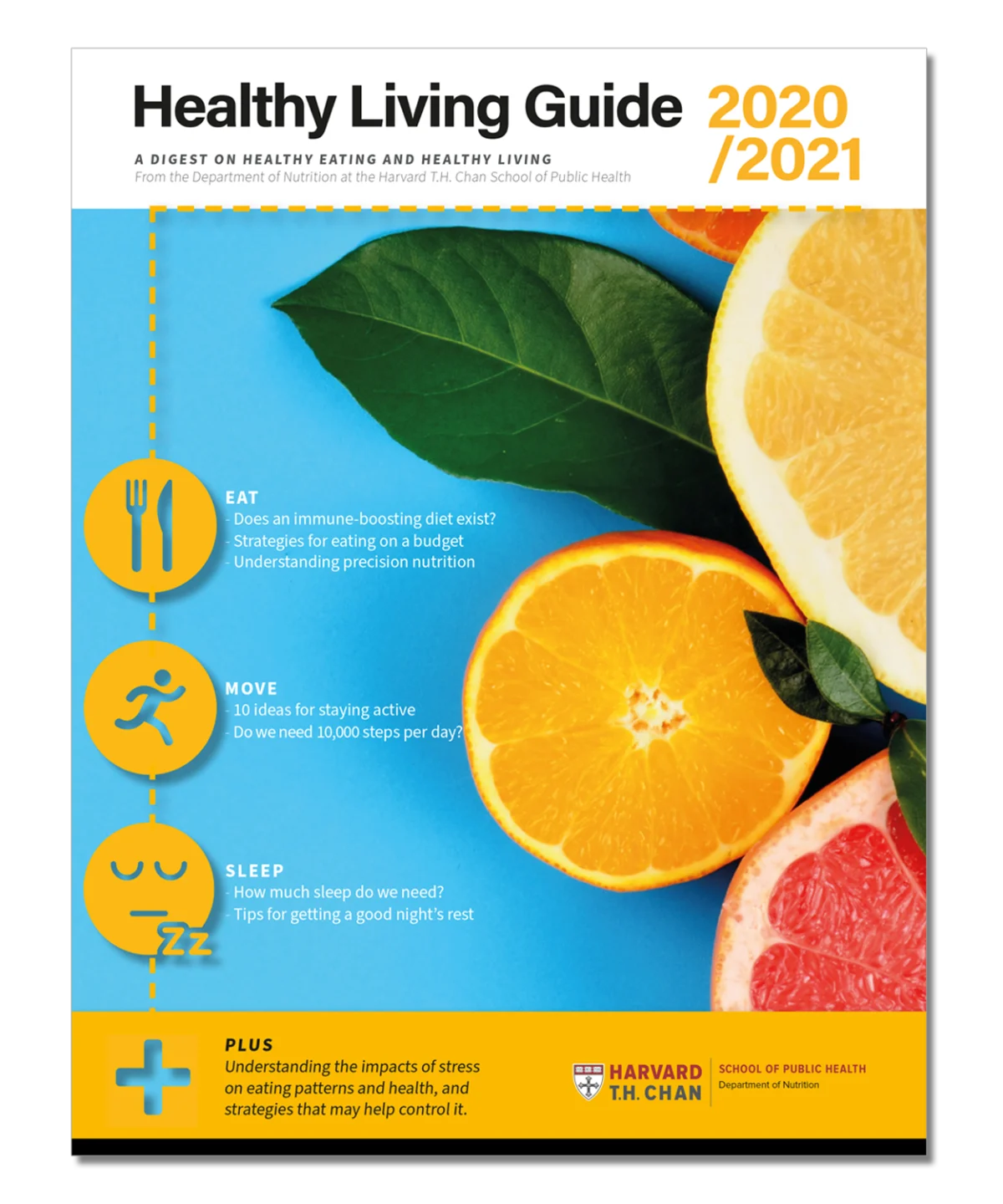
As the world navigated the unprecedented challenges of 2020 and continued to grapple with the COVID-19 pandemic in early 2021, the pervasive impact on daily life became undeniable. Beyond the immediate health concerns, the pandemic triggered a cascade of individual and societal disruptions, including significant issues with food access for vulnerable populations, widespread income disruptions that affected purchasing power, and a notable rise in emotional distress. In this evolving landscape, maintaining a robust immune system and overall well-being emerged as a paramount concern for individuals and public health experts alike.
While definitive scientific evidence directly linking specific dietary choices to a reduced risk of contracting COVID-19 remains elusive, the broader scientific consensus underscores the critical role of a healthy lifestyle in fortifying the body’s natural defenses. Research from esteemed institutions, including Harvard’s T.H. Chan School of Public Health, has consistently highlighted the profound benefits of adopting and maintaining a set of fundamental healthy habits. These five pillars of well-being – encompassing a nutritious diet, regular physical activity, maintaining a healthy body weight, moderating alcohol consumption, and abstaining from smoking – have been shown to significantly extend lifespan. Studies indicate that individuals who adhere to these lifestyle principles can anticipate living more than a decade longer compared to their counterparts who do not.
The implications of these healthy habits extend beyond mere longevity, contributing to a greater quality of life in later years. Evidence suggests that adults who embrace these five key practices during middle age are more likely to experience more years free from the burden of chronic diseases. This includes a reduced incidence of conditions such as type 2 diabetes, cardiovascular disease, and various forms of cancer. The prospect of not only living longer but living healthier, with a reduced risk of debilitating illnesses, presents a compelling case for prioritizing these lifestyle choices, especially in the face of ongoing global health crises.
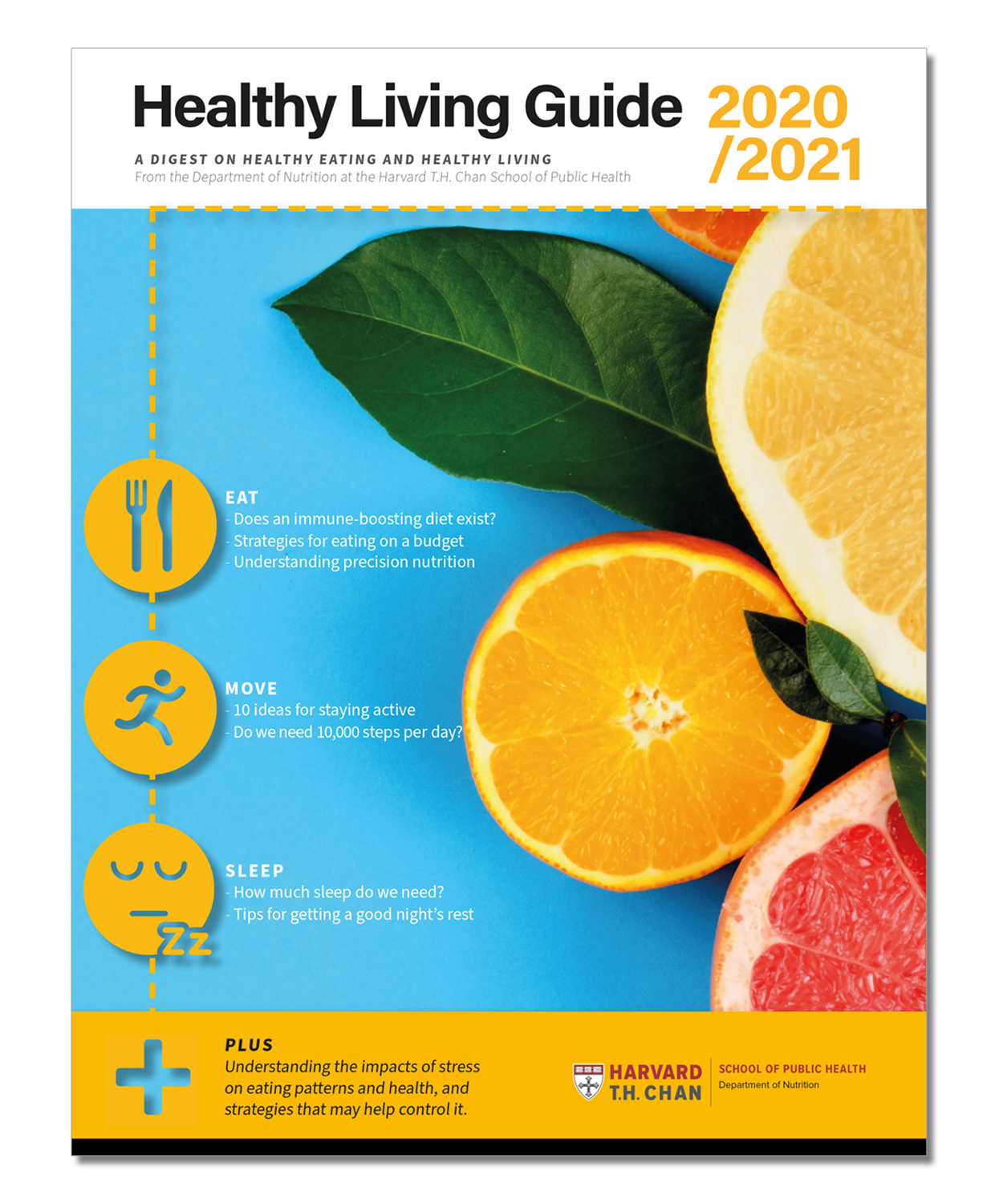
Recognizing the inherent difficulty in consistently adhering to healthy habits, particularly amidst periods of significant stress and uncertainty, educational and public health organizations have stepped up their efforts to provide accessible resources. The "Healthy Living Guide" from Harvard’s Nutrition Source exemplifies this commitment, aiming to equip individuals with practical tips and actionable strategies to foster healthier lifestyles. This initiative is particularly relevant during times of global health concern, where proactive measures for personal well-being can have a substantial impact. The guide encourages individuals to engage in activities that promote health, such as exploring new recipes, incorporating regular exercise, or pursuing fulfilling hobbies, with the hope that these endeavors can also bring a sense of enjoyment and purpose during challenging periods.
The Healthy Living Guide, available for download as a printable PDF, offers a consolidated resource of tip sheets and summaries. It complements comprehensive online articles, providing a dual approach to health education that caters to different learning preferences. The availability of such materials reflects a broader trend in public health communication, where accessible and user-friendly formats are crucial for disseminating vital health information to a wide audience.
The Foundation of Healthy Living: A Deeper Dive
The cornerstone of a healthy lifestyle, as identified by numerous studies, is a balanced and nutrient-dense diet. This involves prioritizing whole, unprocessed foods that provide essential vitamins, minerals, fiber, and antioxidants. Examples include a wide array of fruits and vegetables, lean proteins, whole grains, and healthy fats found in nuts, seeds, and olive oil. Conversely, diets high in processed foods, saturated and trans fats, added sugars, and excessive sodium are associated with an increased risk of chronic diseases and can compromise immune function.
Supporting Data on Dietary Impact:
Research published in the American Journal of Clinical Nutrition has consistently linked dietary patterns rich in plant-based foods to lower rates of cardiovascular disease and type 2 diabetes. For instance, a meta-analysis of prospective cohort studies involving over 1.5 million participants found that adherence to a Mediterranean diet, characterized by high consumption of fruits, vegetables, whole grains, legumes, and olive oil, was associated with a significant reduction in all-cause mortality and the incidence of major chronic diseases. Furthermore, a study published in The Lancet highlighted that diets high in ultra-processed foods are linked to an increased risk of cardiovascular disease and premature death.
Physical activity is another indispensable component of a healthy lifestyle. Regular exercise not only aids in weight management but also strengthens the cardiovascular system, improves mood, enhances cognitive function, and plays a crucial role in immune regulation. The recommended guidelines from the World Health Organization (WHO) suggest at least 150 minutes of moderate-intensity aerobic activity or 75 minutes of vigorous-intensity aerobic activity per week, along with muscle-strengthening activities at least two days a week.
Supporting Data on Exercise Benefits:
The Centers for Disease Control and Prevention (CDC) reports that adults who are physically active are less likely to develop obesity, type 2 diabetes, heart disease, and certain types of cancer. Studies have demonstrated that even moderate increases in physical activity can yield significant health benefits, such as a 20-30% reduction in the risk of premature death. Furthermore, exercise has been shown to boost the production of cytokines, which are signaling proteins that help regulate the immune system’s response to infection.
Maintaining a healthy body weight is intrinsically linked to both diet and exercise. Obesity is a significant risk factor for a multitude of chronic health conditions, including heart disease, stroke, type 2 diabetes, and certain cancers. A healthy body weight is typically defined by a body mass index (BMI) within a specific range, though it is important to consider body composition and other health indicators.
Supporting Data on Weight Management:
The WHO estimates that globally, overweight and obesity are among the leading preventable causes of disease and disability. Research published in the New England Journal of Medicine has shown that even a modest weight loss of 5-10% of body weight can lead to significant improvements in blood pressure, cholesterol levels, and blood sugar control, thereby reducing the risk of chronic diseases.
The role of alcohol consumption in overall health is complex, with moderate intake sometimes associated with certain cardiovascular benefits in specific populations, while excessive consumption poses significant health risks. However, for the purpose of promoting optimal health and immunity, it is generally advised to limit alcohol intake. Excessive alcohol consumption can weaken the immune system, increase the risk of liver disease, cardiovascular problems, and various cancers.
Supporting Data on Alcohol Consumption:
The National Institute on Alcohol Abuse and Alcoholism (NIAAA) categorizes heavy drinking as having more than four drinks on any day or more than 14 drinks per week for men, and more than three drinks on any day or more than seven drinks per week for women. This level of consumption is associated with an increased risk of numerous health problems, including liver damage, pancreatitis, and certain cancers.
Finally, smoking remains one of the most significant preventable causes of death and disease worldwide. Smoking damages nearly every organ in the body, severely compromises the immune system, and drastically increases the risk of lung cancer, heart disease, stroke, and respiratory illnesses. The benefits of quitting smoking are immediate and continue to accrue over time, leading to a substantial reduction in health risks.
Supporting Data on Smoking Cessation:
The CDC highlights that within 20 minutes of quitting smoking, heart rate and blood pressure drop. Within a year, the excess risk of coronary heart disease is half that of a continuing smoker. Within 5-15 years, the risk of stroke is reduced to that of a non-smoker. Quitting smoking is consistently cited as one of the most impactful lifestyle changes an individual can make for their long-term health.
Broader Implications and Future Directions
The sustained impact of the COVID-19 pandemic has amplified the urgency of public health initiatives focused on promoting healthy lifestyles. The pandemic exposed existing health disparities and vulnerabilities, underscoring the need for equitable access to nutritious food, safe spaces for physical activity, and comprehensive health education.
Analysis of Implications:
The increased awareness of the importance of immunity and overall health due to the pandemic has the potential to drive greater public engagement with preventative health measures. However, the economic fallout from the pandemic, including job losses and increased food insecurity, presents significant barriers for many individuals seeking to adopt healthier habits. Public health strategies must therefore address these socioeconomic determinants of health to ensure that the benefits of healthy living are accessible to all.
The development and dissemination of resources like the Healthy Living Guide are crucial in empowering individuals with the knowledge and tools they need to make informed choices. The integration of digital platforms and community-based programs can further enhance the reach and effectiveness of these initiatives.
Official Responses and Expert Commentary:
Public health organizations, such as the WHO and national health agencies, continue to emphasize the importance of the five key healthy habits in their ongoing recommendations. Dr. Dariush Mozaffarian, Dean of the Friedman School of Nutrition Science and Policy at Tufts University, has frequently commented on the critical link between diet quality and chronic disease prevention, stating, "The food we eat is the most powerful tool we have to influence our health." Similarly, experts in public health consistently advocate for policies that support healthy environments, making it easier for individuals to make healthy choices, such as increasing access to affordable healthy foods and promoting safe walking and biking infrastructure.
The long-term implications of prioritizing healthy living are profound, not only for individual well-being but also for societal health and economic productivity. By fostering a culture of health and providing accessible resources, communities can build resilience against future health challenges and improve the overall quality of life for their citizens. The "Healthy Living Guide" serves as a valuable tool in this ongoing endeavor, offering a clear pathway towards a healthier and more fulfilling life.
