
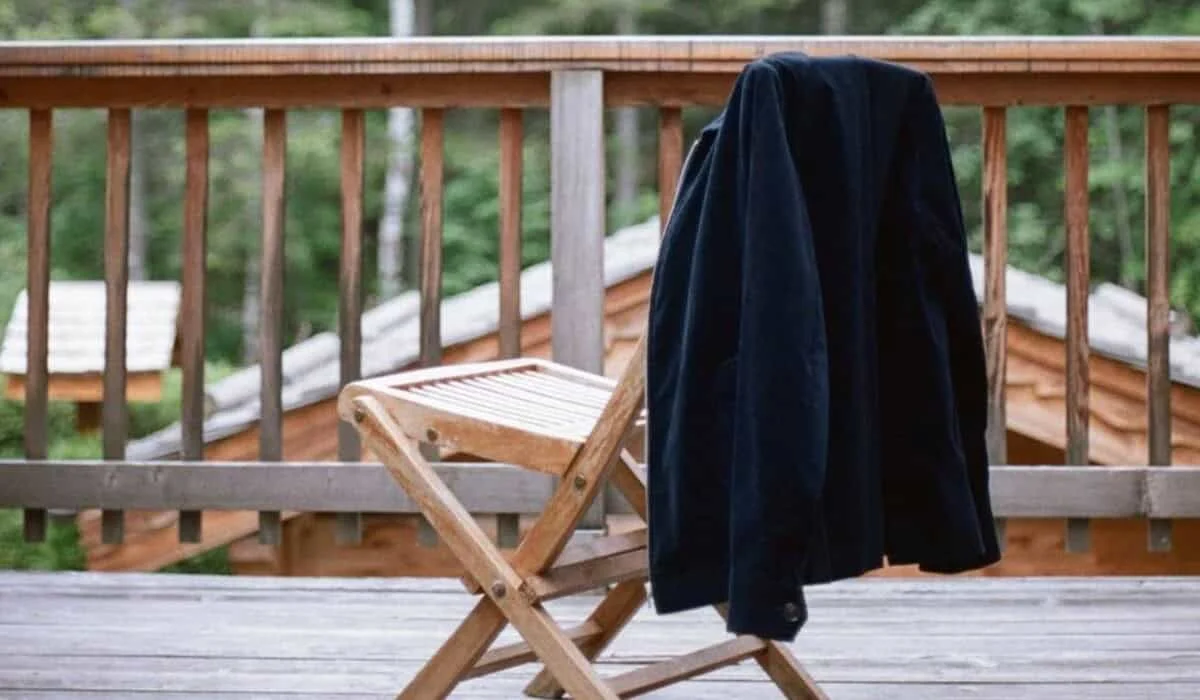
As the seasonal transition from summer’s lingering warmth to autumn’s brisk, unpredictable climate accelerates, the necessity for functional and stylish outerwear becomes the primary focus of the modern menswear wardrobe. The shift in meteorological conditions during the third and fourth quarters requires a departure from lightweight summer fabrics toward materials designed for thermoregulation, durability, and moisture management. As of September 2026, the retail market has reflected a significant pivot toward "transitional layering," a strategy that balances the fluctuating temperatures of early autumn with the impending chill of winter.

The evolution of the fall jacket market is underpinned by a growing consumer demand for "investment pieces"—garments that prioritize longevity and sustainability over fast-fashion cycles. Recent market data indicates that menswear sales in the outerwear category have grown by approximately 12% year-over-year, driven largely by a renewed interest in workwear-inspired aesthetics and technical fabrics that offer multi-functional utility.
The Evolution of the Transitional Wardrobe
The history of the modern fall jacket is rooted in functional utility. The mid-20th century saw the emergence of iconic silhouettes, such as the Eisenhower jacket—popularized by military service members—and the Harrington, which became a staple of British subculture. In 2026, these designs have been modernized through advanced textile engineering. Manufacturers are increasingly integrating synthetic blends that mimic the tactile feel of natural fibers while providing superior water resistance and breathability.

According to industry analysts, the current trend toward "gorpcore" and "heritage workwear" has collapsed the distinction between professional and recreational attire. Men are now seeking garments that perform reliably during a morning commute while maintaining an aesthetic appropriate for social environments. This shift has forced major brands to reconsider their supply chains, with many prioritizing recycled materials and high-certification leathers to meet the sustainability criteria expected by today’s discerning consumer.
Categorizing the 2026 Outerwear Essentials
The selection of a proper autumn jacket necessitates an evaluation of specific environmental needs. The following categories represent the current industry standards for seasonal outerwear, curated based on durability, material composition, and versatility.

The Workwear Standard: The Carhartt Detroit Jacket
The Detroit jacket continues to serve as the definitive benchmark for the workwear segment. Constructed from heavy-duty 100% cotton duck canvas, its popularity remains largely due to its high tensile strength and ability to develop a unique patina over years of wear. While originally engineered for industrial labor, the jacket has secured a permanent place in contemporary fashion due to its minimalist design and robust hardware. Market observations suggest that the inclusion of the "WIP" (Work in Progress) variation, which offers a slightly more tapered, contemporary fit, has expanded its demographic appeal significantly.
The Daily Essential: The Quilted Layer
The quilted jacket, as exemplified by the Closed model, addresses the requirement for lightweight, packable warmth. In 2026, the rise of "micro-layering" has made these pieces indispensable. Utilizing 100% nylon shells with synthetic insulation, these jackets are designed to be worn as a standalone garment during mild days or as an insulating layer under a heavier wool coat. The design focus for these items has shifted toward compressibility, allowing the wearer to store the jacket in a briefcase or backpack when temperatures rise during the midday hours.

Tactical Utility: The Waterproof Shell
For regions characterized by frequent precipitation, the waterproof category has seen significant innovation. The Rains jacket represents a shift toward minimalist, high-performance design. By utilizing 100% polyester with a polyurethane coating, these garments provide a high degree of water column resistance without the bulk of traditional hiking gear. Industry standards for "best-in-class" rain gear now mandate features like adjustable cuffs, reinforced drawstring hoods, and heat-sealed seams to ensure total element protection.
The Premium Investment: Leather and Harrington Options
Leather outerwear remains a significant market segment for those prioritizing longevity. The Wax London Kendal Leather Jacket, utilizing gold-certified lamb’s leather, reflects the premium sector’s commitment to sourcing. Unlike synthetic alternatives, high-quality leather provides natural windproofing and, if properly maintained with conditioning oils, can last several decades. Similarly, the Pangaia Harrington jacket illustrates the luxury segment’s focus on material science, blending traditional cotton with Tencel fibers to achieve a water-repellent finish that is both breathable and environmentally conscious.

Strategic Buying Considerations
When evaluating the purchase of an autumn jacket, consumers should prioritize three core criteria: material composition, fit for layering, and versatility.
- Material Longevity: It is advisable to prioritize natural-synthetic blends. While pure cotton offers comfort, it lacks the moisture-wicking properties required for late-season rain. Conversely, high-denier synthetics offer protection but may lack the breathability needed for moderate temperatures.
- Layering Capacity: A common error in jacket procurement is the failure to account for internal volume. A well-fitted fall jacket should allow for a mid-weight sweater or heavy-gauge knitwear underneath without restricting movement or causing "bunching" at the shoulders.
- Versatility in Aesthetic: A neutral color palette—including charcoal, navy, olive, or classic tan—ensures that the jacket can integrate with the existing wardrobe. This approach minimizes the need for multiple specialized garments and maximizes the return on the initial investment.
Industry Analysis: The Shift Toward Durability
The current focus on "Buy It For Life" (BIFL) products reflects a broader macroeconomic trend. As inflationary pressures affect retail pricing, consumers are increasingly avoiding disposable garments in favor of pieces with replaceable parts—such as high-quality YKK zippers or reinforced metal buttons. This shift is also supported by the secondary market, where well-constructed jackets from brands like Carhartt or Dickies retain a significant portion of their resale value.

Furthermore, the rise of digital forums and peer-to-peer review platforms has democratized information. Consumers now have access to real-time data regarding the performance of specific fabrics under stress. This transparency has compelled brands to maintain higher quality control standards, as product flaws are now documented and shared globally within hours of discovery.
Evaluating the Impact of Climate Variability
The 2026 autumn season has been marked by extreme, localized weather patterns. In response, the apparel industry has adjusted its product timelines. Where once jackets were segmented into strict "Fall" and "Winter" categories, we are now seeing the rise of "All-Season" apparel. This change is not merely aesthetic; it is a tactical response to climate volatility. Lightweight jackets with removable thermal liners are becoming the standard, offering the user the ability to adapt to a 20-degree temperature swing within a single day.

Final Assessment of the Market
The current landscape for men’s fall outerwear is defined by a tension between timeless utility and modern technological application. The best jackets of 2026 are those that respect the lineage of classic design while utilizing modern textiles to solve the problems of breathability, water resistance, and packability.
Whether the consumer opts for the rugged, heritage-driven appeal of a Carhartt canvas piece, the technical performance of a Rains waterproof shell, or the luxury aesthetic of a Pangaia Harrington, the core requirement remains consistent: the garment must function as a reliable barrier against the elements. As the industry moves forward, the emphasis will likely remain on reducing environmental impact while increasing the durability of the average garment. For the consumer, the best strategy remains consistent: focus on quality construction, prioritize natural or high-performance synthetic materials, and invest in a silhouette that transcends the fleeting nature of seasonal trends. By doing so, one ensures not only a sharper appearance but a more functional, resilient, and sustainable approach to the changing seasons.
