
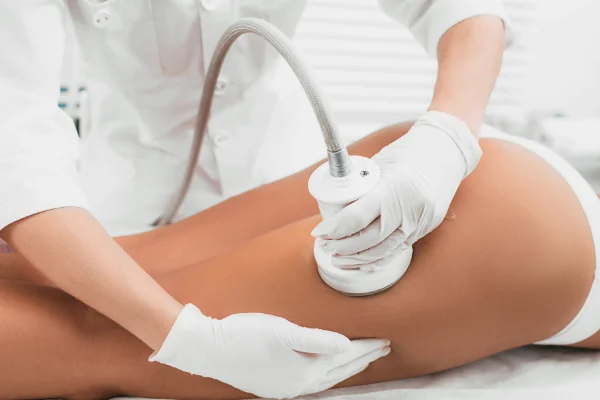
Cellulite has long been a subject of intense aesthetic scrutiny and commercial exploitation, yet for decades, it was largely misunderstood as a simple consequence of generalized fat accumulation or sluggish lymphatic drainage. In recent years, however, advancements in dermatological science and histological imaging have redefined the condition. Nurse practitioner Anna Baker has spearheaded a clinical examination into the underlying mechanisms of cellulite, exploring evidence-based approaches to its management and treatment that move far beyond topical quick fixes. Contemporary medical consensus now views cellulite not merely as a superficial cosmetic imperfection, but as a complex structural alteration occurring within the hypodermis and the extracellular matrix. This paradigm shift has fundamentally transformed how aesthetic practitioners approach diagnosis, patient consultation, and multi-modal treatment planning.
The physiological manifestation of cellulite—characterized by the characteristic dimpling, puckering, and uneven texture of the skin typically observed on the thighs, buttocks, and abdomen—is rooted in the unique anatomical architecture of female subcutaneous tissue. To understand why cellulite predominantly affects women, researchers must examine the structural orientation of fibrous connective tissue septae. In female anatomy, these collagen bands run perpendicular to the skin’s surface, tethering the dermis to the underlying fascia. Fat lobules residing within the hypodermis push upward against the dermis, while the rigid septae pull downward, creating the classic mattress-like appearance. Conversely, male subcutaneous architecture features intersecting, diagonal septae that distribute adipose tissue more uniformly, rendering cellulite a rare phenomenon among men. Furthermore, hormonal influences, particularly estrogen, play a pivotal role in regulating blood flow, fat storage, and connective tissue metabolism, explaining why cellulite often first manifests or worsens during puberty, pregnancy, or perimenopause.
Chronological Evolution of Cellulite Understanding and Treatment
The journey from dismissing cellulite as normal skin variation to treating it as a distinct physiological pathology spans several decades of dermatological research.
During the 1970s and 1980s, the medical and cosmetic industries largely attributed cellulite to trapped toxins, water retention, and poor circulation. This era gave birth to the first generation of mechanical massage devices and manual lymphatic drainage techniques aimed at flushing out alleged cellular waste. While these treatments often provided transient improvements in skin texture due to temporary edema reduction, they failed to address the permanent structural defects within the extracellular matrix.
By the 1990s and early 2000s, histological studies began to pinpoint the exact role of the fibrous septae and herniated subcutaneous fat. This realization shifted the therapeutic focus toward mechanical and thermal disruption of the fibrotic bands. Subcision techniques, early radiofrequency devices, and laser-assisted procedures emerged, attempting to sever the tethering septae and stimulate neo-collagenesis within the dermis. However, many of these early interventions suffered from high complication rates, unpredictable efficacy, and prolonged recovery periods.
In the 2010s, the advent of high-frequency ultrasound and non-invasive energy-based devices allowed practitioners to visualize tissue layers in real-time, enabling more precise treatments. The introduction of enzymatic therapies—specifically collagenase clostridium histolyticum—marked a major milestone, offering a targeted, minimally invasive method to enzymatically cleave the hyperactive collagen bands responsible for the dimpling effect.
In the current era of aesthetic medicine, spearheaded by clinical insights from practitioners like Anna Baker, the approach has evolved into a comprehensive, multi-modal paradigm. Modern protocols combine subcision, energy-based devices (such as focused ultrasound and monopolar radiofrequency), biostimulatory injectables, and targeted topicals to address the hypodermal, vascular, and matrix-level components of the condition simultaneously.
Supporting Data and Epidemiological Insights
Epidemiological data underscores the pervasive nature of cellulite, indicating that it affects between 80% and 90% of post-pubertal females, irrespective of race, ethnicity, or body mass index (BMI). While weight fluctuation can influence the severity of cellulite by increasing the volume of subcutaneous fat lobules, thin individuals are frequently affected, reinforcing the clinical reality that cellulite is primarily a structural and architectural issue rather than a simple indicator of systemic obesity.
Clinical studies evaluating patient demographics reveal that psychological distress associated with cellulite is substantial. Surveys conducted by dermatological research societies indicate that over 70% of affected women report feeling self-conscious in social settings, with a significant percentage altering their clothing choices or avoiding physical activities like swimming due to body image concerns. This psychological burden has fueled an unprecedented demand for clinically proven, long-lasting interventions.
Histopathological evaluations of cellulite-affected tissue further highlight the biochemical alterations present in the extracellular matrix. Biopsy samples consistently demonstrate a thickening and rigidification of the collagen bundles surrounding fat cells, accompanied by localized microvascular dysfunction and chronic, low-grade inflammation. These findings validate the use of evidence-based modalities designed to reduce inflammation, improve microcirculation, and degrade pathological fibrosis.
Clinical Evaluation and Official Perspectives
The aesthetic medicine community, represented by professional organizations such as the British Association of Aesthetic Plastic Surgeons (BAAPS) and the American Academy of Dermatology (AAD), has increasingly emphasized the necessity of standardized classification systems when diagnosing and treating cellulite. Historically, subjective visual scales—such as the Nurnberger-Muller scale, which grades cellulite from mild to severe based on visual inspection while standing and lying down—were the primary diagnostic tools.
Today, leading clinicians advocate for comprehensive diagnostic assessments that incorporate digital 3D imaging, acoustic wave technology, and patient-reported outcome measures. Anna Baker and other clinical leaders stress that a thorough evaluation must distinguish between primary structural dimpling, skin laxity, and localized fat deposits. Misdiagnosing the primary driver of a patient’s aesthetic concern can lead to inappropriate treatment selection, such as performing liposuction on a patient whose primary issue is septal tethering and skin laxity, which can paradoxically worsen the appearance of cellulite.
Professional regulatory bodies have also cautioned against the proliferation of over-the-counter creams and unregulated devices making unverified claims of permanent cellulite eradication. Official clinical guidelines consistently state that because cellulite involves deep structural changes within the hypodermis and extracellular matrix, topical treatments alone are fundamentally incapable of providing long-term structural correction. Instead, regulatory agencies emphasize that meaningful improvement requires professional, clinic-based interventions backed by peer-reviewed clinical trials.
Broader Impact and Future Implications for Aesthetic Practice
The ongoing evolution in how clinicians understand and manage cellulite carries profound implications for the broader aesthetic industry. As patients become increasingly educated and discerning, the demand for transparent, science-backed treatments is reshaping clinical offerings. Practices are moving away from one-size-fits-all packages toward bespoke, combination therapy regimens tailored to the specific histological profile of the individual patient.
From an economic perspective, the global cellulite treatment market continues to expand rapidly, driven by technological innovations and rising disposable incomes dedicated to self-care and aesthetic enhancement. Market research projections indicate steady growth over the coming decade, with the fastest-segment expansion expected in minimally invasive procedures and biostimulatory technologies that offer high patient satisfaction with minimal downtime.
Furthermore, the scientific rigor being applied to cellulite research is likely to yield spillover benefits for other dermatological and aesthetic conditions. Insights gained into extracellular matrix remodeling, collagen degradation, and hypodermal microcirculation are already informing advancements in scar revision, skin tightening, and anti-aging therapies.
Ultimately, the work of clinicians and researchers dedicated to demystifying cellulite represents a maturing of the aesthetic medical field. By grounding treatment protocols in rigorous anatomy, histology, and evidence-based medicine, practitioners can move past the era of unfulfilled promises. As the medical community continues to refine its approach, patients can look forward to safer, more predictable, and scientifically validated solutions that address the root causes of cellulite rather than merely masking its surface symptoms.
