
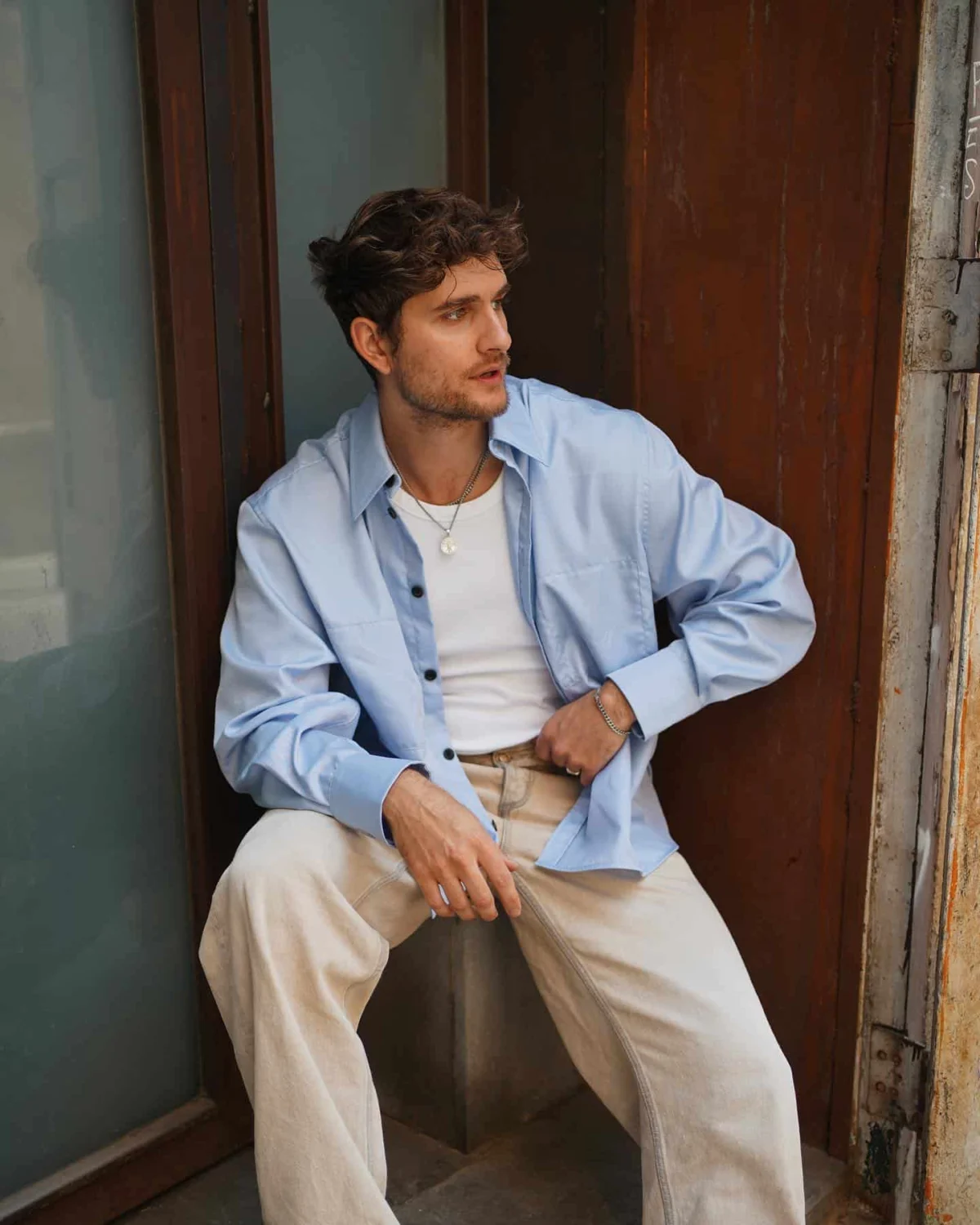
The five-pocket pant has cemented its status as a foundational element of the modern male wardrobe, acting as the bridge between formal tailoring and rugged workwear. Originally modeled after the classic denim silhouette—featuring two back pockets, two front pockets, and a smaller internal coin pocket—this design has evolved significantly in material composition and versatility. As of 2026, the market for these trousers has expanded to include high-performance technical fabrics, luxury corduroy, and sustainable organic cottons, catering to a demographic that prioritizes both aesthetic cohesion and functional utility.
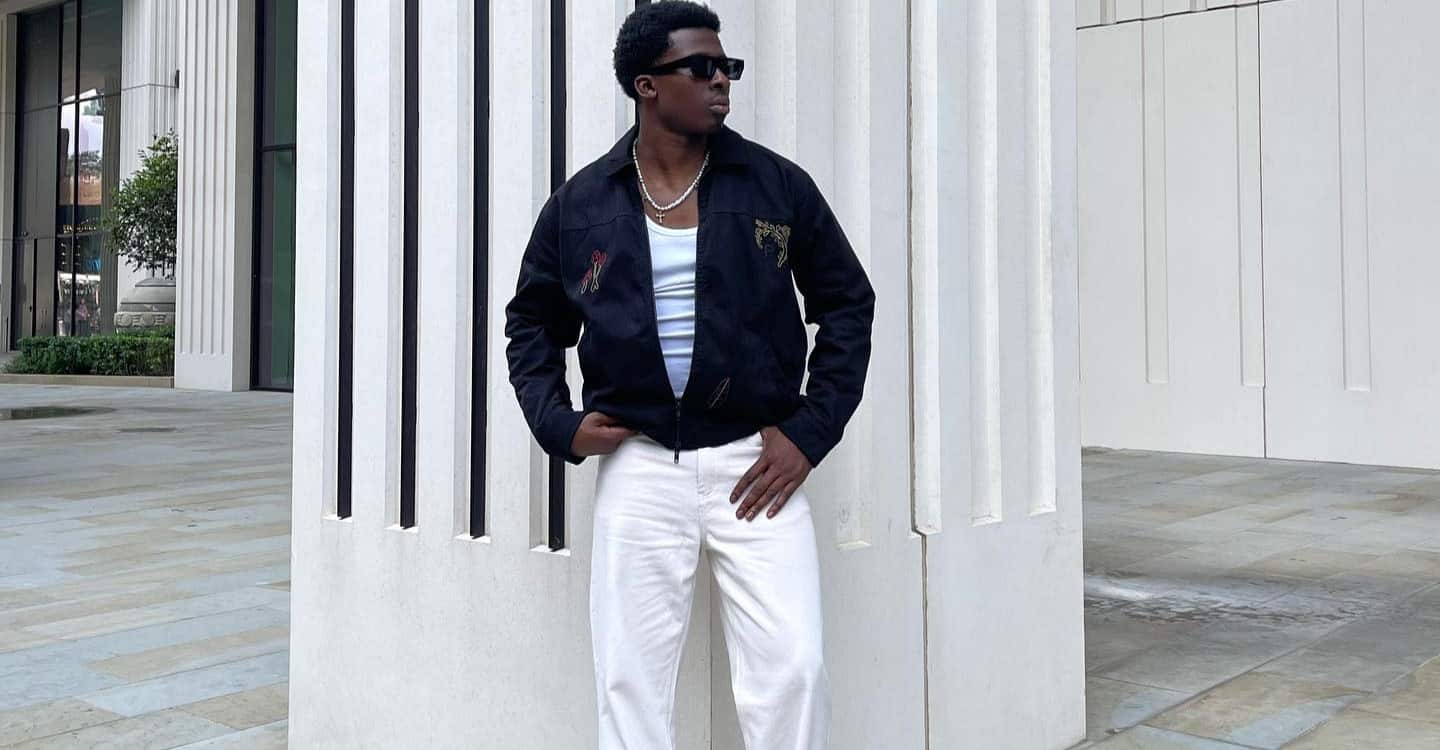
Industry data indicates a shift in consumer purchasing habits, with men increasingly seeking hybrid apparel that transitions seamlessly between professional office environments and social settings. The five-pocket configuration provides a structured, minimalist aesthetic that maintains a cleaner visual profile than cargo or multi-pocket utility styles. This demand has led to a surge in specialized offerings from both heritage brands and contemporary direct-to-consumer labels, all competing to capture the market share of the "everyday pant."
The Evolution of the Five-Pocket Silhouette
Historically, the five-pocket pant was synonymous with denim manufacturing, originating from 19th-century workwear designed for durability in mining and agriculture. Throughout the 20th century, the design migrated from the construction site to the mainstream, becoming an icon of subcultural movements before eventually being adopted by high-fashion houses.

In recent years, the industry has seen a pivot toward "versatility-first" design. This movement, driven by the decline of rigid suit-and-tie dress codes, has forced manufacturers to prioritize fabric technology. Modern iterations now frequently incorporate synthetic blends—such as elastane and elastomultiester—to provide the range of motion required for commuting, travel, and active lifestyles without sacrificing the sharp, pressed appearance of a formal trouser.
Market Leaders and Material Innovation
The current landscape of the market is defined by a rigorous focus on material performance. Brands that have successfully integrated into the daily rotations of consumers often rely on proprietary fabric technologies.

-
Percival 5 Pocket Trousers: These trousers have emerged as a high-performance option for those seeking a heavier-weight aesthetic. Constructed from 100% cotton twill, they offer a structured, rigid drape that mimics the durability of heritage workwear while maintaining a cleaner finish suitable for smart-casual dress codes. The adoption of a slightly wider leg cut reflects the broader fashion industry’s departure from the extreme skinny-fit trends of the previous decade.
-
Amazon Essentials 5 Pocket Stretch Twill Pants: Representing the accessibility segment, these pants demonstrate the widespread adoption of stretch-cotton technology. By utilizing a 98% cotton and 2% spandex blend, this product addresses the consumer need for comfort in a budget-conscious price bracket. This pair highlights the democratization of performance features, making wrinkle-resistant and flexible fabrics available to a broad consumer base.

-
Tom Ford Bedford Corduroy Trousers: At the luxury end of the spectrum, the focus shifts to texture and material quality. The use of cotton-blend corduroy provides a tactile, sophisticated alternative to traditional flat-weave cottons. These pieces serve as a barometer for high-end menswear, where the five-pocket cut is treated with the same precision as formal suit trousers, illustrating the silhouette’s reach into luxury ready-to-wear.
-
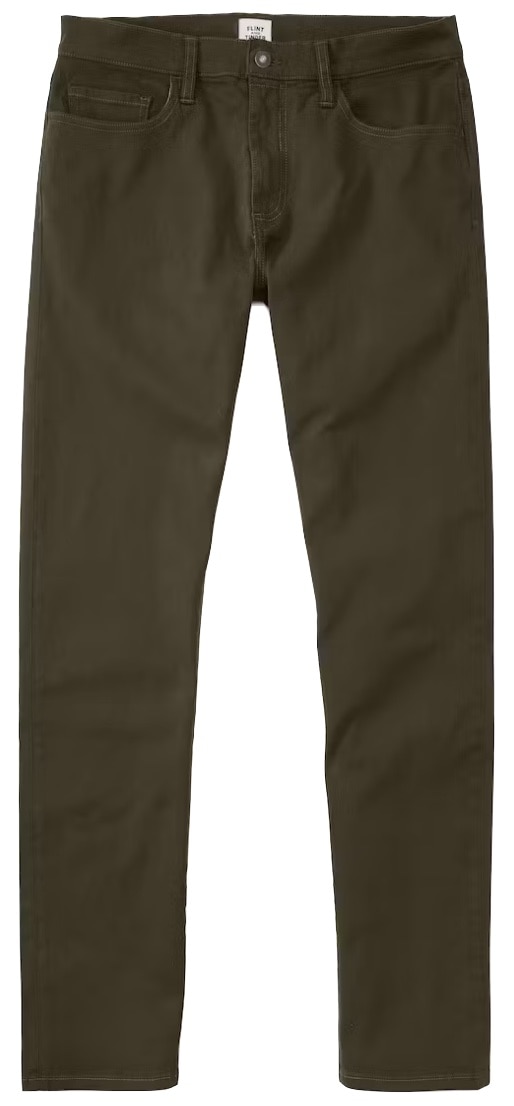
Huckberry Flint and Tinder 365 Pants: Sustainability has become a core component of brand strategy for retailers like Huckberry. Their 365 pants are characterized by a focus on environmental impact, specifically in water usage during the manufacturing process. These pants are pre-shrunk and garment-dyed, signaling a shift toward products that are "ready-to-wear" from the moment of purchase, minimizing the post-purchase maintenance often associated with raw fabrics.

-
Lululemon ABC Slim-Fit 5 Pocket Pants: This product line is perhaps the most notable example of the "athleisure" crossover. By applying athletic garment engineering to a classic five-pocket silhouette, the brand has effectively disrupted the traditional trouser market. The inclusion of reflective cuffs and high-stretch synthetic fibers is a direct response to the needs of the urban commuter, proving that functional clothing can coexist with a refined, professional appearance.
-
Tommy Hilfiger Stretch Travel Pants: Designed specifically for the frequent traveler, these pants focus on the reduction of visual wear. The inclusion of synthetic blends ensures that the fabric maintains its shape after long periods of sedentary wear, such as on airplanes or in office chairs. This product highlights the industry’s trend toward "low-maintenance" fashion, where functionality is prioritized alongside style.
-
Everlane Organic Cotton Slim Fit Jeans: Everlane represents the intersection of ethics and classic design. By utilizing organic cotton, the brand targets the environmentally conscious consumer. Their approach emphasizes transparency in the supply chain, a factor that has become increasingly important for younger demographics when making long-term wardrobe investments.
Strategic Considerations for the Consumer
When evaluating these options, industry analysts suggest focusing on three primary pillars: material composition, fit architecture, and long-term durability.

The choice between natural fibers and technical blends should be dictated by the user’s specific environmental needs. Cotton-dominant fabrics offer superior breathability and a natural aging process, which is highly valued in denim and heavy-twill markets. Conversely, technical blends containing elastane or elastomultiester are essential for users requiring moisture-wicking capabilities, thermal regulation, or high-frequency movement.
Fit architecture remains the most significant variable. The "slim-fit" dominance is currently being challenged by "straight" and "relaxed" fits, which offer improved air circulation and a more contemporary silhouette. Consumers are advised to look for specific measurements—rise length, thigh width, and hem circumference—rather than relying solely on waist sizing, as modern cuts vary significantly between manufacturers.

Industry Implications and Future Outlook
The sustained popularity of the five-pocket pant carries broader implications for the global apparel industry. As office environments continue to evolve toward hybrid models, the demand for "transitional" clothing is projected to grow. Retailers are responding by de-emphasizing formal dress slacks in favor of five-pocket trousers that can be paired with blazers and dress shoes for a business-casual look, or sneakers and hoodies for leisure.
Furthermore, the integration of sustainable manufacturing practices, as seen in the models from Huckberry and Everlane, is no longer a luxury feature but a standard expectation. Data suggests that consumers are increasingly willing to pay a premium for products that provide verifiable information regarding their environmental footprint and the longevity of the garment.

In conclusion, the five-pocket pant is no longer merely a staple of casual wear; it has become a central component of a modern, efficient, and versatile wardrobe. Whether through the lens of luxury, performance, or value, the current market offerings reflect a sophisticated understanding of contemporary male style, prioritizing the balance of form and function to meet the demands of a changing professional and social landscape. The selection of the "best" pair is ultimately dependent on the individual’s specific lifestyle requirements, yet the diversity of options currently available ensures that this classic silhouette remains relevant for years to come.
