

Polycystic Ovary Syndrome (PCOS) is one of the most common endocrine disorders affecting individuals assigned female at birth, yet it remains shrouded in widespread medical misconceptions, particularly concerning weight management. Characterized by a complex interplay of hormonal imbalances, metabolic disruptions, and reproductive challenges, PCOS frequently triggers unexpected weight gain. This symptom alone has driven millions of patients down an exhausting path of cyclical dieting—spanning popular regimens such as ketogenic diets, intermittent fasting, commercial weight-loss programs, and extensive supplement trials. However, clinical endocrinologists and metabolic researchers emphasize that conventional weight-loss paradigms often fail this demographic because they disregard the unique underlying physiological mechanisms driving the condition.
To establish an effective, health-centered approach to PCOS, medical professionals urge patients and practitioners alike to dismantle five persistent myths regarding weight loss, caloric restriction, carbohydrate consumption, physical activity, and the overall trajectory of the syndrome.
The Caloric Restriction Trap and Insulin Resistance
A foundational misunderstanding in metabolic health assumes that weight management is governed by a simple caloric ledger: consuming fewer calories will automatically yield proportional weight loss. For women navigating PCOS, this conventional formula frequently backfires, leading instead to weight plateaus, weight gain, and concurrent metabolic distress.
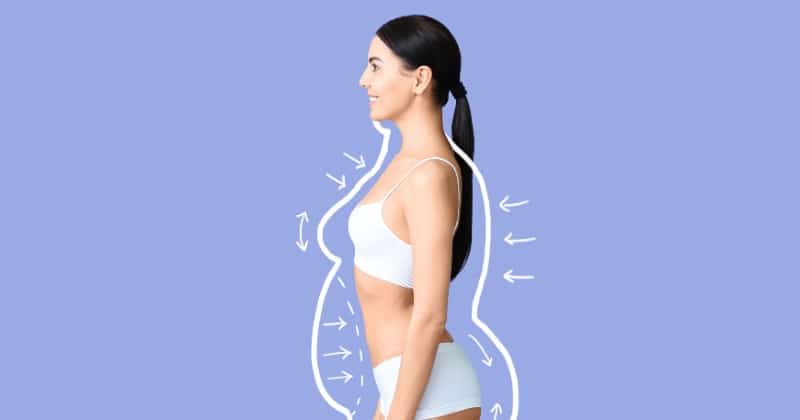
The primary driver behind this phenomenon is insulin resistance, a metabolic hurdle affecting a substantial percentage of PCOS patients. When cells fail to respond effectively to insulin, the body struggles to efficiently convert glucose into cellular energy. In response, the pancreas secretes higher volumes of insulin to compensate. Chronically elevated circulating insulin levels not only promote accelerated fat storage but also stimulate the ovaries’ sensitive theca cells to overproduce androgens, such as testosterone. This excess androgen production intensifies hallmark physical symptoms of PCOS, including hirsutism, acne, and ovulatory dysfunction.
Consequently, clinical guidelines advise shifting the primary focus away from severe caloric deprivation toward nutritional quality. Minimizing highly processed, refined food items while increasing the intake of nutrient-dense, whole foods helps lower systemic insulin levels. Research indicates that while women with PCOS often have lower total daily energy expenditures compared to peers without the condition—necessitating careful energy balance—extreme dietary restriction remains counterproductive. A sustainable nutritional framework must prioritize insulin regulation alongside modest, manageable adjustments to caloric intake.
Re-Evaluating the Necessity of Low-Carb Diets
Dietary culture frequently dictates that managing PCOS-related weight gain requires eliminating carbohydrates through strict low-carbohydrate or ketogenic protocols. While reducing refined sugars and simple starches can ameliorate insulin resistance for some individuals, universal carbohydrate elimination poses significant physiological risks and practical limitations.
Carbohydrates serve as the body’s primary macronutrient for sustained energy. Severely restricting this energy source forces the body into a state of deprivation, which can downregulate metabolic rate, elevate stress hormones, and prompt fat retention. Furthermore, restrictive diets are notoriously difficult to maintain over years or decades. When individuals inevitably reintroduce carbohydrates, rapid weight regain frequently occurs due to the rebound effect on metabolic pathways.

Beyond energy production, adequate carbohydrate consumption plays an essential role in hormone regulation. Overly aggressive carbohydrate restriction can cause sharp drops in blood glucose, placing additional stress on an already taxed endocrine system. Emphasizing complex carbohydrates—such as whole grains, legumes, fibrous vegetables, and fresh fruits—provides steady glycemic control, sustained satiety, and essential micronutrients. Long-term management relies on a balanced intake of all macronutrients rather than the elimination of entire food groups.
Moving Beyond Cardio: The Role of Resistance Training
Physical activity recommendations for weight loss have historically emphasized high volumes of cardiovascular exercise, such as continuous running or cycling. While aerobic training offers cardiovascular benefits, it represents only one component of an optimal fitness regimen for individuals managing PCOS.
Resistance and strength training are critical for improving body composition and metabolic health in PCOS patients. Skeletal muscle tissue houses a high concentration of insulin receptor cells. Consequently, building and maintaining lean muscle mass increases the body’s capacity to absorb glucose from the bloodstream, directly mitigating insulin resistance.
Furthermore, resistance training elevates basal metabolic rate, improves bone mineral density, enhances postural stability, and reduces injury risk without triggering the cortisol spikes sometimes associated with excessive, high-intensity endurance training. Integrating structured strength training into an exercise routine provides a synergistic benefit to both metabolic function and sustainable fat loss.
Recognizing the Heterogeneity of PCOS Presentations
A pervasive cultural assumption portrays PCOS as a condition universally accompanied by severe, treatment-resistant weight gain. Epidemiological data, however, paints a much more nuanced picture. Studies published in public health and gynecological journals indicate that only 30% to 50% of women diagnosed with PCOS are classified as overweight or obese. A significant majority maintain a stable, healthy weight without extraordinary clinical intervention.
This variability is largely driven by the distinct phenotypic expressions of the syndrome. PCOS is clinically categorized into multiple phenotypes based on specific diagnostic criteria, including hyperandrogenism, ovulatory dysfunction, and polycystic ovarian morphology on ultrasound. Phenotype A—characterized by classic clinical hyperandrogenism, chronic anovulation, and polycystic ovaries—demonstrates a stronger correlation with weight gain compared to milder phenotypic presentations.
Lifestyle factors, socioeconomic variables, and access to supportive healthcare further influence weight status. Crucially, clinicians stress that weight status does not define the severity of the condition. Many lean women with PCOS experience debilitating symptoms such as severe mood disorders, chronic pelvic pain, metabolic dysregulation, and reproductive complications that demand comprehensive medical attention independent of body mass index (BMI).
Dismantling the Notion That Weight Loss Cures PCOS
The pursuit of weight loss is frequently framed by both patients and wellness media as a definitive cure for PCOS. While clinical data demonstrates that moderate weight reduction can improve insulin sensitivity, lower systemic inflammation, and help regulate menstrual regularity, weight loss does not eradicate the underlying genetic and metabolic architecture of the disorder.

Many individuals face genetic predispositions or concurrent medical conditions that render significant weight loss difficult or medically unrealistic. Aggressive weight-loss pursuits can also foster disordered eating patterns, weight cycling, and psychological distress, all of which exacerbate hormonal imbalances.
In response to the limitations and psychological tolls of weight-centric medical models, many healthcare providers have embraced the Health at Every Size (HAES) framework. This paradigm shifts the clinical objective from arbitrary weight targets to holistic health markers, behavioral sustainability, and quality of life. HAES-aligned interventions encourage regular movement, stress mitigation, balanced nutrition, and mental healthcare support, acknowledging that health outcomes improve when individuals nurture their overall well-being regardless of body size.
Navigating PCOS requires a personalized, evidence-based strategy developed in partnership with qualified medical professionals, such as endocrinologists, gynecologists, and registered dietitians. By moving past restrictive myths and short-term trends, patients can cultivate sustainable habits that support lifelong endocrine and metabolic health.
