

Polycystic Ovary Syndrome (PCOS) stands as one of the most prevalent endocrine and metabolic disorders affecting individuals of reproductive age, impacting an estimated 6 to 12 percent of women globally. Characterized by a complex interplay of hormonal imbalances, chronic low-grade inflammation, and insulin resistance, PCOS frequently manifests in a constellation of distressing symptoms—ranging from irregular menstrual cycles and anovulatory infertility to weight gain, hirsutism, and metabolic syndrome. While conventional pharmacological interventions such as metformin and oral contraceptives remain standard treatments, an increasing number of patients and healthcare practitioners are turning toward evidence-based natural alternatives. Among the most researched botanical compounds gaining traction in modern clinical endocrinology is berberine, a naturally occurring plant alkaloid showing profound promise in mitigating the multifaceted manifestations of PCOS.
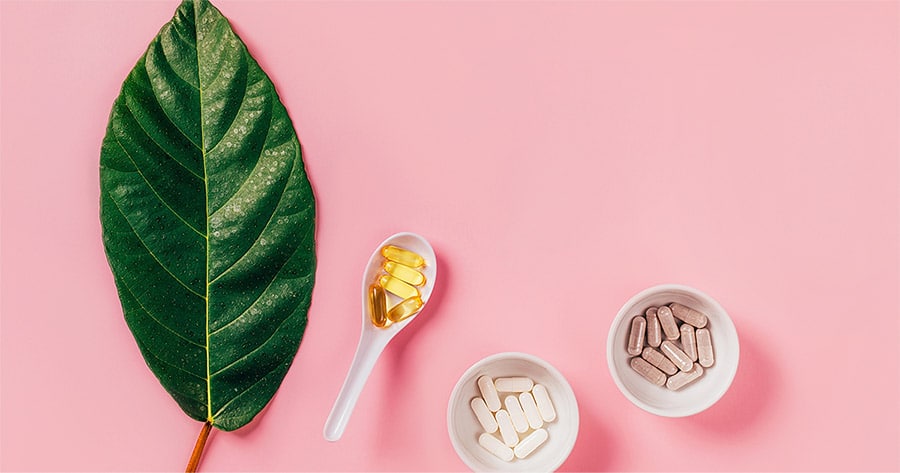
Origins and Pharmacological Profile of Berberine
Rooted deeply in traditional herbal pharmacopeia, particularly within traditional Chinese medicine and Ayurveda, berberine has a documented history of use spanning over three millennia. Historically extracted from the roots, rhizomes, and stem bark of various plants belonging to the Berberis genus—such as barberry, goldenseal, and Oregon grape—this bright yellow plant alkaloid has successfully transitioned from ancient botanical remedies into contemporary clinical investigations. In recent decades, Western medical researchers have subjected berberine to rigorous randomized controlled trials, uncovering a robust pharmacological profile. Its therapeutic utility primarily stems from two fundamental biological mechanisms: its potent capacity to modulate glucose metabolism and its significant anti-inflammatory and antioxidant activities. By acting upon cellular energy sensors, particularly adenosine monophosphate-activated protein kinase (AMPK), berberine exerts systemic effects that closely mirror those of conventional metabolic prescription drugs, offering a compelling therapeutic avenue for metabolic and reproductive disorders.

Targeting Insulin Resistance: The Core Mechanism in PCOS Management
At the pathophysiological core of PCOS lies a disruption in the body’s insulin signaling pathway. A significant majority of women diagnosed with PCOS exhibit hyperinsulinemia—producing excess amounts of insulin—which subsequently drives the ovaries to synthesize excessive androgens, or male hormones. This hyperandrogenemia is directly responsible for many hallmark clinical features of the syndrome, including acne, hair thinning, and ovulatory dysfunction.

Berberine addresses this foundational metabolic defect by acting as a powerful insulin sensitizer. Clinical data underscore its efficacy; a prospective randomized study published in Cureus demonstrated that women with PCOS who incorporated berberine into their management plans over a 12-week period experienced measurable improvements in insulin sensitivity and marked reductions in circulating blood glucose levels. By improving the cellular uptake of glucose and downregulating hepatic glucose production, berberine helps break the destructive feedback loop of insulin resistance, offering patients a viable non-pharmaceutical strategy to stabilize metabolic health.
Blood Glucose Regulation and Cardiovascular Risk Reduction

The downstream consequences of chronic insulin resistance extend far beyond reproductive health. When insulin fails to efficiently transport glucose from the bloodstream into peripheral cells, persistent hyperglycemia ensues. Over time, elevated plasma glucose levels contribute significantly to systemic fatigue, cognitive impairment (often described as "brain fog"), weight retention, and an elevated risk of developing type 2 diabetes and metabolic syndrome.
Furthermore, women with PCOS face a statistically heightened risk of cardiovascular disease due to the synergistic effects of insulin resistance, dyslipidemia, and systemic inflammation. Clinical trials investigating berberine’s impact on lipid profiles have revealed encouraging results. Research indicates that berberine actively improves lipid metabolism by lowering low-density lipoprotein (LDL) cholesterol—frequently referred to as "bad" cholesterol—alongside serum triglycerides, while simultaneously increasing high-density lipoprotein (HDL) cholesterol. Comparative pharmacological analyses have even noted that berberine’s lipid-modulating efficacy rivals conventional statin therapies, such as simvastatin, positioning it as a potent cardioprotective agent for at-risk patient populations.

Restoring Menstrual Regularity and Optimizing Hormonal Balance
Irregular menses and unpredictable ovulation present persistent hurdles for individuals navigating PCOS, heavily impacting both long-term reproductive planning and daily quality of life. Clinical research evaluating the endocrinological impacts of berberine highlights its ability to restore menstrual cyclicity and promote ovulation.

In a landmark comparative study published in the Journal of Clinical Endocrinology, researchers evaluated the efficacy of berberine versus metformin in 100 women with PCOS over a three-month treatment window. While both compounds successfully improved ovulation rates and menstrual regularity, the cohort treated with berberine demonstrated a statistically significant elevation in Sex Hormone-Binding Globulin (SHBG) levels compared to the metformin group. Elevated SHBG is clinically desirable because it binds to free circulating androgens, thereby reducing the free androgen index and mitigating hyperandrogenic symptoms. Additionally, optimized SHBG levels prior to conception serve as a crucial protective factor against gestational diabetes during pregnancy.
Further endocrine analyses reveal that berberine administration helps correct the aberrant luteinizing hormone (LH) to follicle-stimulating hormone (FSH) ratio commonly observed in PCOS, while simultaneously suppressing elevated androgen synthesis and boosting progesterone levels. By addressing these foundational hormonal imbalances, berberine facilitates holistic symptom resolution rather than merely masking individual manifestations.

Weight Management and Body Composition Improvements
Weight management is notoriously challenging for individuals with PCOS, as underlying metabolic dysfunction and insulin resistance often promote fat storage, particularly in the visceral region surrounding internal organs. Clinical trials assessing berberine’s role in body composition have yielded compelling evidence of its anti-obesity properties.
A systematic review examining metabolic syndrome patients treated with berberine over a 12-week period reported notable reductions in body mass index (BMI), with average metrics shifting from clinical obesity ranges toward healthier parameters. Mechanistically, berberine appears to inhibit fat storage, enhance cellular energy expenditure, and ameliorate systemic inflammation. Moreover, focused ultrasonography and anthropometric measurements in PCOS-specific trials have documented significant decreases in waist circumference—even in instances where overall scale weight remained stable—underscoring berberine’s specific capacity to target metabolically dangerous visceral adiposity.
Mitigating Comorbidities: Inflammation, Fatty Liver Disease, and Mental Health

Beyond reproductive and metabolic markers, chronic low-grade inflammation is intrinsically linked to the pathophysiology of PCOS, exacerbating insulin resistance and elevating cardiovascular vulnerabilities. Berberine acts as a potent anti-inflammatory and antioxidant agent by suppressing pro-inflammatory cytokines and protecting oocyte (egg) quality, a critical factor for those undergoing fertility treatments.
Additionally, non-alcoholic fatty liver disease (NAFLD) occurs at a significantly higher frequency among women with PCOS—with some epidemiological data suggesting patients are up to four times more likely to develop NAFLD compared to the general population. Clinical gastroenterology studies indicate that berberine serves as an effective therapeutic intervention for hepatic steatosis, working to reduce hepatic triglyceride accumulation, enhance insulin sensitivity, and quell liver inflammation.

Mental health comorbidities, including clinical depression and generalized anxiety, represent frequently overlooked aspects of the PCOS experience that profoundly impact overall well-being. Emerging neuropharmacological evidence suggests that berberine exerts neuroprotective and mood-stabilizing effects, offering supplementary support for patients grappling with the psychological burdens of chronic illness.
Clinical Protocols, Safety Profiles, and Frequently Asked Questions

For patients and healthcare providers considering the integration of berberine into a comprehensive management plan, understanding optimal dosing schedules and safety parameters is essential.
Standard Clinical Dosage and Bioavailability
Clinical literature generally supports a recommended daily dosage of berberine ranging from 500 mg administered two to three times daily. When selecting a supplement, healthcare professionals recommend opting for berberine hydrochloride (HCl), as clinical data indicate it possesses superior bioavailability compared to alternative formulations. To maximize absorption and minimize potential gastrointestinal side effects, it is universally advised to consume berberine alongside meals.

Timeline for Clinical Efficacy
Because botanical and metabolic interventions rely on gradual physiological shifts rather than immediate pharmacological suppression, patients typically begin observing measurable improvements in metabolic markers, menstrual regularity, and symptom severity within three to six months of consistent supplementation.
Safety and Long-Term Tolerability
Clinical trials evaluating berberine report a favorable safety profile with a low incidence of serious adverse events. When side effects do occur, they are typically mild and localized to the gastrointestinal tract, manifesting as transient nausea, cramping, constipation, or diarrhea. In the event of persistent digestive discomfort, patients are advised to discontinue use and consult their primary care physician. Importantly, research confirms that berberine is safe for long-term administration, and clinical investigations indicate it can be safely utilized by individuals actively trying to conceive or those utilizing oral contraceptive regimens.

Conclusion and Future Outlook
Berberine represents a scientifically validated, naturally derived therapeutic compound capable of addressing the complex matrix of metabolic, endocrine, and inflammatory abnormalities inherent to Polycystic Ovary Syndrome. By functioning as a potent insulin sensitizer, lowering blood glucose and lipid profiles, restoring hormonal equilibrium, and supporting fertility, berberine offers a robust clinical tool for patients seeking evidence-based alternatives or adjuncts to conventional pharmaceutical care. As ongoing clinical research continues to illuminate its diverse systemic benefits, berberine stands out as a valuable addition to modern integrative endocrinology protocols.
