
Navigating nutritional requirements while managing Polycystic Ovary Syndrome (PCOS)—a complex endocrine disorder affecting an estimated 6 to 12 percent of reproductive-aged women in the United States—presents a daily operational challenge for millions. Clinical dietitians and endocrinologists increasingly emphasize that mid-day meals serve as a critical metabolic anchor. Maintaining stable blood glucose levels and curbing systemic inflammation during peak working hours directly dictates afternoon cognitive performance, energy stability, and long-term hormonal regulation. Historically, individuals diagnosed with PCOS faced restrictive dietary frameworks that offered little culinary diversity, frequently leading to regimen fatigue. However, modern nutritional science highlights that sustainable management relies not on deprivation, but on strategic macronutrient pairing: combining high-fiber complex carbohydrates, anti-inflammatory omega-3 fatty acids, and clean, lean proteins.
The Endocrine Impact of Midday Nutrition
Polycystic Ovary Syndrome is fundamentally characterized by insulin resistance, chronic low-grade inflammation, and hyperandrogenism. When a patient consumes a high-glycemic lunch, such as a traditional refined-wheat sandwich or commercial takeout, rapid spikes in circulating blood glucose trigger an excessive pancreatic insulin response. In ovarian tissue, surplus insulin stimulates androgen production, exacerbating clinical symptoms such as hirsutism, acne, and irregular menstrual cycles. Furthermore, these glycemic spikes are invariably followed by reactive hypoglycemia, translating into the characteristic post-lunch neurological fatigue and brain fog that impairs workplace productivity.
To counteract this physiological trajectory, nutritional intervention protocols prioritize meals that minimize the glycemic load while actively mitigating inflammation. Integrating anti-inflammatory compounds—such as the eicosapentaenoic acid (EPA) and docosahexaenoic acid (DHA) found in cold-water fish—has demonstrated measurable efficacy in modulating endocrine profiles. Clinical trials, including foundational research published in medical journals such as the Iranian Journal of Reproductive Medicine, have established that targeted omega-3 supplementation significantly reduces circulating free testosterone levels in women with PCOS, offering a biochemical rationale for incorporating marine proteins into daily dietary rotations.
Curated Midday Protocols for Hormonal Equilibrium
To bridge the gap between clinical recommendation and practical daily execution, contemporary culinary medicine has formulated diverse midday options that satisfy nutritional parameters without sacrificing flavor or preparation convenience.

Marine and Plant-Based Protein Integrations
- Salmon Caesar Salad with Wild Mushrooms, Tomato, and Avocado: Replacing standard croutons and commercial dressings with a proprietary avocado-oil Caesar emulsion eliminates refined seed oils and preservatives. Wild-caught salmon introduces therapeutic omega-3 fatty acids, while mushrooms, tomatoes, and avocados supply essential micronutrients and monounsaturated fats that slow gastric emptying and blunt glycemic response.
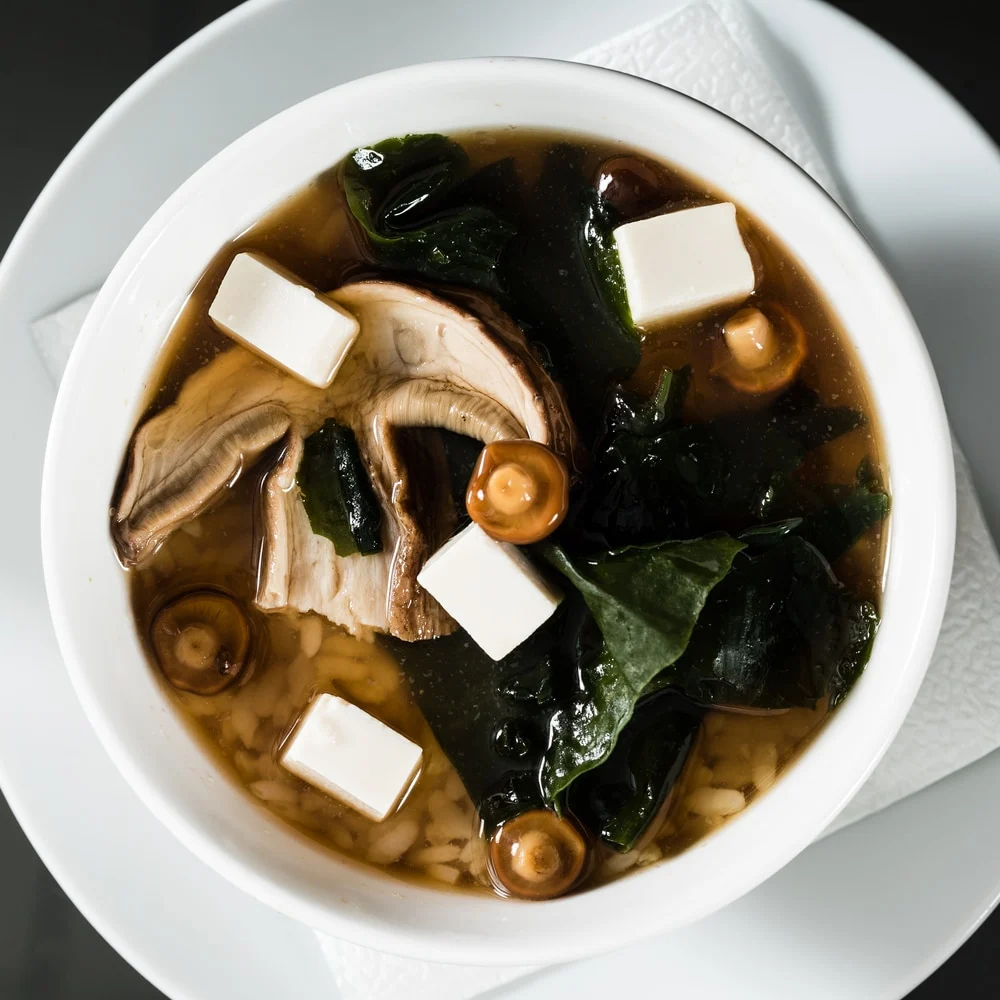
- Avocado and Brown Rice Salmon Sushi Accompanied by Mineral-Rich Miso Soup: Homemade sushi utilizing fiber-dense brown rice, raw salmon, and avocado circumvents the hidden sugars often present in restaurant preparations. Paired with a traditional miso broth containing sea-vegetables like arame and wakame, this pairing supports gastrointestinal microbiome health, which plays an emerging role in systemic inflammatory modulation.
- Baked Salmon with Roasted Root Vegetables: A foundational, low-preparation option featuring a protein file paired with nutrient-dense sweet potatoes. Roasting sweet potatoes in liquid coconut oil rather than inflammatory industrial fats provides a sustained, complex carbohydrate source that preserves evening energy reserves.
- Cilantro Lime Shrimp Skewers over Riced Cauliflower: Utilizing lean crustacean protein marinated in fresh citrus and cilantro, this portable meal delivers robust micronutrients. Replacing traditional polished rice with grated cauliflower dramatically reduces the carbohydrate load while maintaining the sensory profile of a traditional grain-based dish.
- Salmon Spring Rolls: Rice paper wrappers filled with fresh coriander, black pepper, and salmon, lightly pan-seared and served with a clean soy accompaniment, offer a low-glycemic alternative to heavy fried appetizers.
Poultry and Lean Meat Options
- Turkey Burger with Gluten-Free Accompaniments: Formulated from lean poultry, herbs, and spices, these patties are cooked to a safe internal temperature of 165 degrees Fahrenheit and served bunless or on certified gluten-free substrates to eliminate inflammatory wheat proteins.
- Lettuce Wrap with Grilled Chicken and Mixed Greens: Designed for professional environments requiring handheld, portable nutrition, marinated grilled chicken wrapped in crisp butter lettuce delivers the essential amino acids required for neurotransmitter synthesis and sustained afternoon focus.
- Shrimp Fried Rice Re-engineered: Utilizing brown rice, scrambled eggs, green onions, peas, carrots, and shrimp tossed in sesame oil and tamari, this preparation satisfies cravings for Asian-inspired takeout while preventing the classic post-prandial lethargy associated with refined white rice and excessive sodium.
Plant-Forward and Vegetarian Selections
- Pomegranate, Chickpea, and Broccoli Salad: Highlighting plant-based fiber, legumes, and cruciferous vegetables, this dish supports estrogen metabolism via indole-3-carbinol compounds found in broccoli, while pomegranate seeds provide potent polyphenol antioxidants.
- Gluten-Free BLT with Avocado and Tempeh Bacon: Substituting processed pork bacon with marinated, pan-seared tempeh introduces fermented soy probiotics that bolster gut integrity. The inclusion of dietary fiber from the tempeh and healthy fats from the avocado successfully counteracts the glycemic impact of the gluten-free bread base.
- Vegan Black Bean "Tuna" Salad: Formulated by utilizing nutrient-dense pulses and aromatic vegetables, this preparation offers exceptional plant-based protein and prebiotic fiber to sustain satiety without animal fats.
- Sweet Potato, Quinoa, and Black Bean Burgers: An ideal meal-prep candidate for Sunday execution, these patties combine complete plant proteins from quinoa with the low-glycemic complex carbohydrates of roasted sweet potato, ensuring a reliable nutritional safety net throughout a busy work week.
Broader Implications and Implementation Strategies
The adoption of structured, hormone-supportive lunch protocols extends far beyond immediate symptom management. Endocrinologists and registered dietitians stress that establishing consistent dietary habits during the middle of the workday prevents the evening glycemic crashes that frequently precipitate nocturnal binge eating—a common behavioral challenge for individuals struggling with insulin-resistant metabolic states.

Furthermore, the transition toward whole-food, anti-inflammatory ingredients addresses the multi-systemic nature of PCOS. Because the syndrome is increasingly recognized not merely as a reproductive disorder, but as a metabolic condition carrying long-term implications for cardiovascular health and Type 2 diabetes risk, proactive dietary management serves as a primary preventative medicine tool. By substituting highly processed convenience items with nutrient-dense, blood-sugar-stabilizing alternatives, patients reclaim agency over their metabolic health, transforming routine daily meals into active components of a comprehensive endocrine care plan.
