
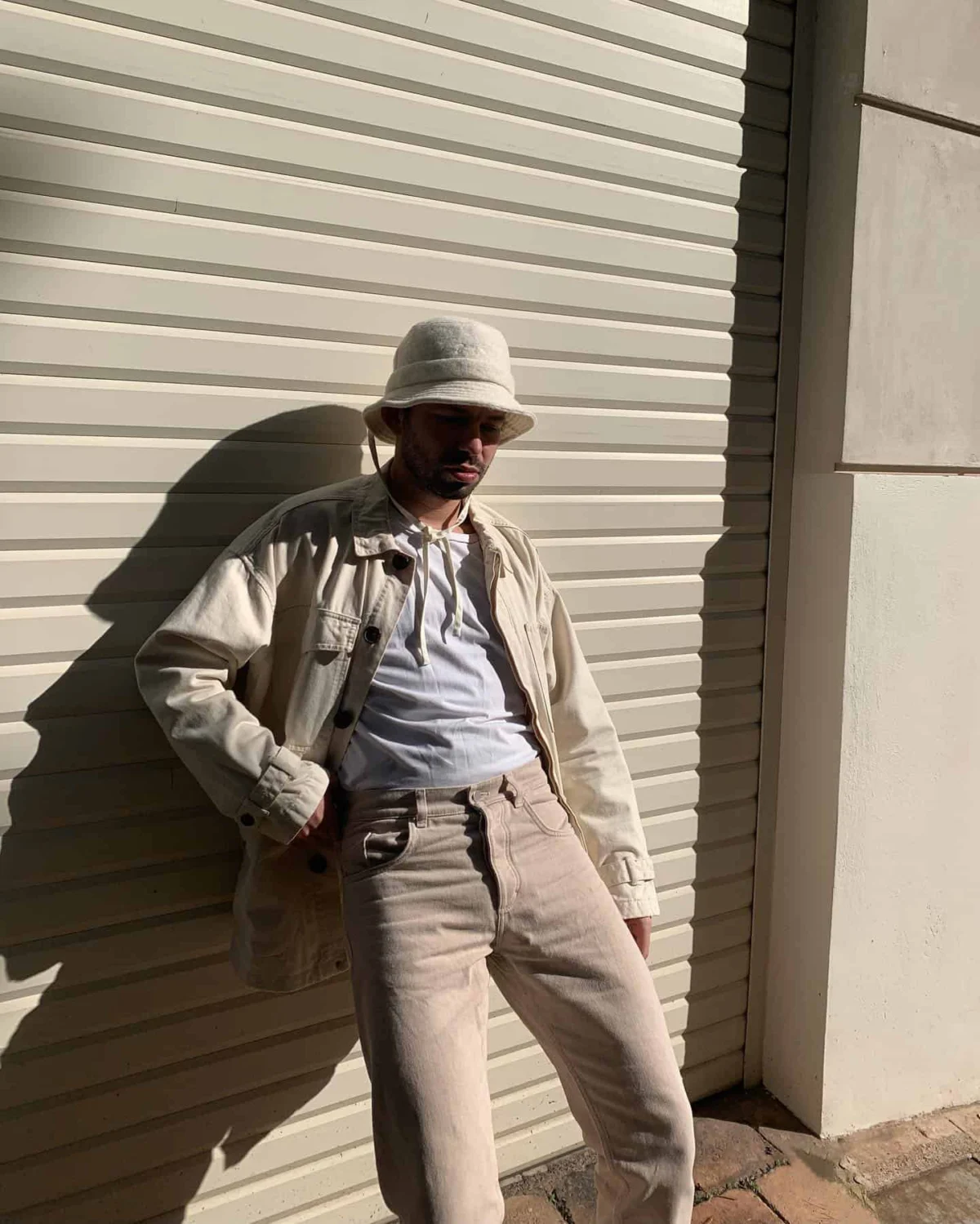
The bucket hat, once relegated to the utilitarian realm of fishing gear and 1960s mod fashion, has undergone a profound transformation in the modern menswear landscape. What was once considered a niche accessory has emerged as a cornerstone of contemporary street style, bridging the gap between high-fashion runway aesthetics and functional, everyday summer utility. As the fashion industry continues to prioritize the intersection of form and function, the bucket hat has solidified its status as a permanent fixture in global retail, with sales data indicating a sustained year-over-year increase in demand across both luxury and mass-market sectors.

The historical trajectory of the bucket hat—often referred to as a "fisherman’s hat"—dates back to the early 20th century. Originally constructed from heavy-duty wool felt to provide weather protection for Irish farmers and fishermen, the design was valued for its ability to repel rain while allowing the wearer to maintain visibility. Its transition into mainstream fashion began in the 1960s, gaining cultural momentum through the influence of hip-hop icons in the 1980s and 90s, most notably LL Cool J, whose signature style helped cement the item’s place in global urban culture. By 2026, the accessory has evolved into a versatile wardrobe staple, manufactured in materials ranging from moisture-wicking synthetics for athletic performance to premium sheep shearling for winter insulation.
Current market trends suggest that the resurgence of the bucket hat is driven by a broader consumer shift toward "gorpcore"—a fashion movement that celebrates outdoor-inspired, functional clothing. Leading manufacturers, including industry titans like Nike and heritage luxury houses such as Prada and Loewe, have responded by integrating technical fabrics and innovative design elements. For instance, the incorporation of toggle-fastening drawcords and ultraviolet protection factor (UPF) ratings has transformed these hats from simple stylistic choices into essential gear for outdoor activities.
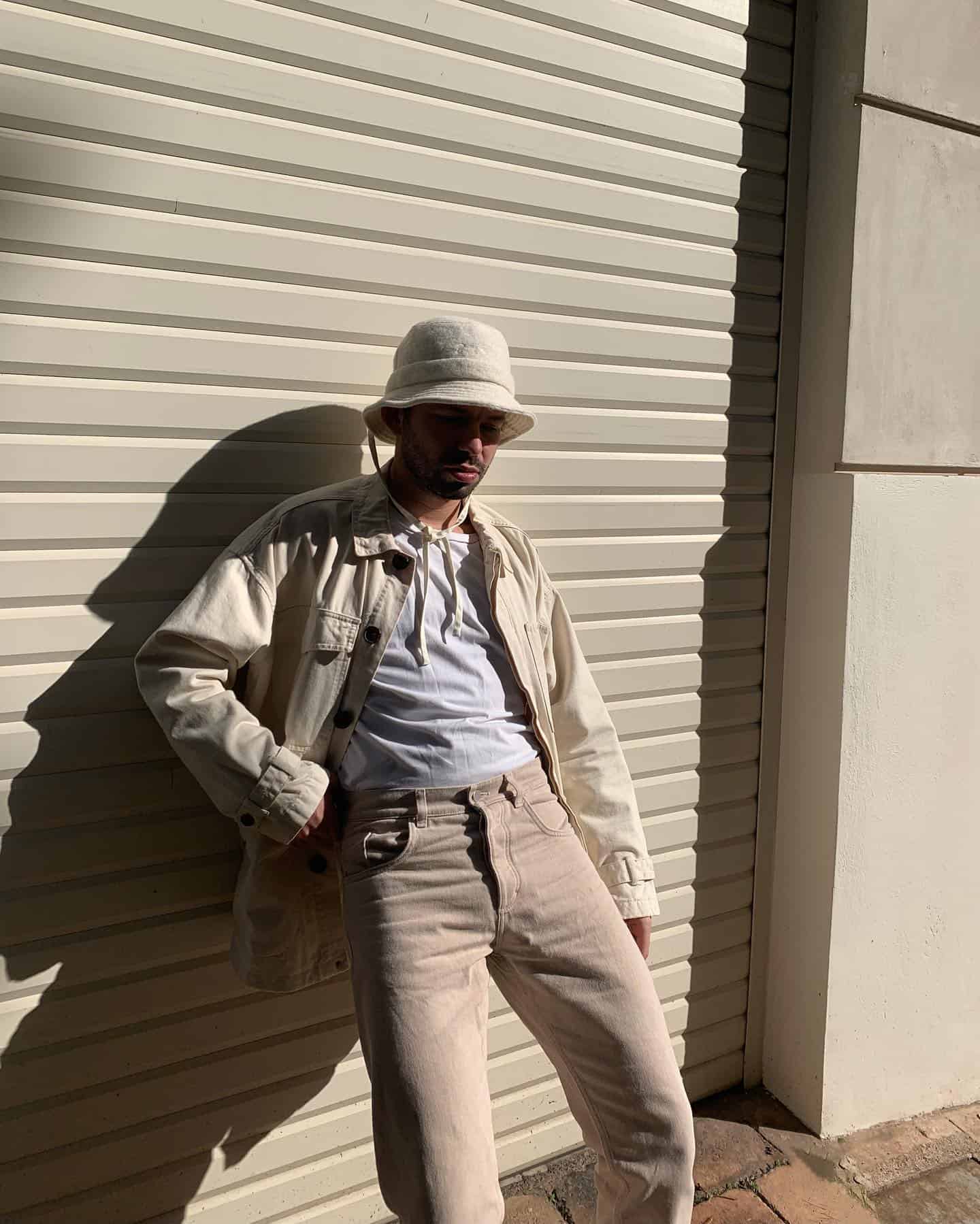
When evaluating the current selection of bucket hats, experts emphasize the importance of material science. Cotton-twill remains the industry standard for casual wear due to its breathability and structure. However, the surge in outdoor recreation has pushed nylon and polyester blends to the forefront. These synthetic materials, often treated with durable water-repellent (DWR) coatings, offer superior resistance to the elements, making them ideal for consumers prioritizing longevity and ease of maintenance.
The following selections represent the current market leaders, categorized by their specific utility and design philosophy.

The Benchmark for Versatility: Kangol Cotton Bucket Hat
The Kangol bucket hat stands as a foundational piece in the history of headwear. Constructed from high-quality, pre-washed cotton, this design offers a lived-in aesthetic that is both comfortable and durable. Unlike structured hats, the Kangol design provides a flexible brim that conforms to the wearer’s head shape over time. From an analytical perspective, its popularity is anchored in its brand heritage, which carries significant weight within the hip-hop community. It serves as a reliable entry point for consumers looking to adopt the trend without sacrificing authenticity.
The Accessible Standard: Gelante’s Value-Driven Design
For the budget-conscious consumer, the Gelante bucket hat provides a compelling case study in accessibility. Priced significantly lower than its designer counterparts, the hat maintains a competitive edge by offering a wide array of colorways and sizes. Market analysts note that products like these are essential for broader market adoption, allowing consumers to experiment with the bucket hat trend without a significant financial commitment. The primary consideration for buyers here is sizing; because the product is mass-produced, checking specific measurements against the wearer’s head circumference is recommended to ensure a proper fit.

Performance and Utility: Nike’s Boonie Integration
Nike has successfully adapted the traditional bucket silhouette into the "Boonie" style, a model designed specifically for high-intensity activity. Featuring sweat-wicking technology and integrated side vents, the Boonie is engineered for thermal management. The addition of a secure toggle-fastening chin strap addresses the primary functional complaint associated with standard bucket hats: the risk of the hat blowing away in high winds. This design is particularly favored by those engaging in hiking, watersports, or intense summer field work.
The Statement Accessory: Quanhaigou’s Reversible Options
The shift toward multifunctional fashion is nowhere more apparent than in the reversible bucket hat. The Quanhaigou design serves as a dual-purpose garment, typically featuring a vibrant, high-contrast pattern on one side and a neutral, solid tone on the other. This design choice caters to the minimalist-maximalist divide, allowing the wearer to transition from a bold, festival-ready aesthetic to a muted, professional-casual look by simply flipping the brim. It represents an efficient use of material, maximizing the utility of the garment within a single item.

Luxury and Craftsmanship: The Acne Studios and Loewe Approach
At the top tier of the market, luxury brands have redefined the bucket hat as a symbol of sophisticated design. The Acne Studios model, characterized by its sturdy cotton-twill and subtle, minimalist branding, appeals to the "quiet luxury" demographic. Conversely, the Loewe reversible bucket hat demonstrates the pinnacle of technical construction. By utilizing high-end jacquard and nylon, these houses offer products that are not only fashion-forward but also technically superior in their water-repellency and structural integrity. For the luxury consumer, these items are an investment in brand identity and material longevity.
Winter Adaptation: Prada’s Shearling Innovations
In a departure from the traditional summer-only narrative, luxury fashion houses like Prada have introduced shearling and fleece-lined bucket hats. This transition illustrates the cyclical nature of fashion trends; by utilizing winter-appropriate materials, the bucket hat has successfully transcended the seasonal limitations that once restricted its use. This pivot is highly relevant for urban fashion markets in colder climates, providing a stylish alternative to the traditional wool beanie.

Critical Buying Considerations
Selecting the appropriate bucket hat requires an assessment of three primary factors: material, fit, and intended environment.
- Material Composition: Consumers should prioritize natural fibers like cotton for casual, daily use due to their superior breathability. Conversely, those intending to wear the hat during exercise or in unpredictable weather should seek out technical synthetics like nylon or polyester, which offer better moisture-management properties.
- Fit and Sizing: Unlike adjustable baseball caps, many bucket hats are sold in fixed sizes. A hat that is too tight will cause discomfort, while one that is too loose will lack the necessary stability in windy conditions. Measuring the head at the widest point is a standard industry recommendation.
- Aesthetic Alignment: The "bucket" silhouette is inherently casual. However, the presence of branding, the width of the brim, and the choice of color can shift the garment’s appearance from athletic to formal. Identifying the primary environment—whether a beach club, a hiking trail, or an urban street—is essential for making an informed choice.
The Broader Impact of the Trend
The sustained popularity of the bucket hat throughout 2026 highlights a significant change in consumer behavior: the rejection of rigid, formal dress codes in favor of comfort-first, adaptable styles. Industry reports suggest that the "hat-wearing" category has seen a resurgence that correlates with the rise of remote work and the casualization of office wear.

The economic implications are equally noteworthy. As manufacturers invest in new production techniques—such as laser-cutting for ventilation and eco-friendly dyeing processes—the bucket hat has become a significant driver of revenue within the accessories department of major fashion retailers. The ability of the bucket hat to stay relevant in both the high-fashion and mass-market sectors ensures its place in the global wardrobe for the foreseeable future.
As we look toward the remainder of the year and beyond, the consensus among fashion professionals is clear: the bucket hat is no longer an outlier. It is a functional necessity and a stylistic staple. Whether through the lens of extreme utility, as seen in the Nike Boonie, or the lens of luxury, as demonstrated by Prada, the bucket hat remains a vital tool for personal expression and environmental protection. For the consumer, the challenge is no longer finding a bucket hat, but rather selecting the specific design that best aligns with their lifestyle and aesthetic requirements.
