
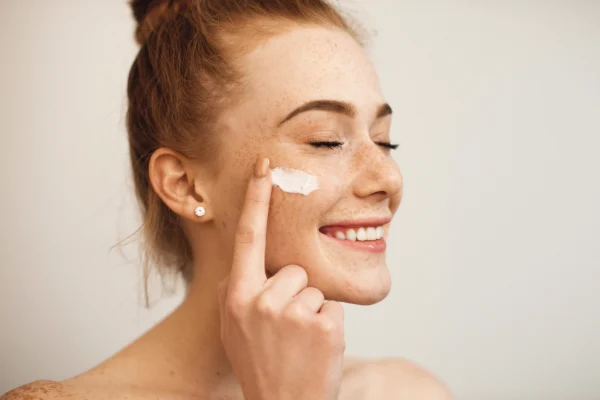
In the rapidly evolving landscape of aesthetic medicine, the clinical focus has increasingly shifted beyond the treatment room chair and into the patient’s daily bathroom routine. Dr Sally Rayment has recently published a comprehensive clinical exploration into pre- and post-procedural topical skincare protocols, highlighting their vital role in maximising the efficacy and safety of aesthetic interventions. As non-surgical cosmetic procedures—ranging from micro-needling and chemical peels to aggressive laser resurfacing—continue to surge in global popularity, the medical aesthetics community is placing unprecedented emphasis on barrier health. The skin barrier, functioning as the body’s ultimate shield against external stressors, is fundamental to maintaining cutaneous homeostasis, regulating transepidermal water loss (TEWL), modulating local immune responses, and resisting microbial colonisation. When aesthetic procedures intentionally or unintentionally disrupt this delicate architecture, the resulting vulnerability requires precise, evidence-based topical management to ensure optimal healing, reduce downtime, and prevent adverse complications such as post-inflammatory hyperpigmentation and prolonged erythema.
The Evolution of Peri-Procedural Care
Historically, aesthetic practitioners frequently concentrated almost exclusively on the technical execution of the procedure itself, treating pre- and post-care as an afterthought or a superficial recommendation of basic moisturisers. However, clinical data gathered over the past decade has demonstrated a direct correlation between the baseline health of the stratum corneum and the overall success of procedural outcomes. Dr Rayment’s recent insights underscore a paradigm shift toward "skin priming"—a structured, weeks-long preparatory phase designed to fortify the skin barrier, upregulate cellular repair mechanisms, and standardise epidermal hydration before any physical or chemical trauma is introduced.
This evolution is largely driven by a deeper understanding of cellular biology and wound healing cascades. When an aesthetic device or chemical agent is applied to the skin, it triggers a controlled inflammatory response. If the patient’s skin is already compromised, chronically inflamed, or experiencing a disrupted microbiome, this controlled response can easily escalate into chronic irritation, delayed re-epithelialisation, or infection. By implementing targeted pre-procedural regimens incorporating antioxidants, gentle retinoids (withdrawn appropriately prior to the date of service), and barrier-repair lipids, practitioners can effectively prime the skin to respond more predictably to treatment.
Understanding the Skin Barrier and Cutaneous Homeostasis
To fully comprehend the necessity of optimised pre- and post-procedural protocols, one must examine the intricate biophysical properties of the skin barrier. The stratum corneum—frequently visualised as a "brick and mortar" structure where corneocytes represent the bricks and intercellular lipids (ceramides, cholesterol, and free fatty acids) represent the mortar—is responsible for preventing excessive moisture loss and blocking the entry of pathogens and allergens.
When procedures disrupt this barrier, transepidermal water loss spikes dramatically. Without immediate and appropriate intervention, the skin enters a state of compromised defense, leaving it hypersensitive to environmental pollutants and opportunistic microorganisms. Furthermore, the disruption of cutaneous homeostasis stimulates keratinocytes to release pro-inflammatory cytokines, initiating the inflammatory phase of wound healing. While inflammation is a necessary precursor to neocollagenesis and tissue remodeling, uncontrolled or prolonged inflammation invariably leads to adverse events, most notably post-inflammatory hyperpigmentation (PIH), which is a significant concern in Fitzpatrick skin types III through VI.
Chronology of Procedural Integration: From Priming to Recovery
The integration of advanced topical protocols follows a strict, time-sensitive chronology divided into three distinct phases: preparation, intra-procedural management, and post-procedural rehabilitation.
Phase 1: The Pre-Procedural Priming Window (4 to 6 Weeks Prior)
The preparatory phase is designed to condition the skin, normalise cellular turnover, and build a physiological reserve. During this window, clinicians typically evaluate the patient’s skin type, history of sensitivity, and baseline hydration levels. Protocols often mandate the discontinuation of potentially irritating active ingredients, such as high-strength alpha-hydroxy acids (AHAs), beta-hydroxy acids (BHAs), and prescription retinoids, typically 3 to 5 days before the scheduled procedure to avoid excessive barrier compromise. Conversely, the introduction of non-acidic antioxidants (such as topical vitamin C) and targeted barrier-repair formulations containing ceramides and niacinamide is encouraged to strengthen epidermal resilience.
Phase 2: The Immediate Post-Procedural Recovery Phase (Days 1 to 7)
Immediately following the procedure, the skin is in a state of acute barrier disruption. The primary clinical objectives during this critical first week are twofold: preventing microbial infection and managing TEWL while soothing acute inflammation. Occlusive agents and biomimetic peptides are frequently deployed to create a breathable, protective micro-environment that mimics the natural stratum corneum while new epithelial cells migrate across the wound bed. During this phase, harsh cleansers, physical scrubs, and active cosmeceuticals are strictly prohibited. Sun protection is paramount, as newly formed epidermis is exceptionally vulnerable to ultraviolet-induced DNA damage and subsequent pigmentary anomalies.
Phase 3: The Long-Term Remodeling and Maintenance Phase (Weeks 2 to 6 and Beyond)
As re-epithelialisation concludes, the focus shifts toward supporting the remodeling phase—the period during which collagen and elastin fibers are reorganized. Clinicians gradually reintroduce active skincare ingredients tailored to the patient’s long-term aesthetic goals, such as anti-ageing, acne management, or pigment suppression. This gradual reintroduction ensures that the newly synthesized skin is not overwhelmed, thereby sustaining and amplifying the clinical benefits achieved through the initial aesthetic intervention.
Industry Data and Clinical Implications
Recent market analysis within the medical aesthetics sector highlights a growing consumer demand for combination therapies—protocols that pair in-clinic procedures with scientifically validated home-care regimens. Industry surveys indicate that practices incorporating mandatory pre- and post-procedural skincare sales report higher patient satisfaction rates, fewer reported complications, and significantly reduced recovery downtimes.
From an economic perspective, this holistic approach transforms standalone clinical visits into comprehensive treatment journeys, enhancing patient retention and clinical credibility. From a medical perspective, the implications are equally profound. By standardising the preparation and recovery phases, practitioners can safely push the boundaries of clinical efficacy—delivering deeper peels, more intensive laser settings, or more aggressive energy-based device treatments—with a substantially diminished risk profile.
Official Responses and Expert Consensus
Leading dermatologists and aesthetic plastic surgeons have increasingly voiced support for standardized peri-procedural guidelines. Professional bodies, including dermatological nursing associations and aesthetic medical boards, have begun updating their educational curricula to place greater emphasis on barrier science and cosmeceutical chemistry.
"We are moving past the era where a simple post-procedure petroleum jelly application is considered sufficient," notes a leading consultant dermatologist. "Modern aesthetic medicine requires an intricate understanding of cellular signaling, lipid matrix replenishment, and inflammatory modulation. When we prepare the skin properly before wounding it, and nurture it meticulously afterward, the physiological response is vastly superior, leading to faster healing and more luminous, long-lasting results."
Similarly, clinical researchers emphasize that patient compliance remains the linchpin of successful outcomes. Even the most sophisticated pre- and post-procedural regimen will fail if the patient deviates from the prescribed timeline or prematurely reintroduces active ingredients. Consequently, clinics are investing heavily in patient education, structured written protocols, and follow-up consultations to ensure strict adherence during the vulnerable recovery windows.
Broader Impact on the Future of Aesthetics
The detailed exploration of pre- and post-procedural skincare by clinicians such as Dr Sally Rayment signals a maturing industry. As aesthetic procedures become more sophisticated and accessible to a broader demographic, the margin for error narrows. The future of medical aesthetics will likely see an even greater convergence between clinical interventions and advanced topical formulations, driven by innovations in biotechnology, microbiome science, and drug-delivery systems.
Ultimately, optimising pre- and post-procedural skincare bridges the gap between mechanical or chemical trauma and physiological regeneration. By respecting the intricate biology of the skin barrier, aesthetic practitioners can elevate their standards of care, ensuring that every intervention is met with optimal healing, minimized risk, and superior clinical outcomes that stand the test of time.
