
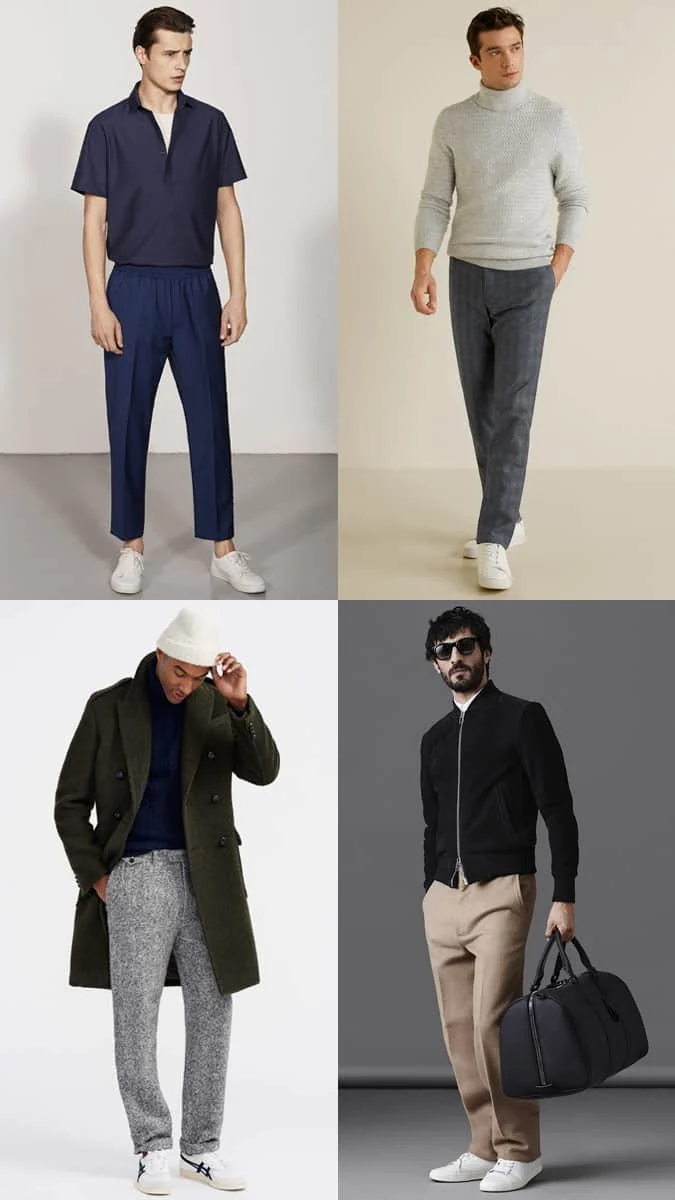
For decades, the silhouette of men’s trousers has been governed by a restrictive, skin-tight aesthetic that prioritized slim lines over physical comfort. However, the pendulum of menswear is currently swinging back toward a more generous, fluid fit. The wide-leg trouser, once relegated to the fringes of subcultural style or dismissed as a fleeting runway gimmick, has established itself as a foundational element of contemporary fashion. This shift represents more than a mere trend; it is a fundamental realignment of how modern men approach both tailoring and casual attire, balancing comfort with sophisticated visual proportions.
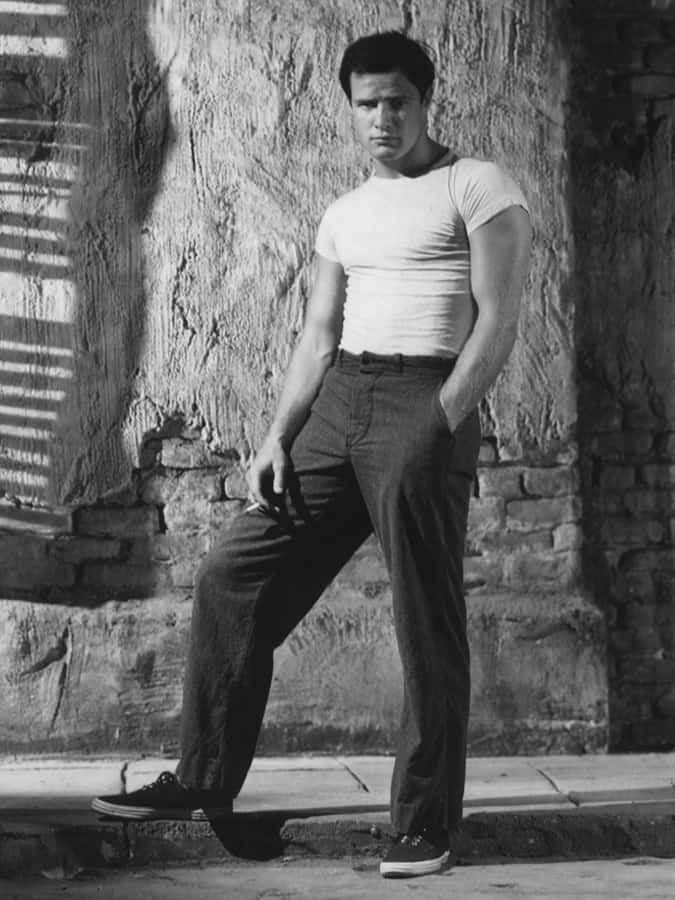
The history of the wide-leg cut is rooted in a desire for liberation and, at times, rebellious excess. In the 1920s, the "Oxford Bag" trend saw university students sporting trousers with circumference hems reaching 40 inches—a defiant reaction against the rigid, narrow tailoring of the Victorian era. Throughout the 20th century, icons such as Frank Sinatra and Marlon Brando adopted roomier silhouettes to project an image of effortless, unbothered masculinity. By the 1970s, David Bowie further popularized the aesthetic, demonstrating that voluminous trousers could serve as a canvas for creative expression. Despite these historical precedents, the early 21st century saw a drastic contraction in leg width, with the "drainpipe" skinny jean becoming the dominant standard for nearly two decades. The current return to wider cuts is driven by a combination of consumer fatigue regarding restrictive clothing and a broader industry shift toward relaxed, gender-fluid silhouettes.
According to market analysis from retail intelligence firms, the demand for "relaxed fit" and "straight-leg" denim and trousers has seen a steady increase of approximately 15% annually since 2019. This data reflects a post-pandemic shift where consumers prioritize comfort and ease of movement without sacrificing a polished appearance. Fashion houses, from high-end labels like Studio Nicholson and A.P.C. to high-street staples, have recalibrated their seasonal collections to reflect this preference for volume, indicating that the wide-leg style is currently a permanent fixture rather than a temporary trend.
To successfully incorporate wide-leg trousers into a modern wardrobe, one must understand the technical requirements of the silhouette. The primary challenge for the wearer is maintaining visual balance. Because the lower half of the body is granted significant volume, the torso and upper layers must be styled with precision to avoid an unkempt appearance. Style experts emphasize the "contrast principle": if the trousers are voluminous, the top half of the outfit should ideally be more fitted or structured. A crisp, well-tailored crew-neck t-shirt or a slim-fit button-down, when tucked into a high-waisted wide-leg trouser, draws the eye to the waist and creates a streamlined, intentional look that prevents the wearer from appearing overwhelmed by fabric.
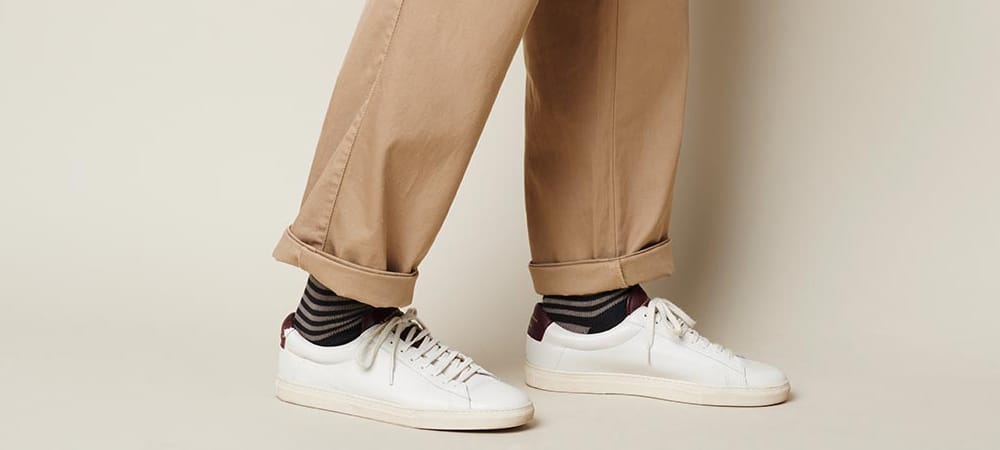
The integration of pleats serves as a technical advantage for those transitioning to wider fits. Historically associated with formal business attire, pleats provide additional fabric in the thigh and seat area, allowing for a more comfortable drape. For the modern man, these details offer a bridge between traditional tailoring and contemporary streetwear. When opting for pleated trousers, selecting a slightly cropped hem—ending just above the shoe—can ensure the look remains modern. This prevents the fabric from "pooling" excessively at the ankle, which is a common error that can detract from the silhouette’s clean lines.
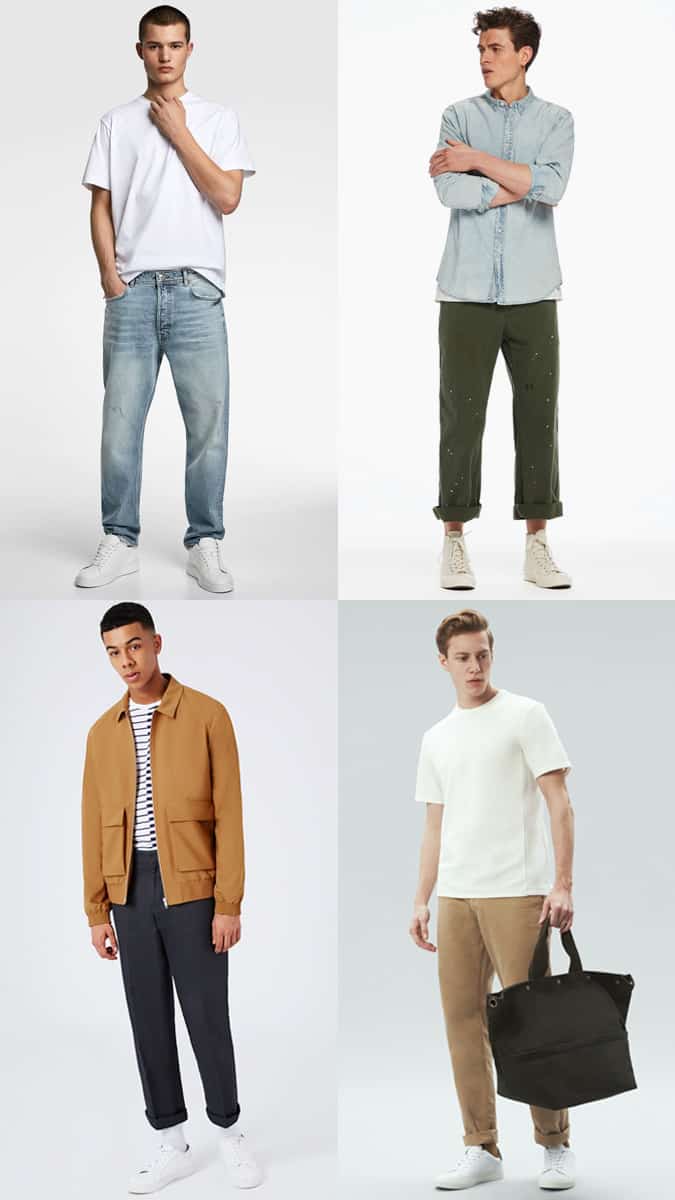
The choice of fabric is equally critical to the success of the ensemble. Lightweight materials can sometimes billow in an undesirable manner, whereas heavier textiles such as thick cotton twills, wool flannels, or substantial linens hold their shape effectively. This structural integrity is essential for achieving the "swing" that defines a well-cut wide-leg pant. For autumn and winter, wool-blend flannels provide both warmth and the necessary weight to drape elegantly. In contrast, summer styling benefits from heavier-weight linens, which offer breathability while maintaining the crispness required for a sophisticated silhouette.
Footwear selection represents the final, and perhaps most significant, hurdle in styling wide-leg trousers. A narrow, pointed shoe, such as a traditional loafer, can look disproportionately small when paired with a wide hem, creating a jarring aesthetic mismatch. Instead, a round-toe sneaker or a substantial derby shoe is generally recommended. These options provide the visual "heft" necessary to ground the wide silhouette. By selecting footwear that mirrors the weight of the trousers, the wearer achieves a balanced, cohesive look that aligns with the proportions of the garment.
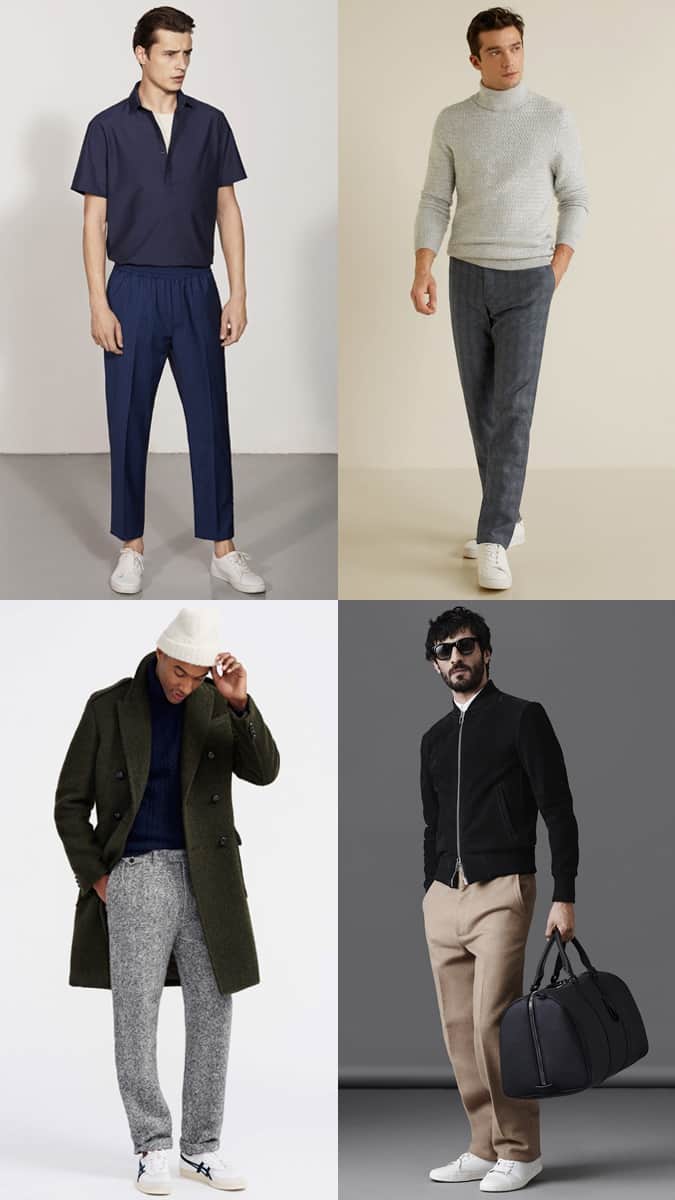
In a professional or business-casual context, the wide-leg trouser requires a more deliberate approach. A deconstructed blazer, paired with a tucked-in shirt and polished leather shoes, can elevate the relaxed cut of the trousers, making them entirely appropriate for modern office environments. The key is the "nipped-in" waist, which creates a sense of proportion that prevents the overall outfit from appearing boxy. The professional implication here is significant: as corporate dress codes continue to evolve toward a "smart-casual" hybrid, the ability to wear comfortable yet tailored clothing is becoming a standard expectation.
The shift toward wider cuts also has practical implications for daily utility. The increased pocket capacity and improved range of motion offered by these styles are tangible benefits that have resonated with the streetwear and skate communities for years. As high-fashion brands have begun to adopt these functional elements, the wider trouser has transitioned from a niche item to a versatile wardrobe staple. The current focus on neutrality—sticking to classic palettes of navy, black, charcoal, and stone—further cements the adaptability of this style. Neutrals ensure that the volume of the trouser does not become a distraction, but rather a subtle statement of sartorial confidence.
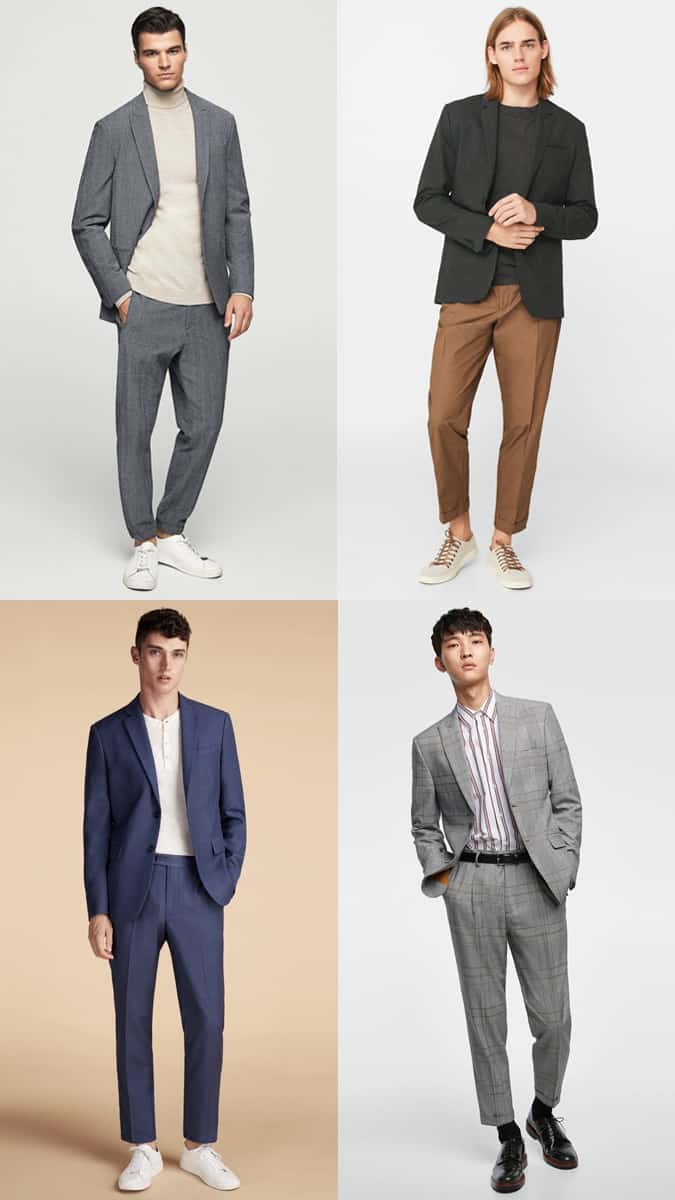
Critics of the trend often point to the risk of "looking like a child wearing their parent’s clothes," a criticism that almost always stems from poor fit rather than the width of the leg itself. The solution lies in the rise and the hem. When the waistband sits at the natural waist rather than the hips, the proportions of the body are maintained. Proper tailoring, particularly at the hem, is the differentiator between a fashionable look and a neglected one. Investing in a high-quality pair of trousers and having them adjusted by a professional tailor remains the most effective strategy for ensuring the garment complements the wearer’s specific frame.
The evolution of men’s fashion suggests that the era of the skin-tight trouser was an anomaly in the broader history of tailoring. The current movement toward wider, more comfortable silhouettes is a return to a more traditional understanding of garment construction—one that prioritizes both form and function. As men continue to experiment with these cuts, the focus will likely remain on the interplay between volume, texture, and proportion.
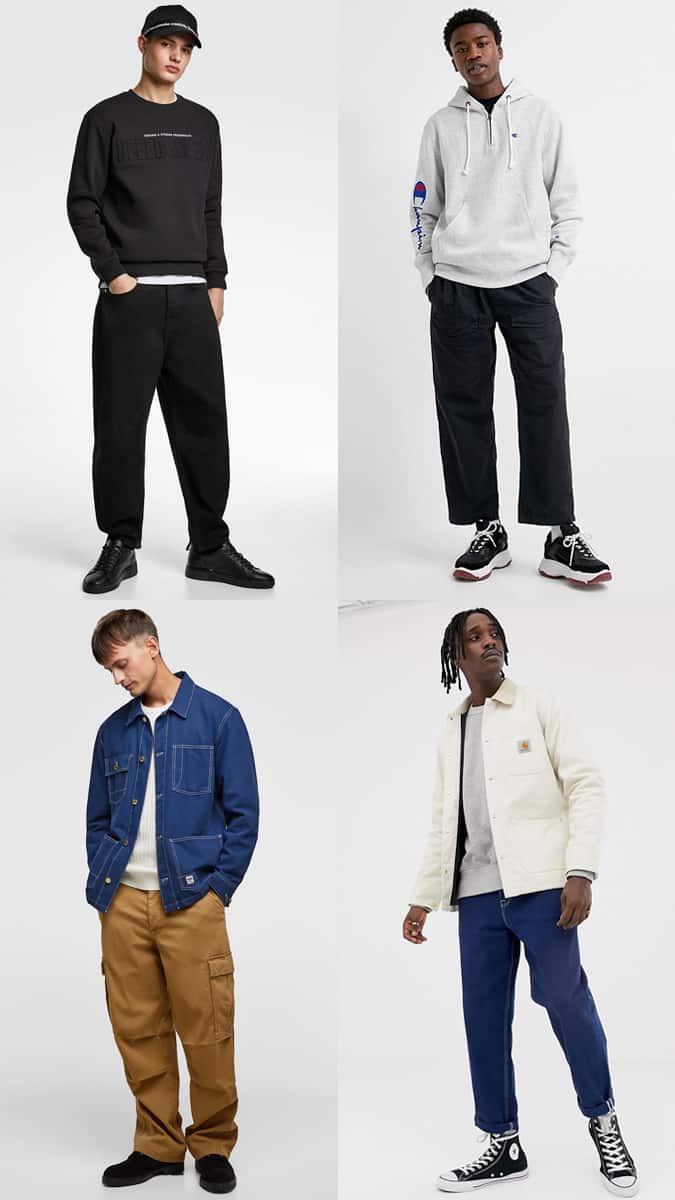
In conclusion, the wide-leg trouser is a transformative piece that offers a level of comfort and aesthetic presence that slim-fit trousers cannot match. By adhering to the principles of contrast, prioritizing high-quality, heavier fabrics, and paying close attention to footwear and hem length, any individual can successfully integrate this style into their rotation. It is an invitation to move away from the restrictive norms of the past decade and embrace a silhouette that is inherently more forgiving, undeniably more comfortable, and historically grounded in the best of classic menswear. As the trend matures, it will likely continue to influence the wider fashion landscape, cementing its place as a permanent, rather than transient, shift in the modern sartorial lexicon. The "roomier" approach is not just a trend; it is a long-overdue evolution in how we view the relationship between the garment, the body, and the daily demands of a modern lifestyle.
