
The demand for versatile, lightweight apparel has surged in recent years as shifting climate patterns and evolving workplace dress codes have pushed men toward clothing that bridges the gap between performance gear and casual comfort. As summer temperatures rise and the transitional seasons of spring and autumn become increasingly unpredictable, the lightweight hoodie has emerged as a cornerstone of the modern masculine wardrobe. Unlike traditional heavy-weight fleece, these garments prioritize breathability, moisture management, and portability, making them essential for both active pursuits and everyday urban wear.

Industry analysts observe that the athleisure market continues to experience sustained growth, with projections indicating a significant uptick in consumer spending on high-performance base layers through 2026. This trend is not merely aesthetic; it is driven by a functional requirement for garments that offer UV protection, moisture-wicking capabilities, and temperature regulation without the bulk of traditional knitwear.
The Evolution of the Lightweight Hoodie
Historically, the hoodie was relegated to the athletic track or the gym. However, the last decade has seen a dramatic shift in how designers approach this staple. The incorporation of advanced fabric technologies—such as bamboo viscose, recycled polyesters, and silk-cashmere blends—has transformed the hoodie into a multi-purpose layer.
In the 2020s, the focus shifted toward "technical comfort." Brands began analyzing the thermal properties of fabrics, leading to the development of sun-protective hoodies that function as a second skin. This evolution was accelerated by the global rise of remote work, where the need for "smart-casual" clothing that remains comfortable for hours of sedentary activity became paramount. By 2025, the market reached a point of saturation in quality, forcing manufacturers to innovate further by focusing on sustainable sourcing and hybrid material compositions.
Top Selections for 2026: Performance and Luxury
When evaluating the market, ten distinct options stand out based on their material integrity, versatility, and user-reported performance metrics.
1. Free Fly Bamboo Lightweight Hoodie: The Benchmark for Versatility
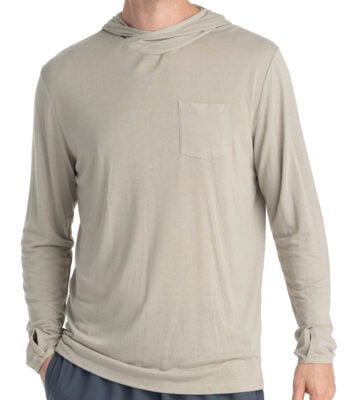
The Free Fly Bamboo Hoodie has established itself as the industry standard for lightweight layering. By utilizing a 70/30 blend of bamboo viscose and polyester, the garment achieves a unique balance: it is naturally odor-resistant and possesses a "buttery" hand-feel that synthetic fabrics often lack. Data from consumer testing suggests that the moisture-wicking properties of bamboo are superior to standard cotton, as the fibers absorb and evaporate moisture at a faster rate, keeping the wearer dry in humid conditions.
2. Columbia Terminal Tackle: The Utility King
Originally engineered for the high-exposure environment of offshore fishing, the Columbia Terminal Tackle Hoodie has transitioned into a mainstream favorite. Its 100% polyester construction, treated with Omni-Shade UPF 50 sun protection, provides a shield against harmful ultraviolet rays. From a budgetary standpoint, it remains the most accessible option, offering extreme durability at a price point that facilitates multiple color acquisitions.

3. Luca Faloni Fine Silk-Cashmere: The Luxury Standard
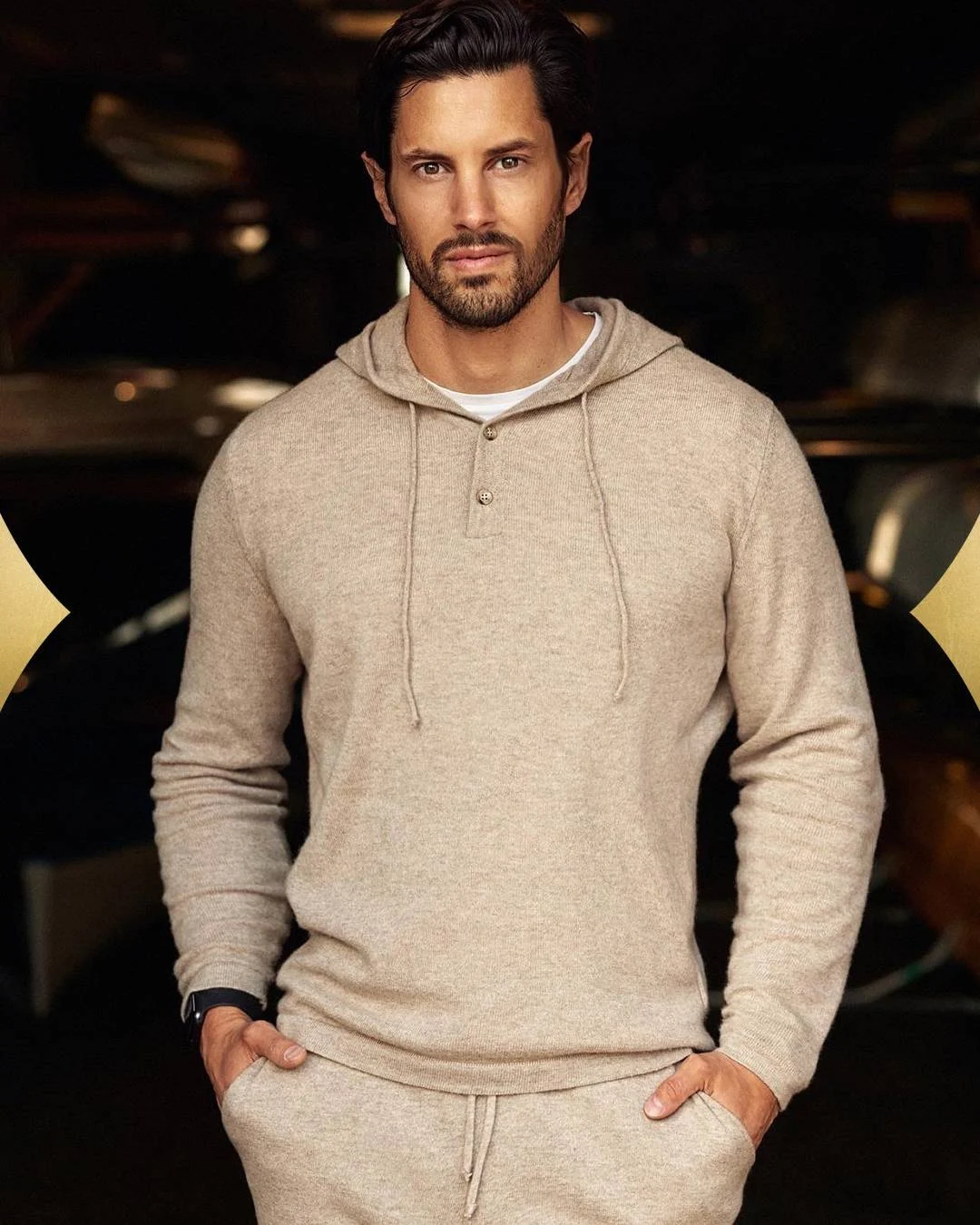
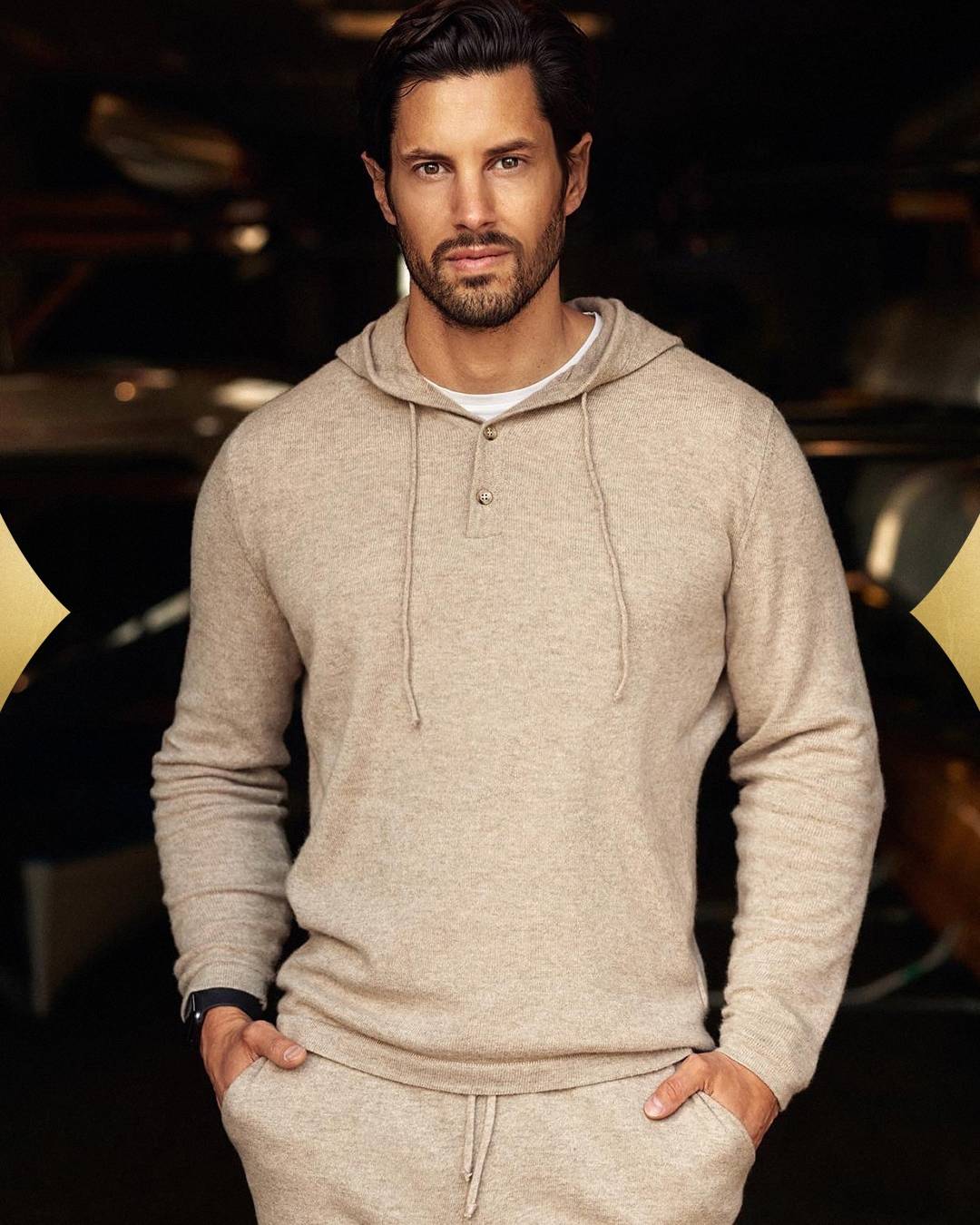
For the sartorially inclined, the Luca Faloni Silk-Cashmere hoodie represents the pinnacle of luxury knitwear. Blending 70% cashmere with 30% silk, the fabric is exceptionally light while retaining heat-retention properties. This piece is significant because it highlights the industry’s move toward "quiet luxury"—minimalist design paired with superior raw materials. It requires careful maintenance, specifically hand-washing or professional dry cleaning, but serves as a high-end alternative to synthetic performance gear.
4. The North Face Wander Pullover: The Technical Specialist
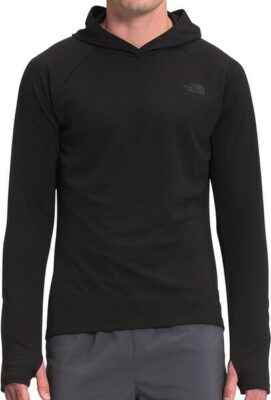
The North Face has leveraged its expertise in mountaineering to refine the Wander Pullover. Using FlashDry technology, the garment is designed for rapid moisture transport. The inclusion of thumbholes and a structured hood provides added coverage for high-intensity activities, while the relaxed fit ensures it does not restrict movement during climbing or cycling.

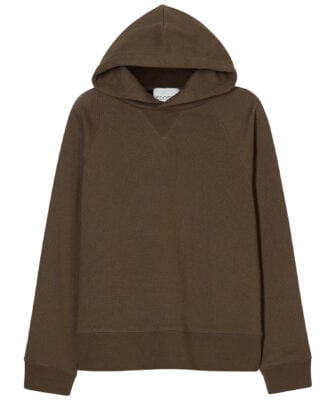
5. Closed Organic Cotton: The Purist’s Choice
While synthetic blends dominate the athletic sector, there remains a substantial market segment that prefers natural fibers. The Closed Organic Cotton hoodie offers a return to basics. Its loopback construction—a knitting technique where the interior features small loops—creates a lightweight, absorbent fabric that is far more comfortable than dense, brushed-fleece alternatives.
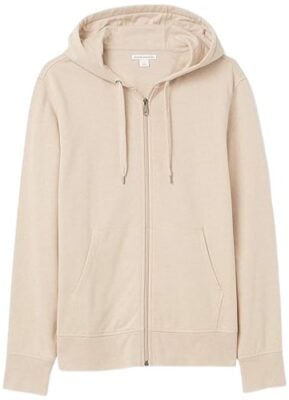
6. Amazon Essentials French Terry: The Value-Driven Essential
For the consumer seeking functional simplicity, the Amazon Essentials French Terry hoodie provides a classic silhouette with a 60/40 cotton-polyester blend. This mix is strategic; it provides the breathability of cotton with the structural integrity and wrinkle resistance of polyester. It is currently one of the highest-volume sellers in the category, reflecting a broad consumer preference for affordable, reliable basics.
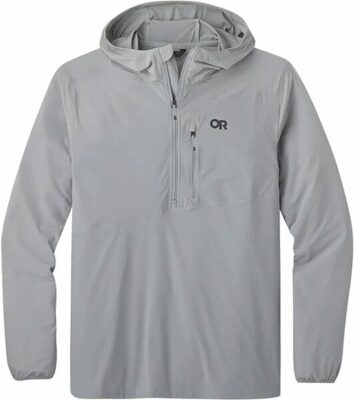
7. Outdoor Research Astroman Sun Hoodie: Engineered for Movement
Outdoor Research has targeted the technical user with the Astroman series. Built from a 100% nylon weave, this hoodie feels more like a light jacket than a sweater. The integration of a quarter-zip allows for rapid ventilation control, a critical feature for athletes transitioning between high-exertion activities and rest periods.
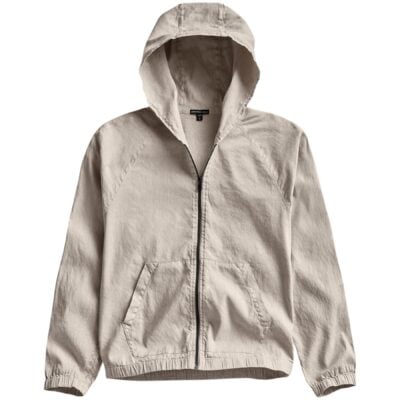
8. James Perse Linen Blend: The Summer Professional
Linen is perhaps the most underrated fabric for summer layering. James Perse’s linen-cotton-elastane blend addresses the common complaints about linen—namely, its stiffness and tendency to wrinkle excessively. By adding a touch of elastane, the brand provides the necessary stretch for a garment that looks sharp enough for a casual office environment while maintaining the thermal properties of a linen shirt.
9. 120% Lino Stretch Linen Hoodie: The Italian Craftsmanship Factor
Representing the high-end European market, 120% Lino sources materials exclusively from European growers. This garment serves as a study in fabric weight; it is heavier than the standard synthetic sun hoodie but significantly more breathable than cotton. It is an ideal piece for late-season transitions, where a light breeze requires a layer that provides coverage without causing overheating.
10. Castore Red Bull Racing Driver Hoodie: The Fan-Centric Hybrid
As Formula 1 continues to gain global popularity, licensed fan gear has become a major fashion category. The Castore driver hoodie utilizes 320 GSM (grams per square meter) cotton, placing it at the heavier end of the "lightweight" spectrum. It appeals to consumers who want the aesthetic of a classic hoodie but need it to function in cooler, climate-controlled environments like airports or stadiums.
Buying Considerations: Decoding the Technical Specs
When selecting a hoodie, the consumer must balance three primary factors: fit, material, and color.
Understanding Fit Profiles
The market is currently divided between "athletic slim" and "relaxed comfort" fits. Athletic cuts, typically found in technical gear from brands like The North Face or Outdoor Research, are designed to minimize drag and maximize moisture-wicking efficiency. These garments are meant to sit close to the skin. Conversely, cotton-based pieces like the Closed Organic hoodie offer a more traditional, roomier fit, which is generally more appropriate for social settings.
Material Science
The choice of material dictates the garment’s primary use case:
- Synthetics (Nylon/Polyester): Best for high-exertion, outdoor activity.
- Natural Blends (Bamboo/Cotton): Superior for daily wear, lounging, and comfort-first scenarios.
- Luxury Knits (Cashmere/Silk/Linen): Reserved for elevated casual wear where temperature regulation and aesthetic are the priorities.
The Role of Color in Temperature Regulation
While aesthetic preference is personal, there is a functional element to color choice. Lighter colors (creams, light blues, light browns) reflect solar radiation, making them objectively cooler to wear under direct sunlight. Darker colors (black, navy, charcoal) are more versatile for evening wear and layer better with standard denim and trousers.
The Broader Impact of Sustainable Apparel
The rise of the lightweight hoodie is also a reflection of the textile industry’s shift toward sustainability. Many of the leading brands mentioned have committed to using recycled polyester and organic cotton, addressing long-standing criticisms regarding the environmental footprint of fast fashion. The use of bamboo, in particular, is noted for its rapid growth rate and lower water consumption compared to traditional cotton, marking a shift toward more environmentally conscious manufacturing processes.
Expert Analysis: Why This Category Matters
Industry observers note that the "lightweight hoodie" is not a fad but a response to a permanent change in consumer behavior. The modern man is looking for items that maximize value through utility. A hoodie that can be worn to the gym, then to a coffee shop, and finally to a casual dinner is a high-value item. By investing in performance fabrics that do not look like traditional athletic gear, men are simplifying their wardrobes while maintaining a high standard of comfort and protection.

As we move toward 2026, we expect to see further integration of "smart" fibers—fabrics that can change their thermal properties based on the wearer’s body heat. Until then, the current crop of lightweight hoodies offers a sophisticated array of choices that cater to every lifestyle, from the professional athlete to the daily commuter. Through a combination of historical material knowledge and modern textile engineering, the humble hoodie has successfully shed its reputation as a singular-use garment, proving that in the world of fashion, the most effective innovation is often the simplest.
