
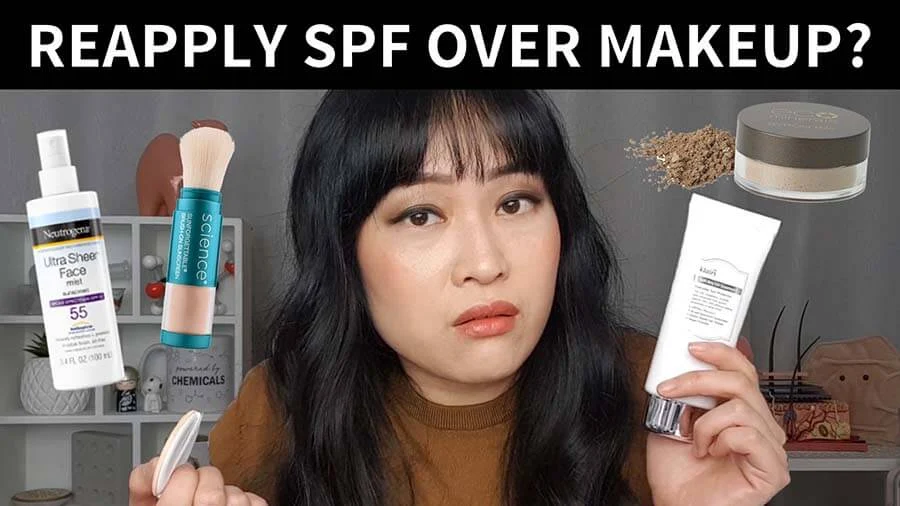
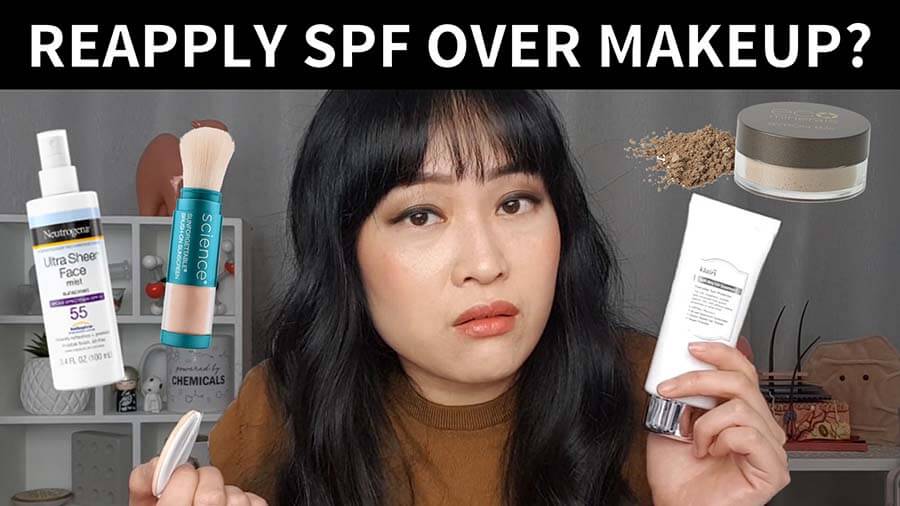
Navigating the daily challenge of sun protection while maintaining a polished cosmetic appearance has long been a source of frustration for skincare enthusiasts. While dermatologists universally recommend reapplying sunscreen every two hours to ensure optimal protection against ultraviolet radiation, doing so over a full face of makeup often threatens to smudge foundation, ruin contour, and dismantle meticulously applied artistry. Recent consumer guidance and scientific evaluations from cosmetic chemists, such as Michelle Wong of Lab Muffin Beauty Science, have shed light on the mechanics of sunscreen degradation, offering a nuanced framework for managing sun safety without entirely sacrificing daily cosmetics.
The conversation surrounding sunscreen reapplication touches on a fundamental tension in modern beauty routines: the clash between aesthetic preservation and rigorous skin health protection. To understand how to bridge this gap, industry experts emphasize the need to examine why sunscreens degrade, how much protection actually lingers over time, and which reapplication mediums—from lotions to powders and sprays—stand up to empirical scrutiny.
The Science of Sunscreen Degradation: Why the Two-Hour Rule Exists
Standard product labeling invariably advises users to reapply sunscreen at regular intervals, typically every two hours. This directive is not merely a marketing strategy designed to increase product consumption; it is rooted in the physical and chemical realities of how topical formulations behave on human skin.
Over time, sunscreen loses its efficacy due to several concurrent mechanisms. First, physical displacement occurs through routine daily contact. Friction from hands, clothing, hair, and accessories gradually wipes away the protective film. The less product remaining on the epidermis, the lower the resulting ultraviolet defense.
Second, the structural integrity of the initial application breaks down. When a sunscreen is first applied in adequate quantities, it forms an even, continuous barrier across the skin. However, natural skin secretions—namely sebum and sweat—interact with this film throughout the day. This degradation is accelerated during periods of heavy perspiration. Furthermore, facial expressions such as talking, eating, yawning, and smiling cause the skin to shift continuously. This micro-movement breaks the sunscreen film apart, causing the product to clump and migrate into pores and fine lines.
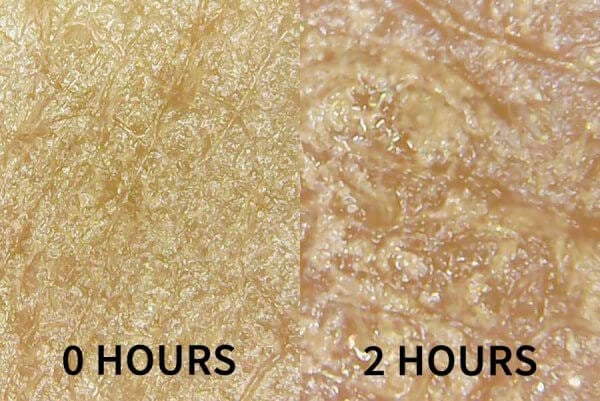
Microscopic analysis of cosmetic films, such as liquid foundations that share similar film-forming technologies, clearly illustrates this migration. Immediately after application, products form a uniform layer; after several hours, microscopic imaging reveals significant clumping and uneven distribution. Additionally, the sunscreen layer naturally thins out due to product evaporation and absorption into the upper layers of the skin, altering its protective properties.
Finally, historical concerns regarding chemical photoststability played a major role in the two-hour standard. Older organic, or "chemical," UV filters could break down upon absorbing a threshold amount of ultraviolet radiation. While contemporary formulations are heavily engineered for photostability—utilizing advanced filters or stabilizing agents that resist UV-induced degradation—the physical displacement and thinning of the product remain persistent issues.
Evaluating Residual Protection Over Time
Despite the widespread acceptance of the two-hour rule, empirical data measuring the exact longevity of undisturbed sunscreen on human skin has historically been sparse. A pivotal open-label clinical trial published in the Journal of Dermatological Treatment sought to quantify this phenomenon by tracking sunscreen persistence among indoor workers over time.
In the study, 20 participants applied a standardized amount of sunscreen infused with a traceable dye at a density of 2 milligrams per square centimeter. Researchers photographed the facial placement of the sunscreen every two hours while subjects engaged in normal indoor routines, with up to one hour of cumulative outdoor exposure.
The resulting data demonstrated that after two hours, participants retained an average of 84 percent of the tracer dye, representing a 16 percent reduction in coverage. After four hours, an additional 7 percent reduction was observed, followed by another 4.5 percent loss at the eight-hour mark. In total, nearly 30 percent of the product was lost over the course of the day.
While individual sunscreen formulations vary significantly—water-resistant products and formulas containing skin-penetrating chemical filters typically exhibit enhanced staying power—the study indicates that a substantial baseline of protection often remains at the end of a standard workday, provided the wearer is not heavily active.
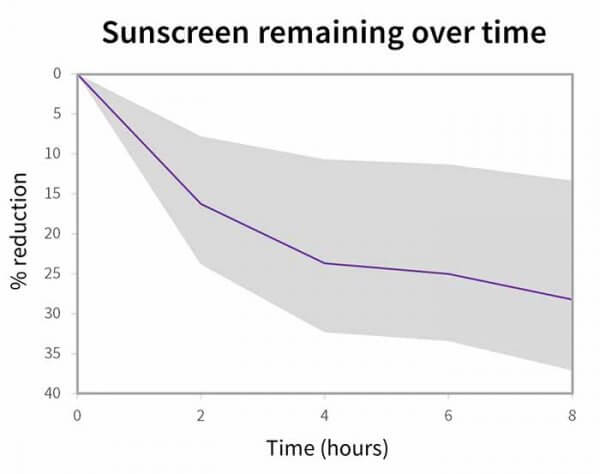
When translated into Sun Protection Factor (SPF) metrics, a 30 percent reduction implies a proportional drop in performance. An initial SPF 50 rating, for instance, scales down to approximately SPF 35, while an SPF 30 diminishes to roughly SPF 21. Because SPF scales linearly with the volume of product present on the skin, higher initial SPFs provide a safer margin of residual protection. Ultimately, determining whether this remaining defense is sufficient depends entirely on an individual’s cumulative UV exposure and personal skin health priorities, such as mitigating the risks of skin cancer, photoaging, and hyperpigmentation.
Categorizing Exposure Scenarios: A Pragmatic Approach
Rather than enforcing a rigid, one-size-fits-all reapplication schedule, skin scientists advocate for a situational approach that balances practical limitations with realistic UV risks. Experts generally divide daily routines into three distinct categories:
Situation 1: Minimal Sun Exposure
When daily activities involve limited ultraviolet exposure—such as commuting in the early morning, spending the majority of the day indoors under indirect sunlight, and returning home after dark—reapplication may be unnecessary. In these scenarios, relying on residual sunscreen while practicing sensible sun avoidance (such as walking on shaded pathways or sitting away from unshaded windows) is often deemed adequate. Anecdotal and clinical observations suggest that individuals adhering to this routine while maintaining strict baseline morning applications successfully manage conditions like post-inflammatory hyperpigmentation.
Situation 2: High Sun Exposure
At the opposite extreme, scenarios involving intense, unavoidable outdoor activity—such as extended walks, beach outings, or sports—demand rigorous adherence to standard reapplication protocols. In these environments, heavy sweating and high ambient UV levels render residual protection insufficient. Skincare professionals recommend prioritizing sun safety over cosmetic perfection: individuals should apply a dedicated water-resistant sunscreen and keep makeup to a bare minimum, such as tinted moisturizer or targeted concealer. Reapplication should occur every two hours directly over existing layers, utilizing makeup wipes only if dirt accumulation or product buildup threatens to clog pores.
Situation 3: Moderate Sun Exposure (The In-Between Scenario)
The most common and challenging scenario involves moderate exposure, such as an office worker stepping outside for a prolonged lunch break or commuting home during peak afternoon sun while wearing a full face of makeup. In these instances, the goal is to deposit a functional quantity of fresh sunscreen onto the face with minimal disruption to existing cosmetics. Because protection scales linearly with the amount of product applied—requiring approximately one-quarter of a teaspoon for adequate facial coverage—consumers must evaluate the delivery mechanisms available on the market.
Critical Analysis of Reapplication Formulations
When attempting to layer UV protection over cosmetics, consumers encounter a variety of product formats, each carrying distinct scientific and functional trade-offs.
Liquid Foundations and Powders
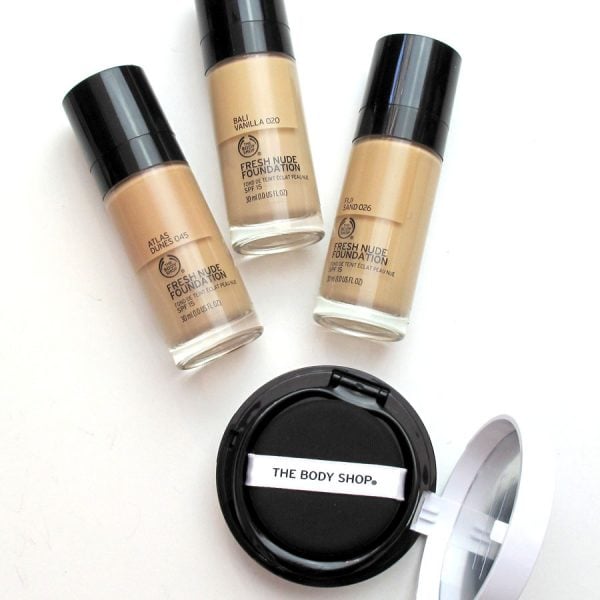
While cosmetic foundations often feature SPF ratings, relying on them as a primary or supplementary sunscreen source is mathematically unfeasible. Clinical exposure data indicates that the average application of liquid foundation yields roughly 0.54 grams of product across a 400-square-centimeter face, translating to a fraction of the labeled protection. Powders present an even greater challenge; historical consumer research establishes that average powder application yields a mere 85 milligrams per face, failing to form the continuous, dense film required for adequate UV defense.
While specialized mineral powders—such as those formulated by Colorescience—utilize proprietary treatments and high mineral loads to pass rigorous water-resistance testing (including 80-minute immersion protocols), achieving the tested protection levels requires a dense, prolonged application process that most consumers find impractical for daily touch-ups. Furthermore, the small packaging sizes and high cost per gram limit their efficiency as a primary reapplication tool.
Sunscreen Sprays
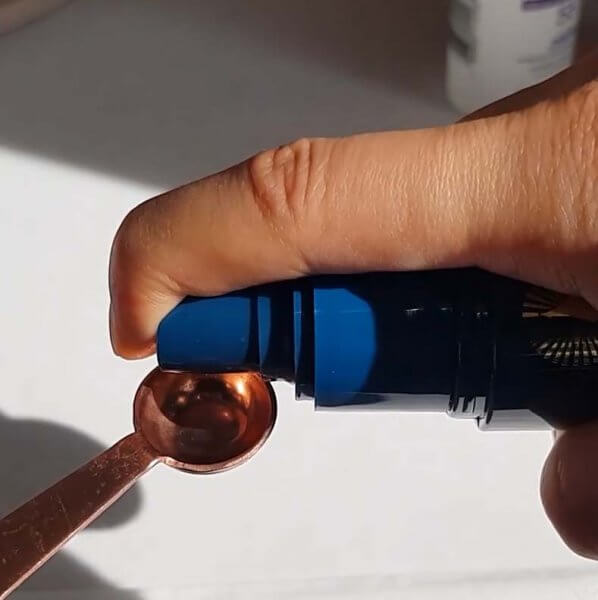
Aerosol and pump-action sunscreen sprays have long been marketed as convenient options for reapplication over makeup. However, independent testing and scientific evaluations have raised significant concerns regarding their efficacy. Research conducted by safety authorities, including Australia’s ARPANSA, demonstrates that normal spraying techniques result in substantial product loss into the surrounding air, with actual facial deposition dropping as low as 10 to 20 percent of the emitted volume. Additionally, aerosol formulations contain propellants that constitute up to 40 to 60 percent of the can’s contents, meaning consumers apply significantly less active sunscreen than anticipated. Consequently, experts advise against relying on facial sprays for reapplication unless the product is sprayed directly into the palms and physically patted onto the skin.
Sunscreen Lotions Applied via Cushion Puffs
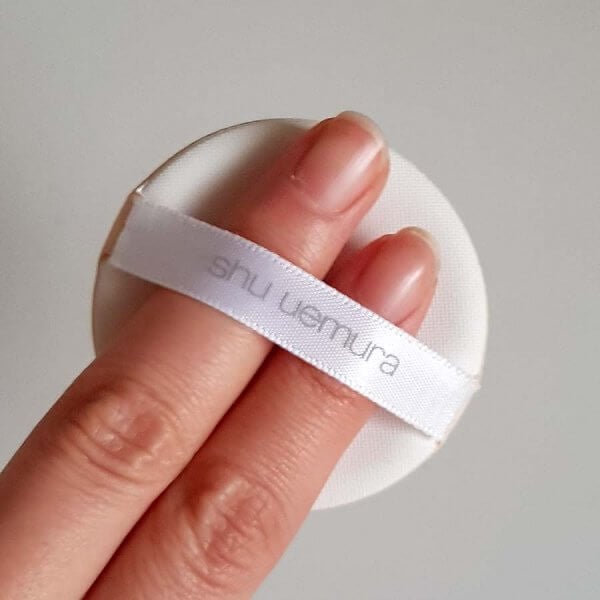
Dermatological consensus increasingly points to traditional lotion sunscreens applied via specialized cosmetic cushion puffs as the most reliable method for touching up over makeup. Originally popularized within the Asian skincare market, cushion puffs absorb minimal product compared to standard beauty sponges, allowing for a more efficient transfer of sunscreen to the skin.
By utilizing a lightweight, silicone-based fluid sunscreen and gently patting—rather than rubbing—the product onto the face, wearers can distribute an even layer of protection while largely preserving underlying foundation and contour. Experts recommend applying the lotion first to uncolored areas of the face before lightly transitioning over makeup-dense zones, noting that eye makeup may still require minor touch-ups due to product migration.
Broader Implications for Daily Skincare
The ongoing evolution of sun protection advice highlights a broader shift in the beauty industry toward evidence-based consumer education. As researchers continue to analyze the real-world performance of sunscreens, the emphasis has moved away from unattainable perfection toward risk management.
While reapplication over makeup inevitably involves a compromise between aesthetic presentation and ultraviolet defense, understanding the physical limitations of powders, sprays, and lotions empowers consumers to make informed choices tailored to their specific daily environments. By matching reapplication strategies to actual UV exposure levels and utilizing efficient tools like cushion applicators, individuals can safeguard their skin health without compromising their personal cosmetic routines.
