
Raw denim, often referred to as "dry" or "unwashed" denim, represents the most authentic form of jeans production, bypassing the industrial finishing processes that define mass-market apparel. Unlike conventional jeans, which undergo rigorous factory-level distressing, bleaching, and chemical softening, raw denim remains in its "loom state" after the dyeing process. This lack of intervention results in a stiff, deep-indigo fabric that serves as a blank canvas for the wearer, allowing for a personalized aging process that reflects the user’s unique lifestyle. While this segment of the menswear industry represents a niche, it has seen sustained growth as consumers increasingly prioritize craftsmanship, longevity, and sustainability over the "fast fashion" model.
The historical roots of denim trace back to the 19th century, but the modern obsession with raw, selvedge denim gained significant momentum in the early 2000s. This resurgence was driven by a global shift toward heritage-inspired workwear and a growing appreciation for Japanese manufacturing techniques, which have since become the gold standard for high-end denim production.
Understanding the Mechanics of Raw Denim
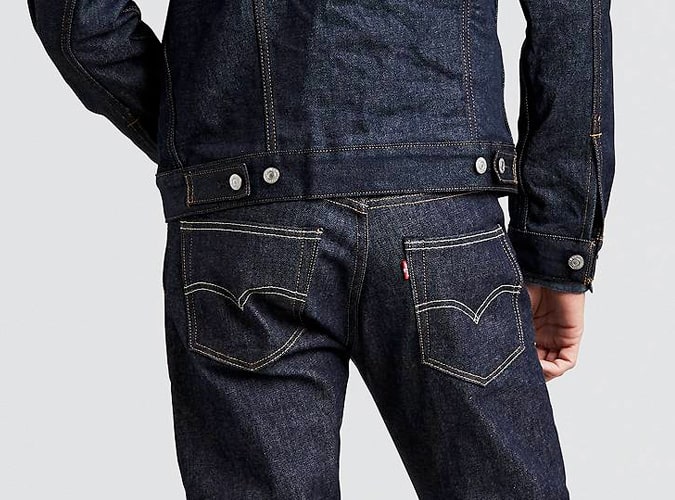
At its core, raw denim is defined by the absence of post-weaving treatments. When fabric leaves a shuttle loom, it is rigid and saturated with indigo dye. In the conventional garment industry, this fabric is subjected to stone washing, acid washing, or enzymatic treatments to achieve a pre-softened, faded look. Raw denim, conversely, is cut and sewn directly from the roll.
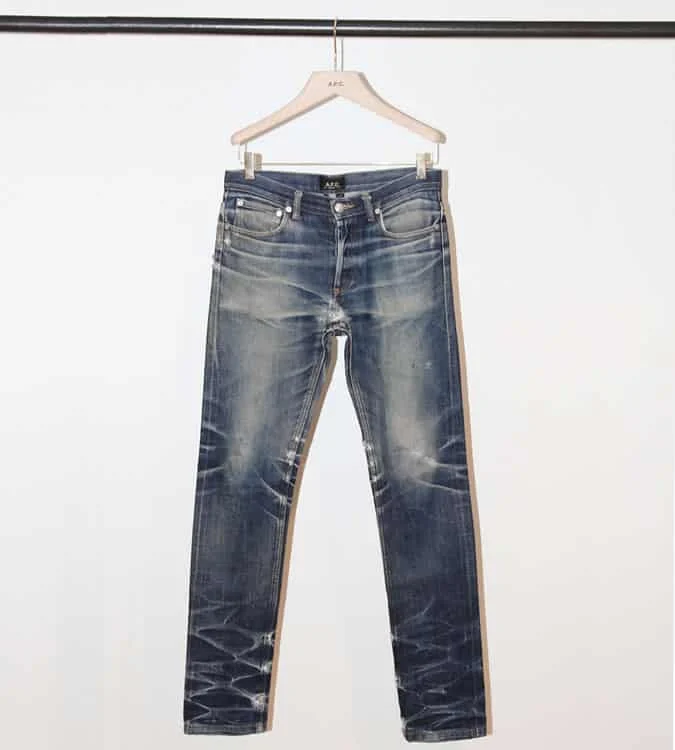
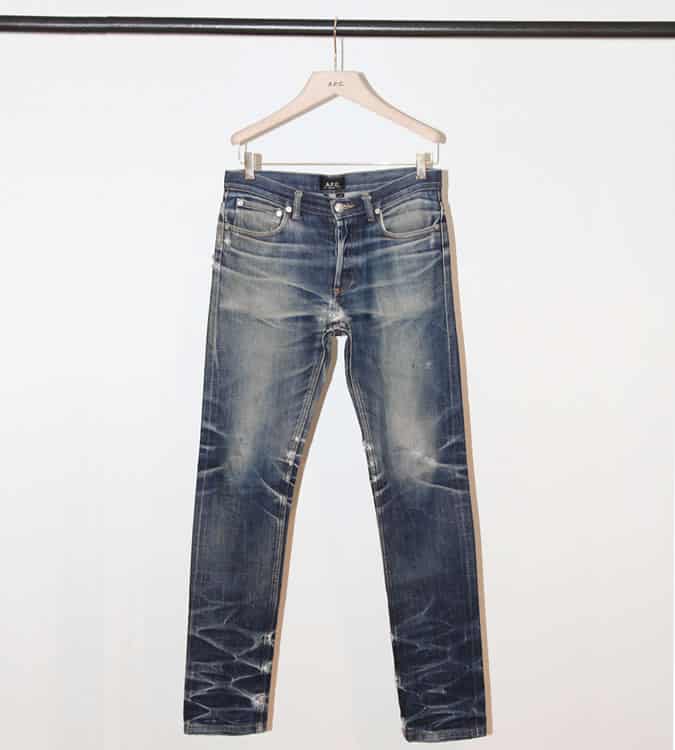
The primary appeal of this material lies in the development of "fades." As the denim is worn, the indigo dye begins to rub off at points of high friction—typically the front of the hips, the back of the knees (referred to as "honeycombs"), and the hem where the fabric stacks on footwear. This creates a high-contrast aesthetic that is entirely unique to the wearer. Denim enthusiasts, often referred to as "denimheads," view these fades as a historical record of their daily activity, adding value to the garment over time.

Distinguishing Raw from Selvedge
A common point of confusion for the uninitiated is the distinction between raw denim and selvedge denim. While the terms are frequently used interchangeably, they refer to different characteristics. Raw denim describes the state of the fabric (unwashed), while selvedge (a corruption of "self-edge") refers to the finished edge of the fabric.
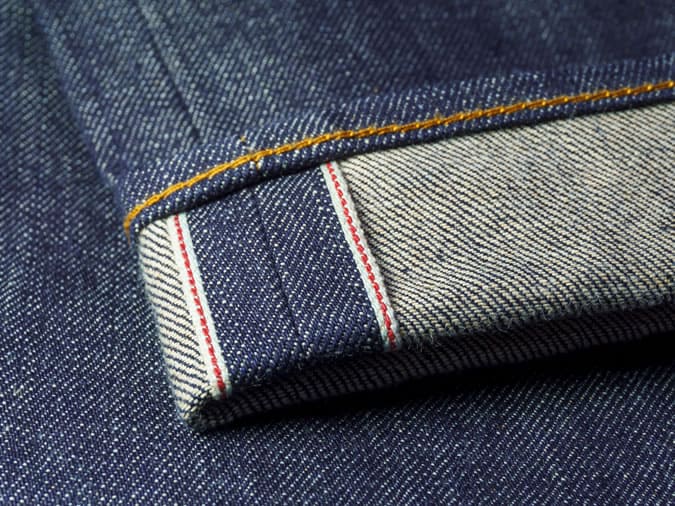
Selvedge denim is produced on vintage shuttle looms. These looms produce a narrower bolt of fabric, and the edges are finished with a tightly woven band—often characterized by a colored thread—that prevents the fabric from fraying. Because of the slower production speed and narrower width of the shuttle loom, selvedge denim is inherently more expensive to produce. While most high-end raw denim is selvedge, it is technically possible for raw denim to be non-selvedge, and conversely, it is possible for washed denim to have a selvedge edge.
Sanforization: The Shrinkage Factor

A critical consideration for any purchaser of raw denim is the concept of sanforization. Unsanforized denim, or "loom state," is exactly as it sounds: fresh from the loom. When exposed to water, unsanforized denim can shrink by as much as 10 percent. This requires the consumer to either purchase the garment significantly larger than their measured size or perform a "shrink-to-fit" soak in a bathtub before the first wear.
Sanforization is a mechanical process developed in the 1920s that involves stretching and steaming the fabric to minimize future shrinkage. Most commercial raw denim today is sanforized, allowing consumers to buy their standard size with confidence. However, purists often prefer unsanforized denim, arguing that the sanforization process slightly alters the character and hand-feel of the cotton fibers.
Selecting the Right Fit and Sizing
Choosing a pair of raw denim requires more technical knowledge than buying off-the-rack jeans. Because the fabric is rigid and lacks the synthetic stretch fibers (elastane) common in modern denim, the initial fit can feel restrictive.
When selecting a pair, one must account for the nature of the denim. If the jeans are unsanforized, industry experts recommend sizing up to compensate for the inevitable soak-induced contraction. If the jeans are sanforized, they will still stretch over time, particularly in the waist and the seat. A common mistake is buying a pair that feels perfect in the store, only to find them loose after a month of wear. A slightly snug fit in the waist is generally considered the optimal starting point.
The Break-In Period: A Test of Endurance

The "break-in" period is the defining ritual of the raw denim experience. New raw denim can be incredibly stiff—often described as feeling like cardboard. During the first few weeks, the fabric may limit mobility and cause minor discomfort. This is the period where the garment begins to adapt to the wearer’s anatomy.
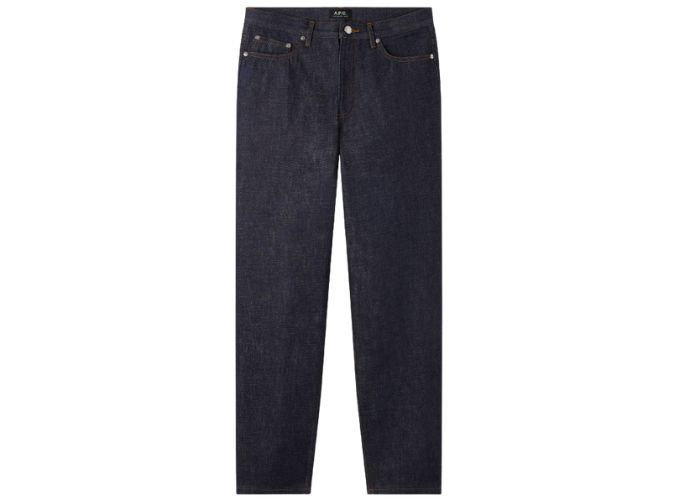
Some manufacturers, such as A.P.C., have even introduced programs to mitigate this, such as their "Butler" program, which encourages customers to trade in their well-worn jeans for a discount, with the used pairs then cleaned and resold. This highlights the industry’s shift toward circularity and the appreciation for pre-worn character.
Maintaining the Integrity of the Indigo
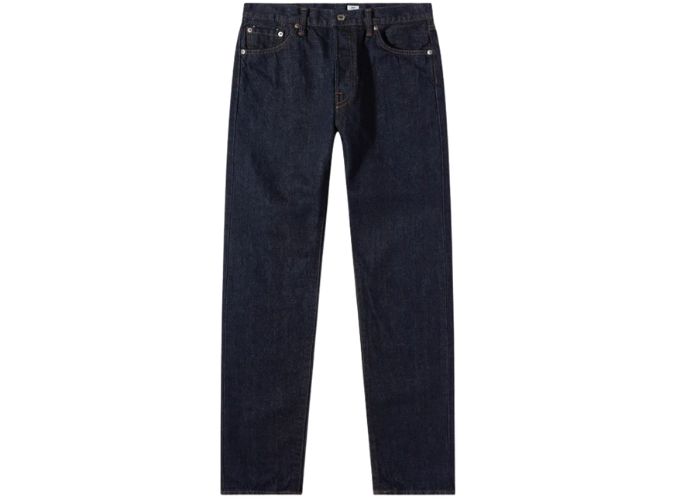
The maintenance of raw denim is a subject of intense debate. The general consensus among experts is to avoid washing the jeans for at least the first six months. This extended duration allows the creases to set permanently, ensuring that the subsequent fades are high-contrast and sharp.
When washing becomes necessary, there are several industry-approved methods:
- The Soak: Submerging the jeans in cold water with a small amount of specialty detergent, such as Woolite Black, which is formulated to maintain dark colors.
- Spot Cleaning: Addressing stains locally with a damp cloth rather than washing the entire garment.
- The Machine Wash: While controversial, some enthusiasts machine wash on a cold, delicate cycle with the jeans turned inside out to protect the surface from excessive abrasion.
Regardless of the method, drying should always be done naturally. Heat from a tumble dryer can cause unpredictable shrinkage and damage the leather patch often found on the waistband.

The Market Landscape: Key Industry Players
The raw denim market is populated by a mix of heritage manufacturers and modern boutique labels.
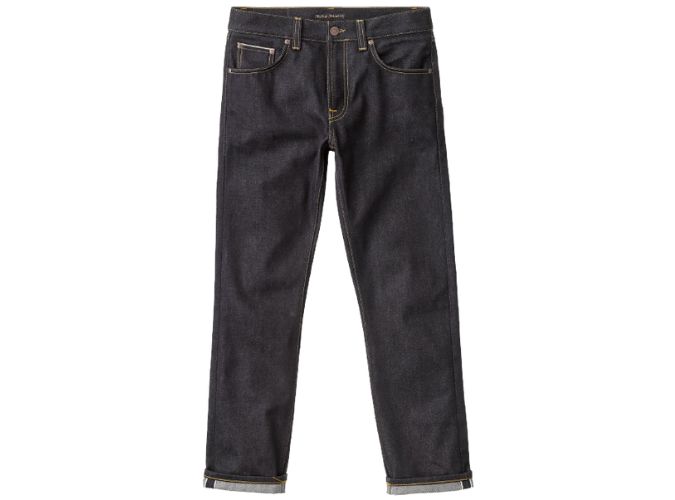
Japanese manufacturers, such as Edwin and Samurai, are widely regarded as the leaders in the space. Samurai, in particular, is noted for its experimental use of heavy, textured denim and historical nods, such as the silver-threaded selvedge ID that mimics the appearance of a sword blade.
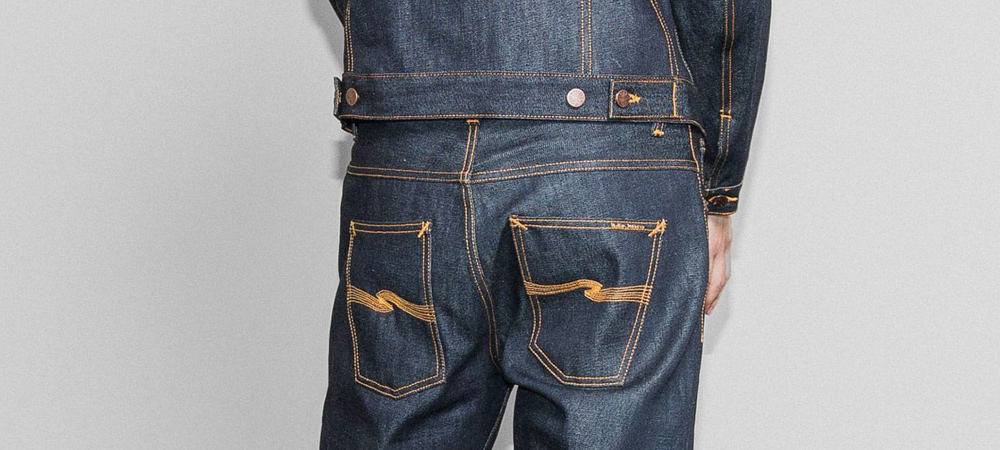
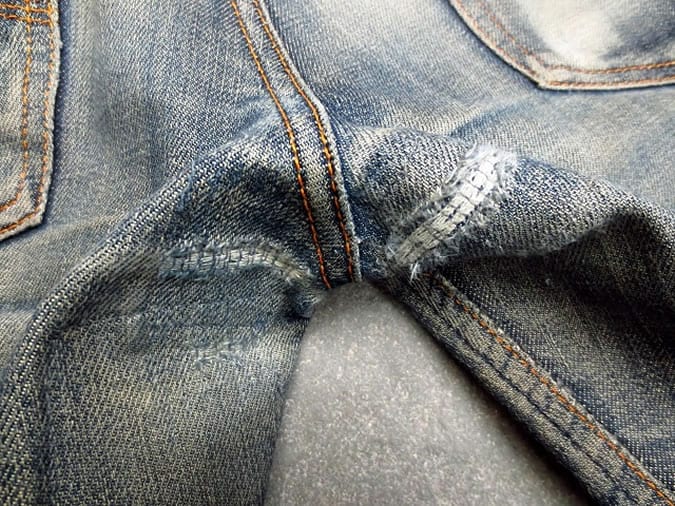
In Europe, labels like A.P.C. (France) and Nudie Jeans (Sweden) have brought raw denim to the mainstream. Nudie Jeans is particularly notable for its commitment to sustainability, offering free repairs in its stores to extend the life of the garment indefinitely.

American manufacturing has also maintained a strong presence. Tellason, based in San Francisco, utilizes premium Cone Mills denim—a historic American producer—to create jeans that embody the classic workwear aesthetic. Meanwhile, brands like Iron Heart, while Japanese, cater to a specific market of motorcycle enthusiasts, known for producing some of the heaviest, most durable denim in the world, often exceeding 21 ounces in weight.
Implications of the Raw Denim Movement

The continued relevance of raw denim signals a broader trend in consumer behavior: the "slow fashion" movement. As environmental concerns regarding the textile industry mount—specifically regarding the massive water consumption and chemical waste associated with traditional denim washing—raw denim offers a more sustainable alternative. By purchasing a high-quality pair of jeans that can last for years and be repaired, consumers are actively rejecting the cycle of disposable clothing.
Furthermore, the raw denim community has fostered a culture of transparency. Many boutique manufacturers now provide detailed information about the origin of their cotton, the type of loom used, and the specific mills where the fabric was woven. This level of traceability is increasingly sought after by modern consumers who value ethical production.

While raw denim may never displace mass-market jeans in terms of sheer volume, its influence on the wider fashion industry is undeniable. It has raised the bar for quality, forced major retailers to introduce their own "selvedge" lines, and created a dedicated subculture that views clothing not just as a commodity, but as a long-term investment.
As the industry evolves, the challenge for raw denim brands will be balancing the traditional, labor-intensive methods of production with the growing demand for accessibility. However, for those who value the intersection of history, craftsmanship, and personal expression, the raw denim experience remains a foundational element of the modern wardrobe. Whether one is drawn to the high-contrast fades, the history of the shuttle loom, or the simple desire for a garment that truly lasts, the world of raw denim offers a depth of engagement that few other menswear categories can provide.
