
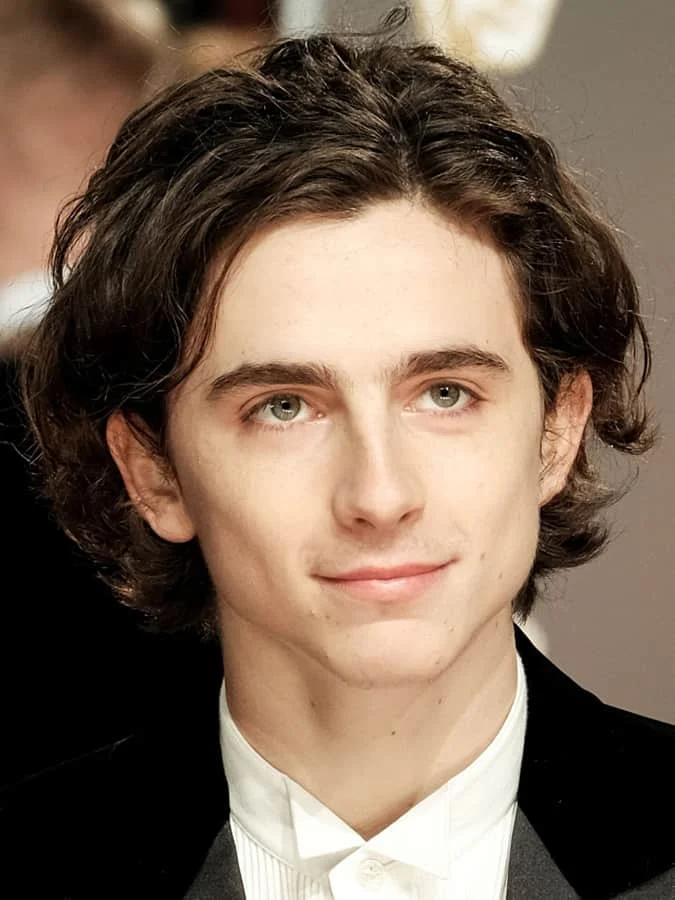
The meteoric rise of Timothée Chalamet from a promising television actor to a global cinematic icon has been marked not only by his nuanced performances but also by a distinct aesthetic that has permeated contemporary men’s fashion and grooming standards. Following his breakout role as Elio Perlman in Luca Guadagnino’s 2017 romantic drama, Call Me by Your Name, Chalamet became a cultural touchstone. The film, which garnered four Academy Award nominations and a win for Best Adapted Screenplay, served as a catalyst for a resurgence in 1980s-inspired sartorial choices and established the "Chalamet look"—a signature blend of disheveled, medium-length waves that has since become one of the most requested styles in salons worldwide.
The Evolution of a Style Icon
Timothée Chalamet’s professional trajectory began long before his transition to leading man status. With early appearances in television series such as Homeland and films like Interstellar, Chalamet demonstrated a propensity for complex, introspective roles. However, it was the 2017 release of Call Me by Your Name that solidified his status as an industry powerhouse. The character of Elio, characterized by intellectual intensity and adolescent vulnerability, was visually anchored by a hairstyle that defied the conventional, short-cropped grooming standards common in Hollywood during the early 2010s.
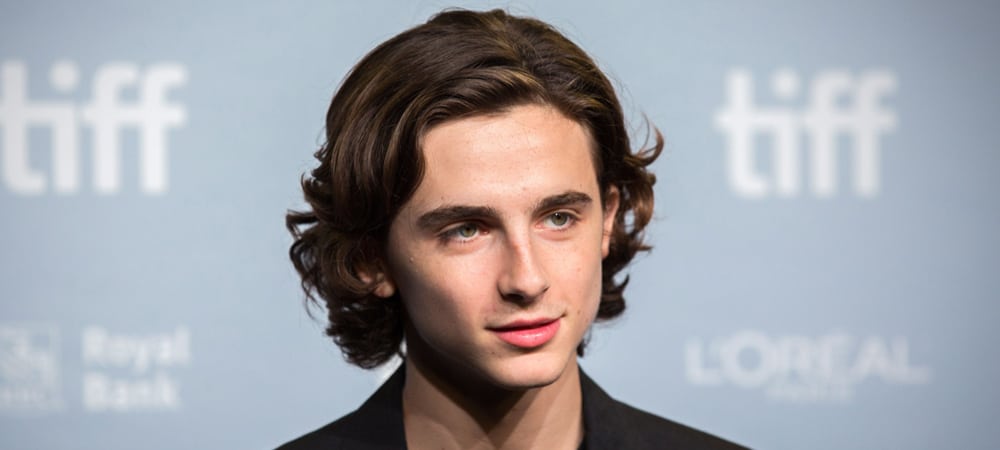
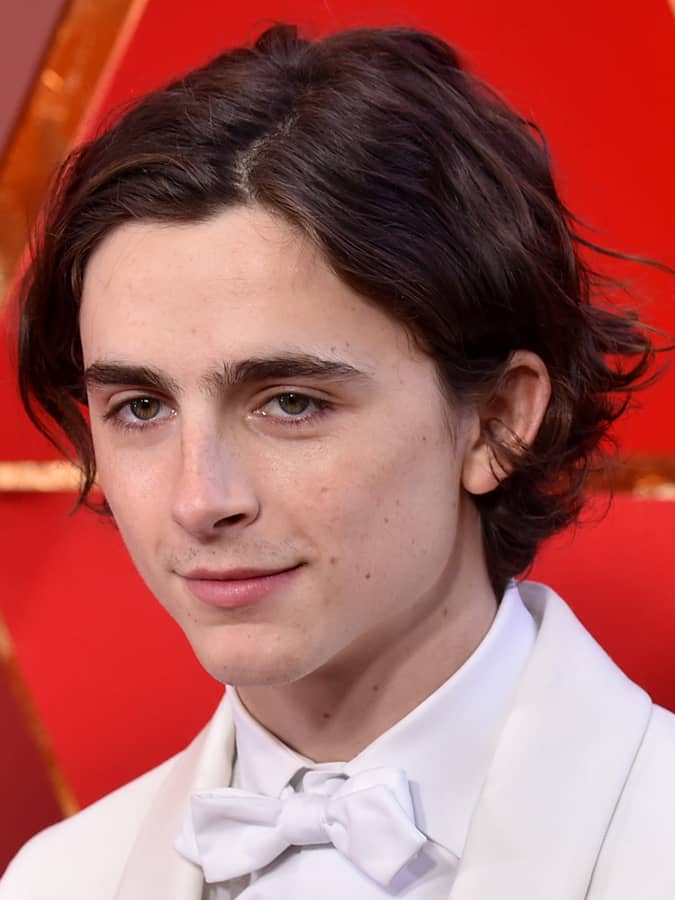
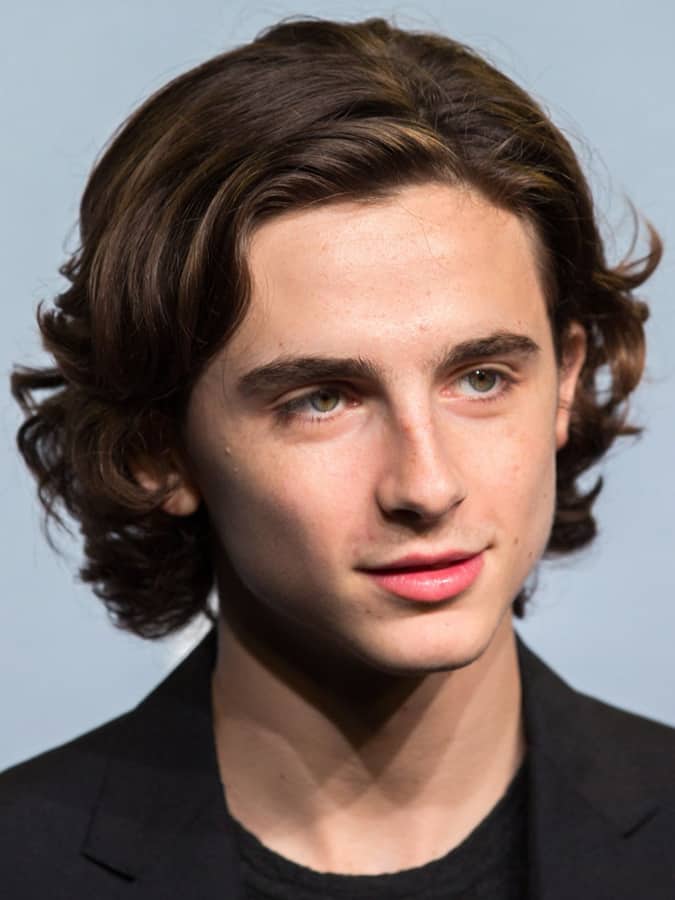
While industry insiders note that Chalamet’s path was facilitated by his background in the arts, the public’s fascination remains rooted in his physical presentation. The "Elio" cut—a soft, medium-length style with natural movement and a subtle side parting—represented a departure from the high-fade, structured pompadours that dominated the decade. This transition marked a broader shift in men’s grooming toward longer, more fluid, and texturally rich aesthetics.
Anatomy of the Look
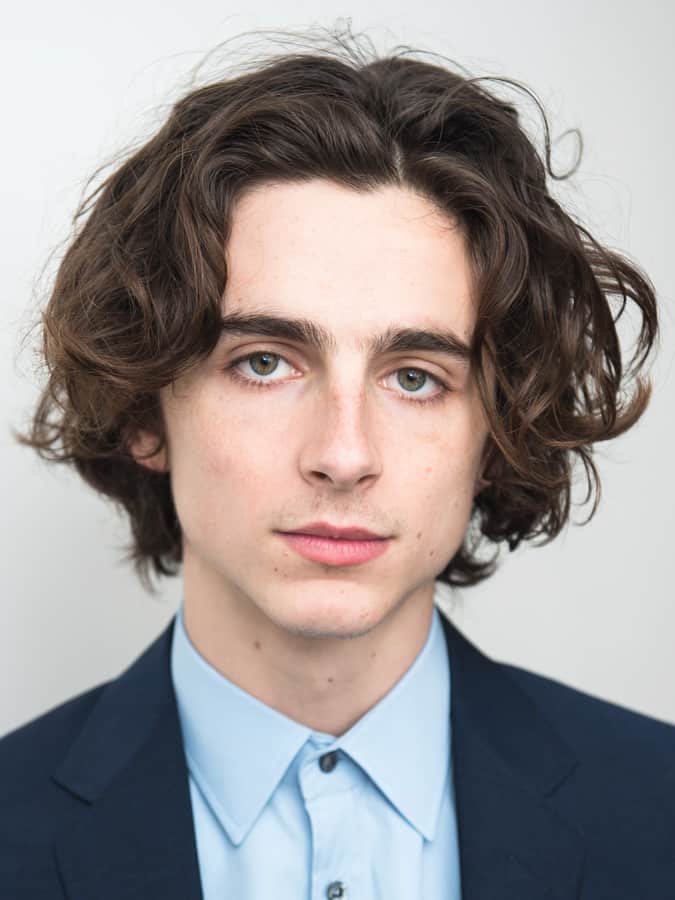
The appeal of Chalamet’s hair lies in its apparent defiance of environmental factors. Filmed in Lombardy, Italy, the production of Call Me by Your Name was reportedly plagued by severe, "once-in-a-century" rainstorms. Despite the high humidity, which typically compromises the structural integrity of wavy hair by inducing frizz or over-curling, Chalamet’s hair maintained a consistent, polished-yet-undone appearance throughout the film.
Professional stylists attribute this durability to the hair’s inherent density and natural wave pattern. According to Scott Ade, a senior stylist at the renowned London-based Larry King salon, Chalamet’s hair possesses a unique "natural movement" that allows for versatility. "It is a rare hair type that retains its shape whether it is air-dried or blow-dried for a more refined finish," Ade notes. The structural quality of his hair allows it to remain malleable without requiring excessive product, which prevents the heavy, weighed-down look often associated with styling longer men’s cuts.
The Professional Consensus: Achieving the Cut
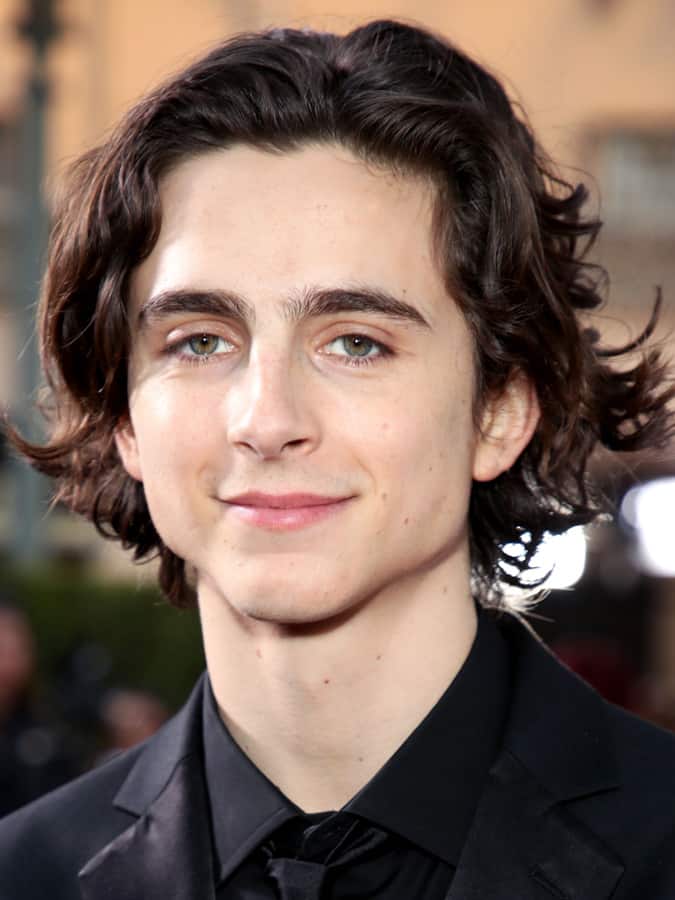
Achieving the Chalamet aesthetic requires a strategic approach to salon appointments, shifting focus away from traditional barbershop techniques. Industry experts suggest that the "non-haircut" is the most effective approach for replicating this style.
The objective is to avoid the look of a fresh, uniform trim, which can appear too rigid. Instead, stylists utilize a technique known as "point cutting," which involves cutting into the ends of the hair at an angle rather than across the grain. This method removes bulk and weight while ensuring the ends remain soft and feathered rather than blunt. The desired length should ideally hover just above the collar at the back, with sufficient density on the top to allow for natural movement.
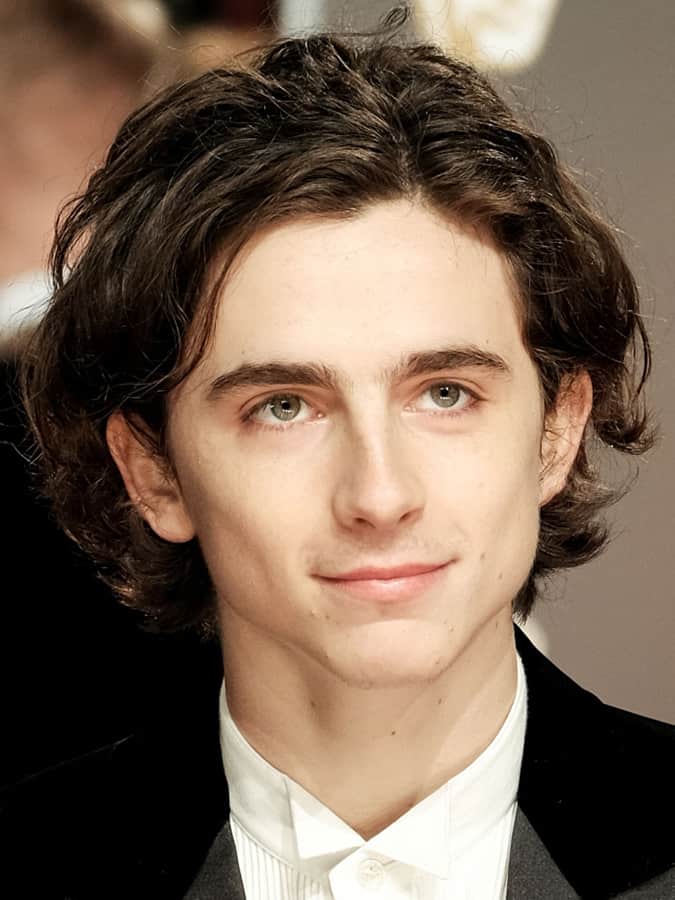
For those seeking this cut, the recommendation from top stylists is to seek out unisex salons. While men’s barbershops are highly proficient in fades and clipper-based work, the technical requirements for this specific look—namely, layering and texturizing—are traditionally taught as part of women’s hairdressing curricula. A well-executed cut in this style should look as though it was performed several weeks prior to the appointment, striking a balance between intentional grooming and casual, organic growth.
Maintenance and Styling Protocols
The maintenance of medium-length wavy hair demands a departure from standard shampoo-heavy routines. Many stylists advocate for "co-washing" (conditioner-only washing), which preserves the natural oils in the scalp and hair shaft. This practice is particularly effective for those with hair textures prone to frizz or dryness, as it provides the necessary moisture to keep curls defined without the stripping effects of traditional foaming detergents.
For individuals who prefer a more traditional cleansing routine, the use of sulfate-free shampoos is highly recommended. Sulfates, such as Sodium Lauryl Sulfate (SLS), are surfactants that create foam but are known to strip natural moisture, which can lead to the "frizz halo" that many men struggle to manage.
Styling, conversely, requires a disciplined approach to heat and product. Scott Ade emphasizes that while some lucky individuals can achieve the look with air-drying alone, the majority will require a blow-dry to provide structure. The use of a high-quality mousse on towel-dried hair is essential. Mousse provides the necessary hold while remaining flexible, allowing the hair to be shaped during the drying process without becoming brittle or stiff. This provides the "disheveled nonchalance" that characterizes Chalamet’s style, ensuring that the hair remains soft to the touch throughout the day.
Selecting the Right Products
The modern grooming market offers a plethora of options for texturizing and defining hair, yet the key to this specific look is subtlety. Products that create a "crunchy" or excessively shiny finish should be avoided in favor of creams and pastes that offer a natural, matte, or low-sheen finish.
- Leave-in Creams: Products like Kiehl’s Crème with Silk Groom are frequently cited by professionals for their ability to add shine and manageability without weighing hair down. When applying such products, it is vital to focus on the ends and the mid-lengths, avoiding the roots to prevent the appearance of oiliness.
- Texturizing Pastes: For finishing, a small amount of a working paste—such as the Redken Rough Paste 12—can be used to define individual waves and add separation. These products are designed to be manipulated, allowing the user to restyle their hair throughout the day.
- Heat Styling: The choice of hair dryer is also a significant factor. Modern tools, such as the Dyson Supersonic, have become industry standards due to their ability to regulate temperature, which prevents heat damage—a critical consideration for maintaining the health and elasticity of wavy hair.
The Broader Impact on Men’s Grooming
The cultural obsession with Chalamet’s hair is not merely a passing trend but rather a reflection of a shift in the masculine identity within the entertainment industry. The preference for a "softer" aesthetic suggests a move away from the hyper-masculine, military-inspired cuts that defined the post-recession era. This shift mirrors broader social changes, where professional and personal expectations for men have expanded to include more expressive and fluid modes of self-presentation.

Furthermore, the economic impact of this style cannot be understated. The surge in demand for mid-length cuts has driven growth in the professional men’s grooming sector, as more men transition from infrequent, quick visits to barbershops to regular appointments at specialized salons. This trend has encouraged manufacturers to develop and market products specifically for longer men’s styles, further validating this aesthetic shift.
In conclusion, while the genetic component of Timothée Chalamet’s hair is undoubtedly a factor in its success, the style remains accessible to a wide range of hair types through professional cutting techniques and consistent, informed maintenance. By prioritizing moisture, utilizing the correct tools, and embracing the "non-haircut" philosophy, men can achieve a look that is both modern and timeless. As Chalamet continues to influence the cinematic and fashion landscapes, his impact on grooming standards serves as a reminder that the most effective styles are often those that appear entirely effortless, despite the careful preparation that goes into them.
