
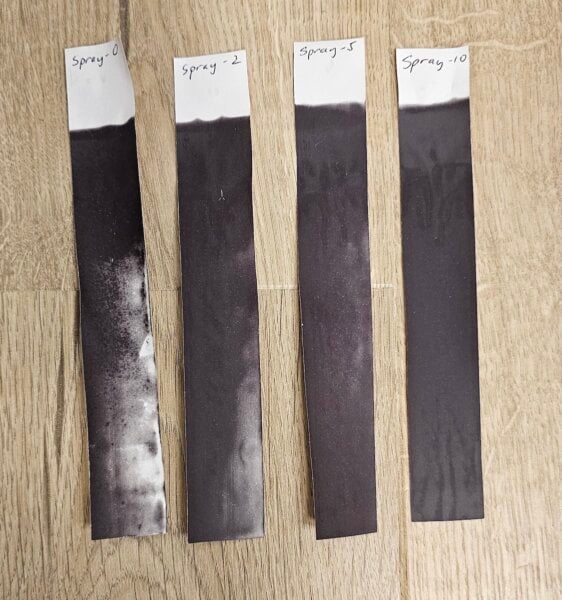
Social media platforms like TikTok and Instagram have increasingly become vectors for DIY consumer testing, where everyday items are repurposed to evaluate the efficacy of cosmetics and hair care formulations. Among the most prominent trends to emerge across beauty creator spaces is the "thermal receipt test." popularized by cosmetologists and beauty enthusiasts alike. In these viral videos, content creators spray various commercial hair heat-protectant products onto thermal paper receipts before applying a heated flat iron. Because thermal paper inherently darkens upon exposure to heat, the underlying premise posits that receipts remaining white—or failing to turn black—indicate superior heat-shielding capabilities by the applied formulation. However, a rigorous scientific evaluation reveals that this viral metric is deeply flawed, measuring chemical solubility rather than genuine thermal protection for human hair.
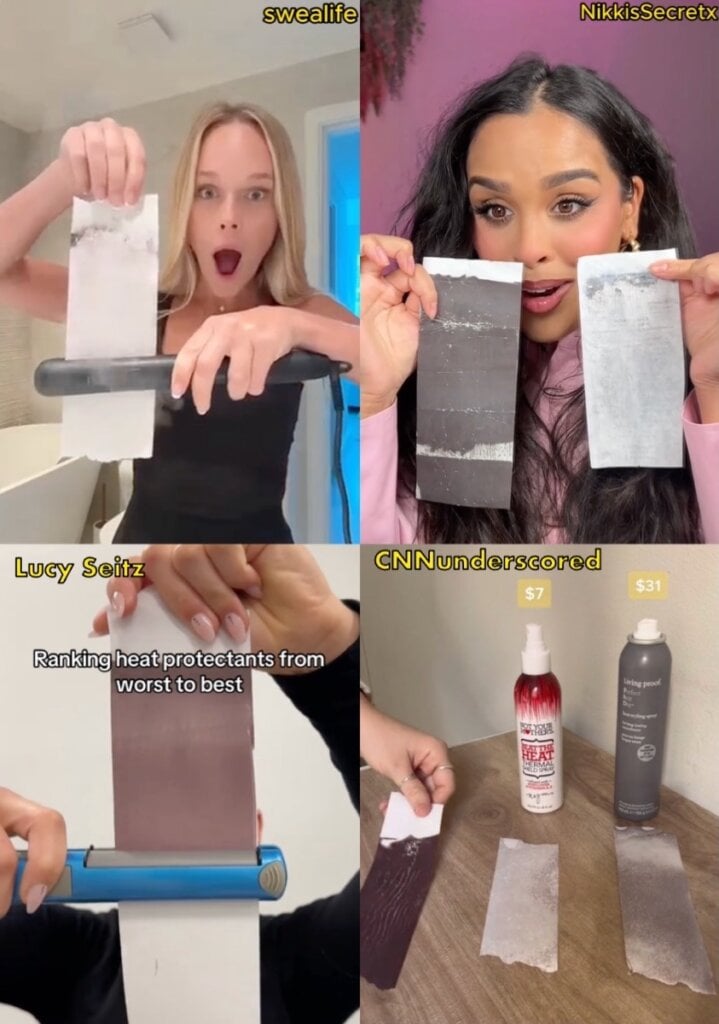
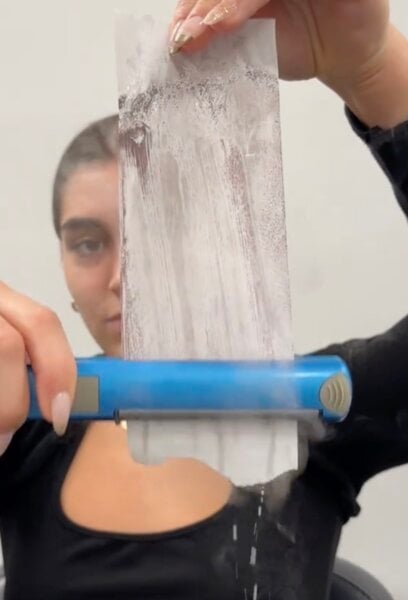
The genesis of the viral test stems from a desire among consumers for transparent, easily reproducible ways to verify marketing claims made by multi-billion-dollar hair care conglomerates. In an era where product skepticism is high, visual shortcuts hold immense appeal. Professional cosmetologists, such as prominent TikTok creator Lucy Seitz, brought a degree of systematic methodology to the trend by introducing controlled flat iron temperatures—frequently calibrated around 340 degrees Fahrenheit (approximately 170 degrees Celsius)—and utilizing control samples. Yet, despite these attempts at scientific rigor, initial observations of the viral footage often revealed glaring experimental variables, notably that many receipts remained visibly wet or damp during the application of thermal tools.
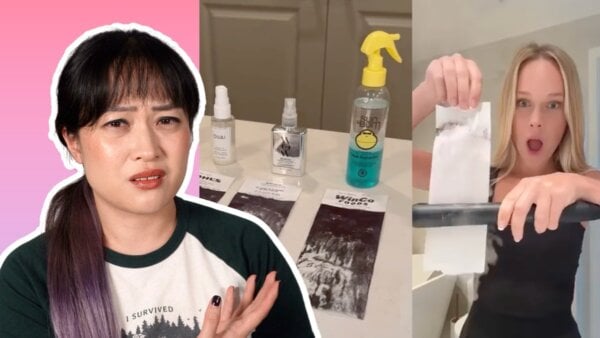
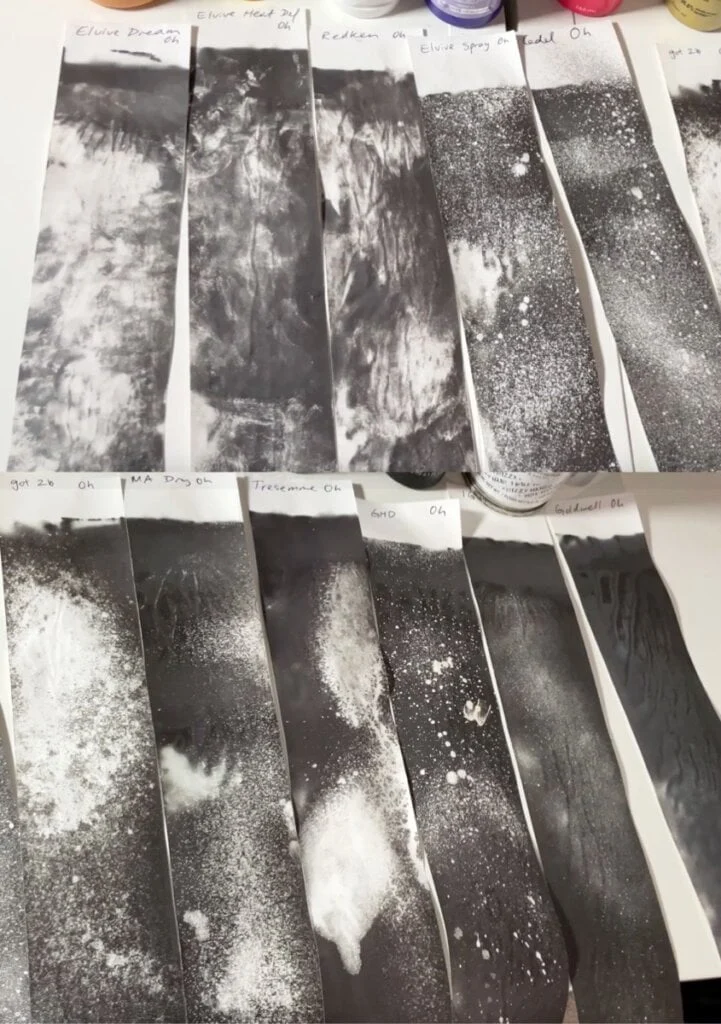
To unpack the chemistry behind the internet phenomenon, science educator and cosmetic chemist Michelle Wong undertook a comprehensive, multi-day experimental investigation. Utilizing a diverse array of eleven distinct hair styling products featuring heat-protection claims—spanning pump sprays, propellant-driven aerosols, and rich styling creams—Wong sought to replicate and deconstruct the viral testing environment. The initial phase of experimentation immediately exposed stark visual discrepancies based on drying time. Products applied and tested instantly yielded dramatically different visual outcomes compared to those allowed to dry for a standard fifteen-minute window. Furthermore, distinct product categories exhibited uniform behaviors: heavier styling creams consistently resulted in lighter receipts due to their thicker physical barrier and slower evaporation rates, whereas lighter water-based sprays allowed rapid thermal activation of the underlying paper.
As the investigation progressed into subsequent days, unexpected complexities necessitated a deeper dive into the material science of thermal paper itself. Initial assumptions regarding the thermal activation threshold of receipt paper—erroneously cited in generic packaging literature as high as 150 to 185 degrees Celsius—were upended upon consulting specialized technical documentation. Industry data indicates that thermal paper actually begins developing visible color at significantly lower temperatures, ranging between 60 and 100 degrees Celsius (140 to 212 degrees Fahrenheit). Subsequent controlled bench tests involving heated water baths confirmed that standard receipt paper rapidly turns black at approximately 95 degrees Celsius, aligning uncomfortably close to the threshold where human hair begins experiencing structural compromise.
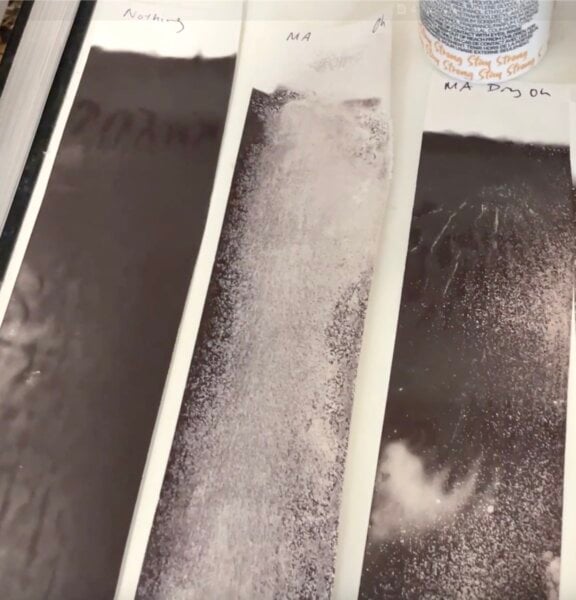
This low color-change threshold introduces a critical fatal flaw to the consumer test. Human hair does not suffer severe thermal degradation or structural restructuring until it reaches elevated temperatures, meaning a receipt reacts to heat far too readily to serve as an accurate biological model. Furthermore, initial hypotheses attributing the "success" of certain protectants solely to the cooling evaporation of residual water failed to account for subsequent observations. Water alone acts as a notoriously poor heat protectant; when trapped inside the cortex of a hair strand, boiling water can cause rapid, destructive expansion known colloquially as "bubble hair." Therefore, a product that merely keeps paper cool via retained moisture is not necessarily preventing thermal damage to keratin fibers.
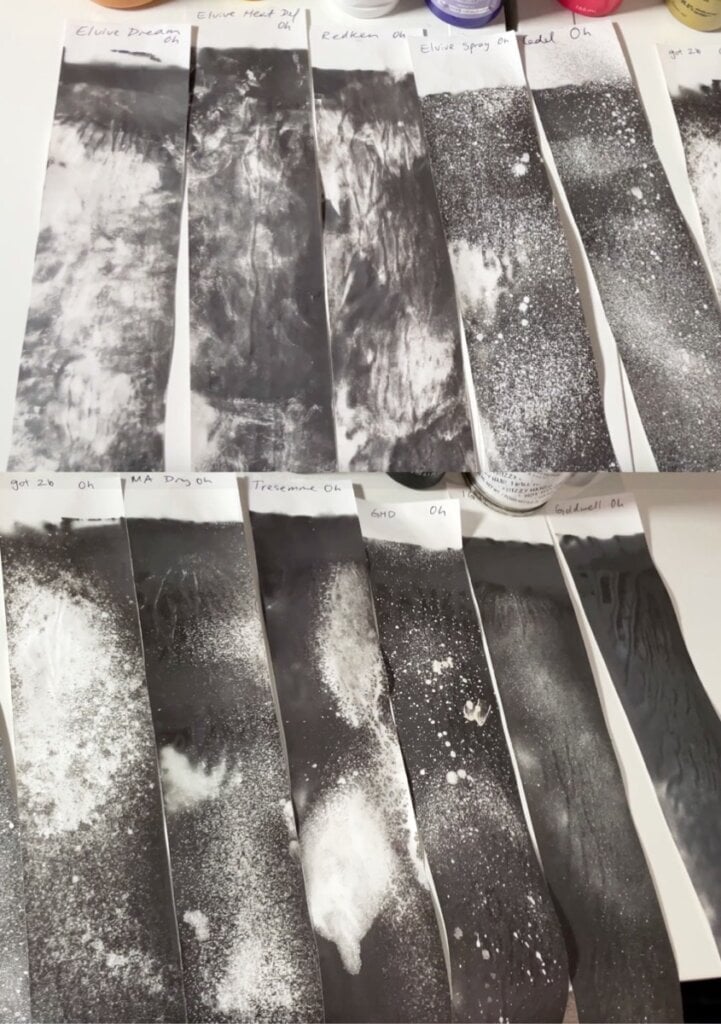
The breakthrough in understanding the true mechanism behind the viral test arrived through an exploration of solvent chemistry and receipt ink composition. Thermal receipt paper relies on a delicate, multi-component chemical layer frozen within a wax-like solvent matrix. When subjected to thermal energy, this matrix melts, allowing dye precursors to mix and form visible dark pigments. Wong’s advanced hypothesis posited that heat-protectant sprays succeeding in the viral test were not insulating the paper from heat, but rather chemically dissolving the sensitive ink layer entirely.
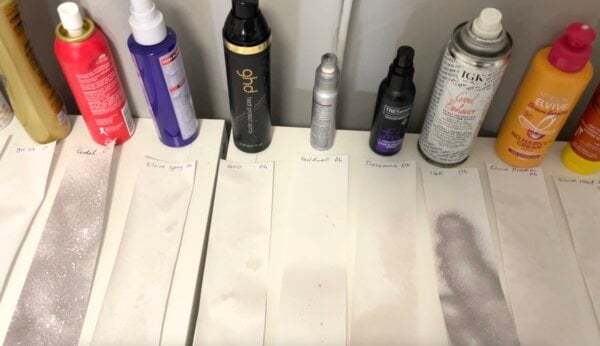
To validate this chemical disruption theory, secondary confirmatory tests were conducted using various non-protectant substances known to possess solvent or surfactant properties. Pure rubbing alcohol, alcohol-water-glycerin solutions, alcohol-heavy perfumes, and dry shampoos were applied to receipt paper. The results conclusively demonstrated that high concentrations of alcohol rapidly dissolved and disrupted the thermal ink components. Even when subsequently exposed to a flat iron, these treated receipts remained stubbornly white or grey because the reactive ink layer had been compromised or washed away prior to heating. Similarly, surfactant-containing formulations—such as micellar waters, household detergents, facial moisturizers, and sunscreens—successfully kept receipts light by breaking down the delicate ink matrix. Conversely, volatile silicones like cyclopentasiloxane largely failed the receipt test because their oily nature and rapid evaporation rate left the thermal layer relatively undisturbed.
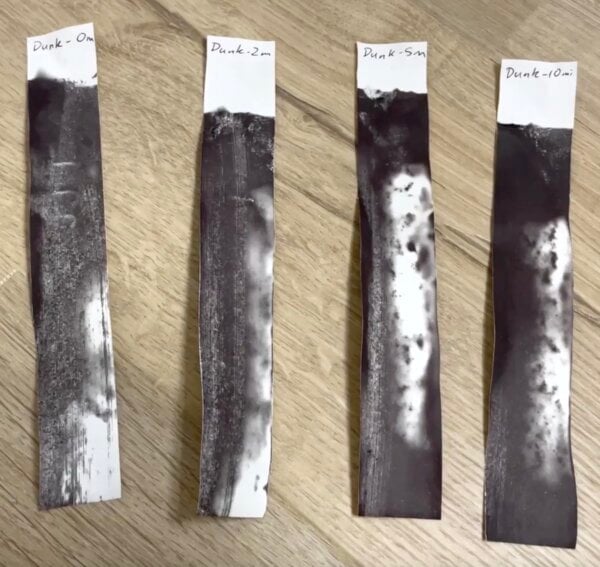
The implications of these findings extend far beyond a quirky internet trend, highlighting a broader disconnect between consumer perception and empirical cosmetic science. The viral receipt test is fundamentally a measure of chemical solubility and ink degradation, not thermal protection. Authentic laboratory evaluation of heat protectants requires specialized biological models, such as continuous tension-testing machines that measure tensile strength, elasticity, and cuticle abrasion on actual human hair strands subjected to repeated styling passes. Major hair care brands that invest heavily in instrumental clinical testing employ these rigorous mechanical assays rather than relying on office supplies.
Ultimately, consumers seeking effective thermal protection are advised to disregard social media hacks utilizing office receipts. Instead, purchasing decisions should be guided by formulations backed by verifiable instrumental testing claims and established protective ingredients—such as specialized silicones, heat-resistant polymers, and hydrolyzed proteins—while ensuring that any water-based spray is given adequate time to dry prior to the application of hot styling tools.
