
Beyond the structured formality of a navy suit or the rugged utility of raw blue denim, the humble T-shirt stands as the most critical pillar of the modern man’s wardrobe. Once relegated to the status of an undergarment in the early 20th century, the T-shirt has evolved into a centerpiece of personal style, bridging the gap between casual comfort and refined smart-casual aesthetics. As we enter 2026, the market for this staple has become increasingly sophisticated, driven by advancements in textile engineering, a heightened focus on supply chain transparency, and shifting silhouettes that reflect contemporary fashion trends.
The selection of a quality T-shirt involves more than just picking a color; it requires an understanding of fabric weight, weave density, and fit. Whether navigating the minimalist aesthetic of Scandinavian design or the high-performance requirements of activewear, the current landscape offers a diverse range of options tailored to specific needs. This guide identifies 15 brands that have established themselves as industry leaders by prioritizing construction, material integrity, and longevity.
The Evolution of the Modern Staple
The T-shirt’s history is a study in democratization. Originally issued as military-grade base layers during the First and Second World Wars, the garment was popularized by Hollywood icons like James Dean and Marlon Brando, who transformed it into a symbol of youthful rebellion and effortless masculinity. By the 1970s and 80s, the T-shirt had become a canvas for self-expression, utilized by brands and artists to convey messaging, branding, and graphic art.
Today, the industry is seeing a correction toward quality over quantity. The rise of "slow fashion" has encouraged consumers to invest in pieces that resist the wear-and-tear of frequent washing and daily use. Data from textile industry reports suggests that consumer interest in organic cotton and sustainable manufacturing has grown by 18% annually over the last three years, forcing brands to optimize their sourcing strategies to remain competitive.
Curating the Collection: The Top 15 Brands
To categorize the best in the business, one must evaluate each label based on its unique contribution to the market, ranging from technical innovation to luxury fabrication.
1. Everlane: The Benchmark for Reliability
Everlane has mastered the art of the "Premium Weight" tee. By utilizing 6.2 oz cotton, they provide a structured silhouette that maintains its shape over time. This heavyweight approach addresses the common issue of sagging necklines and transparent fabric, making it a reliable daily driver.
2. Luca Faloni: Italian Craftsmanship and Luxury
For those seeking an elevated experience, Luca Faloni focuses on silk-cotton blends. This material science innovation provides natural temperature regulation, which is essential for warmer climates or layered office wear. Their commitment to Italian artisan partnerships ensures a high level of finish that is rarely seen in basic apparel.
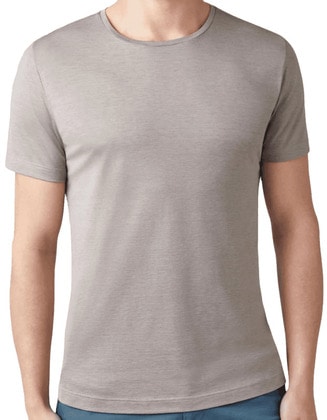
3. Asket: The Case for Transparency
Asket has become a favorite among the "minimalist" demographic, primarily due to its "Permanent Collection" business model. By eschewing seasonal trends, they focus on perfecting the fit and durability of their superfine Egyptian cotton T-shirts. Their impact reporting—which tracks the cost and environmental footprint of every item—serves as a template for industry transparency.
4. Represent: Streetwear Authority
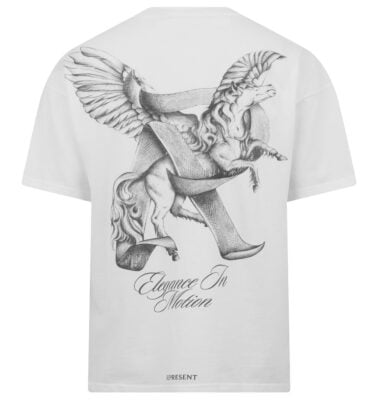
Represent occupies the graphic-heavy segment of the market. Their "Elegance in Motion" collection highlights how mid-weight cotton can be leveraged for streetwear silhouettes without sacrificing quality. The integration of in-house graphic design distinguishes them from mass-market brands that rely on outsourced motifs.
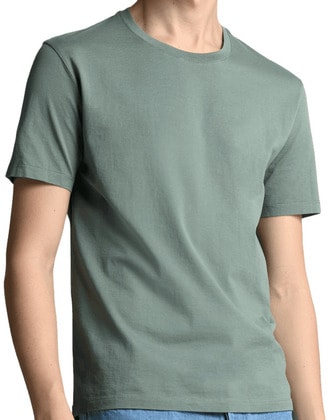
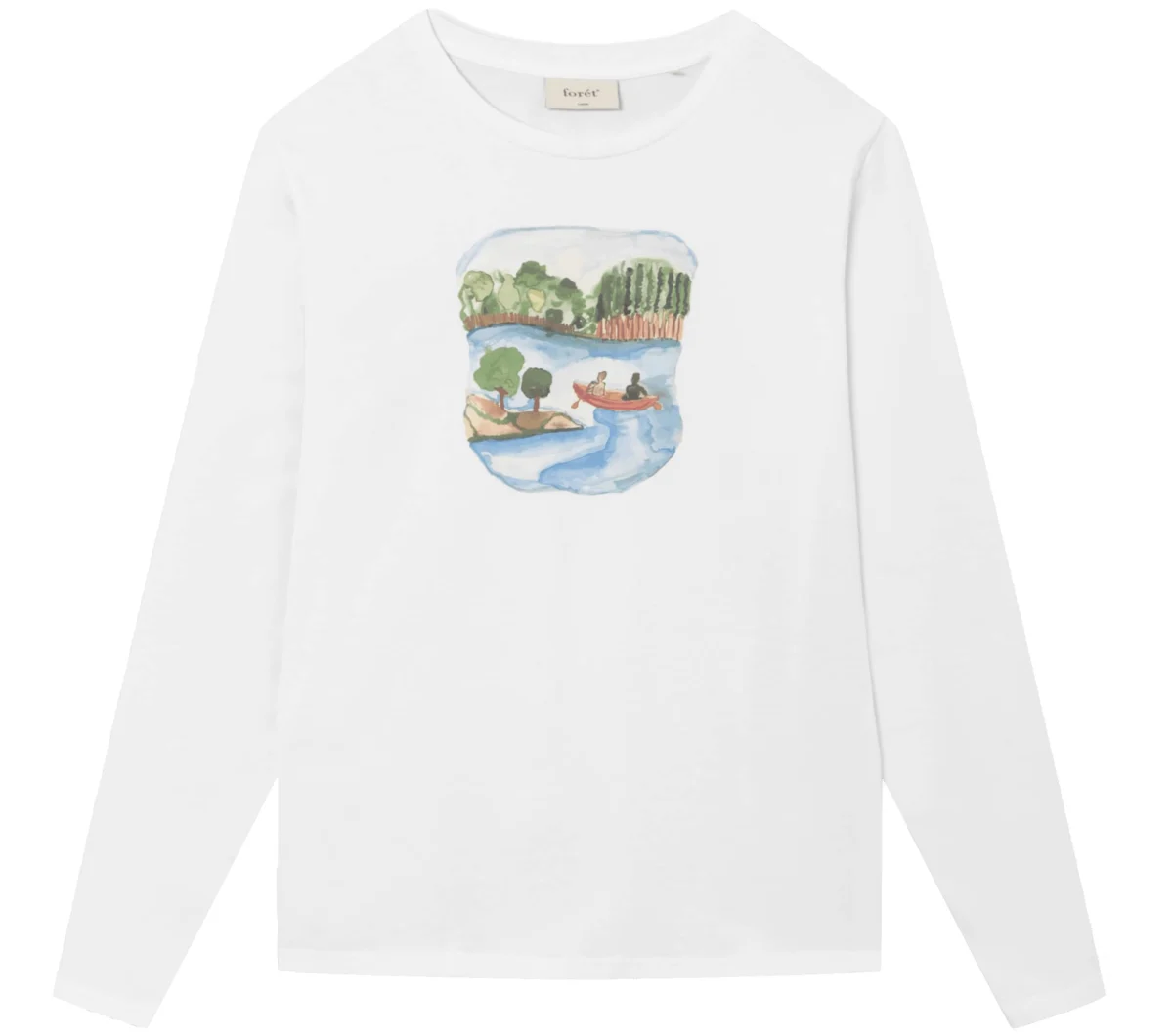
5. Foret: Functional Versatility
Hailing from Denmark, Foret leans into the "outdoor-inspired" aesthetic. Their long-sleeve offerings are particularly noteworthy for their ability to serve as a transitional piece between seasons. The focus here is on classic fits that prioritize comfort for all body types.
6. Wax London: The Classic Crew Neck
Wax London specializes in the modern boxy fit. Their use of textured organic cotton gives their T-shirts a tactile quality that elevates them from simple basics to standalone style statements.
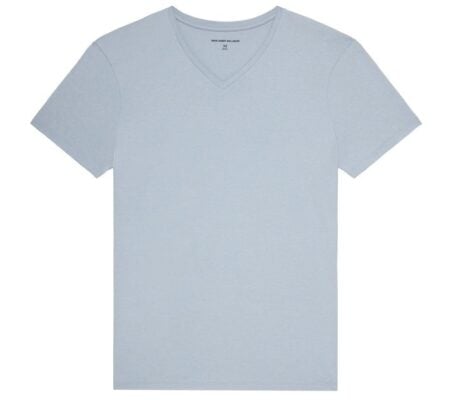
7. David Gandy: The Modern V-Neck
The V-neck has faced criticism for its association with dated 2000s trends, but David Gandy’s line has successfully rebranded the silhouette as a versatile base layer. By incorporating elastane into the cotton-modal mix, they achieve a drape that is flattering and functional under knitwear or blazers.
8. Corridor: Sustainable Pocket Tees
New York-based Corridor leverages garment-dyeing techniques to achieve unique, rich color profiles. Their pocket tees are constructed in sustainable workshops, offering a tangible difference in texture compared to standard factory-produced options.

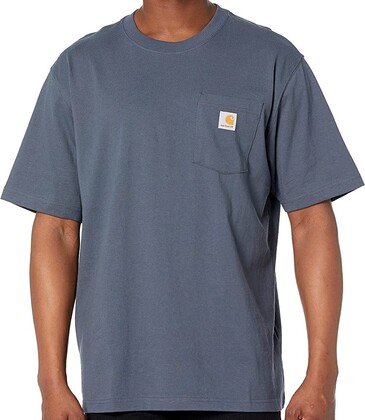
9. Carhartt: The Heavyweight Standard
Carhartt remains the gold standard for workwear-inspired fashion. Its heavyweight, loose-fit construction is designed for durability. In the current market, it has transitioned from the construction site to the street, favored for its authentic, rugged appeal.
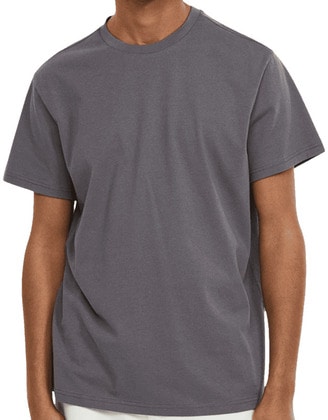
10. H&M: Accessibility and Volume
While the luxury market focuses on exclusivity, H&M remains a leader in accessibility. Their regular-fit crew necks offer a low-barrier entry point for those looking to build a rotation of basics without significant financial investment.
11. Lululemon: Performance Engineering
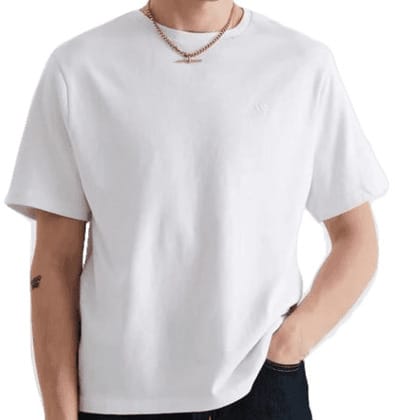
Lululemon’s entry into the space is defined by its "anti-stink" technology. Utilizing proprietary synthetic blends, they provide a solution for active individuals who require moisture-wicking properties without the "technical" aesthetic of traditional gym wear.
12. Y-3: The Avant-Garde Edge
The partnership between Adidas and Yohji Yamamoto continues to redefine oversized silhouettes. Y-3 pieces are less about basic utility and more about artistic expression, often featuring intricate prints and asymmetrical cuts.
13. Axel Arigato: The Boxy Specialist
Axel Arigato’s transition from high-end sneakers to apparel has been seamless. Their Distort T-shirt serves as a prime example of how branding can be applied subtly to create a modern, high-fashion look.
14. Dedicated Brand: Ethical Stewardship
Sustainability is at the core of the Swedish label Dedicated. By partnering with global designers, they ensure that their organic cotton tees are not only environmentally friendly but also visually distinct from mass-produced items.

15. Pangaia: The Science of Basics
Pangaia utilizes material science to create "DNA" tees that are both oversized and hyper-soft. Their focus on bio-based materials and non-toxic dyes positions them at the cutting edge of the sustainable fashion movement.
Criteria for Selection: What Defines a "Best" Brand?
When evaluating these brands, three distinct metrics emerge:
- Fabric Composition: The dominance of long-staple cotton remains constant, but the inclusion of modal, elastane, and silk-cotton blends indicates a shift toward performance-oriented luxury.
- Production Ethics: Consumers are increasingly prioritizing brands that provide full visibility into their supply chains. The success of Asket and Dedicated proves that ethical production is no longer a niche preference but a market requirement.
- Versatility of Fit: The industry has moved away from the extreme "skinny" fits of the early 2010s in favor of boxy, relaxed, and oversized silhouettes. This shift reflects a broader cultural preference for comfort.
The Economic and Environmental Implications
The T-shirt industry is a massive contributor to global trade, but it also faces significant scrutiny regarding water usage and textile waste. The brands mentioned in this guide represent a collective effort to address these issues. By choosing higher-quality garments, consumers can theoretically reduce their annual clothing turnover, thereby lowering the total volume of textile waste in landfills.
Furthermore, the rise of "direct-to-consumer" (DTC) models has allowed these brands to keep prices competitive while investing more heavily in material quality. By cutting out traditional retail intermediaries, labels like Everlane and Asket can afford to use premium fabrics that would otherwise be cost-prohibitive in a traditional department store setting.
Final Verdict: Building Your Rotation
Building a T-shirt rotation requires a mix of utility and luxury. For the everyday, a heavyweight, classic-fit tee from Everlane provides the necessary structure. For professional or evening settings, the silk-cotton blends from Luca Faloni offer a more sophisticated texture. Finally, for those who prefer an expressive, modern aesthetic, the oversized and graphic-driven designs from brands like Y-3 and Represent fill a critical gap.
The T-shirt is no longer just a filler in a closet; it is a statement of intent. By selecting brands that align with one’s personal values and fit requirements, a man can simplify his dressing routine while maintaining a consistently polished appearance. As we move further into 2026, the focus will remain on durability, sustainable production, and the refinement of classic silhouettes—ensuring that the most basic item in our wardrobe remains its most essential.
