
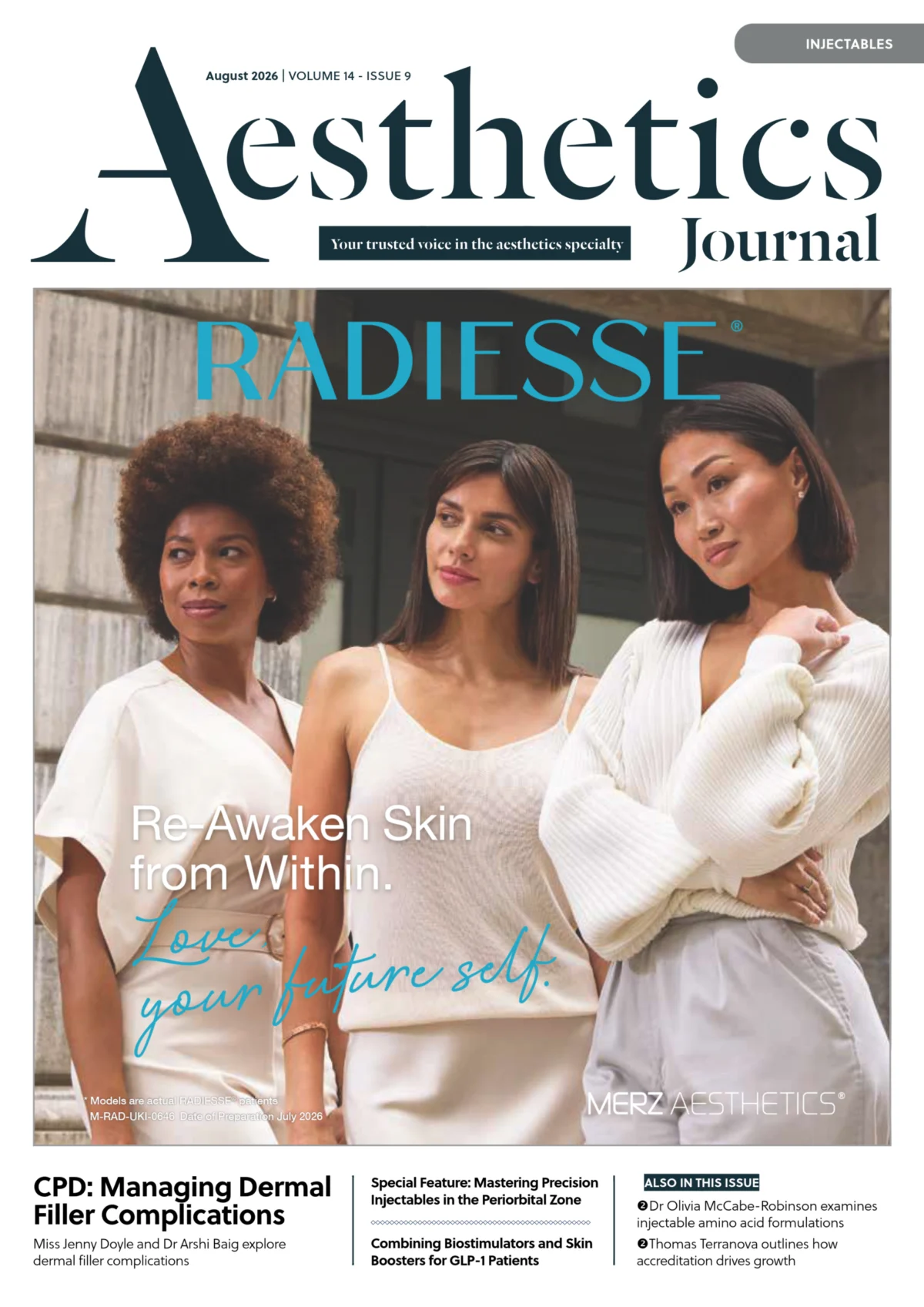
The landscape of medical aesthetics is undergoing a profound digital transformation, driven by an increasing demand for instantaneous, highly reliable, and multifaceted professional communication. As practitioners, researchers, and industry stakeholders navigate an era defined by rapid technological advancements and evolving regulatory frameworks, the need for centralized, authoritative hubs of information has never been more critical. At the forefront of this evolution is the continuous expansion of dedicated industry platforms—such as the Aesthetics community network—which have successfully transitioned from traditional print publications into dynamic, multichannel digital ecosystems. These platforms now integrate breaking news, peer-reviewed literature, interactive webinars, in-depth reports, and exclusive interviews into a single, cohesive resource designed to support practitioners at every stage of their careers.
This comprehensive approach to professional development and information dissemination reflects a broader global trend across specialized healthcare sectors. Modern aesthetic clinicians are no longer reliant solely on quarterly journals or annual conferences to stay informed. Instead, they require a continuous feed of up-to-the-minute clinical updates, safety notices, business insights, and regulatory guidance delivered across a variety of accessible media formats. By leveraging digital infrastructure, industry publishers are bridging the gap between clinical research and daily practice, ultimately elevating standards of patient safety and care quality across the entire specialty.
Background Context and the Rise of Digital Specialization
The medical aesthetics sector has experienced exponential global growth over the past two decades. Driven by advancements in non-surgical interventions—such as neuromodulators, dermal fillers, energy-based devices, and regenerative medicine—the industry has expanded from a niche subspecialty into a multi-billion-dollar global market. This rapid commercial and clinical expansion brought unique challenges, chief among them the fragmentation of information and the proliferation of unregulated or unverified content online.
Historically, medical professionals relied on localized peer networks, physical textbooks, and printed periodicals to keep pace with clinical techniques. However, the sheer velocity of innovation in aesthetics rendered traditional dissemination models insufficient. The introduction of digital-first publishing models revolutionized how medical knowledge is shared. By embracing online portals, social media channels, and virtual learning environments, organizations could distribute urgent safety alerts, product recalls, and clinical guidelines in real-time.
Furthermore, the integration of multimedia resources—including video demonstrations, expert panels, and downloadable reports—catered to the diverse learning styles of modern practitioners. This shift ensured that practitioners in remote clinics had access to the same high-level educational content as those operating in major metropolitan medical centers, fostering a more uniform standard of clinical excellence worldwide.
Chronology of Digital Transformation in Aesthetic Journalism
The integration of digital media into aesthetic medicine did not happen overnight; it represents a carefully managed evolution that mirrors the broader digitization of the healthcare and publishing industries.
During the early 2000s, specialized publications primarily operated as physical print journals, supplemented by basic static websites that hosted archived articles and subscription information. While effective for in-depth academic reading, this model lacked the agility required to address fast-moving industry developments, such as emerging complication management protocols or sudden regulatory shifts.
By the early 2010s, the emergence of social media platforms fundamentally altered the communication dynamic. Forward-thinking publications began establishing dedicated digital presences on networks like LinkedIn, Facebook, and later Instagram. This shift allowed publishers to engage directly with their audiences, transforming passive readers into active participants in professional discourse. Social channels became vital tools for driving traffic to breaking news stories, promoting upcoming educational events, and facilitating peer-to-peer discussions regarding complex clinical cases.
The mid-2010s marked the widespread adoption of multimedia content. Webinars and digital symposia emerged as mainstream educational formats, allowing global experts to demonstrate techniques and debate controversies without the barrier of international travel. This democratization of education proved invaluable during periods of global disruption, ensuring continuous professional development when in-person congresses were restricted.
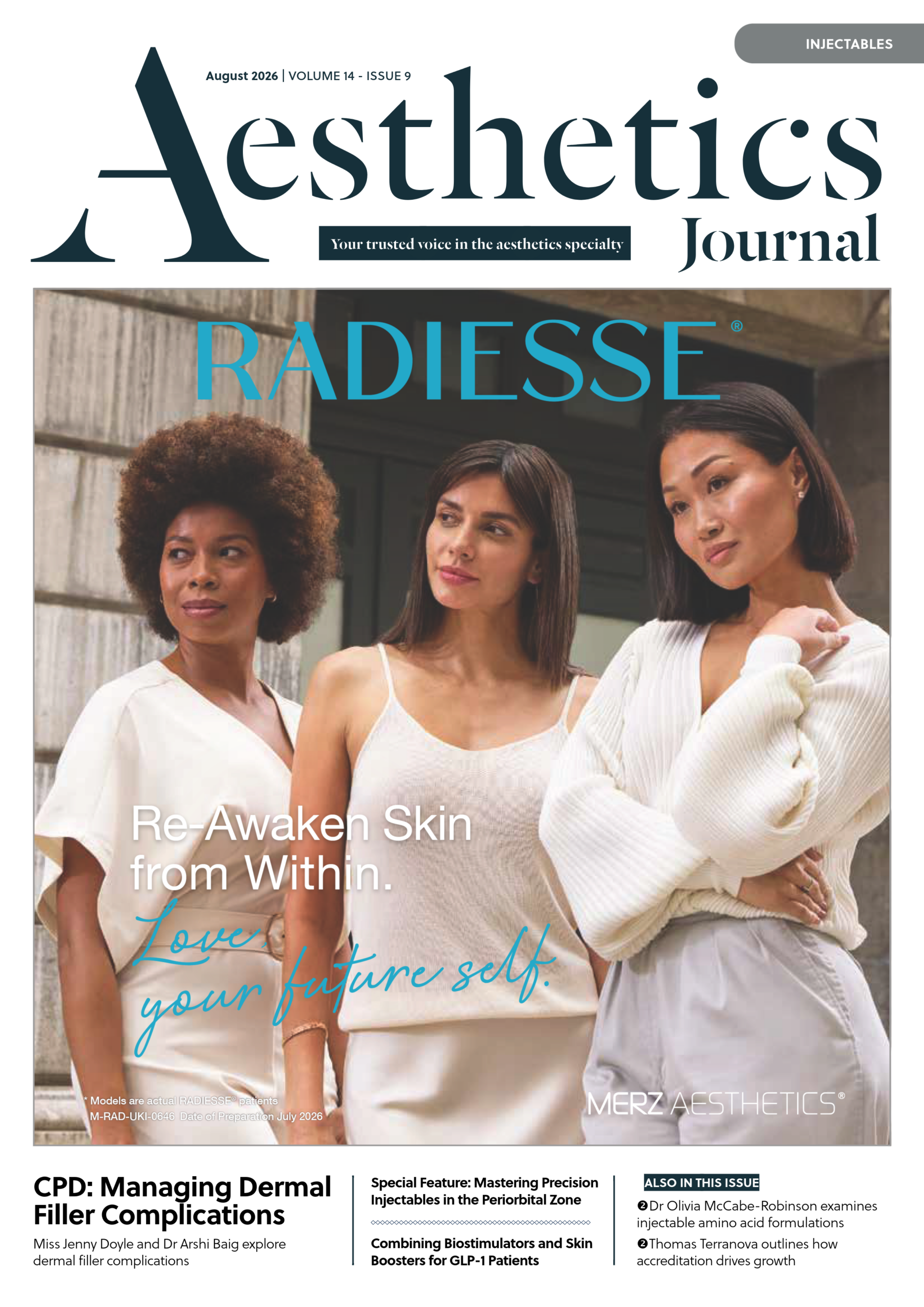
Entering the 2020s, the focus shifted toward consolidation and user experience. Publishers recognized the need for omnichannel strategies—seamlessly connecting print, digital, social, and live event platforms under unified brand umbrellas. The backing of international exhibition and media groups, such as Easyfairs, provided these publishing platforms with the operational scale and technological resources necessary to support high-traffic websites, sophisticated database reporting, and large-scale hybrid events. Today, platforms offer an integrated suite of resources that cater to the modern clinician’s preference for accessible, on-demand, and verified professional content.
The Anatomy of a Modern Aesthetic Information Ecosystem
To understand how contemporary aesthetic communities function, one must examine the diverse media formats that comprise a modern information ecosystem. Each channel serves a distinct purpose in supporting the professional needs of practitioners, clinic owners, and industry manufacturers.
Breaking News and Regulatory Updates
In a clinical environment where patient safety is paramount, timely access to regulatory news is non-negotiable. Digital news portals provide immediate coverage of policy changes issued by health authorities, advertising standards bodies, and professional councils. Whether reporting on updated guidelines for prescription-only medicines, changes in licensing requirements, or international consensus statements on complication management, these platforms act as the primary watchdogs and informational conduits for the specialty.
Peer-Reviewed Journals and Academic Content
Despite the digital shift, the foundation of medical publishing remains rigorous peer review. Modern aesthetic journals combine the credibility of traditional academic publishing with the accessibility of digital formats. Practitioners can access original research, randomized controlled trials, histological studies, and expert consensus papers online. This direct access to evidence-based literature empowers clinicians to make informed choices regarding product selection, treatment protocols, and patient risk assessment.
Webinars and Virtual Symposia
Interactive digital education has revolutionized continuing professional development (CPD). Webinars allow practitioners to engage directly with global Key Opinion Leaders (KOLs), ask questions in real-time, and view high-definition procedural video demonstrations. These sessions often cover complex topics—such as facial vascular anatomy, ultrasound-guided filler dissolution, and advanced energy-based device parameters—that require visual and dynamic explanation.
Reports, Whitepapers, and Industry Analysis
Beyond clinical technique, aesthetic practitioners operate within a competitive commercial landscape. Digital platforms frequently publish comprehensive industry reports, market analyses, and whitepapers covering consumer trends, economic forecasts, and business management strategies. These resources help clinic owners navigate operational challenges, optimize marketing efforts, and understand shifting patient demographics.
Interviews and Profile Features
Humanizing the specialty through exclusive interviews with leading scientists, practitioners, and industry pioneers provides valuable perspective. These features often explore the personal and professional journeys behind major clinical innovations, offering readers inspiration and practical wisdom drawn from decades of collective experience.
Supporting Data and Industry Metrics
The proliferation of digital platforms in medical aesthetics is supported by compelling shifts in media consumption and professional behavior across the healthcare sector. According to recent media usage studies within specialized medical fields, over 85% of healthcare practitioners utilize digital devices as their primary source for daily professional news and clinical updates. Furthermore, digital-first continuing education has seen a sustained year-over-year increase, with virtual webinars reporting engagement rates that frequently surpass traditional in-person evening meetings.
In the context of the global aesthetic medicine market—valued at tens of billions of dollars and projected to grow at a compound annual growth rate (CAGR) reaching well into the double digits over the next decade—the velocity of information must match market expansion. With thousands of new practitioners entering the field annually, centralized digital hubs reduce the learning curve by providing structured pathways to foundational knowledge, ethical guidelines, and advanced procedural training.
Social media integration has also proven to be a powerful driver of professional engagement. Platforms such as LinkedIn and Instagram serve as vital connective tissue for the aesthetic community. Data indicates that professional channels dedicated to medical aesthetics experience high engagement through shared clinical case studies, video snippets of educational webinars, and immediate announcements of breaking industry news. This multichannel approach ensures that practitioners receive information wherever they are most active, reducing information fatigue and enhancing professional connectivity.

Official Responses and Industry Perspectives
The structural shift toward integrated, multichannel media has been warmly welcomed by professional associations, manufacturing bodies, and clinical leaders alike. Industry stakeholders frequently emphasize that the availability of centralized, reliable information is crucial for maintaining high standards of patient safety and public trust.
Speaking on the evolution of professional communication within the sector, leading aesthetic educators note that the transparency afforded by digital platforms has significantly improved clinical standards. In an environment historically susceptible to unregulated marketing claims and fragmented training pathways, the presence of authoritative digital journals and verified news outlets provides a vital anchor for evidence-based practice.
Furthermore, corporate backing from established exhibition and media organizations—such as Easyfairs—has provided these publishing platforms with the stability and technological prowess required to innovate continuously. By combining large-scale physical events, exhibitions, and congresses with robust digital publishing networks, organizations can deliver a 365-day engagement model. This synergy ensures that the conversations initiated at annual congresses are sustained, debated, and expanded upon throughout the year via digital reports, webinars, and ongoing news coverage.
Manufacturers and suppliers within the aesthetic device and pharmaceutical sectors also benefit significantly from this digital infrastructure. In a regulated market where direct-to-consumer advertising of prescription treatments is heavily restricted, professional media channels provide a compliant, targeted avenue for communicating product innovations, safety data, and clinical trial results directly to qualified medical professionals.
Broader Impact and Implications for the Future of Aesthetic Medicine
The maturation of digital media ecosystems within medical aesthetics carries profound implications for the future of the specialty. As artificial intelligence, machine learning, and advanced data analytics begin to permeate both clinical practice and publishing, the role of the specialized media platform will only expand.
One of the primary implications is the move toward hyper-personalized professional content. Just as aesthetic treatments are increasingly tailored to the individual genetic and anatomical profile of the patient, professional education is poised to become more customized. Utilizing sophisticated data insights, digital platforms can deliver tailored news feeds, recommended reading, and targeted educational modules based on a practitioner’s specific clinical interests, geographic location, and level of experience.
Additionally, the global reach of digital publishing breaks down traditional geographic barriers, fostering international consensus on safety, ethics, and technique. Complication management protocols developed in one country can be disseminated globally within hours, potentially preventing adverse events and improving patient outcomes on an international scale. This global connectivity also facilitates collaborative research, enabling multi-center studies and consensus panels to gather data and publish findings with unprecedented speed.
However, this digital acceleration also presents challenges that the industry must navigate carefully. The sheer volume of information available online necessitates stringent editorial oversight to combat misinformation, sensationalism, and biased reporting. Trusted media brands that adhere to strict journalistic integrity, peer-review standards, and ethical advertising guidelines will become increasingly valuable as arbiters of truth in a crowded digital space.
Conclusion
The ongoing transformation of aesthetic community publishing from traditional print into sophisticated, multichannel digital networks marks a pivotal chapter in the history of medical aesthetics. By integrating breaking news, rigorous academic journals, interactive webinars, comprehensive reports, and active social media engagement, these platforms fulfill the complex and rapidly evolving needs of modern practitioners. Backed by robust organizational support and driven by a commitment to clinical excellence and patient safety, the contemporary aesthetic information ecosystem ensures that the medical community remains informed, connected, and prepared for the future of patient care.
