
The multi-billion-dollar global hair care industry has long built its marketing messaging around a simple, intuitive promise: that hair requires hydration, and that adding moisture can heal, soften, and restore damaged strands. From deeply hydrating masks to leave-in mays and moisture-locking serums, consumers are constantly encouraged to quench their hair’s thirst. However, a closer examination of trichology and cosmetic chemistry reveals a stark disconnect between commercial terminology and molecular reality. According to recent scientific evaluations published by leading cosmetic chemists, the concept of "hydrated hair" is largely a marketing myth, and the actual relationship between water and human hair is far more complex, contradictory, and mechanically demanding than beauty labels suggest.
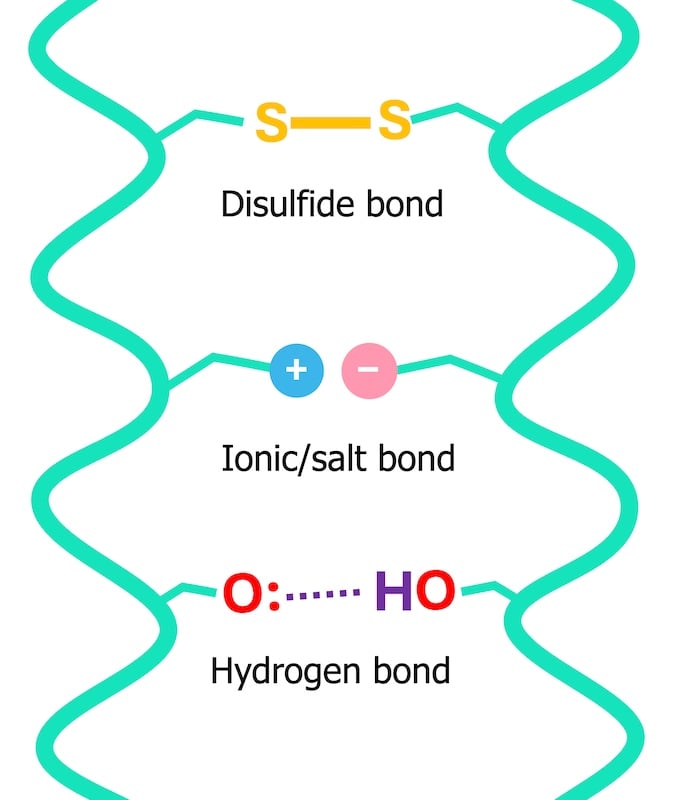
To understand why water is one of the most misunderstood topics in hair science, researchers must first look at the microscopic structure of human hair. Hair is composed primarily of structural proteins, predominantly keratin, which are bound together by a complex network of molecular bonds that dictate both the strength and the shape of the fiber. These bonds fall broadly into two categories: permanent bonds, such as disulfide bonds that withstand environmental shifts, and temporary bonds, which include hydrogen bonds and salt linkages.
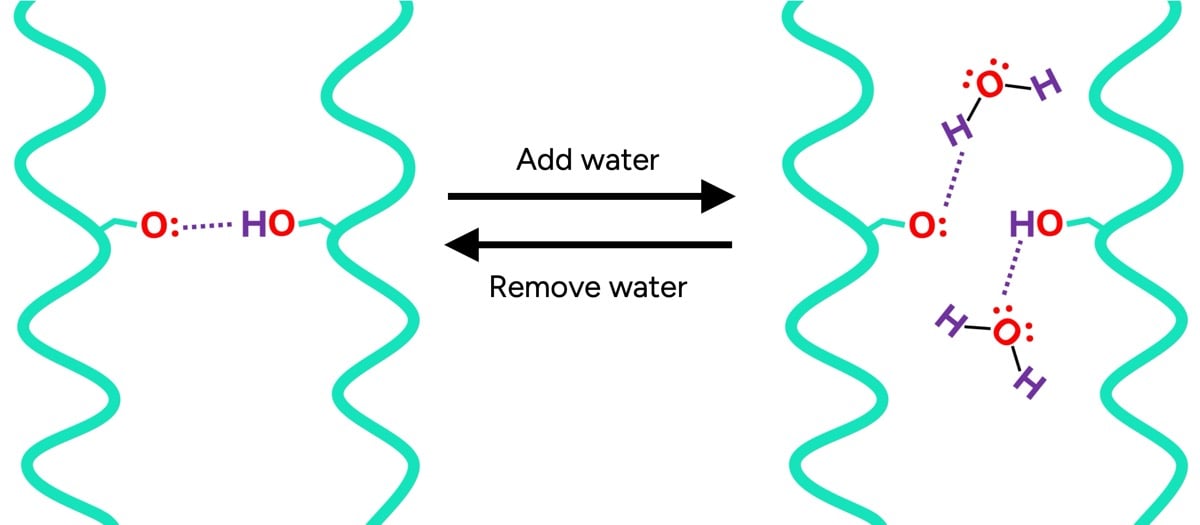
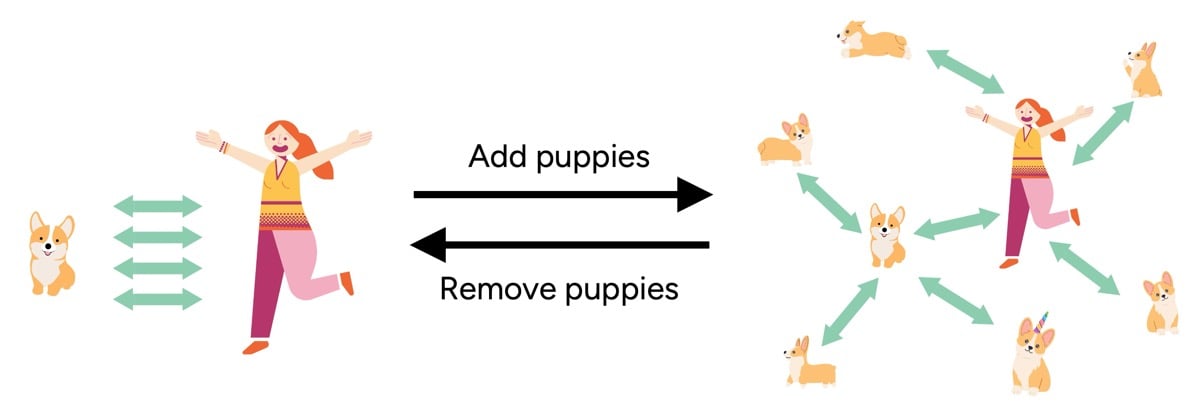
The interior of the hair shaft, particularly the cortex, is exceptionally sensitive to moisture. In dry hair, these temporary bonds act like a molecular glue, holding neighboring protein chains tightly together. However, when water is introduced to the hair fiber, water molecules disrupt these interactions. The proteins form hydrogen bonds with the incoming water molecules instead of with each other, resulting in a significantly lower density of protein-to-protein bonds holding the hair together. This molecular shift alters the physical properties of the strand, transforming dry, stiff, and brittle hair into a stretchier, more elastic, but temporarily weakened state.
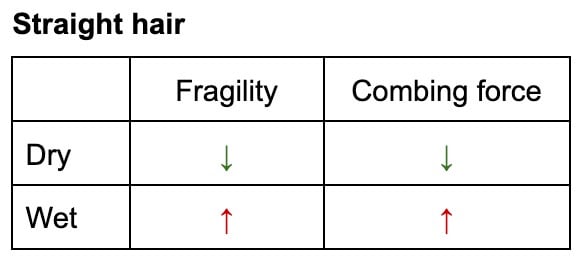
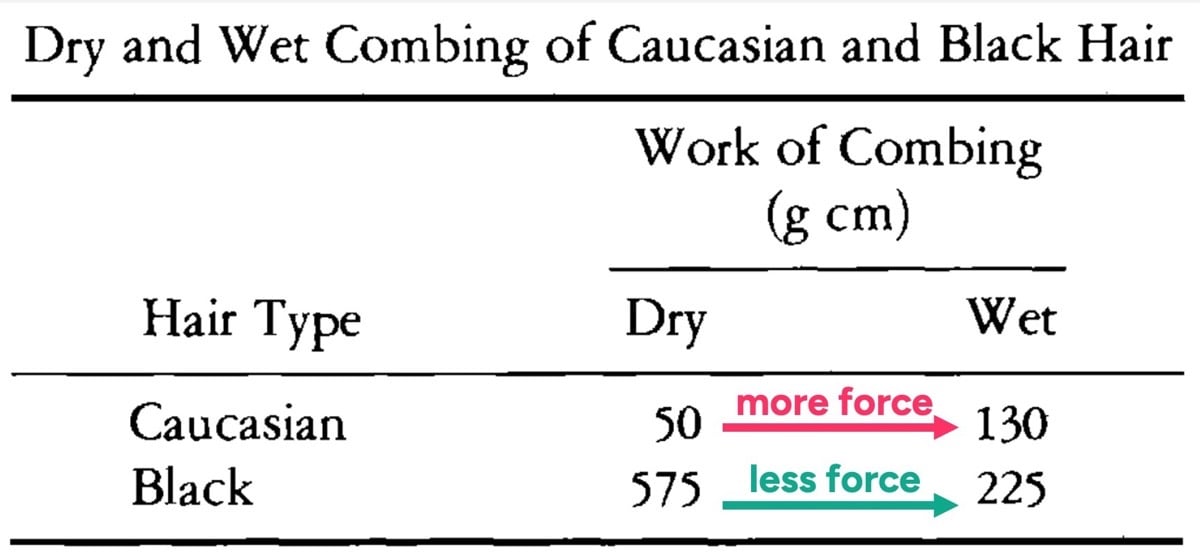
This biochemical transformation dictates how hair responds to mechanical stress, such as brushing and detangling. For individuals with straight hair, the introduction of water is generally disadvantageous during grooming. Straight hair remains rigid in shape while losing its internal bond strength when wet; simultaneously, water creates surface friction that causes individual strands to stick together. Consequently, combing straight hair while wet increases the risk of mechanical damage and breakage.
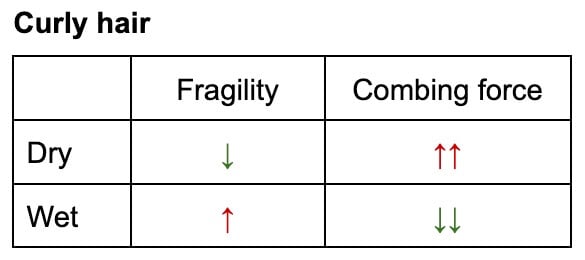
Conversely, for those with curly or coily hair types, wet detangling is often significantly less damaging. Although individual curly strands are similarly weakened by water, their coiled geometry creates high resistance and friction when dry. Water relaxes this tight structure, reducing resistance and allowing the comb to glide through more easily with lower overall force. Studies in cosmetic science, dating back foundational research by Epps and Wolfram in the early 1980s, confirm that the optimal detangling method depends entirely on minimizing the physical force required, regardless of whether the hair is wet or dry.
Perhaps the most counterintuitive finding in modern hair science is how human tactile perception interprets moisture levels. Consumer studies evaluating hair feel have repeatedly demonstrated that hair containing less water is frequently perceived by participants as feeling softer, smoother, less tangled, and more moisturized than hair with higher water content.
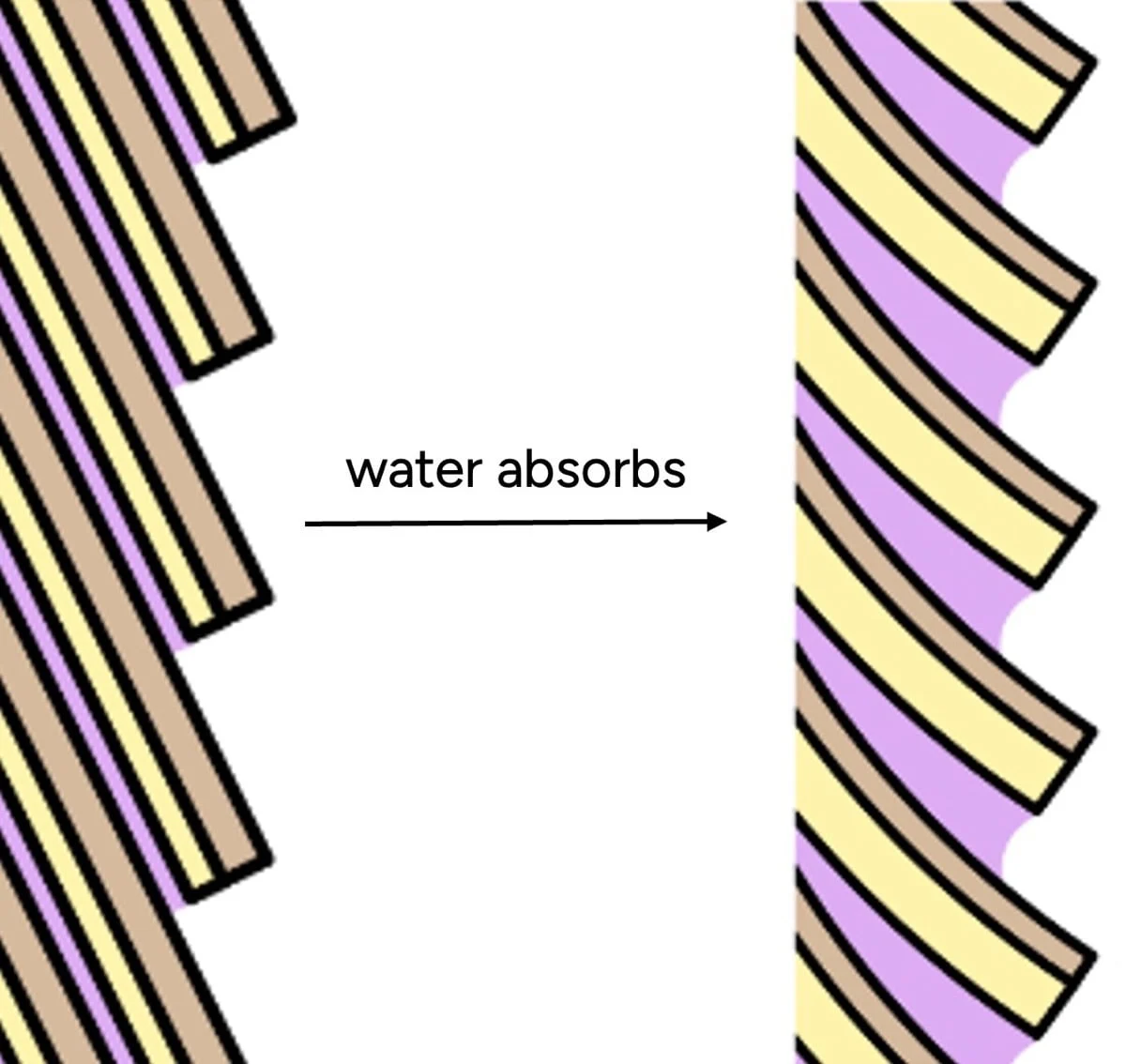
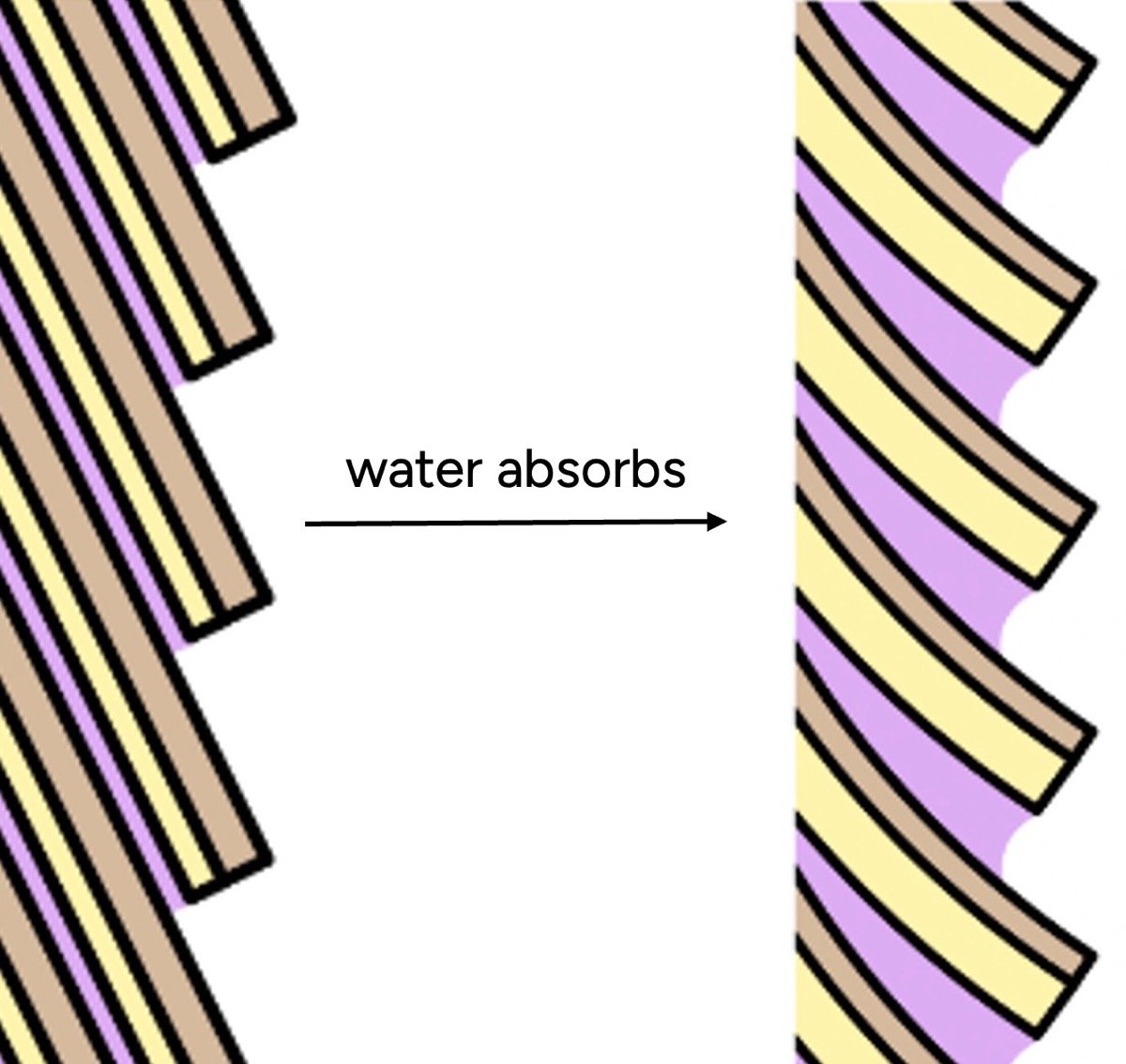
This sensory paradox lies in the reaction of the cuticle—the outermost protective layer of the hair shaft. Composed of overlapping microscopic scales, the cuticle remains relatively flat and uniform when dry. When exposed to excess water, however, specific sub-layers within the cuticle, such as the endocuticle and the cell membrane complex, absorb significantly more moisture than the exterior scales. This uneven swelling causes the cuticle scales to lift and buckle outward, creating a microscopic surface that is rougher, bumpier, and characterized by higher friction. Because water itself acts as a lubricant-turned-adhesive, the combination of a raised cuticle and surface tension makes wet hair feel grippy and rough to the touch.
To counteract this, the hair care industry relies heavily on conditioning agents rather than water itself. Formulations containing silicones, fatty oils, and cationic surfactants deposit microscopic films over the cuticle. These ingredients smooth down the raised scales, replicate the natural protective oily layer known as the F-layer—which is systematically stripped away by mechanical and chemical damage—and reduce surface friction to deliver the tactile smoothness consumers associate with "hydration."
The preference for washing and conditioning over dry product application stems from several distinct physical phenomena rather than true internal hydration. Water serves as an efficient vehicle for spreading conditioning ingredients evenly across the hair surface. Furthermore, water acts as a master reset button for the hair’s shape. By infiltrating the cortex and dissolving temporary hydrogen bonds, water allows heat-styled configurations or humidity-induced distortions to relax. Once the temporary bonds are broken, permanent structural constraints pull the hair back toward its baseline configuration, allowing for more effective restyling.
For curly and coily hair, water induces a phenomenon known as self-assembly. Surface tension causes water-coated strands to align parallel to one another, zipping together into cohesive curl clumps. These larger, aligned structures alter thermal conductivity, causing the hair to feel cooler and smoother to the touch, which the human brain often misinterprets as a sign of deep hydration. Furthermore, soaking hair in water and allowing it to dry under normal conditions can repair microscopic scale buckling caused by rapid thermal drying or mild over-stretching of up to 15 percent of the fiber’s length.
Despite the structural vulnerabilities introduced by excess water, having too little moisture presents its own distinct set of challenges. Trichologists compare the ideal moisture threshold of hair to that of human skin: an extreme abundance of water weakens structural integrity and leads to fragility, while extreme dryness results in stiffness, brittleness, and cracking.
When hair becomes excessively dry—such as during exposure to low-humidity environments during air travel—two primary issues emerge. First, the lack of moisture limits the dissipation of electrical charges, leading to a significant increase in static electricity and flyaways. Second, overly dry hair loses its shock-absorbing capacity. Without sufficient flexibility, the structural protein network cannot accommodate mechanical stress from brushing or styling without forming microscopic fractures that eventually propagate into terminal breakage. A classic macroscopic analogy can be seen in human fingernails: clipping dry nails results in rapid, jagged cracking because the material is brittle, whereas clipping nails immediately after a shower, when they are flexible and damp, prevents the spread of cracks.
Industry experts and cosmetic chemists emphasize that "hygral fatigue"—the widely circulated internet theory that repeated swelling and drying cycles permanently ruin hair—is largely a myth unsupported by robust clinical evidence. Water is neither inherently good nor bad for hair; rather, it is a structural modifying agent.
To achieve optimal hair health, consumers are advised to shift their focus away from chasing illusory "hydration" metrics and toward mechanical preservation. Because hair is structurally compromised while wet, gentle handling, generous application of detangling conditioners, and minimizing friction during both washing and drying phases remain the most scientifically validated practices for maintaining hair integrity. Ultimately, achieving smooth, soft, and resilient hair relies on effective conditioning and shape management rather than flooding the hair shaft with water.
