
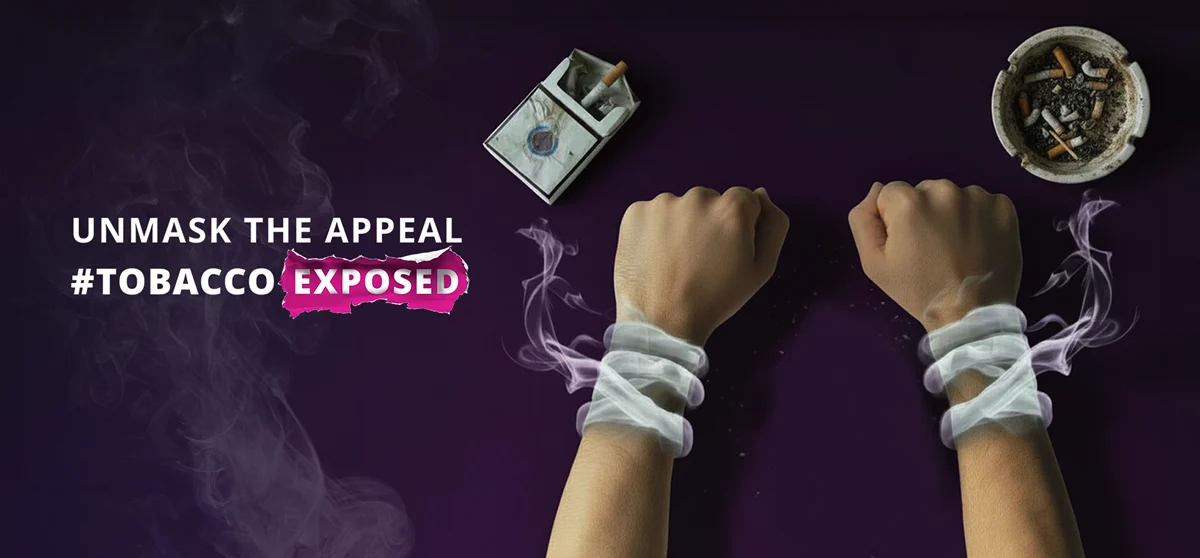
The World Health Organization (WHO) has issued a stark warning to the international community regarding the rapid proliferation of nicotine-based products among minors, revealing that at least 40 million children aged 13 to 15 are currently using tobacco products globally. In a comprehensive briefing released in the lead-up to World No Tobacco Day on May 31, the global health authority underscored an alarming trend: while traditional cigarette consumption has seen declines in several regions due to decades of rigorous public health campaigning, the rise of e-cigarettes and modern nicotine pouches is threatening to reverse these hard-won gains. The WHO is now urging governments to implement immediate, aggressive regulatory frameworks to protect a new generation from a lifetime of chemical dependency.
According to the WHO’s latest findings, the tobacco and nicotine industries have pivoted their business models toward "next-generation" products that are deliberately engineered to bypass existing tobacco control laws. These products, which include high-concentration nicotine pouches and flavored electronic nicotine delivery systems (ENDS), are often designed with sleek, tech-oriented aesthetics and flavor profiles—such as candy, fruit, and dessert—specifically curated to appeal to adolescents. The organization notes that these products are not only easier to use and conceal than traditional cigarettes but are also formulated to be significantly more addictive, making the cessation process more difficult for young users whose neurological pathways are still in a state of development.
The Evolution of the Nicotine Market and Industry Tactics
The current crisis represents a sophisticated shift in the strategy of "Big Tobacco." As global awareness of the link between combustible tobacco and terminal illnesses like lung cancer and cardiovascular disease has grown, the industry has rebranded itself under the guise of "harm reduction." However, health officials argue that this narrative serves as a smokescreen for the cultivation of a new consumer base. Dr. Etienne Krug, Director of the Department of Health Determinants, Promotion, and Prevention at the WHO, highlighted this paradox, noting that even as tobacco continues to claim millions of lives annually, companies are aggressively pushing flavored e-cigarettes and nicotine pouches to hook the next generation.
The marketing of these products has moved away from traditional billboards and television spots, which are heavily regulated in many jurisdictions, to the digital frontier. Social media influencers and lifestyle branding play a pivotal role in normalizing nicotine use among youth. By associating nicotine pouches and vapes with themes of productivity, social status, and modern living, manufacturers effectively bypass the "stigma" associated with traditional smoking. This digital-first approach allows companies to target specific demographics with surgical precision, often outpacing the ability of regulators to monitor and intervene.
Biological Vulnerabilities and Long-term Health Risks
The focus on youth is particularly concerning to the medical community due to the biological impact of nicotine on the developing brain. Human brain development continues well into the mid-twenties, and exposure to nicotine during this period can have permanent effects. Nicotine acts as a potent neurotoxin in the adolescent brain, interfering with the formation of synapses and altering the development of the prefrontal cortex—the area responsible for executive function, impulse control, and attention.
Furthermore, the high concentrations of nicotine found in modern pouches and e-liquids can lead to rapid sensitization. Young users often report symptoms of withdrawal within hours of their last use, a cycle that can lead to lifelong addiction. Beyond the neurological implications, the WHO reiterates that tobacco use remains a leading cause of preventable death, linked to more than 20 types of cancer, respiratory illnesses, and chronic cardiovascular conditions. The transition from "vaping" to "smoking" is also a documented phenomenon, where youth who begin with e-cigarettes are significantly more likely to eventually use combustible tobacco products.
The Regulatory Gap: Nicotine Pouches in the Crosshairs
A major focal point of the WHO’s 2026 report is the lack of oversight regarding nicotine pouches. These small, dissolvable bags are placed between the gum and lip, delivering nicotine without the need for combustion or inhalation. Because they do not contain tobacco leaf, they often fall into a "regulatory gray area" in many nations. The WHO’s nicotine pouch report revealed that approximately 160 countries currently have no specific regulations governing these products. This legislative vacuum has allowed sales to surge, leaving millions of minors unprotected from bright packaging and candy-like flavors that mimic consumer goods like mints or gum.
The WHO argues that this lack of regulation is a deliberate exploitation of legal loopholes. Without specific classification as tobacco products or medicinal products, nicotine pouches often evade age-verification requirements at the point of sale, advertising bans, and excise taxes that are standard for cigarettes. The organization is calling for these products to be treated with the same level of scrutiny as traditional tobacco, including mandatory health warnings and the prohibition of characterizing flavors.
Chronology of the 2026 World No Tobacco Day Campaign
The lead-up to May 31 has been marked by a series of strategic milestones designed to mobilize global policy changes:
- Early May 2026: The WHO released its updated report on nicotine pouch trends, highlighting the 160-country regulatory gap and the role of social media influencers in driving sales.
- May 15, 2026: A formal warning was issued specifically regarding the "lifestyle branding" of nicotine products, providing evidence of how industry tactics are evolving to target younger demographics.
- May 19, 2026: The WHO announced the winners of the 2026 World No Tobacco Day Awards. These awards recognized individuals and organizations that have implemented bold tobacco control measures, such as comprehensive flavor bans and enhanced enforcement of smoke-free zones.
- May 31, 2026: World No Tobacco Day. The WHO will host a global summit encouraging the world’s estimated 1 billion nicotine users to commit to a 24-hour abstinence period as a first step toward permanent cessation.
Global Success Stories: The Rio de Janeiro Model
While the global outlook remains challenging, the WHO pointed to specific local success stories as blueprints for national action. The city of Rio de Janeiro, Brazil, has emerged as a global leader in urban tobacco and nicotine control. In response to the rising use of e-cigarettes among Brazilian youth, the city government intensified its enforcement of existing bans on the sale and advertising of electronic nicotine delivery systems.
Rio de Janeiro’s strategy involved a multi-agency approach, including coordinated inspections of retail outlets and the implementation of large-scale public awareness campaigns. Crucially, the city updated its local legislation to explicitly include all tobacco and nicotine products, ensuring that indoor "smoke-free" laws also prohibited "vaping." By closing these loopholes and demonstrating that local enforcement can be effective even in the face of national legislative delays, Rio de Janeiro has provided a scalable model for other metropolitan areas worldwide.
Supporting Data and Economic Impact
The urgency of the WHO’s plea is backed by harrowing statistics regarding the human and economic cost of nicotine addiction. Tobacco use is responsible for more than 7 million direct deaths annually, with an additional 1.2 million deaths attributed to second-hand smoke exposure. The economic burden is equally staggering; the global cost of smoking-related healthcare and lost productivity is estimated to exceed $1.4 trillion per year, representing nearly 1.8% of the world’s annual gross domestic product (GDP).
In regions where e-cigarette use has spiked, data suggests a worrying correlation with mental health issues among youth. Surveys in high-income countries indicate that adolescents who use nicotine products report higher levels of anxiety, depression, and stress compared to their non-using peers. While the industry often markets nicotine as a stress-relief tool, the WHO clarifies that the "relief" felt by users is actually the temporary alleviation of withdrawal symptoms, creating a self-perpetuating cycle of dependency and psychological distress.
Official Responses and the Path Forward
The WHO’s recommendations for governments are clear and uncompromising. To effectively protect the youth, the organization advocates for a four-pronged approach:
- Total Flavor Bans: Eliminating flavors that appeal to children, such as fruit, candy, and mint, which are the primary drivers of initial experimentation.
- Comprehensive Advertising Bans: Prohibiting all forms of promotion, including social media sponsorships and lifestyle-based branding.
- Smoke- and Vape-Free Environments: Ensuring all indoor public spaces are 100% free of both tobacco smoke and nicotine aerosols to denormalize use.
- Increased Taxation and Enforcement: Raising the price of all nicotine products to deter youth purchase and funding robust enforcement agencies to conduct regular retail inspections.
Health advocates worldwide have echoed the WHO’s sentiments. Non-governmental organizations (NGOs) focused on child welfare have called for tech companies to take greater responsibility for the "vape culture" promoted on their platforms. The consensus among the public health community is that without a unified, global regulatory response, the progress made in reducing tobacco-related mortality over the last 30 years could be entirely undermined by the new nicotine economy.
As May 31 approaches, the WHO is not only calling on governments but also on the more than 1 billion current users of tobacco and nicotine products. The organization has launched a "quitting toolkit" to provide resources for those looking to break free from addiction. The ultimate goal of the 2026 World No Tobacco Day campaign is to shift the global narrative from one of "reduced harm" to one of "total protection," ensuring that the health of future generations is prioritized over the profit margins of the nicotine industry. The battle against nicotine is no longer just about cigarettes; it is a fight against a reinvented, high-tech addiction that requires a modern, sophisticated, and unwavering global response.
