
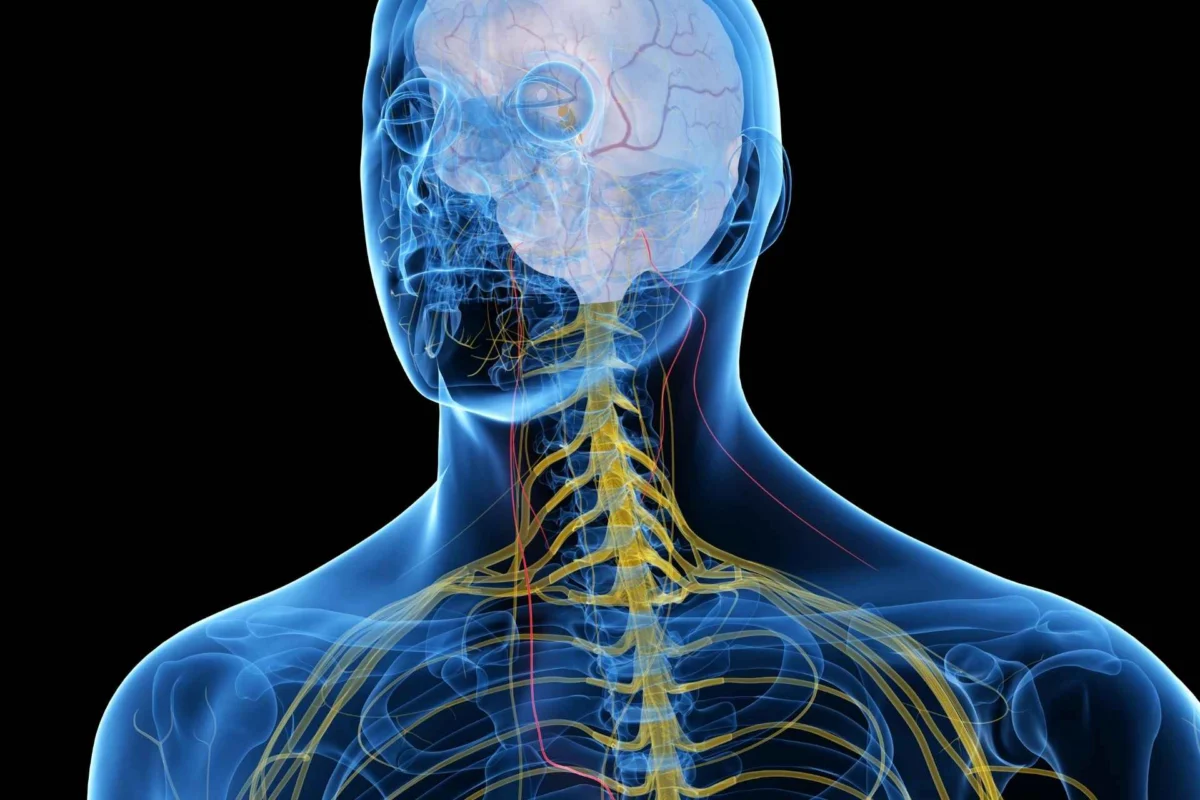
A landmark study published in the journal PLOS Biology has unveiled a direct biological pathway through which gut-resident bacteria can migrate to the brain, a process significantly modulated by dietary habits and the integrity of the intestinal barrier. Researchers led by Manoj Thapa at Emory University in Atlanta, Georgia, have identified that under specific physiological conditions—most notably those induced by a high-fat diet—small populations of gut microbes can bypass traditional systemic filters to reach the central nervous system. This migration appears to utilize the vagus nerve, a primary communication conduit between the digestive system and the brain, as a physical corridor. The findings provide a potential mechanical explanation for the long-observed but poorly understood correlation between gut dysbiosis and various neurological conditions, including Alzheimer’s disease, Parkinson’s disease, and autism spectrum disorders.
The Biological Mechanism of Bacterial Translocation
The concept of the "gut-brain axis" has been a focal point of medical research for over a decade, typically focusing on how chemical signals, hormones, and immune responses originate in the gut to influence brain function. However, the Emory University study introduces a more literal interpretation of this axis: the physical translocation of live bacteria. Using advanced mouse models, the research team demonstrated that when the intestinal lining becomes compromised—a condition colloquially known as "leaky gut"—microbes do not merely stay confined to the digestive tract.
In healthy subjects, the intestinal barrier acts as a sophisticated filter, allowing nutrients to enter the bloodstream while keeping pathogens and commensal bacteria contained. However, the study found that a high-fat diet alters the composition of the microbiota and weakens the "tight junctions" of the intestinal wall. Once this barrier is breached, specific species of bacteria, such as Staphylococcus and Enterococcus, were detected within brain tissue. Notably, these bacteria were often absent in the blood and other major organs, suggesting they did not travel through the circulatory system (sepsis), but rather followed a more direct, shielded route.
The Role of the Vagus Nerve as a Neural Highway
To determine the exact route of this bacterial migration, the researchers focused on the vagus nerve. The vagus nerve is the longest of the cranial nerves, stretching from the brainstem to the lowest viscera of the abdomen, and serves as the main component of the parasympathetic nervous system. It is responsible for regulating internal organ functions, such as digestion, heart rate, and respiratory rate.
In a pivotal phase of the experiment, the researchers performed a partial vagotomy—a procedure where the vagus nerve is surgically severed—on a subset of the test subjects. Following this intervention, the number of bacteria reaching the brain was significantly reduced, even when the subjects remained on a high-fat diet that maintained a "leaky" gut. This evidence strongly indicates that the vagus nerve acts as a physical "highway" for bacterial translocation. While the exact mechanism of how bacteria "hitchhike" along the nerve fibers remains a subject for future study, the data confirms that the neural pathway is a primary entry point for gut-derived microbes into the cranium.
Dietary Influence and the Impact of High-Fat Intake
The study underscores the critical role of environmental factors, specifically nutrition, in maintaining the sanctity of the brain’s environment. Mice fed a high-fat diet (HFD) showed a marked shift in their gut microbiome profile long before neurological symptoms or significant bacterial translocation occurred. The HFD-induced dysbiosis—an imbalance in microbial communities—favored the growth of bacteria that are more prone to translocation.
Furthermore, the research explored the effects of antibiotics on this process. When mice on a high-fat diet were treated with broad-spectrum antibiotics, the composition of the bacteria that eventually reached the brain changed accordingly. Whatever dominated the gut, whether through natural dietary selection or antibiotic-induced survival, eventually manifested in the brain. This suggests that the brain’s internal microbial environment is a direct reflection of the gut’s health and diversity.
Reversibility and the Potential for Therapeutic Intervention
One of the most encouraging findings of the Emory University research is the discovery that bacterial translocation to the brain is not necessarily a permanent state. The study demonstrated that the process is reversible through dietary intervention. When mice that had previously been on a high-fat diet were transitioned back to a standard, balanced diet, several physiological changes occurred:
- Restoration of the Gut Barrier: The intestinal lining regained its integrity, effectively "plugging" the leaks that allowed bacteria to escape.
- Microbiota Rebalancing: The gut microbiome returned to a healthier state, with a reduction in the specific species known to migrate to the brain.
- Brain Clearance: Most significantly, the bacteria previously detected in the brain largely disappeared.
This suggests that the brain possesses mechanisms to clear small numbers of intruding microbes once the primary source of influx is cut off. It also highlights the potential for dietary and probiotic interventions as a means of managing or preventing neurological inflammation caused by gut-derived bacteria.
Connection to Neurodegenerative and Neurodevelopmental Disorders
The researchers extended their study to mouse models of established human conditions, including Alzheimer’s disease, Parkinson’s disease, and autism. In each of these models, the researchers observed a recurring pattern: altered gut microbiota and increased intestinal permeability.
In the Alzheimer’s and Parkinson’s models, the presence of gut-derived bacteria in the brain was associated with areas of neuroinflammation. While the study does not claim that bacteria are the sole cause of these diseases, it suggests they may be a significant contributing factor or an accelerant of the disease process. For instance, in Parkinson’s disease, the "Braak’s Hypothesis" has long suggested that the disease might start in the gut and spread to the brain via the vagus nerve; this new research provides a tangible bacterial component to that theory.
In the case of autism models, the presence of bacteria in the brain adds a new layer to the "leaky gut" theory often discussed in pediatric neurology. The data suggests that genetic predispositions toward certain neurological states may also coincide with a genetic or physiological predisposition toward a more permeable gut, creating a "perfect storm" for bacterial translocation.
Chronology of Scientific Progress in Gut-Brain Research
The discovery by Thapa and his team represents a significant milestone in a timeline of research that has been building for decades:
- Early 2000s: Researchers begin to identify that germ-free mice (those raised without any bacteria) exhibit different brain chemistry and behavior compared to normal mice.
- 2011: Studies demonstrate that the vagus nerve is essential for certain probiotic bacteria to exert anti-anxiety effects on the brain.
- 2015-2018: Multiple studies link high-fat diets to "leaky gut" and subsequent systemic inflammation.
- 2021: Research starts to identify specific microbial metabolites that can cross the blood-brain barrier.
- 2024 (Current Study): The Emory University team provides evidence of live bacterial translocation via the vagus nerve, moving beyond metabolites to the microbes themselves.
Expert Analysis and Broader Implications
The implications of this study for clinical medicine and public health are profound. If the movement of bacteria from the gut to the brain is a common occurrence in humans under poor dietary conditions, it could revolutionize how we approach neurological health.
Medical professionals may need to place a greater emphasis on "gastroneurology," where the treatment of brain disorders begins with the stabilization of the digestive system. The fact that the process is reversible suggests that even in the early stages of cognitive decline or neurological distress, aggressive dietary shifts could potentially halt or reverse some of the underlying biological drivers.
Furthermore, this research raises questions about the long-term use of certain medications, such as proton pump inhibitors (PPIs) or chronic antibiotics, which are known to alter gut pH and microbial balance. If these medications inadvertently facilitate the growth of translocating bacteria, their risk-benefit profiles may need to be re-evaluated in the context of long-term brain health.
Conclusion and Future Research Directions
The study by Manoj Thapa and his colleagues at Emory University marks a paradigm shift in our understanding of the gut-brain axis. By identifying a bacterial translocation axis influenced by diet and genetics, the research opens new avenues for investigating the etiology of diverse neurological conditions.
The authors have called for immediate further investigation to determine if this phenomenon occurs in humans with the same frequency and through the same pathways as observed in mouse models. Future research will likely focus on:
- Identifying the specific proteins or signaling molecules that allow bacteria to enter and survive within the vagus nerve.
- Determining the specific threshold of "leaky gut" required for translocation to begin.
- Conducting human clinical trials to see if dietary interventions can reduce markers of brain-resident bacteria in patients with early-stage neurodegeneration.
As the scientific community continues to unravel the complexities of the microbiota-gut-brain axis, the message for the general public remains clear: the health of the brain is inextricably linked to the health of the gut, and the most effective tool for protecting both may be as simple as the food on one’s plate.
