
The World Health Organization (WHO) has officially unveiled a comprehensive new technical package titled PROTECT, designed to provide governments and local communities with a roadmap of seven evidence-based strategies to drastically reduce the global drowning toll. Launched just ahead of World Drowning Prevention Day on July 25, this initiative arrives at a critical juncture as climate change and rapid urbanization increase water-related risks worldwide. The PROTECT framework aims to translate the ambitious goals of the first-ever Global Strategy for Drowning Prevention—introduced in 2025 by the Global Alliance for Drowning Prevention—into actionable, localized policy guidance that can be implemented across diverse socio-economic landscapes.
Drowning remains a silent but devastating global health crisis, claiming nearly 300,000 lives annually. According to the WHO, it ranks among the top ten leading causes of death for children and adolescents aged 5 to 14 years. Despite the scale of the tragedy, drowning prevention has historically received less international attention and funding than other public health issues. The launch of the PROTECT package signifies a shift in global health priorities, emphasizing that the majority of these deaths are not inevitable accidents but preventable tragedies that can be mitigated through coordinated cross-sectoral action.
The Global Burden and the Geography of Risk
The statistics surrounding drowning highlight a stark disparity in global safety. More than 90% of drowning deaths occur in low- and middle-income countries (LMICs), where access to formal swimming instruction, regulated water transport, and emergency services is often limited. In these regions, daily life is frequently intertwined with open water sources. Rivers, lakes, and wells serve as primary sources for drinking water, laundry, and transport, while domestic water storage containers in areas without piped water create additional hazards for toddlers and young children.
In high-income nations, drowning often occurs during recreational activities in swimming pools or coastal areas. However, in LMICs, the risk is deeply rooted in occupational and domestic necessity. Fishers, commuters using informal ferry services, and children walking to school near flood-prone areas represent the highest-risk populations. The WHO reports that the lack of physical barriers around hazardous water bodies and the absence of supervised childcare for pre-schoolers are significant contributors to the high mortality rates observed in rural and peri-urban settings.
Climate Change as a Catalyst for Drowning Risks
One of the most pressing additions to the drowning prevention discourse is the documented link between climate change and increased aquatic fatalities. As global temperatures rise, the frequency and severity of extreme weather events—including floods, cyclones, and heatwaves—are escalating. These environmental shifts do more than just create immediate flood hazards; they fundamentally alter human behavior and exposure to water.
Research cited by the WHO underscores a strong association between heatwaves and drowning incidents. In the United Kingdom, longitudinal studies have revealed that drowning deaths increase by an average of 7.2% for every 1°C rise in ambient temperature. Furthermore, the risk of drowning is nearly five times higher on days when temperatures exceed 25°C compared to days when temperatures remain below 10°C. This phenomenon is attributed to "cooling behavior," where individuals seek relief from extreme heat in unauthorized or unsupervised bodies of water.
In addition to heatwaves, the intensification of the global water cycle leads to more unpredictable and violent flooding. Communities that were previously safe may now find themselves vulnerable to flash floods, while existing drainage infrastructure in many cities is increasingly overwhelmed. The PROTECT framework specifically addresses these climate-related challenges by integrating disaster risk reduction with public health safety measures.
The PROTECT Strategy: Seven Pillars of Prevention
The PROTECT package is structured around seven interconnected domains, offering a multi-layered defense against drowning. These strategies are designed to be adapted to local contexts, acknowledging that a solution in a landlocked agricultural region may differ from one in a coastal urban center.
- Safe Water Transport: This involves enacting and enforcing regulations for ferry and boat safety, including passenger limits, mandatory life jacket usage, and vessel maintenance standards.
- Teaching Swimming and Water Safety: Implementing school-based programs to teach children basic swimming skills and safe rescue techniques.
- Flood Risk Management: Improving community resilience through early warning systems, better urban planning, and flood-resilient infrastructure.
- Barriers and Supervision: Installing covers on wells, fencing around pools, and establishing community-based daycare centers to provide supervised environments for children away from water hazards.
- Public Awareness and Education: Utilizing media and community outreach to inform the public about drowning risks and the importance of vigilance near water.
- Emergency Response Training: Training bystanders and professional first responders in safe rescue and resuscitation (CPR) to increase the chances of survival following a submersion incident.
- Inter-sectoral Collaboration: Ensuring that drowning prevention is integrated into the agendas of education, transport, environment, and disaster management ministries.
Dr. Tedros Adhanom Ghebreyesus, WHO Director-General, emphasized the holistic nature of these strategies. "Every drowning is a tragedy, and most are preventable," Dr. Tedros stated. "The seven PROTECT strategies give countries practical, evidence-based approaches to prevent these tragedies. Drowning prevention isn’t the job of one ministry; it belongs to everyone, and the lives it saves are the reward."
Ghana: A Case Study in Leadership and Commitment
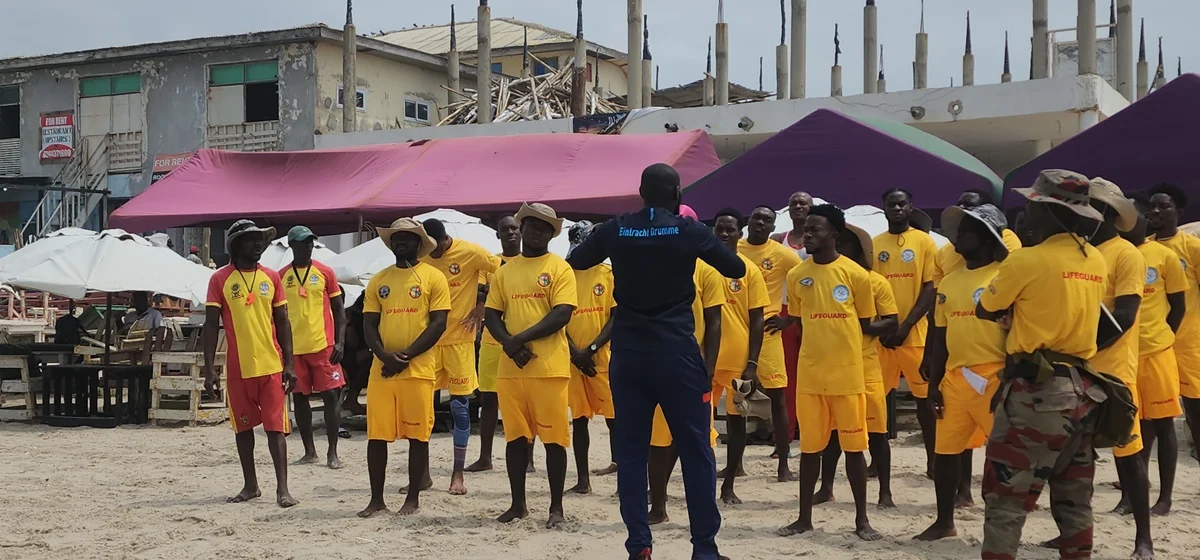
The formal launch of the PROTECT package took place in Ghana, a country that has emerged as a regional leader in drowning prevention efforts. The choice of Ghana reflects the nation’s significant political will to address a problem that claims an estimated 1,100 lives annually within its borders. This mortality rate translates to approximately three deaths every day, with children and young adults bearing the brunt of the crisis.
Ghana’s commitment is evidenced by its ongoing efforts to strengthen water safety regulations and its collaboration with international partners to map high-risk areas. The launch in Accra serves as a call to action for other African nations to recognize drowning as a public health priority. By adopting the PROTECT framework, Ghana aims to set a precedent for how data-driven policies can be used to safeguard citizens who rely on water for their livelihoods and daily needs.
A Decade of Collaboration: The Role of Bloomberg Philanthropies
The development of the PROTECT technical package is the result of over ten years of intensive collaboration between the WHO, national governments, and philanthropic organizations. Bloomberg Philanthropies has been a primary partner in this endeavor since 2014, providing the funding and strategic support necessary to move drowning prevention from the periphery to the center of the global health agenda.
Dr. Kelly Henning, head of the public health program at Bloomberg Philanthropies, highlighted the progress made through these partnerships. "This framework will save lives while building on the progress governments around the world are making to prevent drowning deaths in their countries," she said. "Bloomberg Philanthropies has worked with governments worldwide to implement proven, effective strategies. We applaud the World Health Organization for its leadership and look forward to continuing to support local governments as they use the PROTECT technical package."
The partnership has focused on developing foundational resources, such as the "Global Report on Drowning" and subsequent implementation guides, which have standardized the way drowning data is collected and analyzed. This rigorous approach ensures that the PROTECT strategies are not merely theoretical but are backed by successful pilot programs and longitudinal data.
Chronology of Global Action
The journey toward the PROTECT package involves several key milestones in international policy:
- 2014: WHO releases the first "Global Report on Drowning," highlighting the scale of the issue.
- 2017: WHO publishes "Preventing Drowning: An Implementation Guide," providing the first set of concrete interventions.
- 2021: The United Nations General Assembly adopts its first-ever resolution on global drowning prevention (75/273), establishing July 25 as World Drowning Prevention Day.
- 2023: The World Health Assembly adopts a resolution to accelerate action on drowning prevention.
- 2025: The Global Alliance for Drowning Prevention launches the Global Strategy for Drowning Prevention, leading directly to the current PROTECT technical package.
Broader Implications and the Path Forward
The "Unite to turn the tide" theme for this year’s World Drowning Prevention Day encapsulates the necessity of a unified global front. Beyond the immediate preservation of life, drowning prevention has significant economic and social implications. The loss of young lives represents a massive drain on human capital and potential, particularly in developing economies. Furthermore, the non-fatal consequences of drowning, which can include permanent neurological damage due to hypoxia, place a long-term burden on healthcare systems and families.
As the PROTECT package is rolled out globally, the challenge shifts to implementation and sustainability. Experts argue that success will depend on localizing the seven strategies and ensuring they are adequately funded within national budgets. The integration of drowning prevention into broader frameworks, such as the Sustainable Development Goals (SDGs) and climate adaptation plans, will be essential for long-term impact.
The launch of PROTECT provides the tools, but the "turning of the tide" will require sustained advocacy and the courage of policymakers to invest in safety measures that may not show immediate political returns but will undoubtedly save thousands of lives over the coming decades. With 300,000 deaths occurring every year, the message from the WHO and its partners is clear: the time for incremental change has passed, and the era of coordinated, evidence-based prevention must begin.
