
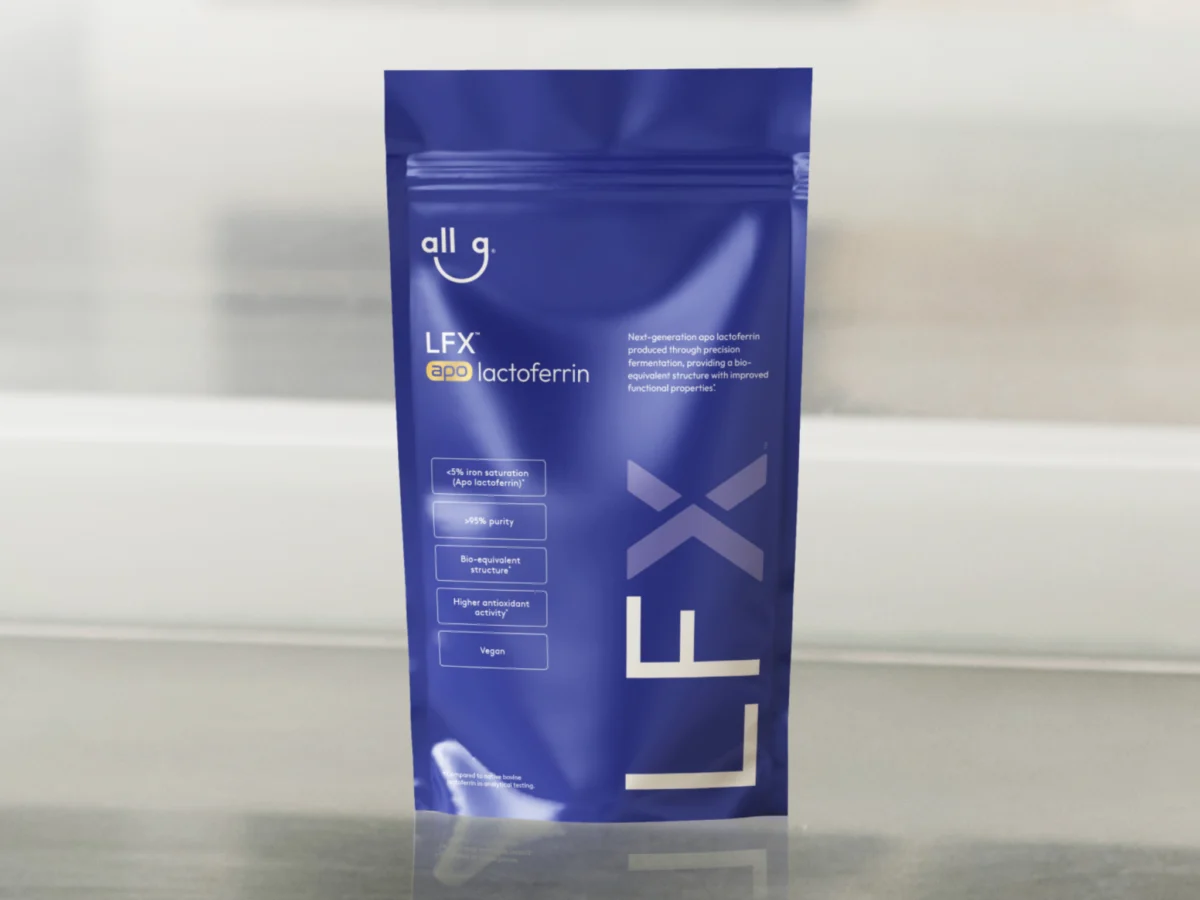
Months after securing a “no questions” letter from the US Food and Drug Administration (FDA) for its cow-free lactoferrin protein, Australia’s All G has officially launched its precision-fermented ingredient in the United States. This marks a significant milestone for the company, positioning it to capitalize on the growing demand for functional ingredients with demonstrated health benefits. The product, branded as LFX, is a powdered form of apo-lactoferrin, a critical component of the immune system known for its iron-regulating properties. All G’s innovation allows manufacturers to incorporate this potent ingredient into a wide array of products, including functional foods and beverages, dietary supplements, and specialized nutrition formulations targeting areas such as active nutrition, gut health, healthy aging, women’s health, and immune support.
The initial shipment of LFX has already reached the US market and is actively being incorporated into dietary supplements. Jan Pacas, co-founder and CEO of All G, confirmed this development, noting that while the proprietary nature of their client agreements prevents naming specific customers, several branded partnerships are anticipated to be announced prior to the SupplySide Global trade show in Las Vegas later this October. This proactive market entry strategy underscores All G’s ambition to become a leading supplier of novel, sustainably produced proteins.
The Strategic Focus on Apo-Lactoferrin
All G’s strategic decision to focus on apo-lactoferrin, a form of lactoferrin with very low iron saturation, is rooted in its superior biological activity. Precision fermentation, the core technology employed by All G, involves the precise genetic engineering of microorganisms to produce specific molecules. In All G’s case, this technology is used to create bioidentical versions of both bovine and human milk proteins. Lactoferrin, a glycoprotein naturally found in bovine colostrum and human milk, is highly valued for its ability to regulate iron levels within the body. Its well-documented antiviral, antibacterial, immune-boosting, and gut-strengthening properties have led to its use in various health applications, from managing iron deficiency during pregnancy to potentially reducing the risk of respiratory infections and enhancing metabolic function.
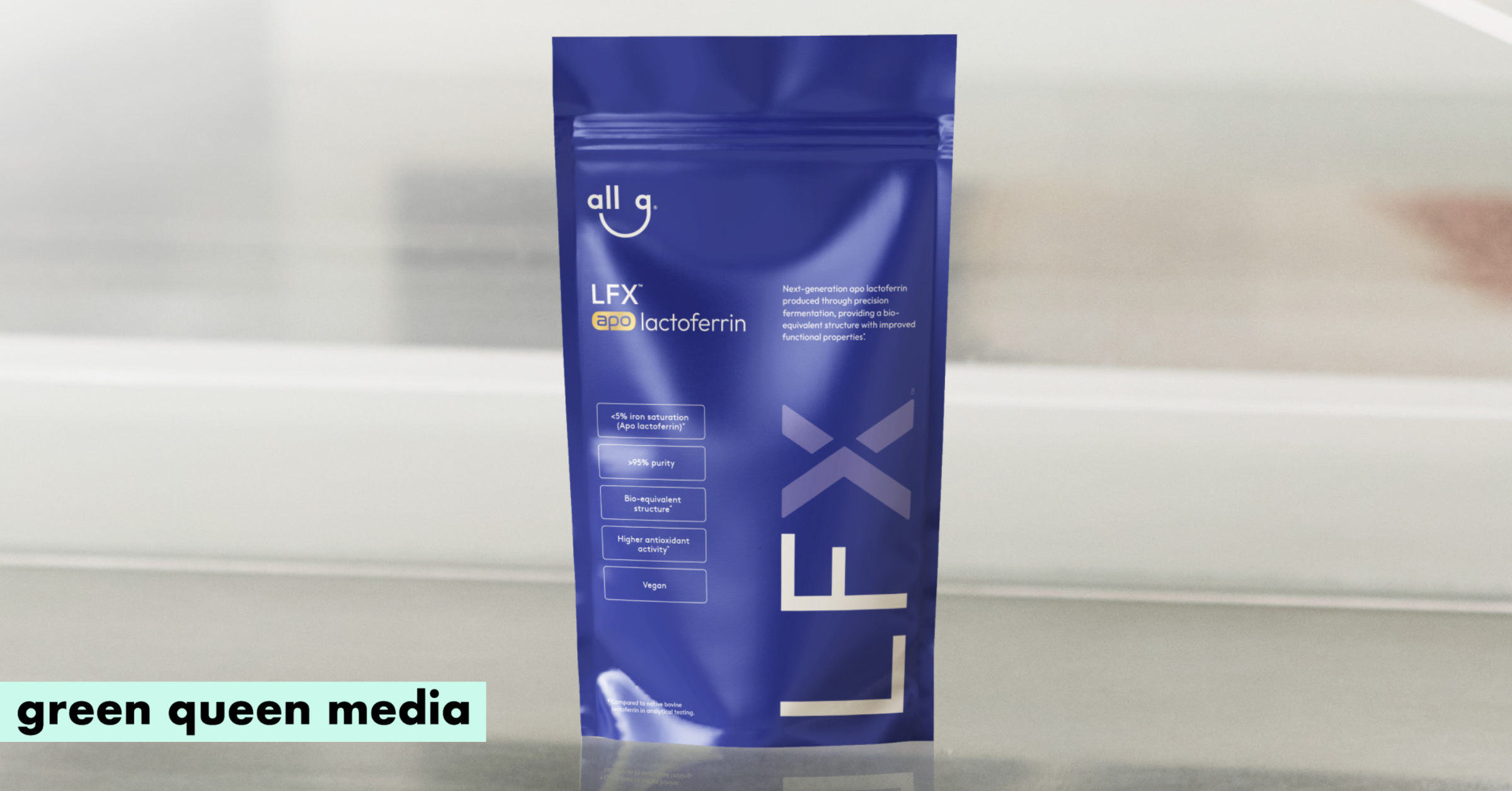
The efficacy of lactoferrin is intrinsically linked to its iron saturation level. Three primary forms exist: native dairy lactoferrin, which typically has around 20% iron saturation after standard processing; holo-lactoferrin, which is heavily loaded with iron (over 80% saturation); and apo-lactoferrin, which, naturally occurring in breast milk, is characterized by minimal iron binding. All G’s LFX achieves less than 5% iron saturation, a feat accomplished directly during the fermentation process rather than through subsequent chemical or physical manipulation.
Jared Raynes, co-founder and chief scientific officer at All G, emphasized the distinct advantages of apo-lactoferrin. "Apo-lactoferrin boasts rigorously proven superior health benefits to partially saturated or (fully saturated) holo-lactoferrin, across areas like iron absorption, immune support and gut health," Raynes stated. The rationale behind this claim lies in the protein’s structure and function. When iron saturation is low, the unoccupied iron-binding sites in apo-lactoferrin can effectively bind excess free iron, thereby helping to maintain iron homeostasis. This mechanism is crucial for limiting the proliferation of pathogenic bacteria that rely on free iron, supporting a healthier gut microbiome, bolstering immune cell activity, and improving the absorption of dietary iron without necessitating increased iron intake.
A white paper published by All G further elaborates on these benefits, detailing how the low-iron form of lactoferrin, compared to its holo-counterpart, can significantly enhance iron absorption from meals, accelerate gut repair, reduce inflammation, provide robust defense against bacteria like E. coli, boost overall immunity and bone health, and contribute to healthy aging processes. This scientific backing provides a strong foundation for LFX’s market positioning and potential adoption by health-conscious consumers and manufacturers.
Scaling Production and Global Expansion Plans
The production of lactoferrin from traditional dairy sources presents significant challenges, particularly in achieving high yields and purity. Extracting a single kilogram of purified lactoferrin typically requires at least 10,000 liters of milk, a process that is both resource-intensive and costly, with per-kilogram prices ranging from $600 to $2,000. Precision fermentation offers a compelling solution to this bottleneck, enabling scalable and more cost-effective production.
The unique advantages of producing apo-lactoferrin via fermentation are amplified. Raynes explained, "Beyond the general supply constraints that make lactoferrin hard to source, the dairy industry can only produce apo-lactoferrin through harsh intervention in downstream processing – by lowering the pH to strip the iron from the lactoferrin." This process, he notes, is known to degrade the lactoferrin molecule, diminishing its efficacy. Consequently, apo-lactoferrin has historically been relegated to pharmaceutical applications due to its prohibitive cost, often commanding nearly double the price of partially saturated lactoferrin.
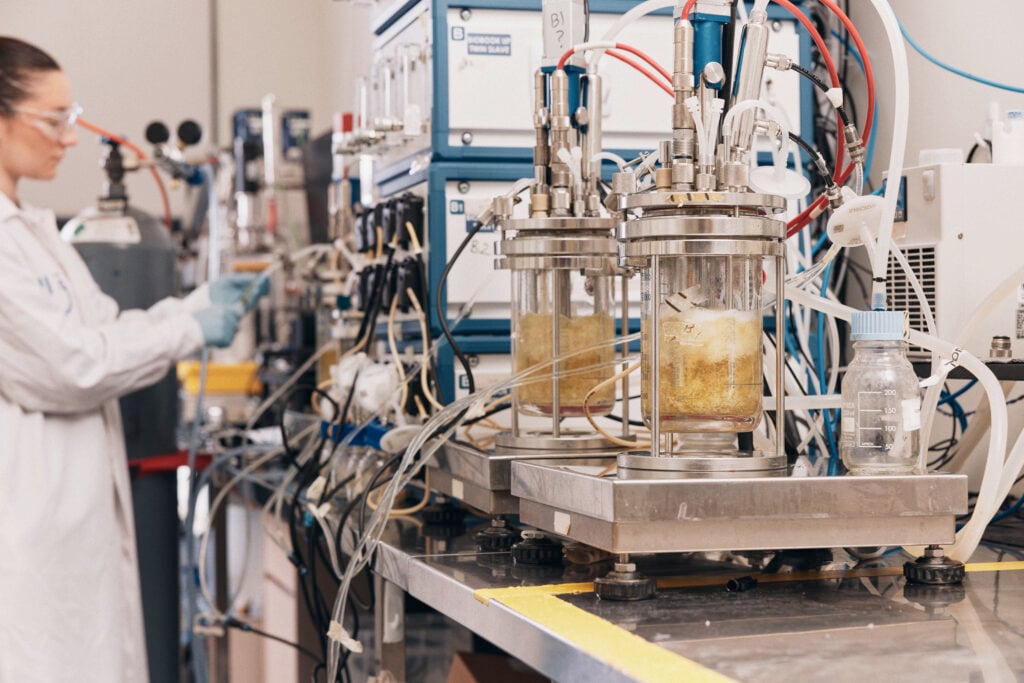
All G has successfully navigated these challenges, currently producing tens of tonnes of LFX annually from a 60,000-liter fermentation scale. Crucially, this production volume achieves positive unit economics when sold at the prevailing market price for bovine lactoferrin. Pacas attributes this success to their strategic partnership with a leading global contract manufacturing organization in China. "We are producing with one of the top global fermentation contract manufacturing organisations in China, [which] has the experience and quality consistency that will allow us to scale precision-fermented lactoferrin globally," he stated.
Looking ahead, All G is actively in discussions for a second contract manufacturing facility, with Europe being a likely location. This expansion is being facilitated through established relationships with their joint venture partner, Savencia, and their strategic investor, Döhler. To ensure efficient market access and rapid order fulfillment for its US clientele, All G maintains local stock within the United States.
Navigating a Competitive Landscape
All G’s launch into the US market coincides with a significant surge in interest and investment in lactoferrin production through precision fermentation. Several companies are dedicating resources to commercialize this protein, creating a dynamic and competitive environment. Helaina, for instance, has successfully brought its human lactoferrin to market, with its ingredient already featured in approximately a dozen products. Nestlé is also collaborating with Helaina to develop infant formula incorporating human lactoferrin.
TurtleTree is another key player, with its bovine lactoferrin available in products such as IronKind (under its consumer brand Intentional) and Waywyld’s supplement powder. TurtleTree has further solidified its market presence by partnering with Novonesis for the manufacturing and commercialization of its protein. Vivici has also made strides, achieving self-affirmed Generally Recognized as Safe (GRAS) status for its bovine lactoferrin in the US.
Despite the increasing competition, All G remains confident in its unique value proposition. Raynes addressed the competitive landscape by highlighting the technical difficulties associated with achieving low iron saturation at a commercial scale. "Although we welcome any competition, achieving a low iron saturation at commercial scale is significantly more challenging than at lab scale and we have yet to see any other company prove that it can be done," he remarked. He further elaborated on the perceived differences in competitors’ products, stating, "From publicly available data relating to our precision fermentation competitors, they are producing lactoferrin that is very highly saturated."
All G differentiates its LFX by emphasizing not only its low iron saturation but also its superior purity and bioactivity. "On top of our low iron saturation, our product carries over 93% protein content, over 95% purity, and over 95% binding to heparin, the latest industry standard measure for bioactivity," Raynes added. This combination of factors positions LFX as a premium, highly effective ingredient in the functional protein market.
The Impending Launch of Human Lactoferrin
All G’s regulatory achievements extend beyond its bovine lactoferrin. The company’s FDA GRAS approval is seen as a foundational step, potentially paving the way for clearances in other global markets and establishing a regulatory precedent for similar ingredients worldwide. All G has already secured approval for the use of its lactoferrin in personal care products in China and is actively pursuing approval for infant formula, which will necessitate a separate GRAS filing and extensive safety data.
A significant near-term development for All G is the anticipated launch of its human-identical lactoferrin within the next six months. Human lactoferrin is present in breast milk at concentrations up to ten times higher than in cow’s milk. While bovine lactoferrin shares approximately 70% homology with the human version, the degree of similarity can influence how efficiently the protein is recognized, absorbed, and utilized by the human body.
Pacas confirmed the timeline, stating, "We will have a self-affirmed GRAS for human lactoferrin before the end of 2026, and we will be in market within six months." He also highlighted the superior quality of their human lactoferrin, asserting, "The data we have generated from our scale-up human lactoferrin batches is significantly superior to what is currently on the market." Notably, All G’s human lactoferrin will also be offered in its apo-form, mirroring the composition of human breast milk with approximately 4% iron saturation.
Raynes offered a nuanced perspective on the co-existence of bovine and human lactoferrin in the market. He believes that human lactoferrin will likely serve specific high-value markets where its benefits are most pronounced, such as women’s health and infant nutrition. "At the same time, bovine lactoferrin remains one of the most studied and proven proteins for human health, backed by thousands of peer-reviewed papers and dozens of clinical trials. We can’t simply dismiss that body of research and write off this protein just because human lactoferrin is now available," he explained. Furthermore, he anticipates that pricing differences will position bovine lactoferrin as a more accessible option for formulators who are price-conscious, ensuring its continued relevance.
Diversifying the Protein Portfolio
All G’s ambition extends beyond lactoferrin. The company, which has secured $36 million in funding to date and is currently undertaking a new fundraising round, is also actively developing human beta-casein. Beta-casein constitutes a significant portion of the protein content in breast milk, ranging from 20-45%. The development of this protein is progressing well towards scale-up, bolstered by an A$1.1 million (approximately $775,000) biosciences grant from the New South Wales government. "This protein is key in our pathway to humanizing infant formula using our precision-fermented human breast milk proteins," Pacas stated, underscoring the company’s long-term vision for creating next-generation infant nutrition products. This strategic diversification into other human milk proteins signals All G’s commitment to a comprehensive approach in replicating the benefits of breast milk through advanced biotechnology.
