
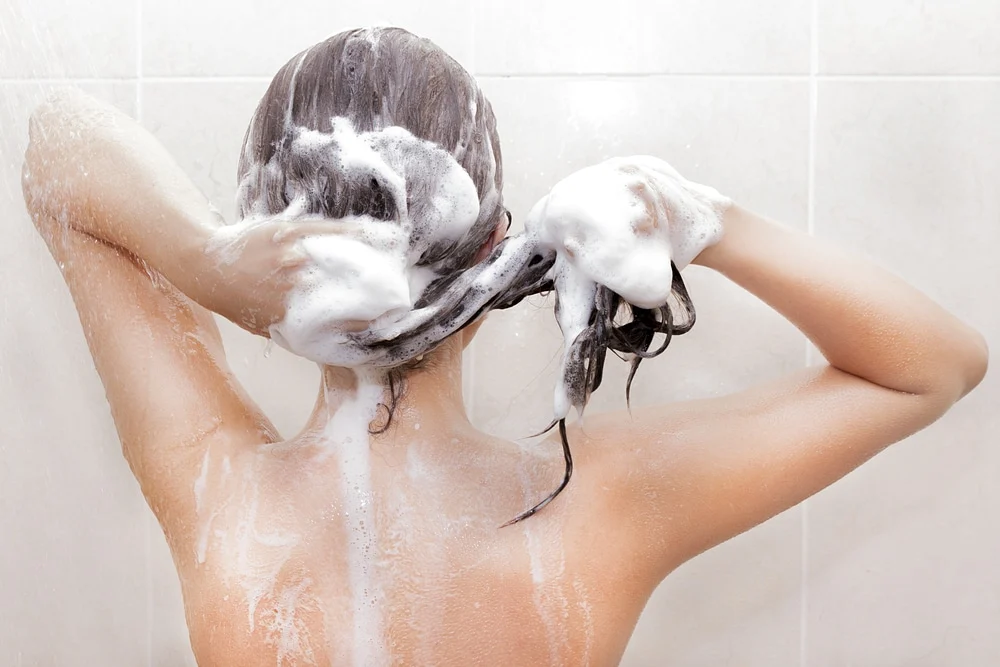
Polycystic Ovary Syndrome (PCOS) remains one of the most prevalent endocrine disorders among women of reproductive age, yet its dermatological manifestations, particularly the persistent issue of greasy hair and scalp, often receive less clinical attention than its reproductive implications. While beauty standards have evolved toward a more inclusive and diverse definition of attractiveness, the personal sense of confidence derived from physical well-being remains a cornerstone of mental health for many. For women living with PCOS, the "just-washed" sensation is frequently fleeting, as hormonal imbalances can trigger an overproduction of sebum, leading to hair that appears oily only hours after cleansing. Understanding the intersection of endocrinology and dermatology is essential for managing this chronic symptom effectively.
The Pathophysiology of Hyperandrogenism and Sebum Production
The primary driver of greasy hair in women with PCOS is hyperandrogenism, a condition characterized by elevated levels of male hormones, such as testosterone and androstenedione. Under normal physiological conditions, the ovaries and adrenal glands produce small amounts of these hormones. However, in the context of PCOS, the ovaries often produce an excess. These androgens directly interact with the sebaceous glands located within the hair follicles.
The sebaceous glands are responsible for producing sebum, a complex mixture of lipids that waterproofs and lubricates the skin and hair. When androgen levels rise, these glands are stimulated to enlarge and increase their output. The result is a condition known as seborrhea, which manifests as an oily scalp and lacklustre, heavy hair. This biological process is not a reflection of poor hygiene but is a direct systemic response to internal chemical signals. For many patients, the frustration is compounded by the fact that traditional hair care routines are often insufficient to counteract the volume of oil being produced at the follicular level.

The Critical Link Between Insulin Resistance and Scalp Health
To address the root cause of greasy hair in PCOS, medical professionals increasingly point to the role of insulin resistance. It is estimated that between 50% and 70% of women with PCOS exhibit some degree of insulin resistance, regardless of their body mass index (BMI). Insulin is a hormone produced by the pancreas that allows cells to use sugar (glucose) for energy. When the body becomes resistant to insulin, blood sugar levels rise, prompting the pancreas to produce even more insulin to compensate.
High levels of insulin are problematic because they act as a co-gonadotropin, stimulating the ovaries to produce more testosterone. Furthermore, insulin inhibits the production of Sex Hormone Binding Globulin (SHBG) in the liver. SHBG is a protein that binds to testosterone in the blood, rendering it inactive. When SHBG levels are low, there is more "free" or active testosterone circulating in the system, which exacerbates symptoms like oily skin, acne, and greasy hair. Consequently, any long-term strategy for managing scalp health in PCOS must involve metabolic management to lower systemic insulin levels.
Dermatological Best Practices: Navigating Scalp Care
While internal hormonal balance is the long-term goal, immediate relief often comes from refined topical care. The choice of hair care products plays a pivotal role in managing the symptoms of seborrhea. Many commercial shampoos contain harsh surfactants such as sodium lauryl sulfate (SLS). While these chemicals are effective at stripping oil, they can be counterproductive for those with sensitive or overactive scalps.
The removal of all natural oils can trigger a "rebound effect," where the scalp senses extreme dryness and responds by producing even more sebum to compensate. Transitioning to sulfate-free, paraben-free, and silicone-free products is often recommended by dermatologists. Silicones, in particular, can create a film over the hair shaft that traps oil and product residue, leading to a dull appearance and further clogging the pores on the scalp.

Clarifying shampoos represent another essential tool in the PCOS hair care arsenal. These specialized formulas are designed to remove deep-seated buildup from hard water minerals, styling products, and excess sebum. However, because of their potency, they should be used sparingly—typically once every one to two weeks. Over-clarifying can lead to hair shaft damage and increased scalp irritation, making it necessary to monitor the hair’s texture and moisture levels closely.
The Paradox of Frequent Washing
A common reaction to greasy hair is to increase the frequency of washing, often to once or even twice a day. However, clinical observations suggest that this can exacerbate the problem. Continuous washing strips the acid mantle of the scalp, a thin, slightly acidic film that acts as a barrier to bacteria and environmental pollutants. When this barrier is disrupted, the scalp becomes more prone to inflammation and oil overproduction.
Hair care experts often suggest "training" the scalp by gradually increasing the time between washes. While the initial transition period can be uncomfortable, the scalp’s sebaceous glands eventually recalibrate. During this adjustment phase, dry shampoos can serve as a vital intermediary. These products, often based on cornstarch or rice starch, absorb excess lipids without requiring water or harsh detergents. They also provide the secondary benefit of adding volume to the hair, which is particularly useful for women experiencing the hair thinning (androgenic alopecia) that often accompanies PCOS.
Nutritional Interventions and the Impact of Omega-3 Fatty Acids
Dietary choices are perhaps the most significant lifestyle factor in managing PCOS symptoms. A diet designed to stabilize blood sugar—often referred to as a Low Glycemic Index (GI) diet—can directly reduce insulin spikes and, by extension, androgen production. This involves prioritizing whole grains, lean proteins, and high-fiber vegetables over processed carbohydrates and sugary snacks.

In addition to caloric and carbohydrate management, the inclusion of specific micronutrients and fatty acids has shown promise in clinical studies. Omega-3 fatty acids, commonly found in fatty fish, flaxseeds, and walnuts, are noted for their anti-inflammatory properties. Research published in various endocrine journals suggests that Omega-3 supplementation can help lower testosterone levels and improve the LH/FSH (luteinizing hormone to follicle-stimulating hormone) ratio in women with PCOS. From a dermatological perspective, these healthy fats help maintain the integrity of the cell membranes in the scalp, ensuring that the hair follicles are nourished from within, which can lead to a more balanced production of natural oils.
Physical Activity as a Metabolic Regulator
Exercise is frequently prescribed as a primary treatment for PCOS due to its ability to improve insulin sensitivity. When muscles contract during physical activity, they are able to take up glucose from the bloodstream even without the presence of insulin. This reduces the overall demand on the pancreas and helps lower circulating insulin levels.
For women struggling with the lethargy often associated with hormonal imbalances, starting a consistent exercise routine can be challenging. However, the secondary benefits of weight management and stress reduction are crucial. Stress triggers the release of cortisol, another hormone that can interfere with insulin signaling and exacerbate skin and scalp issues. Therefore, activities like resistance training, HIIT (High-Intensity Interval Training), or even consistent walking are considered integral components of a holistic PCOS management plan.
Clinical Perspectives and Future Implications
The medical community is increasingly recognizing that PCOS is not merely a "fertility problem" but a lifelong metabolic condition that requires a multidisciplinary approach. General practitioners, endocrinologists, and dermatologists must work in concert to provide patients with a comprehensive treatment strategy.

The psychological impact of symptoms like greasy hair should not be underestimated. Studies have shown that women with PCOS have higher rates of anxiety and depression compared to the general population, often linked to the physical manifestations of the disorder. When a patient feels that their physical appearance is out of their control despite their best efforts at hygiene, it can lead to a significant decrease in quality of life.
Looking forward, research into the scalp microbiome—the ecosystem of bacteria and fungi living on the head—may offer new avenues for treatment. There is emerging evidence that hormonal imbalances in PCOS may alter the scalp microbiome, potentially leading to conditions like seborrheic dermatitis. As our understanding of these complex interactions grows, more targeted topical treatments may become available.
In summary, managing greasy hair in the context of PCOS requires a move away from superficial fixes toward a strategy that addresses the underlying hormonal and metabolic drivers. By combining intelligent hair care choices, such as sulfate-free products and strategic clarifying, with systemic lifestyle changes like a low-GI diet, regular exercise, and Omega-3 supplementation, women can regain control over their scalp health. While the journey to hormonal balance is often long, the integration of medical advice with consistent self-care routines provides the best path toward both physical comfort and renewed self-confidence.
